
California, a state renowned for its diverse landscapes, from sun-drenched beaches to towering mountains and fertile valleys, presents a fascinating case study when it comes to understanding its agricultural and horticultural potential. Often, when we speak of a “growing zone,” we are referring to the United States Department of Agriculture (USDA) plant hardiness zones. These zones are geographical areas that are roughly divided into zones according to the average annual minimum winter temperature. This system is crucial for gardeners and farmers alike, as it helps determine which perennial plants are likely to survive the winter in a particular location. However, when we ask, “What growing zone is California?”, the answer is not a single, simple designation. Instead, California encompasses a remarkably wide spectrum of USDA growing zones, reflecting its immense geographical and climatic variability.
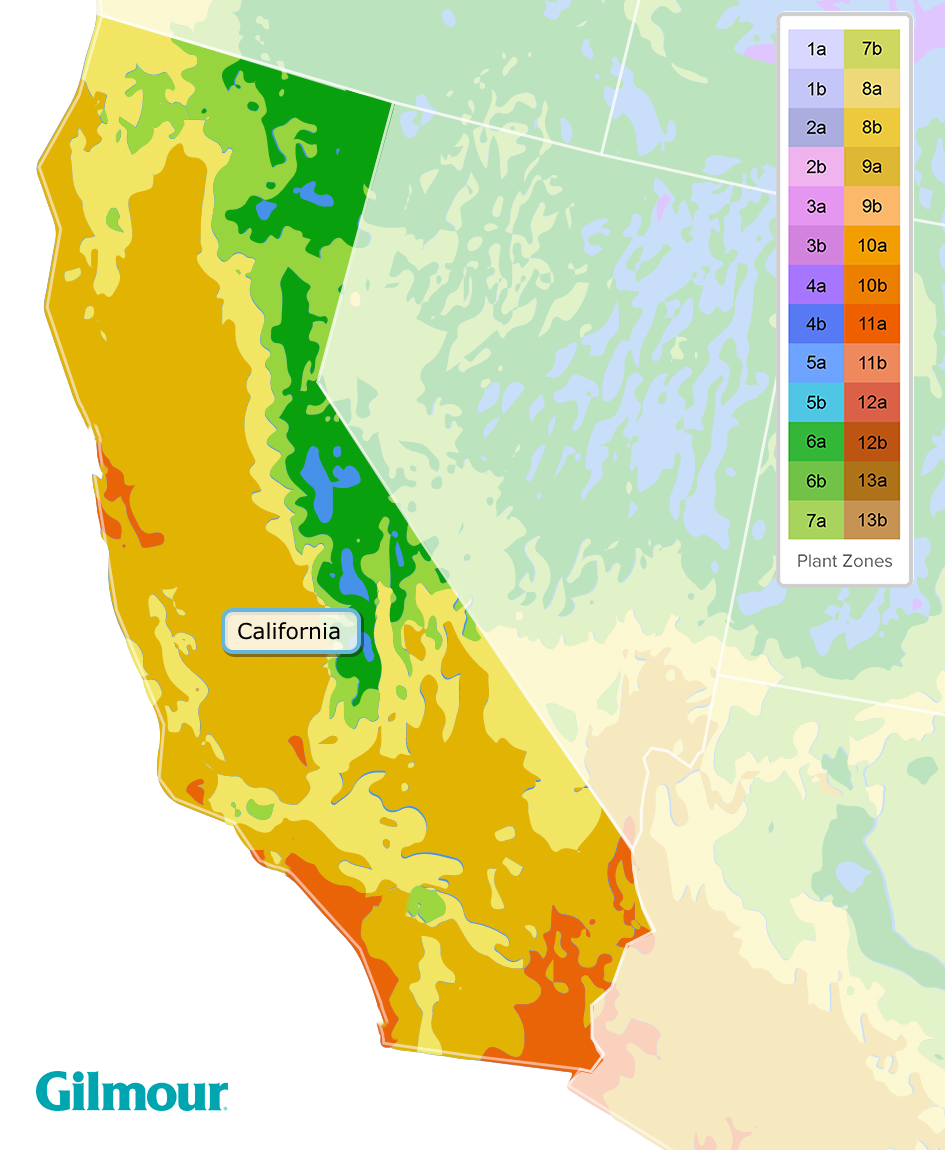
This vast climatic range within a single state is a testament to its unique geography. Factors such as proximity to the Pacific Ocean, elevation, latitude, and the presence of mountain ranges like the Sierra Nevada and the Coast Ranges all play significant roles in shaping local microclimates. Consequently, a gardener in a coastal city might find themselves in a different zone than someone in the inland valleys or at a higher altitude. Understanding these distinctions is paramount for successful cultivation, whether you’re planning to grow prize-winning roses in Pasadena, cultivate vineyards in the Napa Valley, or simply enjoy a thriving vegetable garden in San Francisco.
This article will delve into the complexity of California’s growing zones, exploring the contributing factors and highlighting how these zones impact everything from the state’s agricultural output to the types of plants you can enjoy in your own backyard. We will navigate through the different zones represented within California, providing insights that are invaluable for anyone interested in travel, tourism, lifestyle, and the very essence of what makes California’s natural environment so captivating.
Understanding USDA Plant Hardiness Zones in California
The USDA Plant Hardiness Zone Map is the standard by which gardeners and horticulturists determine which perennial plants are most likely to thrive in a particular location. The map divides North America into 13 zones, each with 10-degree Fahrenheit temperature differences between zones. Zone 1 is the coldest, and Zone 13 is the warmest. Each zone is further divided into two subzones, “a” and “b,” representing a 5-degree Fahrenheit difference. For example, Zone 9a has colder average winter temperatures than Zone 9b.
California, due to its incredible latitudinal span and varied topography, is home to an extensive array of these zones. You will find everything from the cooler, mountainous regions that fall into lower-numbered zones to the warmer, southern coastal areas that are situated in much higher-numbered zones. This diversity is a significant reason why California is such an agricultural powerhouse, capable of producing an astonishing variety of crops.
Zone 4 and 5: The Alpine and Mountain Regions
While much of California is associated with warm weather, its higher elevations, particularly in the Sierra Nevada mountain range, experience significant winter cold. These areas can fall into USDA Growing Zones 4 and 5. These zones are characterized by average annual minimum winter temperatures of -30 to -20°F (Zone 4) and -20 to -10°F (Zone 5).
- Characteristics of Zones 4 and 5: Plants that can tolerate extreme cold are essential for these regions. Think of hardy evergreens, certain deciduous trees, and low-growing shrubs that can withstand heavy snowfall and freezing temperatures. The growing season in these zones is typically shorter, with later spring thaws and earlier autumn frosts.
- Where to Find Them: These zones are found in the higher elevations of the Sierra Nevada, including areas around Lake Tahoe, parts of the Modoc Plateau, and other mountainous interiors of Northern California. Ski resorts like Mammoth Mountain and Palisades Tahoe are located in regions that experience these colder conditions.
- Lifestyle and Travel Considerations: For those who enjoy a mountain lifestyle, or for travelers seeking winter sports, understanding these zones is key for choosing appropriate landscaping. It also influences the types of flora you’ll encounter on scenic drives or hikes in these areas. Think of the resilient pine forests and alpine meadows that characterize these higher landscapes.
Zone 6: Transitional Mountain and Inland Areas
Moving down from the highest peaks, USDA Growing Zone 6 represents a transitional climate. The average annual minimum winter temperatures here range from -10 to 0°F.
- Characteristics of Zone 6: This zone offers a bit more flexibility for plant selection than Zones 4 and 5. While still requiring cold-hardy plants, there is a wider variety of fruit trees and flowering perennials that can adapt. The growing season is longer, offering more time for plants to mature and produce.
- Where to Find Them: Zone 6 can be found in some mid-elevation mountain areas, foothills of the Sierra Nevada, and parts of the northern inland valleys. Towns like Redding or certain higher elevation rural areas might fall within this zone.
- Tourism and Local Culture: For visitors, the landscapes in Zone 6 might include mixed forests and agricultural lands that transition from true mountain wilderness to more accessible farming communities. The local culture might reflect a connection to both the ruggedness of the mountains and the productivity of the land.
Zone 7: Cooler Coastal Valleys and Inland Foothills
USDA Growing Zone 7 has average annual minimum winter temperatures ranging from 0 to 10°F. This zone becomes more prevalent as you move into the foothills and some of the cooler inland valleys of Northern and Central California.
- Characteristics of Zone 7: This is a significant zone for agriculture in California, allowing for a broad range of deciduous fruit trees, berries, and a long list of flowering plants. The growing season is considerably longer, supporting more diverse gardening and farming practices.
- Where to Find Them: You’ll find Zone 7 in areas like the Sacramento Valley, parts of the San Joaquin Valley, and the cooler inland valleys of the Central Coast. Cities such as Fresno and parts of the outlying areas around Stockton often fall into this category.
- Accommodation and Lifestyle: Travelers looking for stays in charming bed and breakfasts or agricultural resorts in these regions will find a landscape that is conducive to many types of outdoor activities and horticultural exploration. The lifestyle here often emphasizes the bounty of the land.
Zone 8: The Thriving Heart of California’s Agriculture and Coast
USDA Growing Zone 8 represents a significant portion of California, characterized by average annual minimum winter temperatures between 10 and 20°F. This zone is incredibly diverse, encompassing much of the warmer inland valleys and certain coastal areas.
- Characteristics of Zone 8: This zone is a gardener’s and farmer’s paradise. It supports a vast array of subtropical plants, citrus trees, roses, and a lengthy growing season for vegetables and flowers. Many of the state’s most famous agricultural products are grown in Zone 8 regions.
- Where to Find Them: This zone is widespread, including large parts of the San Joaquin Valley, the Sacramento-San Joaquin Delta, and many inland valleys throughout the state. Coastal areas north of San Francisco and extending down towards the Central Coast also experience Zone 8 conditions, though ocean influence can create microclimates within this broader zone. Cities like Modesto, Bakersfield, and Santa Rosa are largely within this zone.
- Travel and Experiences: For tourists, Zone 8 offers opportunities to explore wine country, visit sprawling agricultural fields, and enjoy a wide variety of outdoor activities. Many resorts and hotels are situated in these areas, catering to visitors who want to experience the agricultural richness and pleasant climate of California.
Zone 9: The Warmest Coastal and Southern Inland Areas
USDA Growing Zone 9 is home to average annual minimum winter temperatures ranging from 20 to 30°F. This zone is synonymous with the quintessential warm California lifestyle, extending along much of the southern coast and into warmer inland basins.
- Characteristics of Zone 9: This zone is ideal for a wide range of subtropical plants, including a multitude of citrus varieties, avocados, palms, and numerous flowering plants that might struggle in colder climates. The growing season is exceptionally long, allowing for multiple harvests and continuous blooming for many species.
- Where to Find Them: Zone 9 dominates the coastal regions of Southern California, from Santa Barbara south to the Mexican border. It also includes the warmer inland valleys of the south, such as the Coachella Valley, and areas around Los Angeles and San Diego. Cities like Santa Ana, Riverside, and Long Beach are predominantly in Zone 9.
- Hotels, Lifestyle, and Tourism: This is the zone most travelers associate with California sunshine. The abundance of resorts, luxury hotels, and vacation apartments reflects the desirable climate. Activities range from beachgoing and exploring vibrant city attractions to enjoying botanical gardens filled with exotic plants. The lifestyle here often embraces outdoor living and a relaxed pace.
Zone 10 and 11: The Subtropical Havens
While less widespread than Zones 8 and 9, pockets of USDA Growing Zone 10 (average annual minimum winter temperatures between 30 and 40°F) and Zone 11 (average annual minimum winter temperatures above 40°F) exist in the most southerly and coastal parts of California.
- Characteristics of Zones 10 and 11: These zones are truly subtropical. They allow for the cultivation of plants that are sensitive to even light frost, such as many tropical fruits (like mangoes and papayas in sheltered microclimates), orchids, and a vast array of ornamental tropical plants. The climate is very mild year-round.
- Where to Find Them: These zones are primarily found in the immediate coastal strip of Southern California, particularly in sheltered bays and very close to the ocean in areas like San Diego County, and some specific microclimates in Los Angeles County. Even within these zones, there can be variations due to elevation and immediate coastal proximity.
- Unique Experiences: For travelers seeking a true taste of the tropics within the continental United States, visiting these areas offers a glimpse into a unique botanical landscape. These zones influence the types of attractions, such as specialized botanical gardens and fruit farms, that thrive in these consistently warm conditions.
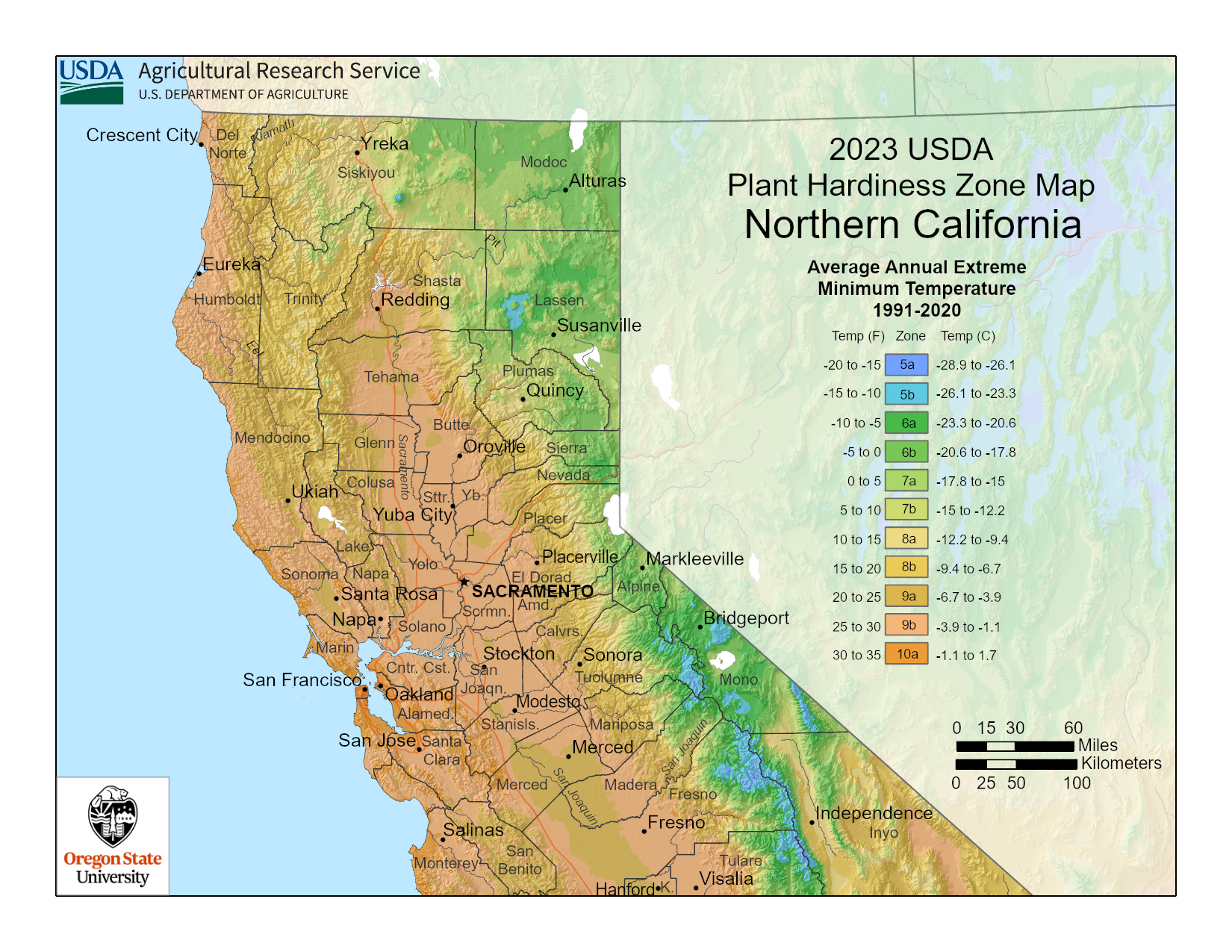
Factors Influencing California’s Diverse Growing Zones
California’s remarkable range of USDA growing zones is not a random occurrence. It is the direct result of a confluence of powerful geographical and climatic forces that shape the state’s diverse environments. Understanding these factors provides a deeper appreciation for the unique horticultural and agricultural tapestry of California.
The Pacific Ocean: A Moderating Influence
The vast expanse of the Pacific Ocean exerts a profound moderating influence on California‘s climate, particularly along its extensive coastline. This maritime effect significantly impacts temperature fluctuations, creating milder winters and cooler summers compared to inland areas at similar latitudes.
- Coastal Cooling: During the summer, cool ocean currents and the marine layer (a blanket of low-lying clouds and fog) help to keep coastal temperatures pleasant, preventing the extreme heat experienced in many inland regions. This is why cities like San Francisco and Santa Monica enjoy relatively temperate summers.
- Warmer Winters: Conversely, the ocean acts as a heat reservoir during the winter, releasing stored warmth and preventing temperatures from dropping as drastically as they do inland. This is why coastal areas often fall into warmer growing zones (like 9 and 10) even though they are at similar latitudes to colder inland regions.
- Travel Impact: This oceanic influence is a major draw for tourism, offering a desirable climate for beach vacations and coastal exploration year-round. Hotels and resorts along the coast often capitalize on this mild weather, providing year-round amenities and activities.
Elevation: The Vertical Climates
California is a state of dramatic elevation changes. From the lowest point in Death Valley to the highest peak in Mount Whitney, the altitude plays a crucial role in determining temperature and, consequently, growing zones.
- Temperature Gradient: As elevation increases, temperature generally decreases. This is a fundamental principle of meteorology. Therefore, mountainous regions will naturally experience colder winters and be classified into lower USDA growing zones.
- Mountain Ranges: The Sierra Nevada and the Coast Ranges are the most prominent examples. Their high peaks create alpine environments that are suitable only for cold-hardy vegetation, placing them in zones like 4 and 5. Even within these ranges, there are variations, with south-facing slopes being warmer than north-facing ones.
- Impact on Agriculture and Lifestyle: The elevation dictates the types of agriculture possible. High-altitude regions might be limited to hardy grains or forestry, while lower foothills can support vineyards and orchards. For travelers, elevation dictates the types of natural attractions and activities available, from winter sports in snowy peaks to hiking in cooler mountain forests.
Inland Valleys and Deserts: Extremes of Temperature
Away from the moderating influence of the Pacific Ocean, California‘s inland regions experience much greater temperature extremes. These areas often fall into warmer growing zones but can also experience significant temperature swings.
- Inland Valleys (Sacramento and San Joaquin): These vast agricultural heartlands are characterized by hot, dry summers and mild, sometimes chilly, winters. While they benefit from long growing seasons, they are not immune to occasional frost, placing them typically in zones like 7, 8, and 9. The sheer scale of agriculture in these valleys, from almonds and grapes to vegetables, is a testament to their suitability for a wide range of crops.
- Desert Regions: Southern California‘s desert areas, such as the Mojave Desert and the Colorado Desert (including the Coachella Valley), experience the most extreme temperatures in the state. Summers are intensely hot, while winters are generally mild, though freezing temperatures can occur on rare occasions. These areas often fall into Zone 9, and even warmer zones, allowing for specialized desert flora and some heat-tolerant agriculture.
- Tourism and Accommodation: These inland and desert regions offer unique travel experiences, from exploring national parks like Joshua Tree and Death Valley to enjoying desert resorts. The accommodation options often cater to those seeking a warm-weather escape, with many facilities designed to take advantage of the sunny climate.
Latitude: North to South Variations
California stretches over ten degrees of latitude, from its northern border with Oregon to its southern border with Mexico. This significant north-south span inherently leads to climatic differences.
- Northern California: Generally cooler due to its higher latitude and greater proximity to the Pacific Northwest’s more temperate climate.
- Southern California: Generally warmer due to its lower latitude and its proximity to subtropical air masses.
- Combined Effects: While latitude is a factor, it is often amplified or mitigated by the other elements like ocean influence and elevation. For example, Northern California‘s coastal areas might still be warmer than its inland mountains, and Southern California‘s deserts will be hotter than its coastal cities.
- Travel Planning: For travelers, the latitude of a destination within California can indicate expected weather patterns, influencing the best times to visit for specific activities and the types of clothing to pack.
Navigating California’s Growing Zones for Travel, Accommodation, and Lifestyle
Understanding the intricate web of California‘s growing zones is not just an academic exercise for gardeners; it significantly enhances the experience for travelers, influences accommodation choices, and shapes the very lifestyle associated with different regions of the Golden State. Whether you’re planning a luxury escape to Napa Valley, a family adventure to Disneyland, or a serene retreat to a coastal resort, the underlying climate defined by these zones plays a pivotal role.
The Gardener’s Paradise: Cultivating Dreams Across the State
For anyone with a passion for horticulture, California offers unparalleled opportunities. The sheer diversity of USDA growing zones means that a vast array of plants can be cultivated successfully across the state.
- Coastal Gardens (Zones 9-10): In areas like Los Angeles or San Diego, gardeners can revel in the ability to grow citrus year-round, stunning bougainvillea, and a multitude of flowering plants that thrive in mild winters. Boutique hotels in these areas might feature lush, tropical-inspired gardens.
- Inland Valleys (Zones 7-8): These regions are the backbone of California‘s agricultural success. Home gardeners can cultivate a wide range of fruits, vegetables, and flowers, benefiting from the long, warm growing seasons. This translates to farm-to-table experiences being a significant part of the local tourism offering.
- Mountain Regions (Zones 4-6): Even here, hardy perennials, cold-tolerant shrubs, and native mountain flora can create beautiful and resilient landscapes. Ski resorts in these zones often showcase natural beauty adapted to harsh winters.
- Unique Local Produce: The diverse growing zones contribute directly to the incredible variety of produce found in California markets. From artichokes in the coastal Watsonville area (Zone 9) to robust wines from Sonoma (Zone 8) and Napa (Zone 8), the culinary landscape is a direct reflection of the state’s varied climates. Travelers can actively seek out farm stands, farmers’ markets, and agritourism experiences that highlight these local specialties.
Accommodation and Travel Experiences Tailored to the Climate
The growing zones directly influence the types of travel experiences and accommodation that are most popular and successful in different parts of California.
- Coastal Resorts and Hotels (Zones 9-10): Destinations like Santa Barbara, Malibu, and La Jolla offer an abundance of resorts and hotels that capitalize on the mild, sunny weather. Outdoor pools, beachfront restaurants, and lush gardens are common features. The lifestyle here is often associated with relaxation, luxury, and a deep connection to the ocean.
- Wine Country Stays (Zones 8): Regions such as the Napa Valley and Sonoma Valley are renowned for their vineyards, which thrive in these zones. Accommodations range from luxurious vineyard resorts and boutique hotels to charming bed and breakfasts. Wine tasting tours and vineyard tours are primary attractions.
- Mountain Lodges and Cabins (Zones 4-6): For those seeking a cooler climate or winter sports, mountain towns offer lodges, cabins, and hotels that provide a cozy retreat. These accommodations are designed to withstand colder temperatures and often feature amenities like fireplaces and hot tubs, perfect for après-ski relaxation.
- Desert Escapes (Zones 9-10): Towns like Palm Springs offer a distinct desert lifestyle with stylish mid-century modern architecture and resorts featuring large pools and desert-inspired landscaping. Travelers are drawn to the dramatic desert scenery and the unique flora adapted to arid conditions.
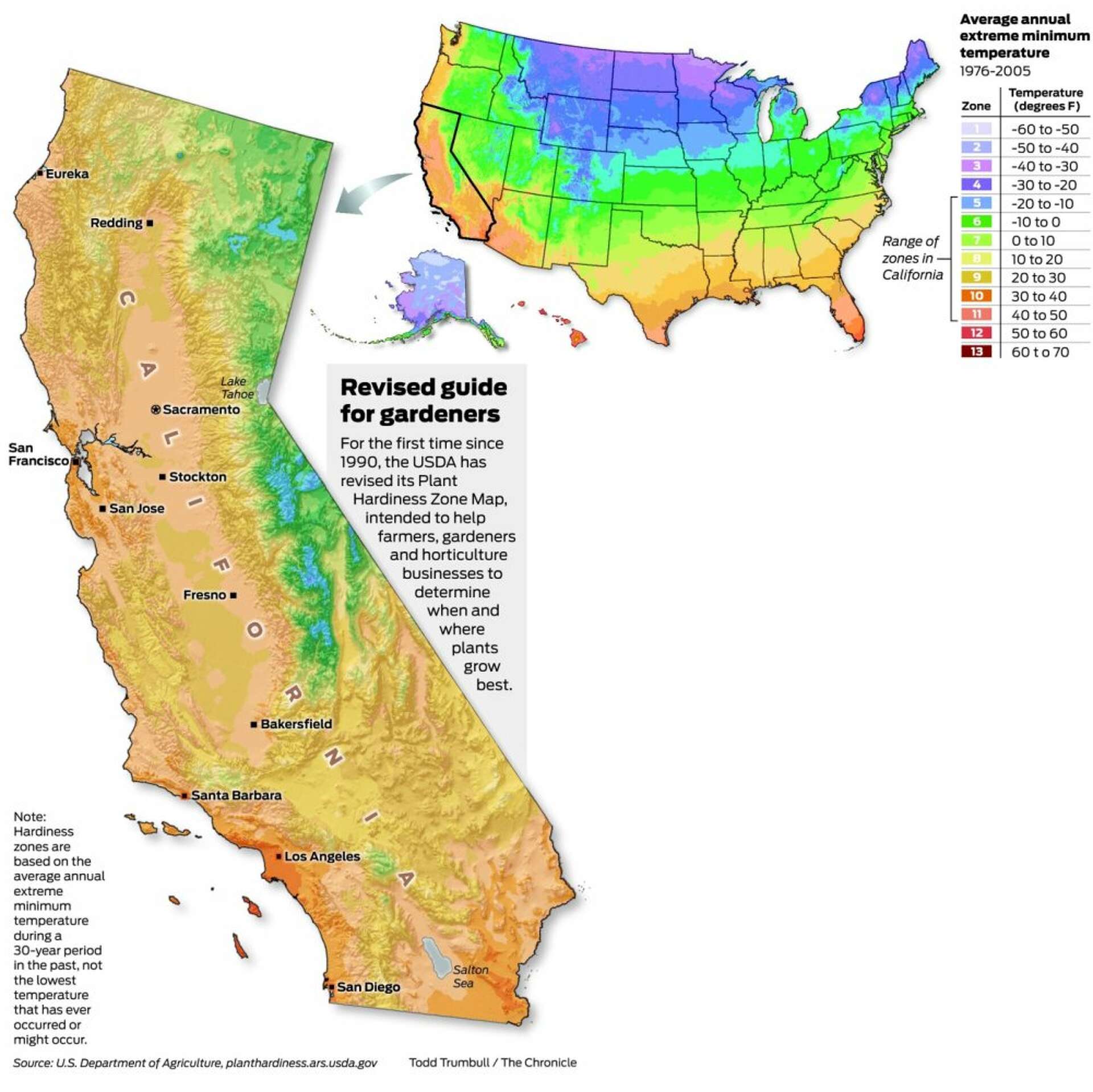
Lifestyle: Embracing the Outdoor California Dream
California‘s diverse growing zones contribute to a lifestyle that is deeply intertwined with the outdoors. The ability to enjoy pleasant weather for much of the year, coupled with the stunning natural beauty, fosters a culture that values outdoor activities and a relaxed pace of life.
- Outdoor Living: Whether it’s dining al fresco on a patio in San Diego, hiking in the Palo Alto hills (Zone 9), or simply enjoying a stroll through a botanical garden in San Francisco (Zone 9b/10a), the climate encourages people to spend time outside.
- Culinary Exploration: The abundance of fresh produce, driven by the varied growing zones, fuels a vibrant culinary scene. From Michelin-starred restaurants to casual food trucks, the emphasis is often on fresh, seasonal ingredients. This extends to the lifestyle of home cooks who have access to an incredible array of ingredients year-round.
- Recreational Pursuits: The growing zones influence the availability and seasonality of outdoor recreation. While beach activities are popular along the coast, skiing and snowboarding are major draws in the mountainous regions during winter. Hiking, cycling, and water sports are enjoyed across the state, with the specific appeal varying by region and season.
In conclusion, asking “What growing zone is California?” is to ask about a state of remarkable climatic diversity. From the alpine chill of Zone 4 to the subtropical warmth of Zone 10, each zone contributes to California‘s identity, its economy, and the unique experiences it offers to residents and visitors alike. This intricate interplay between climate and landscape is what makes California such a dynamic and captivating destination.
LifeOutOfTheBox is a participant in the Amazon Services LLC Associates Program, an affiliate advertising program designed to provide a means for sites to earn advertising fees by advertising and linking to Amazon.com. Amazon, the Amazon logo, AmazonSupply, and the AmazonSupply logo are trademarks of Amazon.com, Inc. or its affiliates. As an Amazon Associate we earn affiliate commissions from qualifying purchases.