
Central Florida, a region synonymous with sunshine, theme parks, and a vibrant lifestyle, is also a haven for gardeners and nature enthusiasts. But what exactly makes this part of the Sunshine State so special for cultivating a diverse range of plants? The answer lies in its USDA Plant Hardiness Zone. Understanding this zone is crucial for anyone considering planting in Central Florida, whether for a small home garden, a sprawling botanical collection, or even for agricultural purposes. It dictates which plants are most likely to thrive, which might struggle, and which are simply not suited to the local climate.

The USDA Plant Hardiness Zone Map is a vital tool for gardeners across the United States. Developed by the U.S. Department of Agriculture, it divides the country into 11 distinct zones, with Zone 1 being the coldest and Zone 11 being the warmest. Each zone is further divided into sub-zones (a and b) to provide even greater precision. These zones are based on the average annual extreme minimum winter temperature, a key factor in determining a plant’s ability to survive the colder months. For Central Florida, this generally translates to mild winters with infrequent and usually short-lived freezes.
Unpacking the Growing Zones of Central Florida
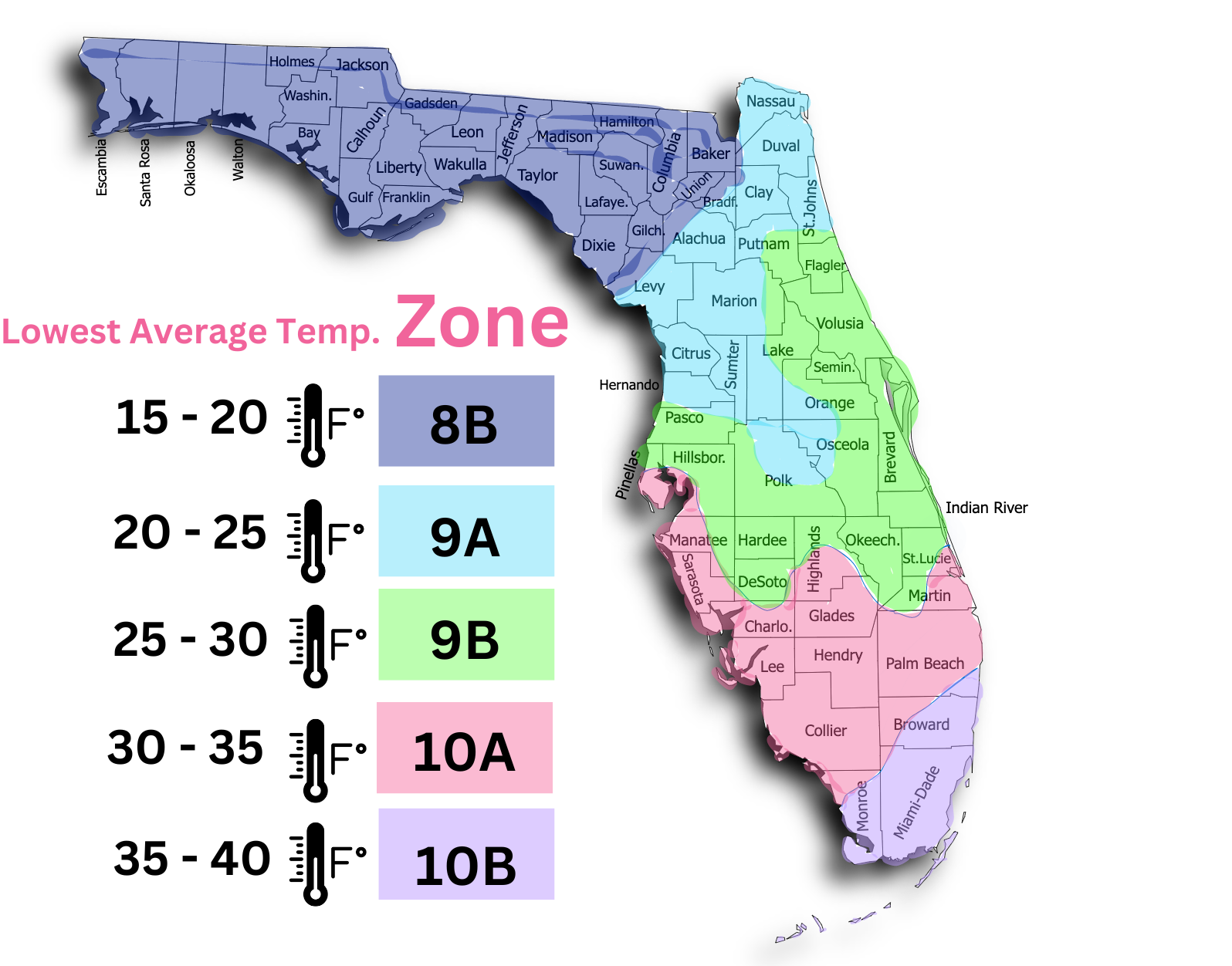
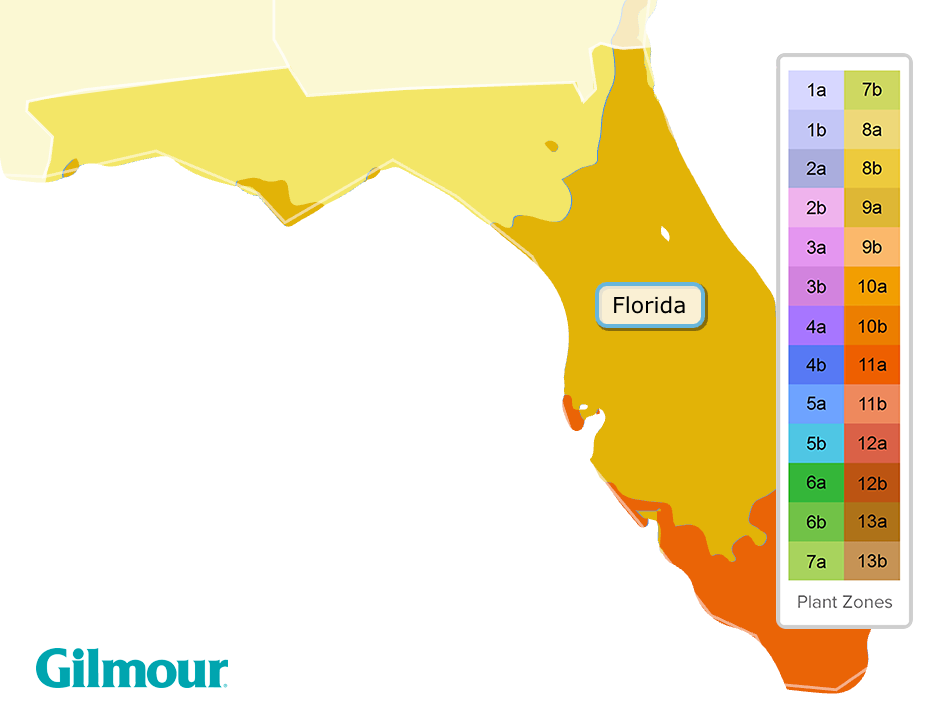
The specific growing zones for Central Florida can vary slightly depending on the exact location within the region, but it predominantly falls within USDA Hardiness Zones 9a, 9b, and 10a. This range signifies a climate characterized by warm summers, mild winters, and a relatively short frost period.
Zone 9a and 9b: The Dominant Zones
The majority of Central Florida, including popular destinations like Orlando, Tampa, and Winter Park, resides within Zone 9a and 9b.
- Zone 9a experiences average annual extreme minimum winter temperatures ranging from 20°F to 25°F (-6.7°C to -3.9°C).
- Zone 9b is slightly warmer, with average annual extreme minimum winter temperatures ranging from 25°F to 30°F (-3.9°C to -1.1°C).
These zones are ideal for a vast array of plants, from tropical and subtropical species to many temperate favorites. The limited number of freezing nights means that many plants that would typically be considered annuals in colder climates can often overwinter and become perennials in Central Florida. This opens up a world of horticultural possibilities, allowing for lush, year-round greenery and vibrant blooms. For instance, citrus trees, a hallmark of Florida agriculture, thrive in these zones, as do many varieties of flowering shrubs, palms, and ornamental grasses.
Zone 10a: The Warmer Pockets
Certain coastal areas and more southerly parts of Central Florida may extend into Zone 10a.
- Zone 10a has average annual extreme minimum winter temperatures ranging from 30°F to 35°F (-1.1°C to 1.7°C).
In these warmer pockets, the growing season is even longer, and the risk of frost is significantly reduced. This allows for the cultivation of even more sensitive tropical plants, such as orchids, bougainvillea, and certain types of ferns and palms that might struggle in the slightly cooler Zone 9. The absence of harsh winters means that the gardening calendar in Zone 10a is less about survival and more about continuous growth, flowering, and fruiting.
Implications for Gardening and Agriculture
Understanding these growing zones has profound implications for anyone involved in planting and cultivating in Central Florida.
What You Can Grow
The mild winters of Central Florida are a gardener’s dream. Here’s a glimpse of what thrives in Zones 9a, 9b, and 10a:
- Citrus Fruits: Florida oranges, grapefruits, lemons, and limes are famously grown in these zones. The warm climate provides the ideal conditions for these sun-loving fruits.
- Flowering Plants: A spectacular array of flowers flourishes. Think of vibrant hibiscus, cheerful marigolds, fragrant jasmine, colorful petunias, and elegant orchids. Many roses also do exceptionally well, often blooming for extended periods.
- Vegetables: Popular vegetables like tomatoes, peppers, beans, cucumbers, and squash thrive in the warm season. Many cool-season crops, such as lettuce, spinach, and broccoli, can be grown during the milder winter months, effectively extending the harvest season.
- Ornamental Plants: Palms, ferns, azaleas, gardenias, and a wide variety of tropical foliage plants are staples in Central Florida landscapes. These contribute to the lush, verdant appearance that the region is known for.
- Herbs: Many common herbs, including basil, rosemary, thyme, and mint, grow prolifically in Central Florida‘s climate, often becoming perennial in these zones.
What to Consider for Success
While the zones are forgiving, successful gardening in Central Florida still requires attention to detail and an understanding of local microclimates.
Managing the Heat and Humidity
Central Florida experiences hot and humid summers. This can be challenging for some plants and beneficial for others.
- Watering: Consistent watering is crucial during the dry spells and especially during the hot summer months. Drip irrigation or soaker hoses can be efficient for delivering water directly to the root zone, minimizing evaporation.
- Sun Exposure: While many plants love the Florida sun, some can suffer from sunscald or heat stress during the peak of summer. Providing afternoon shade for more sensitive plants can be beneficial. Mulching around plants helps retain soil moisture and keep roots cooler.
- Pest and Disease Control: The warm, humid climate can also be conducive to certain pests and fungal diseases. Choosing disease-resistant varieties, ensuring good air circulation, and practicing vigilant monitoring are key to managing these issues.
Understanding Frost and Cold Snaps
While generally mild, Central Florida does experience occasional frost. The average frost dates can vary, but typically the first frost might occur in late November or December, and the last frost in late January or February.
- Protecting Sensitive Plants: For plants that are at the edge of their hardiness range, or for particularly tender tropicals, protective measures are sometimes necessary. This can include covering plants with frost cloths, blankets, or even bringing potted plants indoors or to a sheltered location.
- Choosing the Right Plants: The most effective strategy is to select plants that are well-suited to Zones 9a, 9b, or 10a. Consulting local nurseries or extension offices for recommendations specific to Central Florida can save a lot of guesswork and disappointment.
Soil Conditions
Florida soils can vary, but many areas in Central Florida have sandy, well-draining soil that is slightly acidic. This can be excellent for many plants, but some may require amendments to improve water retention or nutrient content.
- Composting: Incorporating organic matter like compost is highly recommended. It improves soil structure, increases water-holding capacity, and provides essential nutrients, creating a healthier environment for plant roots.
- pH Adjustment: While many native Florida plants prefer acidic soil, some introduced species might benefit from pH adjustments. Testing your soil and amending it as needed is a good practice.
Experiencing Central Florida’s Green Spaces and Lifestyle
Beyond the practicalities of gardening, the growing zones of Central Florida contribute significantly to the region’s appeal as a travel destination and a place to live. The lush landscapes provide a stunning backdrop for numerous attractions and activities.
Nature and Outdoor Pursuits
The mild climate and rich biodiversity make Central Florida a paradise for nature lovers.
- Theme Parks and Gardens: Iconic destinations like Walt Disney World Resort and Universal Orlando Resort are not just about thrilling rides; they also boast meticulously maintained gardens showcasing the region’s flora. Many of these gardens are designed to thrive within the local growing zones, offering visitors a glimpse into Central Florida‘s botanical beauty.
- State Parks and Natural Areas: Central Florida is dotted with beautiful state parks, springs, and natural reserves. Parks like Wekiwa Springs State Park and Blue Spring State Park offer opportunities for swimming, kayaking, hiking, and wildlife viewing. The diverse plant life supported by the growing zones contributes to the unique ecosystems found within these protected areas.
- Botanical Gardens: For a more focused horticultural experience, Harry P. Leu Gardens in Orlando is a must-visit. This expansive botanical garden features a remarkable collection of plants that flourish in Central Florida‘s climate, offering inspiration and education to gardeners and visitors alike.
Travel and Accommodation Considerations
When planning a trip to Central Florida, understanding its growing zones can subtly enhance your experience.
- Seasonal Blooms: Knowing the growing zones helps in appreciating the seasonal blooms. Spring might bring a riot of azaleas and flowering trees, while summer is characterized by the vibrant colors of hibiscus and tropical blooms. Fall offers a different palette with some plants producing their best colors.
- Accommodation Choices: Many resorts and hotels in Central Florida, such as the Grand Bohemian Hotel Orlando or The Ritz-Carlton Orlando, Grande Lakes, feature extensive grounds and gardens that are carefully cultivated to take advantage of the climate. The lush landscaping surrounding these properties contributes to their luxurious ambiance. Whether you’re looking for a family-friendly resort, a romantic getaway, or a quiet villa, the verdant surroundings are a significant part of the appeal.
- Culinary Experiences: The abundance of locally grown produce, from citrus fruits to vegetables and herbs, influences the vibrant culinary scene in Central Florida. Dining at local restaurants often means savoring fresh, seasonal ingredients that have thrived thanks to the favorable growing conditions.
Lifestyle and Year-Round Appeal
The growing zones of Central Florida are a significant factor in its desirable lifestyle.
- Outdoor Living: The ability to enjoy outdoor activities year-round is a major draw. Whether it’s dining al fresco, playing golf on one of the region’s many courses, or simply relaxing in a garden, the climate facilitated by these growing zones makes it all possible.
- Horticultural Hobbies: For residents, the favorable climate provides an extended opportunity to pursue gardening as a hobby. This allows for a diverse range of plants to be grown, creating beautiful and productive home gardens. From growing your own vegetables to cultivating exotic flowers, the possibilities are vast.
- Real Estate: The lush greenery and the ability to maintain vibrant gardens are often factored into the appeal of real estate in Central Florida. Properties with well-established landscapes or ample space for gardening are highly sought after.
In conclusion, the Central Florida growing zones, primarily USDA Zones 9a, 9b, and extending into 10a, are the secret sauce behind the region’s verdant landscapes, abundant flora, and appealing climate. For gardeners, it’s a permission slip to dream big and plant widely. For travelers, it’s the promise of lush beauty and year-round outdoor enjoyment. For residents, it’s the foundation of a lifestyle deeply connected to nature’s bounty, allowing for the cultivation of both plants and a fulfilling way of life.