
Understanding the USDA Plant Hardiness Zone for Denver, Colorado is crucial for anyone looking to cultivate a thriving garden in this high-altitude city. Plant hardiness zones, established by the U.S. Department of Agriculture, are geographical areas that represent the average annual extreme minimum winter temperatures. This information directly influences which plants are likely to survive and flourish throughout the year. For Denver, a city known for its distinct climate, this understanding is not just helpful, but essential for successful gardening.
Denver’s location on the edge of the Rocky Mountains, coupled with its elevation, creates a unique microclimate that can be challenging for many plants. The fluctuating temperatures, intense sunlight, and unpredictable weather patterns all play a role. By identifying Denver’s specific growing zone, gardeners can make informed decisions about plant selection, planting times, and landscape design, ultimately leading to more resilient and beautiful green spaces. This knowledge empowers residents to choose flora that can withstand the local conditions, from the scorching summer sun to the biting winter winds, ensuring a vibrant and sustainable garden year after year.
Understanding Denver’s Growing Climate
Denver, Colorado’s climate is a complex interplay of factors that significantly impact its growing conditions. Its position in the semi-arid interior of North America, at an elevation of approximately 5,280 feet above sea level, dictates many of its horticultural challenges and advantages. The city experiences a wide diurnal temperature range, meaning there can be a significant difference between daytime highs and nighttime lows, even within the same 24-hour period. This is a hallmark of high-altitude environments and requires careful consideration when selecting plants.
The area receives abundant sunshine throughout the year, which is beneficial for photosynthesis but can also lead to rapid drying of soils and increased stress on plants during warmer months. Precipitation patterns in Denver, Colorado are also noteworthy. While summer thunderstorms can bring brief but intense rainfall, extended dry spells are common, particularly during the late spring and summer. Winter snowfall is often substantial, providing a protective blanket for dormant perennials, but freeze-thaw cycles can also be a concern for plant roots.
The USDA Plant Hardiness Zone System Explained
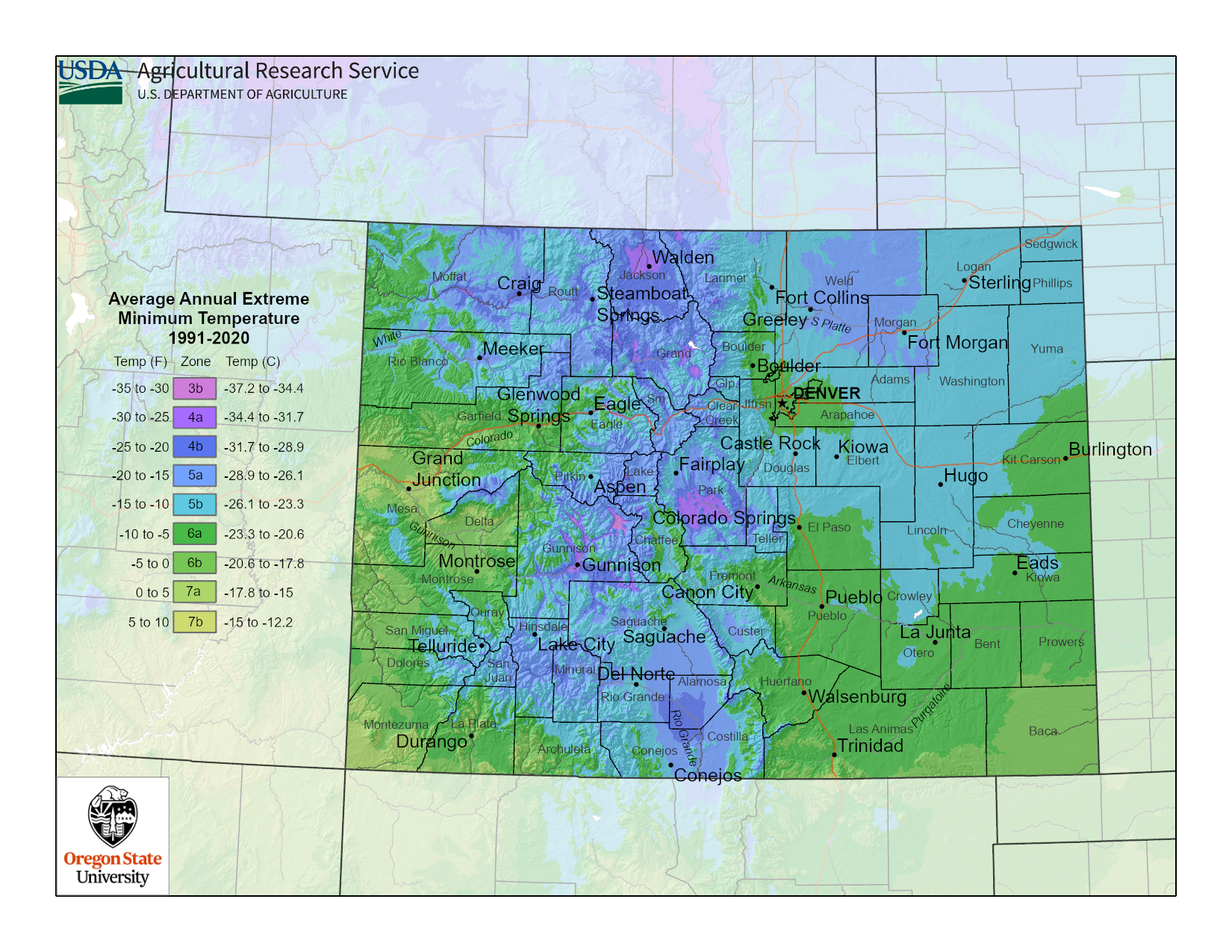
The USDA Plant Hardiness Zone map divides North America into 13 zones, with Zone 1 being the coldest and Zone 13 being the warmest. Each zone is further divided into ‘a’ and ‘b’ subzones, representing a 5-degree Fahrenheit difference in average annual extreme minimum temperature. For example, Zone 5a has an average annual extreme minimum temperature of -20°F to -15°F, while Zone 5b ranges from -15°F to -10°F. This system is the most widely used by gardeners and horticulturists to determine which perennial plants are most likely to survive the winter in a particular location.
The zones are based on average annual minimum temperatures, not the lowest temperature ever recorded. This means a single severe cold snap won’t necessarily render a zone incapable of supporting a plant designated for it. Instead, it relies on historical data to predict long-term survivability. Understanding this distinction is key to interpreting the zone information accurately and applying it effectively to gardening practices. The USDA periodically updates the hardiness zone map to reflect changes in climate data, so it’s always a good idea to consult the most recent version.
Denver’s Specific Growing Zone Classification
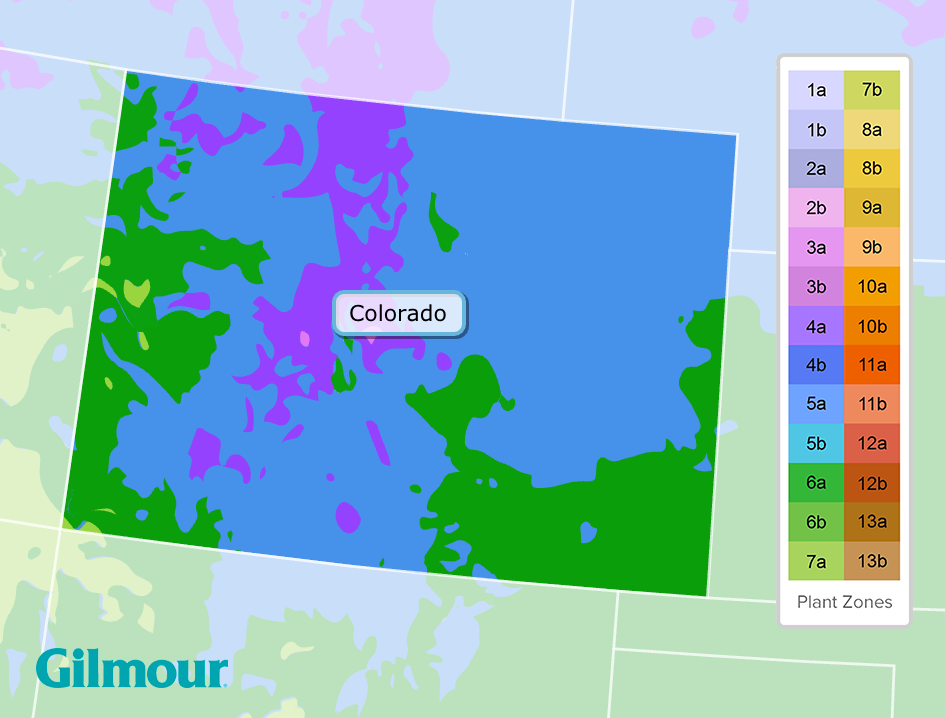
Denver, Colorado primarily falls within USDA Plant Hardiness Zone 5b. This classification indicates that the average annual extreme minimum winter temperature in the city ranges from -15°F to -10°F. Zone 5b is considered a moderately cold zone, presenting a specific set of challenges and opportunities for gardeners. Plants rated for Zone 5b, or colder zones, are generally well-suited to Denver’s winter climate. Conversely, plants rated for warmer zones (Zone 6 and above) may struggle to survive the winter unless provided with significant protection or grown in exceptionally sheltered microclimates.
While Zone 5b is the predominant classification, it’s important to acknowledge that microclimates within Denver, Colorado can lead to slight variations. Areas closer to the foothills, for instance, might experience slightly colder temperatures due to elevation and exposure, potentially pushing them towards Zone 5a. Conversely, urban heat island effects in more developed areas might offer a few degrees of protection, bringing some pockets closer to Zone 6a. However, for most general gardening purposes and plant selection guides, Zone 5b serves as the most accurate and reliable benchmark.
Implications for Plant Selection in Denver
Knowing that Denver, Colorado is predominantly in Zone 5b has direct and significant implications for what can be successfully grown in gardens across the city. This knowledge is the cornerstone of effective plant selection, preventing the disappointment and wasted effort of attempting to cultivate species that are ill-equipped to handle the local winter extremes. The goal is to choose plants that are not only beautiful but also resilient, capable of enduring the harsh winter months and returning vibrant and healthy in the spring.
The variety of plants that can thrive in Zone 5b is still extensive, encompassing many hardy perennials, shrubs, and trees. However, careful consideration must be given to their specific needs beyond just cold hardiness, such as their tolerance to dry conditions, intense sunlight, and alkaline soils, which are also characteristic of the Denver region. A well-chosen plant palette will celebrate these local conditions rather than struggle against them, leading to a more sustainable and lower-maintenance garden.
Hardy Perennials for Zone 5b
Perennials are the backbone of many gardens, providing color and texture year after year. For Denver, Colorado’s Zone 5b, selecting perennials rated for this zone or colder is paramount. Many popular and beautiful options will thrive here, offering a wide array of blooms and foliage. Examples include a variety of coneflowers (Echinacea), daylilies (Hemerocallis), hostas (Hosta), peonies (Paeonia), and salvia (Salvia). These are generally tough plants that can withstand the cold and often appreciate the dry conditions once established.
Additionally, native and well-adapted species often perform exceptionally well. Consider plants like Colorado blue spruce (Picea pungens ‘Glauca’), Rocky Mountain penstemon (Penstemon strictus), and yarrow (Achillea millefolium). These species have evolved to cope with the specific environmental conditions of the Intermountain West, making them natural choices for Denver gardens. When choosing perennials, always check the plant tag or description for its hardiness zone rating and consider its water needs and sun exposure preferences to match them to your garden’s specific conditions.
Shrubs and Trees That Withstand Denver’s Winters
Beyond perennials, the selection of shrubs and trees is critical for providing structure, shade, and long-term beauty to any landscape in Denver, Colorado. Many deciduous shrubs and trees rated for Zone 5b will offer reliable performance. Examples include lilacs (Syringa), potentilla (Potentilla fruticosa), Siberian elm (Ulmus pumila), and caragana (Caragana arborescens). These are known for their resilience and ability to tolerate cold temperatures and dry spells.
For evergreen options, consider species like arborvitae (Thuja), particularly cold-hardy cultivars, and certain varieties of juniper (Juniperus) and pine (Pinus). However, evergreens in Denver can be susceptible to winter desiccation, where dry winter winds draw moisture from their needles, leading to browning. Providing adequate watering in the fall before the ground freezes and considering windbreaks can help mitigate this issue. When selecting trees, also think about their mature size, drought tolerance, and any potential for invasive root systems that could impact nearby infrastructure.
Gardening Tips Tailored for Denver’s Growing Zone
Successfully gardening in Denver, Colorado’s Zone 5b requires more than just selecting the right plants; it also involves adapting gardening practices to suit the local climate. The combination of high altitude, intense sun, dry air, and temperature fluctuations presents unique challenges that can be overcome with informed strategies. By understanding these nuances, gardeners can create flourishing landscapes that are both beautiful and sustainable, minimizing water usage and maximizing plant health.
This section will delve into specific tips that address the realities of Denver’s growing season, from preparing the soil to protecting plants during harsh weather. These recommendations are designed to empower gardeners of all levels to achieve greater success, fostering a deeper connection with their local environment and enjoying the fruits of their labor.
Soil Preparation and Amendment
Denver, Colorado’s soils are often characterized by their alkalinity and can be heavy in clay content. This can impact nutrient availability and drainage. To improve soil health for better plant growth, incorporating organic matter is highly recommended. Compost, well-rotted manure, and other organic amendments can help break up heavy clay, improve drainage, and increase the soil’s ability to retain moisture. This is particularly important in a climate prone to dry spells.
When planting, especially trees and shrubs, amending the backfill soil with compost is beneficial. Avoid adding large amounts of sand, as this can create a concrete-like mixture with clay. Instead, focus on enriching the soil with organic materials that mimic a natural woodland floor. For acid-loving plants that might struggle in Denver’s alkaline conditions, consider planting them in raised beds filled with a more suitable soil mix or in containers where the soil can be controlled. Regular soil testing can also provide valuable insights into pH levels and nutrient deficiencies, guiding your amendment strategy.
Watering and Mulching Strategies
Water conservation is a critical aspect of gardening in the semi-arid climate of Denver, Colorado. Employing efficient watering techniques is essential for plant health and responsible water usage. Drip irrigation systems and soaker hoses deliver water directly to the root zone, minimizing evaporation and runoff, which is particularly effective during hot, sunny days. Watering deeply and less frequently encourages plants to develop deeper root systems, making them more drought-tolerant.
Mulching is another highly effective strategy. Applying a 2- to 4-inch layer of organic mulch, such as wood chips, shredded bark, or straw, around plants helps retain soil moisture, suppress weeds, and regulate soil temperature. This is especially beneficial during extreme temperature fluctuations common in Zone 5b. Mulch also gradually decomposes, adding nutrients to the soil. Ensure mulch is kept a few inches away from the base of tree trunks and shrub stems to prevent rot and pest issues.
Protecting Plants from Frost and Winter Damage
Given that Denver, Colorado is in Zone 5b, protecting plants from frost, especially during the shoulder seasons, is often necessary. Spring frosts can damage newly emerged growth, and early fall frosts can harm tender plants before they have a chance to harden off. Covering vulnerable plants with frost cloths, blankets, or even buckets overnight can provide sufficient protection.
Winter damage can manifest in several ways, including freeze-thaw cycles that heave plants out of the ground, desiccation of evergreens from cold, dry winds, and physical damage from heavy snow. For newly planted trees and shrubs, consider wrapping their trunks with tree wrap to protect against sunscald and rodent damage. In particularly harsh winters, some gardeners opt to protect sensitive perennials with a thick layer of mulch after the ground has frozen, providing insulation. Understanding the specific vulnerabilities of your chosen plants will help you implement the most effective protective measures.
Embracing Denver’s Unique Gardening Opportunities
While Denver, Colorado’s Zone 5b classification might suggest limitations, it also presents a unique set of opportunities for creating a distinctive and resilient garden. The challenging climate has fostered a wealth of well-adapted plants and innovative gardening techniques that celebrate the local environment rather than fighting against it. Embracing these conditions allows for the creation of landscapes that are not only beautiful but also ecologically sound and remarkably low-maintenance once established.
The success of gardening in Denver is about working with nature, understanding its rhythms, and selecting species that are inherently suited to its demands. This approach leads to gardens that are not only visually appealing but also contribute positively to the local ecosystem, attracting pollinators and providing habitat for beneficial insects.
Choosing Native and Drought-Tolerant Species
A cornerstone of successful gardening in Denver, Colorado is the embrace of native and drought-tolerant species. These plants are genetically predisposed to thrive in the region’s conditions, requiring less supplemental watering, fertilizer, and pest control. Native plants, in particular, offer immense ecological benefits, providing food and shelter for local wildlife, including birds and beneficial insects like the Monarch butterfly.
Examples of excellent native and drought-tolerant choices include ponderosa pine (Pinus ponderosa), cliff rose (Fallugia paradoxa), prickly pear cactus (Opuntia), and various wildflowers like lupine (Lupinus) and indian paintbrush (Castilleja). Many ornamental grasses, such as blue grama (Bouteloua gracilis) and switchgrass (Panicum virgatum), also perform exceptionally well, adding texture and movement to the landscape. These plants are not only hardy but also contribute to the authentic beauty of the Rocky Mountain region.
Designing for a High-Altitude, Semi-Arid Climate
When designing a garden in Denver, Colorado, consider the principles of xeriscaping, a landscaping approach focused on water conservation. This involves grouping plants with similar water needs together, using permeable hardscaping materials, and incorporating features like rain gardens that capture and infiltrate stormwater runoff. Strategic placement of trees and shrubs can also provide shade, reducing the need for artificial cooling in homes and creating more comfortable outdoor living spaces.
Consider the intense sunlight and potential for wind. Planting windbreaks with hardy shrubs or trees can protect more delicate plants and reduce desiccation. Utilizing raised beds can also improve drainage and allow for better control over soil composition, particularly important if you wish to grow plants that prefer slightly different conditions than native Denver soils provide. The goal is to create a landscape that is both functional and aesthetically pleasing, a true reflection of the Colorado environment.

Extending the Growing Season
While Denver’s Zone 5b classification highlights its cold winters, there are ways to extend the growing season and enjoy fresh produce and blooms for longer. Cold frames and hoop houses can protect plants from early frosts in spring and late frosts in fall, allowing for earlier planting and later harvesting. These structures create a microclimate that is several degrees warmer than the ambient temperature.
Succession planting, where you sow new seeds or transplant seedlings every few weeks, can ensure a continuous harvest of cool-season crops like lettuce, spinach, and radishes. For a more significant extension, consider a greenhouse, which offers the most control over temperature and humidity, allowing for year-round cultivation of certain plants. By thoughtfully planning and utilizing season-extending techniques, gardeners in Denver, Colorado can maximize their gardening efforts and enjoy a bountiful harvest throughout much of the year.
LifeOutOfTheBox is a participant in the Amazon Services LLC Associates Program, an affiliate advertising program designed to provide a means for sites to earn advertising fees by advertising and linking to Amazon.com. Amazon, the Amazon logo, AmazonSupply, and the AmazonSupply logo are trademarks of Amazon.com, Inc. or its affiliates. As an Amazon Associate we earn affiliate commissions from qualifying purchases.