
New York, a state renowned for its bustling metropolises and serene natural landscapes, also presents a fascinating diversity when it comes to its climate. For those with a green thumb, gardeners, urban farmers, or even travelers planning a visit around seasonal blooms, understanding New York’s growing zones is paramount. These zones, scientifically determined by the United States Department of Agriculture (USDA), provide a crucial indicator of a region’s average minimum winter temperature. This knowledge not only guides horticultural practices but also influences the types of plants that can thrive throughout the state, from the manicured gardens of Long Island to the wild beauty of the Adirondack Mountains.
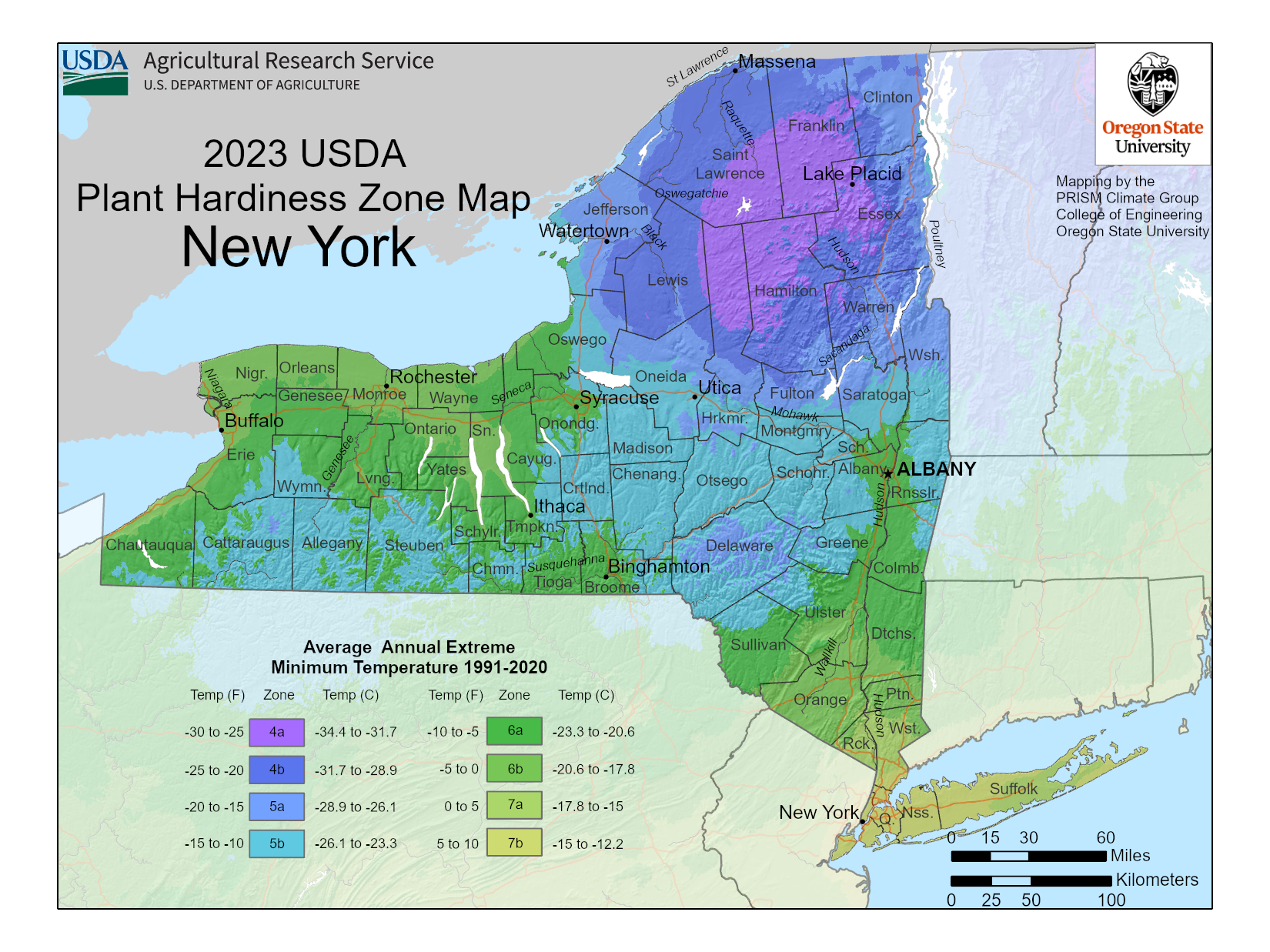
The USDA Plant Hardiness Zone Map is the definitive guide for gardeners across the United States, Canada, and Mexico. It divides these countries into 13 zones, each representing a 10°F difference in average annual minimum winter temperature. Zone 1 represents the coldest regions, while Zone 13 signifies the warmest. By identifying which zone a particular area falls into, gardeners can make informed decisions about which perennial plants will reliably survive the winter and return the following year. This is particularly relevant for New York, a state that stretches across a considerable north-south and east-west expanse, experiencing a wide spectrum of winter conditions.
Unpacking New York’s Diverse Growing Zones
New York’s geographical diversity directly translates into a fascinating array of USDA Growing Zones. While the state is broadly characterized by its continental climate, variations in latitude, proximity to large bodies of water, and elevation create distinct microclimates. This means that a garden in New York City might support different flora than one in the northern reaches of the Adirondacks. Understanding these nuances is the first step to appreciating the horticultural potential of the Empire State.
The Coastal Influence: Long Island and New York City
The southeastern tip of New York, encompassing Long Island and the boroughs of New York City, generally experiences milder winters compared to the rest of the state. This is largely due to the moderating effect of the Atlantic Ocean. These areas typically fall within USDA Growing Zone 7b and 7a.
Zone 7b: A Haven for Diverse Flora
Zone 7b is characterized by average annual minimum winter temperatures between 5°F and 10°F. This zone offers a relatively long growing season and allows for a wide variety of plants to flourish. In New York City and on Long Island, gardeners can successfully cultivate a diverse range of perennials, shrubs, and even some borderline tropical plants that might struggle in colder climates. This includes species like hydrangeas, roses, many varieties of ornamental grasses, and a surprisingly extensive selection of fruit trees. The urban heat island effect in New York City can further contribute to slightly warmer conditions, sometimes pushing certain pockets into even milder zones. For visitors, this means that during spring and fall, Central Park or the gardens of The Met Cloisters can showcase a vibrant array of plant life.
Zone 7a: A Step Colder, Still Versatile
Just slightly colder than 7b, Zone 7a has average annual minimum winter temperatures ranging from 0°F to 5°F. While the difference might seem small, it can influence the hardiness of certain plants. However, Zone 7a still provides a generous growing environment for a vast selection of temperate climate plants. Many common garden favorites, including a multitude of flowering shrubs, perennial vegetables, and hardy fruit trees, thrive here. The New York Botanical Garden in the Bronx showcases the horticultural possibilities across these zones, with meticulously curated collections that adapt to the local climate.
Moving Inland: The Hudson Valley and Central New York
As one travels westward and northward from the coast, the influence of the Atlantic diminishes, and continental climate patterns become more pronounced. This leads to colder winters and a greater reliance on plants that can withstand more extreme temperatures.
Zone 6b: Transitioning to Colder Winters
The mid-Hudson Valley and parts of Central New York often fall into USDA Growing Zone 6b. This zone experiences average annual minimum winter temperatures between -5°F and 0°F. While still supporting a respectable range of perennial plants, gardeners in Zone 6b need to be more selective with species that require milder conditions. This zone is excellent for robust perennials like peonies, hostas, and many varieties of coneflowers. It also supports the cultivation of apple trees, pears, and a variety of berries. The scenic beauty of the Hudson Valley, with its rolling hills and vineyards, is a testament to the resilience of the plant life adapted to this zone. For travelers, visiting during the fall foliage season, which is spectacular in this region, offers a glimpse into the autumn splendor that Zone 6b can support.
Zone 6a: Embracing the Cold
Further north and inland, Zone 6a emerges, with average annual minimum winter temperatures ranging from -10°F to -5°F. This zone is home to a more hardy set of plants. While many of the favorites from Zone 6b will still survive, the selection leans towards those that are exceptionally frost-tolerant. This is prime territory for many cold-hardy conifers, durable flowering shrubs like potentilla, and a wide array of root vegetables. The agricultural heritage of many parts of Central New York, including regions around cities like Syracuse and Rochester, is built on crops that can withstand these colder winters.
The Northern Frontier: Adirondacks and Upstate
The northernmost regions of New York, including the vast expanse of the Adirondack Mountains and areas bordering Lake Champlain, represent the coldest climates within the state. Here, the plant hardiness zones reflect winters that are significantly more challenging.
Zone 5b: A Cooler Climate for Hardy Plants
Much of the lower Adirondacks and some of the more northerly parts of upstate New York fall into USDA Growing Zone 5b. This zone has average annual minimum winter temperatures between -15°F and -10°F. Gardening here requires careful selection of plants known for their exceptional cold tolerance. Many native wildflowers and robust evergreen species thrive in this zone. The growing season is shorter, making the timing of planting and harvesting crucial. For outdoor enthusiasts, the Adirondack Park offers a stunning natural landscape, showcasing the hardy flora that has adapted to these conditions, from towering pines to resilient alpine plants in higher elevations.
Zone 5a: The Coldest Reaches
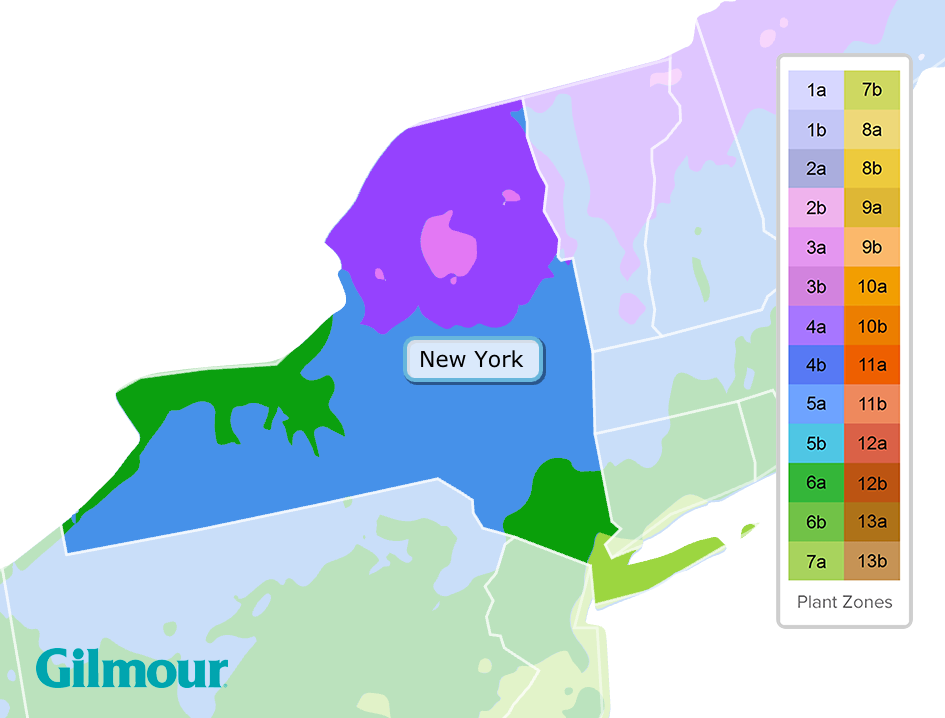
The northernmost and highest elevations of New York, particularly within the Adirondack Mountains, can be classified as Zone 5a. This zone experiences average annual minimum winter temperatures between -20°F and -15°F. Survival in Zone 5a is reserved for the most resilient of plants. Native species are often the most successful, having evolved over millennia to cope with these extreme cold spells. This zone is characterized by short growing seasons and a need for extremely hardy perennial selections. The natural beauty of these regions, while less about cultivated gardens, is a powerful demonstration of nature’s ability to adapt and thrive even in the harshest environments.
Beyond the Zones: Factors Influencing Plant Survival
While USDA Growing Zones provide a fundamental framework, they are not the sole determinant of plant success. Several other factors play a significant role in how well plants perform in New York. Understanding these nuances can help gardeners and travelers better appreciate the horticultural tapestry of the state.
Microclimates and Urban Heat Islands
Even within a single growing zone, microclimates can create significant variations. A sheltered spot against a south-facing wall might be several degrees warmer than an exposed, windswept area, effectively creating a warmer microclimate. Conversely, low-lying areas might be prone to frost pockets. In urban areas like New York City, the “urban heat island” effect, where concrete and buildings absorb and retain heat, can make cities several degrees warmer than surrounding rural areas. This means that a plant struggling in Zone 7a in a rural setting might thrive in an urban park within the same general zone.
Soil Conditions and Drainage
The type of soil and its drainage capabilities are crucial for plant health. Some plants, like those that prefer well-drained soil, will not thrive in areas with heavy, waterlogged clay, regardless of the growing zone. Conversely, plants that tolerate moist conditions might struggle in sandy, fast-draining soils. Understanding and amending the soil is a vital part of successful gardening in any zone.
Sunlight Exposure and Moisture Availability
The amount of sunlight a plant receives – full sun, partial shade, or full shade – is critical for its growth and flowering. Similarly, the availability of moisture, whether from natural rainfall or irrigation, significantly impacts plant survival. A plant might be rated as hardy for its zone, but if it doesn’t receive adequate water or the right amount of sunlight, it will likely fail.
The Role of Specific Plant Varieties
Within each species, there are often numerous cultivars, each with varying degrees of hardiness. A hardy variety of a particular rose might thrive in Zone 6b, while a less hardy cultivar of the same rose might only survive in Zone 7a or warmer. Always look for varieties specifically recommended for your zone or known for their exceptional cold tolerance.
Planning Your Visit and Horticultural Adventures in New York
For travelers interested in the horticultural aspects of New York, understanding the growing zones can enhance your experience. Whether you’re planning a visit to witness spring blooms, summer gardens, or autumn foliage, knowing the zones can help you anticipate what you might see.
Springtime Splendor: Blooms Across the Zones
In the warmer zones of Long Island and New York City (Zone 7a/7b), spring arrives earlier. By early to mid-April, magnolias, daffodils, and tulips can be in full bloom. As you move inland and northward into Zones 6a/6b and 5a/5b, spring’s arrival is delayed, with flowering typically occurring a few weeks later. Visiting the Brooklyn Botanic Garden in New York City in April offers a spectacular display, while a visit to a more rural estate garden in the Hudson Valley in May might be more appropriate for similar floral displays.
Summer’s Bounty: Lush Gardens and Urban Oases
Summers in New York are generally warm and humid across all zones, supporting vibrant growth. By summer, gardens in all zones will be in full swing. The New York Botanical Garden is a must-visit during the summer months, showcasing a vast array of plant collections. For those interested in agricultural tourism, visiting farms in Central New York or the Finger Lakes region during the summer provides an opportunity to see crops in their prime and often enjoy local produce.
Autumn’s Fiery Spectacle: Fall Colors
The legendary fall foliage of New York is a direct consequence of the changing temperatures and light levels, influenced by the growing zones. While the exact timing varies, the peak of fall color typically occurs earlier in the northern and higher elevation zones (Zones 5a/5b) and progresses southward into the warmer coastal regions (Zone 7a/7b) a few weeks later. This offers a prolonged season for leaf-peeping across the state, making New York a prime destination for autumn travel, with popular spots like the Adirondacks and the Catskills offering unparalleled displays.

Winter’s Rest: Hardy Plants and Landscape Design
Even in winter, the growing zones play a role. While most perennial plants are dormant, the selection of evergreen trees and shrubs that survive the harsh winters is directly tied to their hardiness in their respective zones. Many New York landscapes are designed with winter interest in mind, featuring evergreens, ornamental grasses that hold their form, and trees with striking bark. For travelers visiting during the winter, the skeletal beauty of deciduous trees and the resilience of evergreens offer a different, yet equally captivating, perspective on the state’s natural environment.
In conclusion, understanding New York’s growing zones is not just for the dedicated gardener. It’s a window into the state’s diverse climate, its agricultural heritage, and the natural beauty that thrives across its varied landscapes. From the urban oases of New York City to the majestic peaks of the Adirondacks, each zone tells a story of adaptation and resilience, offering a unique horticultural experience for all who explore the Empire State.