
Seattle, often affectionately known as the “Emerald City,” earns its moniker not just from its lush landscapes and abundant rainfall, but also from its remarkable capacity to support an incredible diversity of plant life. For avid gardeners, nature enthusiasts, or even curious travelers planning a trip, understanding Seattle’s specific growing zone is key to unlocking the secrets of its vibrant greenery. This understanding provides insight into the region’s climate, informing everything from what flowers bloom in its celebrated gardens to the types of produce found in its bustling farmers’ markets, ultimately shaping the unique travel and lifestyle experiences the city offers.
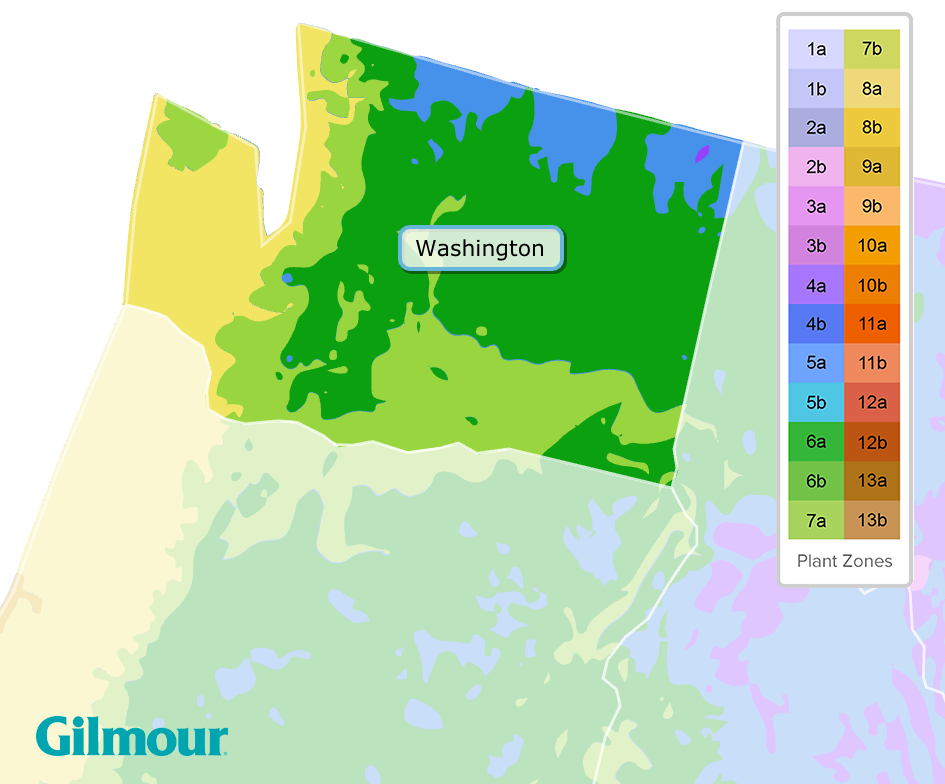
The concept of a “growing zone” or “hardiness zone” is a standardized system developed by the United States Department of Agriculture (USDA) to help gardeners and horticulturalists determine which plants are most likely to survive the winter temperatures in a specific location. By categorizing regions based on their average annual minimum winter temperature, these zones offer invaluable guidance for successful cultivation. For a city like Seattle, nestled in the Pacific Northwest, its hardiness zone speaks volumes about its mild, temperate climate, making it a particularly fertile ground for a wide array of botanical wonders and an enticing destination for those seeking natural beauty.
Unpacking Seattle’s USDA Hardiness Zone
To truly appreciate Seattle’s verdant appeal, one must first grasp the specifics of its climate as categorized by the USDA system. This classification is far more than just a number; it’s a window into the horticultural potential and natural resilience of the region. Understanding the details of Seattle’s growing zone reveals why certain plants flourish here, contributing to the city’s distinctive aesthetic and its allure as a destination for nature lovers.
Defining the USDA Hardiness Zone System
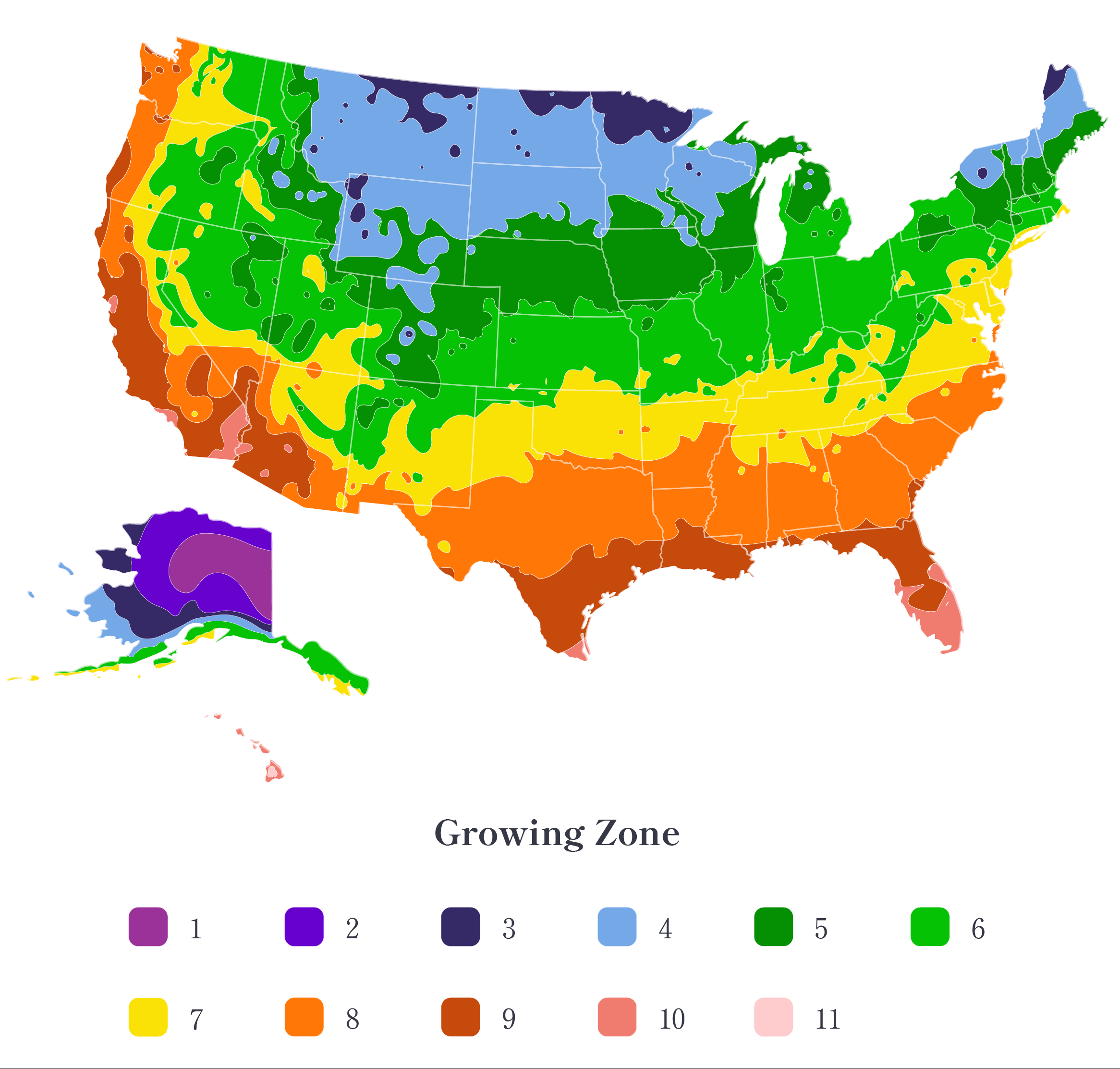
The United States Department of Agriculture (USDA) Hardiness Zone Map is the standard by which gardeners and growers determine which plants are most likely to thrive in a particular location. It divides North America into 13 distinct zones, each representing a 10-degree Fahrenheit range of average annual minimum winter temperature. Each of these zones is further divided into ‘a’ and ‘b’ subzones, representing a 5-degree Fahrenheit difference. For instance, Zone 8 ranges from 10°F to 20°F, with 8a being 10°F to 15°F and 8b being 15°F to 20°F. This system is crucial because a plant’s ability to survive the lowest winter temperatures is a primary factor in its perennial success. While it doesn’t account for other important climatic factors like rainfall, humidity, or soil type, it provides a foundational understanding of which plants can endure the cold season, thereby guiding everything from landscape design to commercial agriculture. The latest version of the map, updated in 2023, incorporates more recent temperature data, offering even more precise guidance for regions across the continent.
Seattle’s Specific Zone: 8b/9a
For many years, Seattle was predominantly classified as USDA Hardiness Zone 8b. This meant that the average annual minimum winter temperatures typically ranged from 15°F to 20°F (-9.4°C to -6.7°C). However, with observed climate shifts and the most recent USDA map update in 2023, many areas within the city, particularly closer to Puget Sound and the urban core, have shifted or been recognized as Zone 9a. Zone 9a indicates an average annual minimum winter temperature range of 20°F to 25°F (-6.7°C to -3.9°C). This upward shift reflects a trend of milder winters, which significantly expands the range of plants that can successfully overwinter outdoors. This change is exciting for gardeners, as it allows for the cultivation of a broader variety of plants that might have previously struggled, including more tender evergreens, certain citrus varieties, and a wider array of subtropical species. The 8b/9a designation highlights a dynamic climate that is increasingly favorable for diverse horticultural pursuits, reinforcing Seattle’s reputation as a green haven.
Microclimates and Local Variations
While Seattle’s overarching hardiness zone provides a general guideline, the city is a tapestry of microclimates, where local geographic features significantly influence temperature and growing conditions. The proximity to the moderating waters of Puget Sound is a primary factor, helping to buffer extreme cold and keep temperatures milder along the waterfront compared to inland areas. Hills and valleys create pockets where cold air can settle or be protected, leading to variations even within short distances. For example, a garden on a south-facing slope might experience warmer conditions than one in a shaded, north-facing area. Urban heat islands, caused by concrete and buildings absorbing and radiating heat, also contribute to warmer temperatures in downtown areas. These microclimates allow for surprisingly diverse planting possibilities. A gardener in a sheltered urban courtyard might successfully grow plants typically associated with a warmer zone, while another just a few miles away in a more exposed suburban location might need to stick to the hardier end of the spectrum. Understanding these localized nuances is crucial for both residents and visitors exploring the city’s myriad green spaces, showcasing the intricate relationship between nature and urban development.
A Gardener’s Paradise: Thriving Flora in the Emerald City
Seattle’s temperate climate, characterized by mild, wet winters and warm, relatively dry summers, creates an ideal environment for an astonishing array of plant life. This unique growing zone transforms the city into a veritable gardener’s paradise, where lush greenery and vibrant blooms are a year-round spectacle. For those interested in tourism and experiences that connect with nature, Seattle’s flora is a major draw, influencing its landmarks, its local culture, and even its culinary scene.
What Grows Best in Seattle’s Climate
The 8b/9a hardiness zone is a blessing for a vast range of plant species. The city is famous for its evergreen splendor, particularly the majestic conifers that define the Pacific Northwest landscape. Beyond the native firs and cedars, Seattle is a haven for acid-loving plants such as rhododendrons and azaleas, which burst into spectacular color in spring. Camellias, pieris, and daphne also thrive, offering fragrant blooms and evergreen foliage throughout the year. The moderate temperatures and consistent moisture, especially outside of the summer months, are perfect for a diverse collection of ferns, creating verdant understories in parks and gardens. For edible gardening, the zone allows for a bountiful harvest of berries (blueberries, raspberries, strawberries), various leafy greens, root vegetables, and a wide selection of fruit trees like apples, pears, and plums. The extended growing season also supports a vibrant local food movement, with many residents cultivating their own produce and supporting regional farms. Even more tender plants, like certain palms, agaves, and citrus varieties, can now be found in sheltered spots, a testament to the warming trend.
Iconic Gardens and Green Spaces
Seattle’s commitment to green spaces is evident in its numerous world-class gardens and parks, many of which serve as popular attractions. The Washington Park Arboretum, a sprawling 230-acre urban oasis, is a living museum of woody plants from around the world, boasting impressive collections of oaks, maples, and, of course, a magnificent rhododendron glen. Within the arboretum lies the tranquil Seattle Japanese Garden, a meticulously crafted landscape offering serene beauty and a peaceful escape. The Kubota Garden in South Seattle is another jewel, a 20-acre masterpiece blending Japanese garden principles with Pacific Northwest aesthetics, featuring waterfalls, ponds, and intricate rock formations. For a taste of the exotic, the Volunteer Park Conservatory houses a stunning collection of tropical and subtropical plants under its historic glass dome. Even the iconic Pike Place Market, while famous for its fish toss, is equally renowned for its incredible floral displays and vibrant local produce, showcasing the bounty of the region’s fertile lands. These spaces are not just beautiful landmarks; they are active centers for horticultural education and community engagement, offering visitors a deep dive into Seattle’s green heart.
Sustainable Living and Local Food Culture
Seattle’s favorable growing zone profoundly influences its vibrant culture of sustainable living and its celebrated local food scene. The abundance of fresh, locally grown produce is a cornerstone of the city’s identity, driving its farm-to-table restaurant movement and supporting numerous bustling farmers’ markets throughout the week. These markets, like those at University District, Ballard, and Capitol Hill, are not just places to buy groceries; they are community hubs where residents and tourists can connect directly with local farmers and artisans, sampling seasonal fruits, vegetables, and handcrafted goods. The ability to grow such a wide variety of crops locally reduces the carbon footprint associated with food transportation and ensures unparalleled freshness. This dedication to local sourcing extends to many Seattle restaurants, which proudly highlight ingredients from regional farms, fisheries, and foragers on their menus. Beyond commercial endeavors, community gardens flourish across the city, providing urban dwellers with space to grow their own food, fostering a strong sense of community and promoting self-sufficiency. This ethos of sustainability and local appreciation is deeply woven into the lifestyle of Seattle residents, making it an inspiring model for green living.
Planning Your Green Getaway: Travel and Accommodation Insights
For travelers drawn to the allure of natural beauty and lush landscapes, Seattle’s growing zone opens up a world of unique travel and accommodation possibilities. Whether you’re planning a trip focused on botanical exploration, outdoor adventures, or simply seeking a tranquil escape surrounded by greenery, Seattle’s climate and horticultural richness can shape an unforgettable itinerary.
Experiencing Seattle’s Natural Beauty as a Tourist
A trip to Seattle offers a multitude of ways to immerse oneself in its natural splendor. The best times to visit for garden tours are typically spring (April to June), when rhododendrons, azaleas, and cherry blossoms are in full bloom, and summer (July to September), when perennials are at their peak and the weather is generally sunny and warm. Beyond formal gardens, visitors can explore the extensive trail networks in urban parks like Discovery Park, offering stunning views of Puget Sound, the Olympic Mountains, and lush forest ecosystems. Kayaking on Lake Union or Lake Washington provides a unique water-level perspective of the city’s green shoreline and floating homes. Unique tours focusing on Seattle’s flora include guided walks through the arboretum, specialized foraging tours, or even self-guided exploration of residential neighborhoods known for their exceptional private gardens. For a truly immersive experience, consider visiting during a local garden festival or plant sale, often held in spring and early summer, to witness the community’s passion for horticulture firsthand.
Hotels and Stays with a Green Touch
Seattle’s affinity for nature extends to its hospitality sector, offering a range of hotels and accommodation options that embrace green design and stunning natural backdrops. Many upscale hotels feature beautifully landscaped courtyards, impressive lobby floral arrangements, or even green roofs that contribute to the city’s ecological efforts. For example, a luxury hotel like the Fairmont Olympic Hotel, a historic landmark, often showcases exquisite seasonal floral displays that complement its elegant interiors. The Hotel 1000, LXR Hotels & Resorts offers modern amenities and can be found in areas close to waterfront parks, providing easy access to green spaces. For those seeking accommodation directly on the water with natural views, The Edgewater Hotel offers unparalleled vistas of Puget Sound and the Olympic Mountains. Furthermore, Seattle has a growing number of eco-friendly hotels and boutique stays that prioritize sustainability, from using renewable energy to sourcing local amenities. For travelers with a keen interest in horticulture, researching accommodations that boast their own gardens or are within walking distance of major parks can significantly enhance their stay, transforming a typical hotel into a botanical retreat.
Beyond the City: Day Trips and Regional Exploration
The influence of Seattle’s growing zone extends far beyond the city limits, creating a region rich in diverse natural destinations perfect for day trips. A quintessential Pacific Northwest experience involves venturing to Mount Rainier National Park, where subalpine meadows explode with vibrant wildflowers in summer, creating a breathtaking contrast against the snow-capped volcano. The diverse ecosystems of Olympic National Park, encompassing temperate rainforests, rugged coastlines, and alpine peaks, showcase a remarkable range of flora adapted to distinct microclimates. Hiking through the moss-draped Hoh Rainforest is an otherworldly experience unique to the region. To the north, the San Juan Islands offer a different kind of natural beauty with their coastal flora, maritime forests, and opportunities for whale watching amidst scenic island landscapes. Even a ferry ride across Puget Sound to charming towns like Bainbridge Island or Whidbey Island provides picturesque views of forested shorelines and opportunities to explore local nurseries and farms. These regional excursions perfectly complement a city visit, allowing travelers to fully appreciate the ecological richness that Washington State’s diverse growing zones enable.
Lifestyle and Community: Embracing Seattle’s Green Heart
The temperate climate and favorable growing zone don’t just shape Seattle’s physical landscape; they deeply influence the lifestyle and community spirit of its residents. From vibrant festivals celebrating local harvests to a pervasive appreciation for outdoor recreation, the city truly embodies its “Emerald City” identity. For those considering a longer stay or even relocation, understanding this green heart provides invaluable tips on how to integrate into the local culture.
Festivals and Events
Seattle’s growing zone contributes to a rich calendar of activities and events throughout the year, celebrating its botanical bounty and outdoor lifestyle. Spring ushers in numerous garden shows and plant sales, such as the widely anticipated Northwest Flower & Garden Festival, which attracts thousands of enthusiasts with its stunning display gardens and expert seminars. These events are not only opportunities to admire horticultural artistry but also to purchase unique plants and gain valuable gardening insights specific to the Pacific Northwest. As summer progresses, harvest festivals become a highlight, with communities gathering to celebrate local produce, often featuring food trucks, live music, and family-friendly activities. Earth Day and various environmental awareness events are also prominently celebrated, underscoring Seattle’s commitment to sustainability and ecological preservation. These gatherings foster a strong sense of community and provide tourists with an authentic glimpse into Seattle’s green consciousness and vibrant local culture.
Living an Outdoorsy Life
The mild climate and abundant natural beauty make an outdoorsy lifestyle almost second nature for Seattle residents. The city is crisscrossed with miles of hiking and biking trails, from urban pathways along the waterfront to more challenging routes in nearby forests. Kayaking, paddleboarding, and sailing on Lake Union and Lake Washington, or out in Puget Sound, are popular ways to enjoy the water and take in stunning views of the city skyline framed by mountains. Even within the urban core, residents regularly utilize parks for recreation, picnics, and simply enjoying the fresh air. The ability to engage in these activities year-round, thanks to generally temperate conditions, cultivates a population deeply connected to its natural surroundings. This outdoor appreciation is not just about physical activity; it’s a fundamental aspect of the Seattle lifestyle, influencing everything from fashion choices to weekend plans, and making the city an ideal home for anyone who loves to be active in nature.

For Future Residents: Gardening Tips for Seattle Newcomers
For those considering a move to Seattle, embracing the local gardening scene is a fantastic way to integrate into the community and enjoy the region’s unique climate. Newcomers should be aware that Seattle’s soil tends to be naturally acidic, a characteristic that benefits many popular Pacific Northwest plants like rhododendrons and conifers. While the city is famous for its rainfall, it’s crucial to remember that summers are typically dry, often requiring supplemental irrigation for most plants from July through September. Choosing native plants is always a smart move, as they are perfectly adapted to the local conditions, require less water and maintenance, and support local wildlife. Resources like the Washington Native Plant Society and local nurseries offer excellent guidance. Additionally, connecting with local garden clubs or community gardens can provide invaluable practical tips and foster new friendships. Understanding Seattle’s 8b/9a growing zone empowers new residents to create thriving gardens that not only beautify their homes but also connect them to the vibrant green spirit of the city, enriching their overall lifestyle and sense of belonging.
In conclusion, Seattle’s designation as USDA Hardiness Zone 8b/9a is much more than a technical classification; it is the ecological backbone of its identity as the “Emerald City.” This temperate climate supports an extraordinary diversity of plant life, making Seattle a horticultural haven and a prime destination for those who cherish natural beauty. From its iconic public gardens and verdant urban parks, which serve as cherished landmarks and attractions, to its thriving local food culture and outdoor-centric lifestyle, the growing zone underpins many of the unique experiences available to both tourists and residents.
Whether you’re planning a visit to explore its botanical wonders, seeking accommodation that harmonizes with nature, or considering a move to this green metropolis, understanding Seattle’s growing zone provides a deeper appreciation for its vibrant ecosystems. It’s a city where gardening thrives, where local produce flourishes, and where the natural world is not just admired but is an integral part of daily life. So, when you next gaze upon Seattle’s lush landscapes, remember the quiet power of its hardiness zone, enabling a green legacy that continues to captivate and inspire.
LifeOutOfTheBox is a participant in the Amazon Services LLC Associates Program, an affiliate advertising program designed to provide a means for sites to earn advertising fees by advertising and linking to Amazon.com. Amazon, the Amazon logo, AmazonSupply, and the AmazonSupply logo are trademarks of Amazon.com, Inc. or its affiliates. As an Amazon Associate we earn affiliate commissions from qualifying purchases.