
Southern California, a land synonymous with sunshine, diverse landscapes, and an unparalleled lifestyle, often beckons travelers and aspiring residents alike. Yet, beneath its glamorous facade and vibrant tourism scene lies a complex tapestry of climates, dramatically influencing everything from its famed agricultural bounty to the lush landscaping of its most luxurious resorts. Understanding the “growing zones” of this dynamic region is not merely a horticultural exercise; it’s a key to unlocking deeper travel experiences, appreciating local culture, and even planning the perfect getaway, whether you’re seeking a serene garden retreat or an adventurous culinary journey.
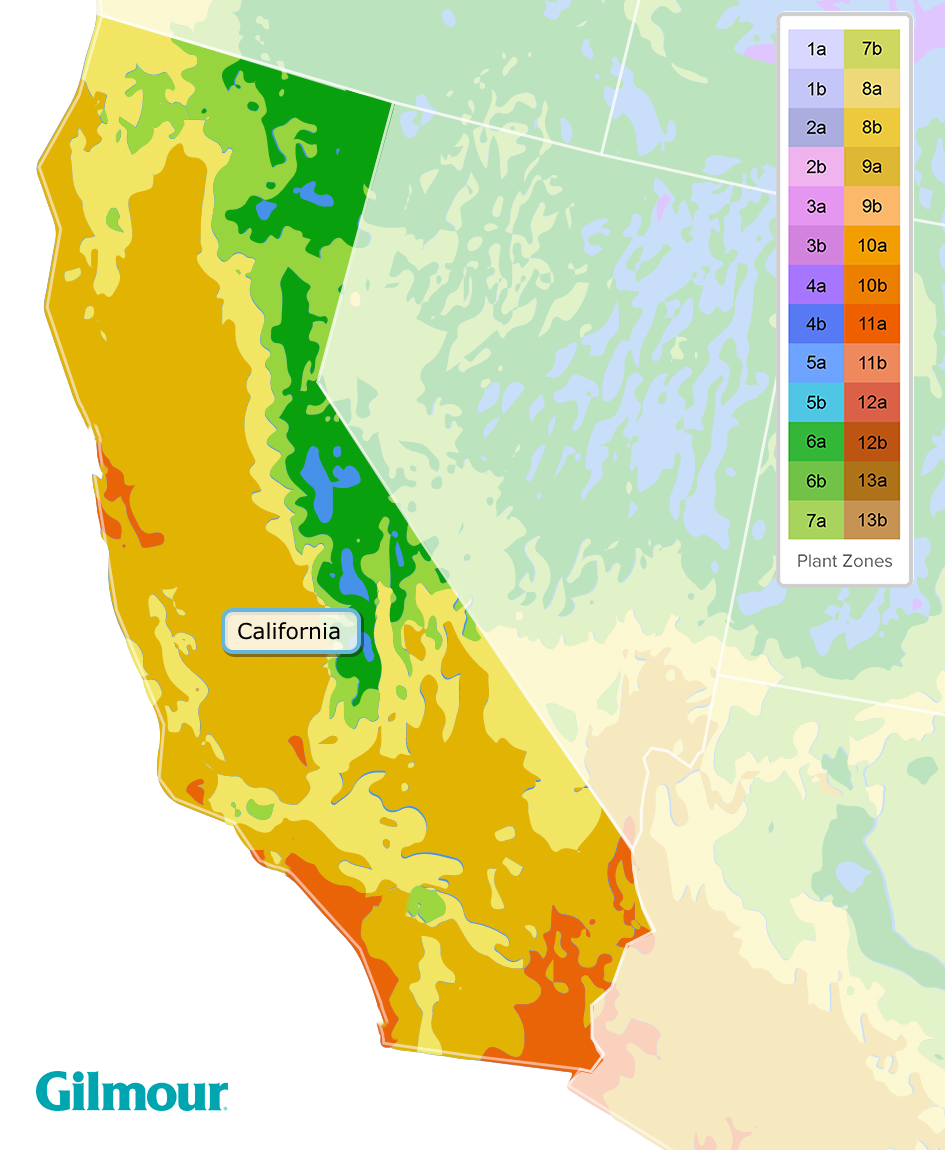
At its core, a growing zone (or plant hardiness zone) designates areas where certain plants are most likely to thrive, primarily based on temperature averages. For Southern California, however, this classification is far more intricate than a single number. The region’s unique geography — spanning from a vast coastline along the Pacific Ocean to towering mountains, expansive inland valleys, and arid deserts — creates a mosaic of microclimates, each supporting distinct flora and fauna. This article delves into the diverse growing zones defining Southern California, exploring how these climatic nuances shape its attractions, influence local cuisine, and provide a framework for an unforgettable travel experience.
Understanding Southern California’s Diverse Growing Zones
The concept of “growing zones” might seem purely scientific, but for anyone looking to explore, reside in, or even simply visit Southern California, understanding these classifications offers invaluable insight. They explain why towering palms thrive along the coast, why vineyards flourish in the valleys, and how unique succulents dominate the desert landscapes. Two primary systems are used to define these zones, each offering a slightly different perspective crucial for gardeners and travelers alike.
The USDA Plant Hardiness Zones in Context
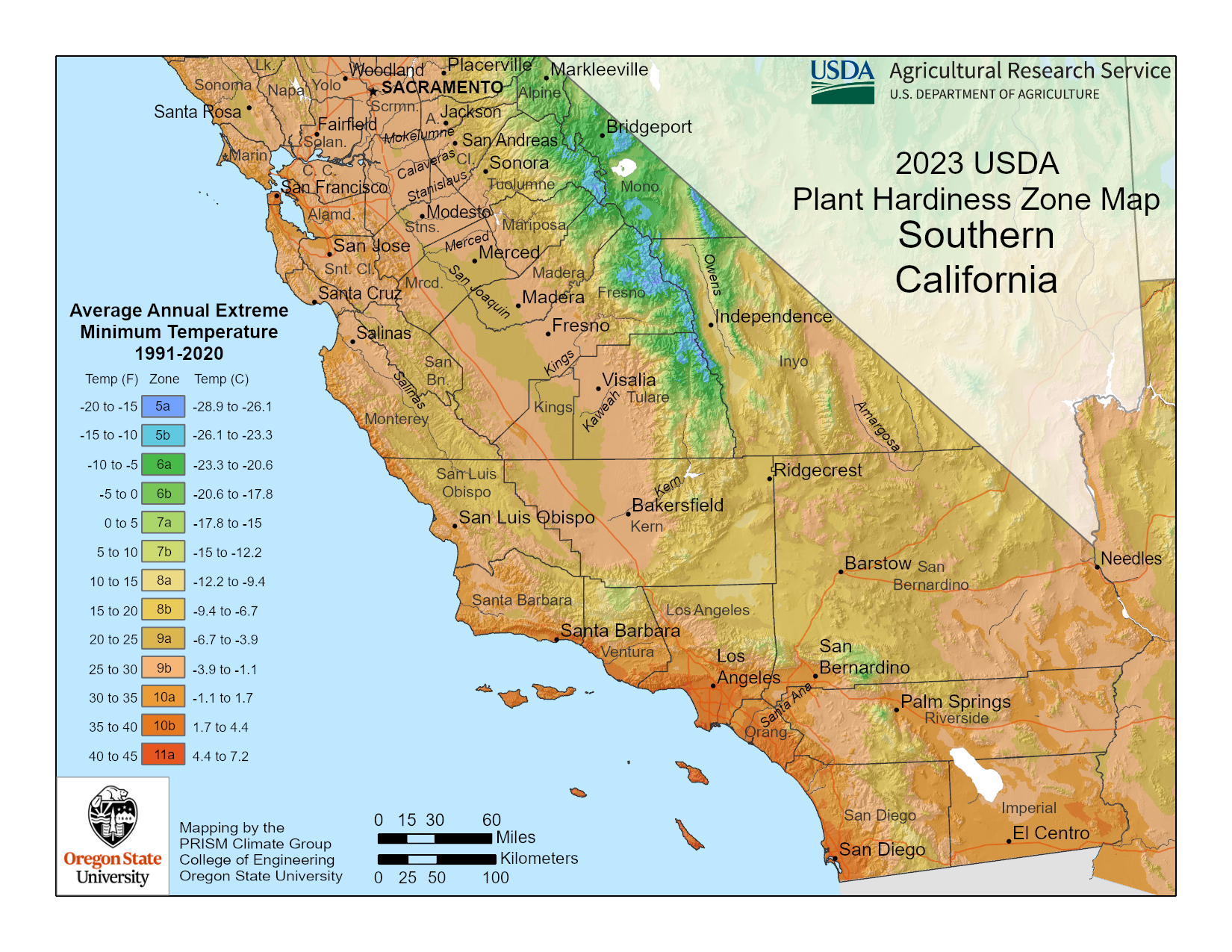
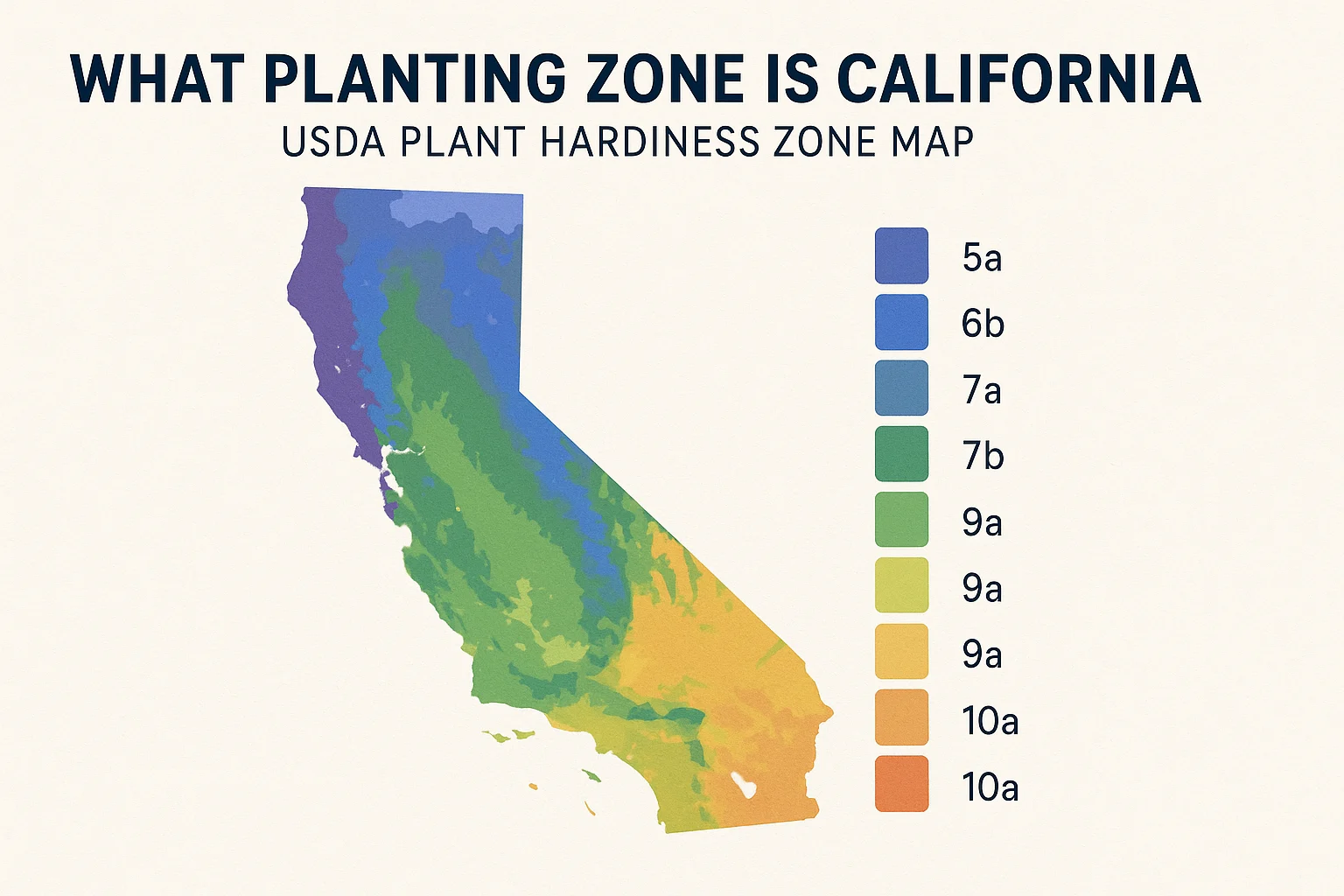
The most widely recognized system globally is the USDA Plant Hardiness Zone Map, developed by the United States Department of Agriculture. This system divides the USA into 13 zones, each based on the average annual extreme minimum winter temperature. Each zone is further divided into ‘a’ and ‘b’ subzones, representing a 5°F difference. For Southern California, the USDA Plant Hardiness Zones generally range from 9a to 11b.
- Zone 9a/9b: Typically found in higher elevations and some inland valleys, experiencing winter lows down to 20-25°F. These areas might see occasional frost and are suitable for a wide range of temperate plants, alongside some hardier Mediterranean species.
- Zone 10a/10b: Covers a significant portion of Southern California’s coastal and inland areas, with minimum temperatures ranging from 30-35°F. This is ideal for many subtropical plants, citrus, and avocados.
- Zone 11a/11b: Predominantly found in the warmest coastal strips and frost-free desert locales, where winter temperatures rarely drop below 40°F. These zones are perfect for tropical and very tender subtropical plants.
While the USDA zones provide a good baseline for winter hardiness, they don’t account for other critical factors like heat, rainfall, humidity, or summer temperatures. This is where a more localized system becomes particularly useful for a region as climatically diverse as Southern California.
The Significance of Sunset Climate Zones for Local Gardeners and Travelers
For those intimately familiar with gardening or living in the western USA, the Sunset Climate Zones are often considered the gold standard. Developed by Sunset Magazine, this system offers a much more nuanced view of climate, incorporating factors beyond just winter lows. Sunset Climate Zones consider not only minimum winter temperatures but also maximum summer temperatures, length of growing season, rainfall, humidity, and even specific influences like ocean air or mountain elevation. This holistic approach results in 24 zones across the USA, with Southern California typically falling into a variety of zones from 18 to 24.
- Zones 18-21 (Inland, Colder Winters): These zones often encompass inland valleys and foothills, experiencing hot summers and colder, though brief, winters. They are ideal for many deciduous fruit trees, grapes, and a mix of Mediterranean and temperate plants. Temecula Valley wine country is a prime example.
- Zones 22-24 (Coastal and Near-Coastal, Milder Year-Round): These are the coveted “banana belt” regions, characterized by mild winters, cool summers, and high humidity due to the constant marine influence. Cities like San Diego, Los Angeles, and Santa Barbara fall into these categories, supporting a spectacular array of subtropical and even tropical plants, including citrus, palms, and exotic flowering species.
- Desert Zones (Not explicitly numbered in sequence but distinct): While not always directly adjacent in numerical order, distinct desert zones like those around Palm Springs have very specific characteristics – extreme heat, low humidity, and minimal rainfall. These areas support unique xeriscape plants like cacti, succulents, and desert-adapted trees.
Understanding these detailed Sunset Climate Zones provides a more comprehensive picture of Southern California’s plant life, making it an invaluable guide for both residents and visitors eager to explore its natural beauty, botanical gardens, and agricultural landscapes.
Southern California’s Floral Tapestry: A Traveler’s Perspective
The diverse growing zones of Southern California don’t just dictate what plants thrive; they sculpt the very character of its destinations, influencing everything from the architecture and design of its hotels to the unique flavor of its local culture and cuisine. For travelers, this translates into a kaleidoscopic array of experiences, each region offering its own distinct botanical allure.
Coastal Delights: Lush Gardens and Oceanfront Resorts
Along the iconic coastline, stretching from Santa Barbara down through Los Angeles to San Diego, the mild, Mediterranean climate (primarily Sunset Zones 22-24) creates an environment of perpetual lushness. Here, travel destinations are often framed by vibrant bougainvillea, majestic palm trees, and fragrant citrus groves. It’s a landscape where garden enthusiasts can revel in world-class botanical collections, and every street corner feels like a postcard.
In San Diego, the magnificent Balboa Park stands as a testament to this verdant abundance, featuring numerous gardens including the Japanese Friendship Garden, the Rose Garden, and the iconic Botanical Building with its lily pond. Further north, the Huntington Library, Art Museum, and Botanical Gardens in San Marino, near Los Angeles, offers an extraordinary collection of themed gardens, from the desert garden’s striking succulents to the serene Japanese Garden and the meticulously curated California Garden. These attractions are not just for plant lovers; they are tranquil havens offering a respite from the urban hustle, integral to the local tourism experience.
The coastal growing zones also profoundly influence accommodation options. Many of the region’s premier resorts and boutique hotels leverage this natural bounty, featuring extensive, exquisitely manicured grounds. Imagine staying at a five-star property like the hypothetical Grand Pacific Hotel, where your private suite overlooks terraces adorned with flowering vines and exotic flora, or an apartment rental boasting a shared patio blooming with vibrant hibiscus. The emphasis on outdoor living, perfectly suited to the mild climate, defines much of the coastal lifestyle, from al fresco dining to strolls through charming garden districts.
Inland Valleys and Foothills: Mediterranean Agriculture and Vineyards
Moving slightly inland, away from the immediate marine influence, the growing zones shift (often Sunset Zones 18-21). While still benefiting from ample sunshine, these areas experience greater temperature fluctuations, including hotter summers and cooler winters. This distinct climate creates perfect conditions for Mediterranean-style agriculture, forming the backbone of Southern California’s robust food scene and agri-tourism.
The rolling hills of Temecula Valley are the most prominent example, renowned for their burgeoning wine industry. The specific climate here allows grape varietals like Cabernet Sauvignon, Chardonnay, and Syrah to flourish, leading to a thriving tourism sector centered around wine tasting and vineyard tours. Visitors can spend days exploring picturesque wineries, learning about the winemaking process, and savoring local vintages. Similarly, other inland regions of Orange County and beyond are dotted with avocado groves, citrus orchards, and olive trees, contributing significantly to the region’s agricultural output.
For those seeking immersive experiences, boutique accommodation options are plentiful in these areas. Ponte Vineyard Inn in Temecula offers guests the unique opportunity to stay amidst the vines, combining luxurious amenities with direct access to wine country life. Such stays are not just about comfort; they offer a genuine taste of the local lifestyle, connecting travelers directly to the land and its produce, perfectly aligning with the farm-to-table ethos that permeates California cuisine.
Desert Oases: Unique Flora and Stark Beauty
Further east, beyond the mountains, lies the dramatic landscape of Southern California’s deserts. These areas, including Palm Springs and the vast stretches of Joshua Tree National Park and Anza-Borrego Desert State Park, represent distinct growing zones characterized by extreme heat, minimal rainfall, and significant diurnal temperature swings. Here, the flora is a testament to resilience and adaptation, creating a starkly beautiful, almost otherworldly environment.
The signature plants of these desert zones are cacti, succulents, and the iconic Joshua Trees (native to their namesake park). These unique species not only form breathtaking natural landmarks but also inspire distinct architectural styles and lifestyle choices in communities like Palm Springs. The mid-century modern aesthetic often incorporates native desert landscaping, blending seamlessly with the natural surroundings.
Tourism in the desert revolves around its natural beauty and tranquility. Visitors flock to Joshua Tree National Park for hiking, stargazing, and exploring the fascinating rock formations. Anza-Borrego Desert State Park is famous for its spectacular springtime wildflower blooms, a truly vibrant experience contrasting with the otherwise arid landscape. For accommodation, desert resorts such as Miramonte Resort & Spa in Indian Wells offer oases of luxury, often featuring desert-adapted gardens, refreshing pools, and wellness programs designed to harmonize with the serene environment. These destinations provide a unique form of luxury travel, focusing on relaxation, natural beauty, and a distinct cultural aesthetic.
Cultivating Experiences: Travel, Food, and Lifestyle in SoCal’s Zones
The profound impact of Southern California’s varied growing zones extends beyond horticulture, deeply embedding itself into the region’s travel offerings, food culture, and overall lifestyle. For visitors, this means a richer, more authentic exploration of what makes this part of California so unique.
Culinary Journeys Shaped by Climate
Southern California’s growing zones are the silent architects of its celebrated culinary scene. The year-round mild climate and fertile soils allow for an incredible diversity of produce, cementing the region’s reputation for fresh, seasonal, and locally sourced ingredients. This directly influences the food experiences available to tourists.
From the coastal regions, expect an abundance of freshly caught seafood paired with vibrant, locally grown greens and herbs. The ubiquity of California avocado toast isn’t just a trend; it’s a reflection of the optimal growing conditions for avocados in zones like those found in San Diego County and parts of Orange County. Citrus, another staple, thrives across many zones, infusing dishes from savory marinades to refreshing desserts. Inland valleys, with their distinct growing conditions, provide grapes for exquisite wines, as well as olives for artisanal oils, and a variety of stone fruits and berries. Even the desert, with its unique flora, contributes with ingredients like prickly pear and desert herbs.
Farmers’ markets, such as the renowned Santa Monica Farmers Market, become vibrant hubs where visitors can directly connect with the bounty of these diverse zones, experiencing a vital part of the local culture. Engaging in these activities offers more than just a meal; it’s a culinary journey reflecting the region’s agricultural heritage and commitment to fresh, healthy eating.
Garden-Inspired Stays and Retreats
The appreciation for Southern California’s rich plant life is frequently integrated into its accommodation offerings, transforming hotels and resorts into destinations in themselves. Many properties, from luxury travel resorts to charming boutique apartments, actively design their landscapes to showcase the beauty and diversity of plants suitable for their specific growing zone.
For instance, coastal resorts might feature extensive tropical gardens, overflowing with exotic flowers and towering palms, creating a serene, paradise-like atmosphere. Hotels near inland wine regions often integrate vineyards into their grounds, providing guests with picturesque views and a sense of immersion. In the desert, accommodation will typically embrace xeriscaping, featuring drought-tolerant plants like cacti and succulents, which require less water but offer striking visual appeal.
Notable landmarks like Descanso Gardens in La Cañada Flintridge or the gardens at The Getty Center in Los Angeles serve as inspirations, showing how meticulously curated landscapes can enhance an experience. Many hotels draw from these examples, offering garden tours, outdoor yoga amidst lush greenery, or even gardening workshops as part of their amenities. For travelers, choosing a stay that embraces its natural surroundings adds an extra layer of tranquility and authenticity to their trip, embodying a desirable lifestyle choice.
Exploring Natural Landmarks and Protected Areas
The distinct growing zones are also responsible for the incredible variety of natural landmarks and protected areas that define Southern California. Each climate zone hosts ecosystems that have evolved to thrive in specific conditions, presenting unique opportunities for travel and exploration.
- Coastal Zones: Home to unique coastal sage scrub and chaparral, protecting fragile ecosystems along the bluffs and beaches. Channel Islands National Park, off the coast, showcases island-specific flora found nowhere else on earth, making it a prime destination for ecotourism and wildlife viewing.
- Mountain Zones: The higher elevations, such as those found around Big Bear Lake or within the San Bernardino National Forest, host evergreen forests of pines, firs, and cedars. These areas offer stark seasonal contrasts, from snow-covered slopes in winter to cool, shaded hiking trails in summer, providing a very different natural experience compared to the coast or desert.
- Desert Zones: As previously mentioned, Joshua Tree National Park and Anza-Borrego Desert State Park are iconic landmarks, preserving unique desert flora and geological formations. They offer unparalleled opportunities for hiking, photography, and experiencing the profound silence and starry skies of the desert, integral to specific adventure travel guides.
Understanding the underlying growing zones helps visitors appreciate the delicate balance of these environments and encourages respectful tourism. Each park, forest, or coastline represents a unique ecological niche, shaped by its climate, offering endless possibilities for discovery and outdoor activities.
Practical Tips for Visitors and Aspiring Gardeners
Whether you’re planning a visit or considering a longer stay, integrating knowledge of Southern California’s growing zones into your preparations can significantly enhance your travel and lifestyle experiences.
Planning Your Southern California Trip with Climate in Mind
For visitors, understanding the regional climates can inform your itinerary and packing.
- Best Time to Visit: If seeing desert wildflowers is a priority, aim for early spring (March-April) in areas like Anza-Borrego Desert State Park. For vibrant garden displays in coastal cities like San Diego or Santa Barbara, spring and early summer are ideal. Wine tasting in Temecula Valley is pleasant year-round, but the grapevines are at their most picturesque in late summer and fall.
- Packing Essentials: Due to the diverse microclimates, it’s wise to pack layers. A trip might involve cool ocean breezes, hot desert afternoons, and chilly mountain evenings all within a few days. Consult detailed guides and local weather forecasts for your specific destinations.
- Booking Accommodation: When reviewing accommodation options, consider how the property’s landscaping contributes to the overall ambiance. Many resorts and villas pride themselves on their garden amenities, which can be a significant draw, especially for luxury travel or serene experiences. Reading reviews often highlights these unique features.
Embracing Sustainable Practices and Local Produce
For those looking to adopt a more permanent or long-term lifestyle in Southern California, or even just conscious travelers, understanding growing zones also encourages sustainable practices.
- Support Local Farms: Engage with the local food scene by visiting farmers’ markets. This not only ensures fresh, seasonal ingredients but also supports the agricultural communities thriving in various growing zones. It’s a fantastic way to immerse yourself in the local culture.
- Water Conservation: Given California’s history with droughts, being mindful of water usage is key. Many public and private gardens showcase drought-tolerant landscaping (xeriscaping), especially in inland and desert areas. As a visitor, choosing hotels and resorts that practice water-wise landscaping contributes to responsible tourism.
- Explore Native Plants: Learning about the native flora of each zone can deepen your appreciation for the natural environment. Many nurseries specialize in native plants, offering valuable tips for successful gardening that harmonizes with the local climate.
In conclusion, Southern California is not defined by a single growing zone but by a fascinating interplay of diverse microclimates. From the lush coastal gardens of Los Angeles to the sun-drenched vineyards of Temecula Valley and the stark, majestic deserts of Joshua Tree National Park, each region offers a unique botanical identity. This horticultural richness profoundly shapes the region’s travel destinations, culinary experiences, accommodation styles, and overall lifestyle. For anyone planning a trip or considering a move, a grasp of these growing zones opens up a deeper, more informed, and ultimately more rewarding appreciation of this truly extraordinary part of the world.