
Texas, the Lone Star State, is a land of incredible diversity, stretching from sun-drenched beaches to rugged mountains, and from dense forests to arid deserts. This vast geographical expanse naturally leads to a wide array of climates, which, in turn, dictates the “growing zones” across the state. For travelers, understanding these zones isn’t just a detail for gardeners; it’s a key to unlocking unique local experiences, from savoring regional cuisines to marveling at indigenous landscapes and choosing accommodations that embrace the natural beauty of their surroundings. This guide delves into the fascinating world of Texas hardiness zones, exploring how they shape the state’s travel appeal and offer distinct adventures for every kind of explorer.
Understanding USDA Hardiness Zones: A Traveler’s Perspective
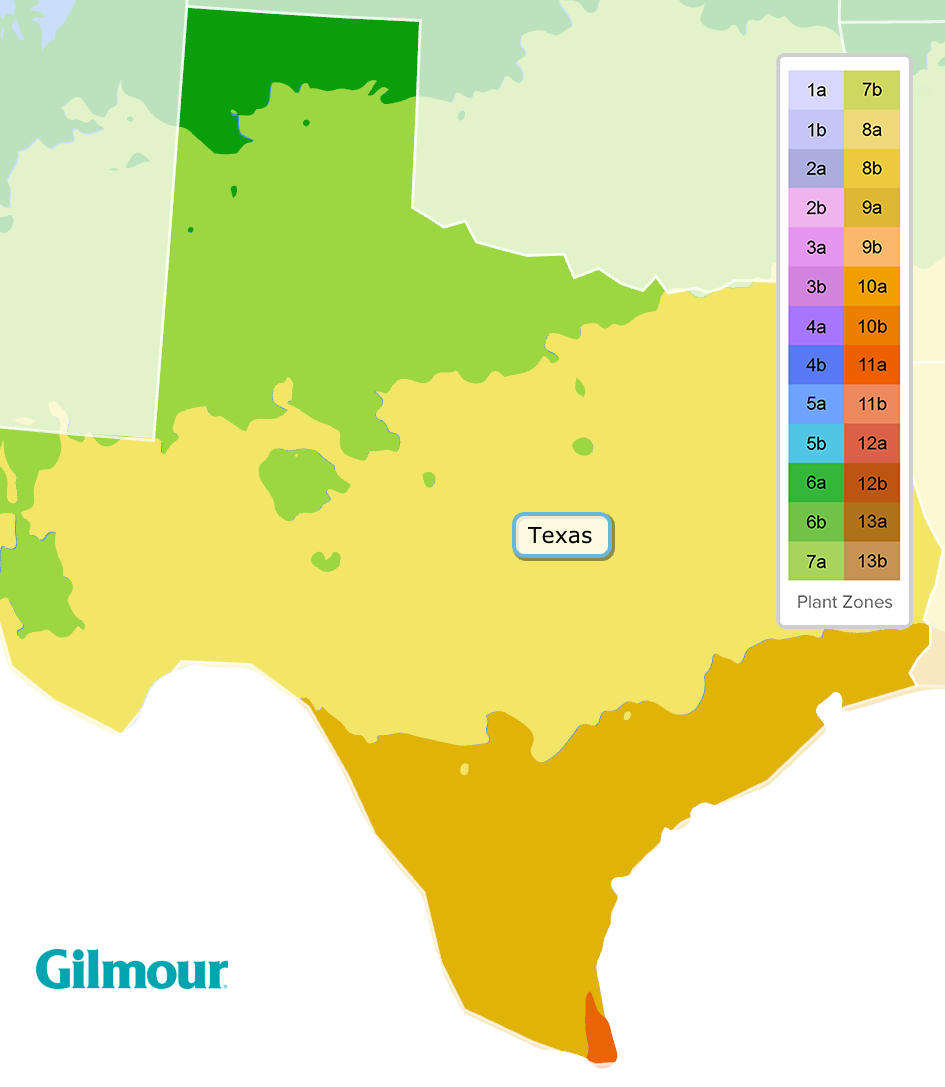
The United States Department of Agriculture (USDA) Plant Hardiness Zone Map is a standardized tool used by gardeners and growers worldwide. It divides North America into 13 zones based on the average annual extreme minimum winter temperature. Each zone represents a 10-degree Fahrenheit band, further divided into ‘a’ and ‘b’ subzones, representing 5-degree Fahrenheit increments. For instance, Zone 8a means the minimum winter temperature ranges from 10°F to 15°F, while 8b ranges from 15°F to 20°F.
The Basics of Growing Zones
While primarily designed for identifying which plants can survive winter temperatures in a specific location, growing zones offer much more insight, particularly for those with a passion for travel, local culture, and nature. They are a fundamental indicator of the natural flora you’ll encounter, the agricultural potential of a region, and even the types of outdoor activities available during certain seasons. For a traveler, understanding these zones can inform everything from packing decisions to itinerary planning, ensuring you experience the natural beauty of Texas at its peak.
Why Growing Zones Matter for Travelers
Imagine visiting Texas to see its famous wildflowers, only to arrive out of season because you didn’t consider the regional climate. Or perhaps you’re seeking a culinary journey focused on local produce, unaware that the specific growing conditions dictate what’s available. Growing zones directly influence:
- Local Flora and Fauna: The types of native plants, trees, and wildflowers that thrive, which in turn attract specific wildlife. This impacts scenic drives, hiking trails, and wildlife viewing opportunities.
- Agricultural Output: What crops are grown locally, influencing farm-to-table dining experiences, farmers’ markets, and agri-tourism opportunities like vineyard tours or fruit picking.
- Landscape and Aesthetics: The overall look and feel of a region, from the lush, subtropical vibe of the Gulf Coast to the rugged, arid beauty of West Texas.
- Seasonal Attractions: The best times to visit specific botanical gardens, state parks, or attend festivals celebrating local harvests, like the annual Bluebonnet Festival in Burnet.
- Accommodation Experiences: Hotels and resorts often incorporate local landscaping and offer dining experiences that highlight regional ingredients, all influenced by the local growing zone.
By understanding the hardiness zones, travelers can curate more enriching and authentic experiences, aligning their visit with the natural rhythms and unique offerings of each Texas region.
The Diverse Landscapes of Texas: A Journey Through Hardiness Zones
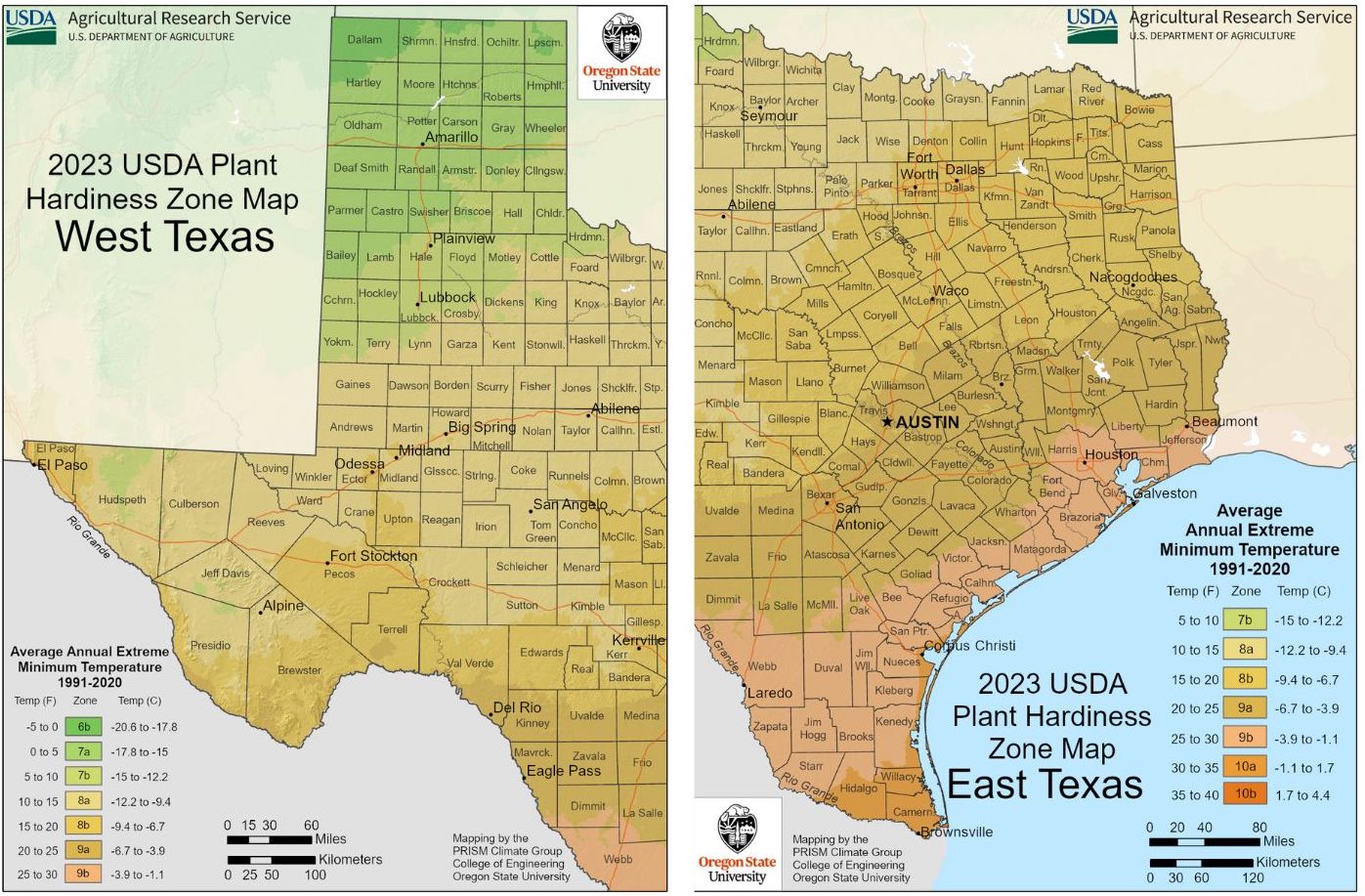
Texas spans several USDA hardiness zones, ranging primarily from 7a in the most northern and western reaches to 10a along the southernmost Gulf Coast. This broad spectrum means you can experience dramatically different natural environments within the same state. Let’s embark on a regional tour, highlighting the unique characteristics and travel opportunities each zone presents.
East Texas: Lushness and Piney Woods (Zones 8b-9a)
Characteristics: The eastern part of Texas, bordering Louisiana, is characterized by its humid subtropical climate, abundant rainfall, and fertile soils. This region is dominated by the Piney Woods, a vast expanse of towering pine trees, deciduous forests, and numerous lakes and rivers. Growing zones here generally fall into 8b and 9a.
Travel Experience:
- Nature and Outdoors: Perfect for those seeking lush landscapes. Explore national forests like the Davy Crockett National Forest or the Sam Houston National Forest. Enjoy hiking, fishing, boating, and birdwatching, especially around Caddo Lake, known for its cypress trees draped in Spanish moss.
- Local Culture and Food: The abundant rainfall supports a variety of agriculture, including peaches, blueberries, and timber. Look for roadside stands selling fresh produce. The culture here often blends Southern charm with Texas hospitality, often reflected in local eateries serving comfort food with fresh, regional ingredients.
- Accommodation: Consider cabins or lodges nestled within the forests for a rustic retreat. In towns like Nacogdoches, you might find charming bed and breakfasts surrounded by mature gardens that thrive in these zones.
Central Texas: Hill Country Charm (Zones 8a-8b)
Characteristics: Moving westward, Central Texas encompasses the iconic Texas Hill Country, a landscape of rolling hills, spring-fed rivers, and limestone outcrops. The climate is sub-humid, with hot summers and mild winters, placing it mostly in zones 8a and 8b. This region is famous for its oak and cedar trees, and in spring, a breathtaking display of wildflowers, including the beloved bluebonnets.
Travel Experience:
- Wine and Culinary Trails: The Hill Country is Texas’ burgeoning wine region, with numerous vineyards thriving in its specific climate and soil, making it a prime destination for wine tours and tastings. Fredericksburg is a hub for this. Lavender farms also flourish, adding to the scenic beauty and offering unique products.
- Outdoor Activities: Explore state parks like Enchanted Rock State Natural Area or swim in natural springs such as Barton Springs Pool in Austin. Spring brings unparalleled opportunities for wildflower viewing along scenic drives.
- Accommodation: Boutique hotels and luxurious resorts in cities like Austin and San Antonio often feature elaborate native landscaping. The Hyatt Regency Hill Country Resort and Spa in San Antonio, for example, beautifully integrates the local flora into its sprawling grounds, offering a true sense of place. For a more intimate experience, private ranches and bed and breakfasts are plentiful.
North Texas: Prairie and Urban Greenery (Zones 7b-8a)
Characteristics: North Texas, home to the Dallas-Fort Worth Metroplex, is characterized by its Blackland Prairie soils and a more continental climate, with colder winters than areas further south. The hardiness zones here are typically 7b and 8a. While historically prairie, extensive urban development has led to cultivated parks and green spaces.
Travel Experience:
- Urban Parks and Gardens: Cities like Dallas and Fort Worth boast impressive botanical gardens and urban parks that showcase plants suitable for these zones, such as the Dallas Arboretum and Botanical Garden. These offer tranquil escapes within bustling urban environments.
- Local Cuisine: The rich agricultural heritage of the surrounding prairies means excellent local produce, which you can find in upscale restaurants and vibrant farmers’ markets across the metroplex. Think about the variety of produce available at the Dallas Farmers Market.
- Accommodation: Luxury hotels in Dallas, such as The Ritz-Carlton, Dallas or Hotel Crescent Court, often feature meticulously maintained grounds, providing green oases in the city center. Many offer farm-to-table dining experiences, sourcing from nearby farms.
South Texas & The Gulf Coast: Tropical Influences (Zones 9a-10a)
Characteristics: South Texas and the Gulf Coast region experience a humid subtropical to semi-arid climate, with mild winters and hot, often humid summers. The southernmost tip, particularly the Rio Grande Valley, enjoys a near-tropical climate, with zones reaching 9a, 9b, and even 10a. This allows for the cultivation of citrus fruits and other heat-loving plants.
Travel Experience:
- Coastal Recreation and Citrus Groves: The Gulf Coast is famous for its beaches (South Padre Island, Galveston), fishing, and birdwatching. In the Rio Grande Valley, visitors can explore citrus groves and enjoy the subtropical ambiance.
- Birdwatching Hotspot: The warm climate makes it a vital stopover for migratory birds, making it a premier birdwatching destination, especially around places like the Santa Ana National Wildlife Refuge.
- Accommodation: Resorts on South Padre Island or in Corpus Christi often boast tropical landscaping, complete with palm trees and vibrant hibiscus, enhancing the vacation experience. Consider staying at the Omni Corpus Christi Hotel for coastal views and local flair.
West Texas: Arid Beauty (Zones 7a-8b, but with unique challenges)
Characteristics: West Texas is a stark contrast to the east, defined by its arid to semi-arid climate, rugged mountains, and vast desert landscapes. While the hardiness zones might appear similar to other parts of Texas (ranging from 7a in higher elevations to 8b in lower ones), the lack of consistent rainfall and extreme temperature fluctuations present unique challenges for plant life, leading to specialized desert flora.
Travel Experience:
- Desert Ecology and Stargazing: This region offers unparalleled opportunities for experiencing desert ecology and breathtaking stargazing. Visit Big Bend National Park or Guadalupe Mountains National Park to witness unique desert plants like cacti, agave, and ocotillo in their natural habitat.
- Outdoor Adventure: Ideal for hiking, camping, and exploring rugged terrain. The unique plant life adds to the adventurous spirit of the region.
- Accommodation: Lodging in West Texas often embraces the rustic charm of the desert. Remote guesthouses and lodges near national parks provide a truly immersive experience, often with minimal landscaping that focuses on drought-tolerant native plants. The Gage Hotel in Marathon offers historical charm amidst desert beauty.
Cultivating Your Texas Travel Experience: From Gardens to Gastronomy
The diverse growing zones of Texas aren’t just scientific classifications; they are the foundation for a rich tapestry of travel experiences, from exploring manicured botanical gardens to savoring the freshest farm-to-table cuisine, and staying in accommodations that beautifully reflect their natural settings.
Botanical Havens and Natural Parks
Across Texas, the varying hardiness zones have given rise to an impressive network of botanical gardens, arboretums, and state parks that showcase the incredible diversity of plant life. Each site is a living testament to its specific growing zone, offering visitors a chance to connect with nature and appreciate the ecological uniqueness of the region.
- In Dallas (Zone 8a), the Dallas Arboretum and Botanical Garden boasts seasonal displays that adapt to the regional climate, from vibrant spring tulips to pumpkin villages in the fall.
- Houston (Zone 9a) offers the Houston Botanic Garden, designed to highlight the biodiversity of Houston’s climate, including its coastal and subtropical influences.
- For those venturing into the Texas Hill Country (Zone 8a-8b), the Lady Bird Johnson Wildflower Center in Austin is an essential visit. Dedicated to the research, display, and conservation of native plants, it offers stunning natural landscapes and insights into drought-tolerant gardening.
- Even in the arid landscapes of West Texas, destinations like Big Bend National Park serve as natural botanical gardens, where visitors can marvel at resilient desert flora perfectly adapted to Zone 7b-8b conditions. These natural parks are not just landmarks; they are open-air museums of the state’s plant heritage.
Farm-to-Table Adventures and Local Flavors
The agricultural bounty of Texas is a direct reflection of its diverse growing zones. Travelers can embark on culinary journeys that celebrate the state’s unique produce and local flavors.
- East Texas, with its humid subtropical climate, is a paradise for berry lovers. Visit local farms for pick-your-own blueberries or peaches, which thrive in Zones 8b-9a.
- The Texas Hill Country (Zones 8a-8b) is not only wine country but also known for its peaches, pecans, and lavender. Many vineyards offer farm-to-table restaurants, pairing their wines with seasonal, locally sourced ingredients. Explore the wineries along the Wine Road 290 near Fredericksburg for an authentic taste of the region.
- In the Rio Grande Valley (Zones 9b-10a), the semi-tropical climate supports citrus groves, particularly grapefruit and oranges. Farmers’ markets here are vibrant hubs for fresh, tropical-influenced produce, offering a taste of South Texas’ unique agricultural identity.
- Cities like Houston, Dallas, and Austin are at the forefront of the farm-to-table movement, with numerous restaurants sourcing ingredients from local Texas farms, ensuring a fresh and seasonal dining experience that reflects the state’s agricultural diversity.
Accommodations Embracing Local Flora
Many Texas hotels, resorts, and unique accommodations have embraced their specific growing zones, creating environments that are not only beautiful but also deeply connected to their location’s natural heritage.
- Luxury resorts in San Antonio or Austin often feature elaborate native landscaping, showcasing drought-tolerant plants and beautiful wildflowers that thrive in Hill Country zones. The JW Marriott San Antonio Hill Country Resort & Spa, for instance, integrates natural limestone and native plants into its design, offering guests a true sense of place.
- Along the Gulf Coast, especially around South Padre Island, hotels like the Pearl South Padre often boast lush, tropical-inspired gardens, featuring palms, hibiscus, and other plants that thrive in Zone 9b-10a, enhancing the coastal vacation vibe.
- Even in the rugged terrain of West Texas, accommodations like the historic Hotel Paisano in Marfa or smaller boutique stays near Big Bend often feature minimalist, desert-appropriate landscaping, using succulents and native grasses that blend seamlessly with the arid surroundings. This creates an authentic, understated luxury lifestyle experience.
- For an immersive rural experience, numerous ranches and bed and breakfasts across Texas highlight their natural surroundings, offering guests the chance to stay amidst working farms or expansive natural acreage, connecting directly to the land’s growing capabilities.
Planning Your Green Getaway in Texas
Armed with an understanding of Texas’ diverse growing zones, you can now plan a travel itinerary that truly blossoms. Whether you’re a nature enthusiast, a culinary explorer, or simply seeking a unique escape, considering the hardiness zones will enhance your journey and allow you to appreciate the state’s natural beauty to its fullest.
Best Times to Visit for Floral Displays
To experience Texas’ most spectacular floral displays, timing your visit according to the regional growing zones is crucial:
- Spring (March to May): This is prime time for wildflowers across much of the state, especially the Hill Country (Zones 8a-8b), where bluebonnets, Indian paintbrushes, and other native blooms create stunning carpets of color. Cities like Austin and San Antonio also showcase vibrant garden displays.
- Late Spring/Early Summer (May to June): East Texas (Zones 8b-9a) comes alive with blooming azaleas, dogwoods, and magnolias, offering a lush, verdant escape.
- Fall (September to November): While not as famous for flowers, fall brings changing foliage to parts of East Texas and the Hill Country, particularly along riverbanks. It’s also an excellent time to visit the deserts of West Texas (Zones 7a-8b) when temperatures are milder and unique desert blooms can occasionally surprise.
- Winter (December to February): In the mild climate of South Texas and the Rio Grande Valley (Zones 9b-10a), you can still find blooming tropical plants and enjoy the peak citrus season.
Always check local tourism boards or botanical garden websites for specific bloom calendars to perfectly time your visit.

Sustainable Travel Tips for Eco-Conscious Explorers
As you explore the diverse growing zones of Texas, remember to travel responsibly and sustainably, preserving these natural wonders for future generations:
- Stay on Marked Trails: When hiking or exploring natural areas, stick to designated paths to protect delicate ecosystems and prevent the spread of invasive species.
- Support Local: Choose accommodations that prioritize sustainability, dine at restaurants that source locally, and purchase souvenirs from local artisans. This supports the local economy and minimizes your environmental footprint.
- Conserve Water: Especially in drier regions like West Texas or during drought periods, be mindful of your water usage at hotels and resorts.
- Leave No Trace: Pack out everything you pack in, and dispose of waste properly. Avoid picking wildflowers or disturbing wildlife.
- Learn and Appreciate: Take the time to learn about the native plants and animals of each zone. Many state parks and nature centers offer educational programs that deepen your appreciation for Texas’ natural heritage.
The “growing zones” of Texas are far more than just agricultural classifications; they are the vibrant threads that weave together the state’s diverse landscapes, unique cultures, and unparalleled travel opportunities. By understanding these zones, you unlock a deeper connection to the land, transforming a simple trip into an immersive journey through the heart of Texas’ natural beauty and local life. So, pack your bags, prepare to be amazed, and discover the thriving wonders that await in every Texas growing zone.
LifeOutOfTheBox is a participant in the Amazon Services LLC Associates Program, an affiliate advertising program designed to provide a means for sites to earn advertising fees by advertising and linking to Amazon.com. Amazon, the Amazon logo, AmazonSupply, and the AmazonSupply logo are trademarks of Amazon.com, Inc. or its affiliates. As an Amazon Associate we earn affiliate commissions from qualifying purchases.