
To ask “What happened in New Orleans?” is to inquire about a city that doesn’t just exist but lives – breathing history, music, flavor, and an indomitable spirit into every cobblestone and cypress knee. It’s a question that delves into centuries of cultural fusion, architectural marvels, culinary innovation, and a resilience that has seen it through triumphs and tragedies alike. New Orleans, the largest city in Louisiana, United States, is more than just a destination; it’s an experience, a narrative woven from the threads of French elegance, Spanish colonial charm, African rhythms, and the unique ingenuity of its Creole and Cajun inhabitants. For travelers seeking a destination unlike any other, New Orleans offers a profound journey into the heart of an American original, a place where every corner tells a story, and every moment feels like a celebration.
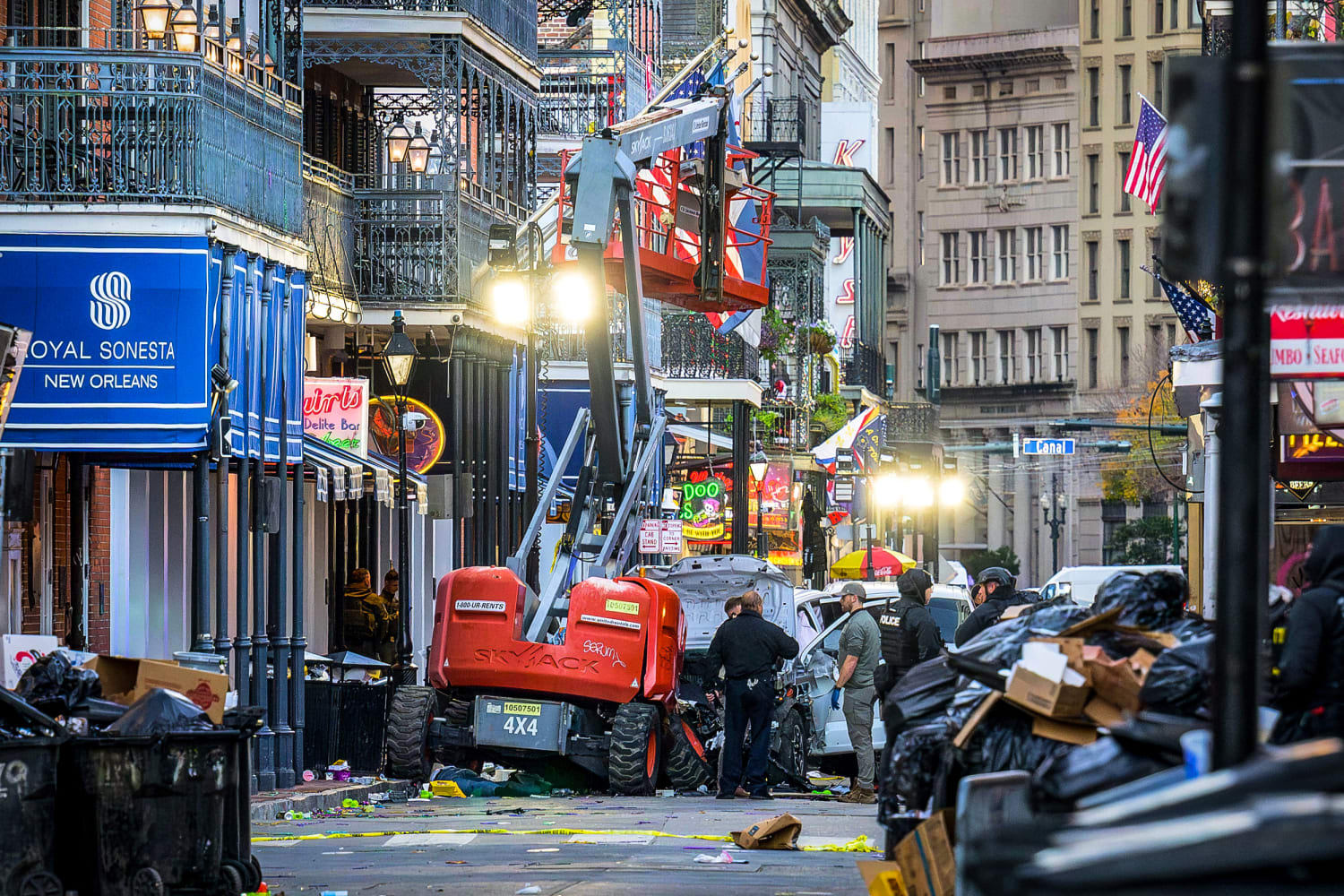
The city’s vibrant tapestry of culture is an ongoing phenomenon, a constant evolution rooted in its past yet always looking forward. From the intoxicating allure of its historic districts to the serene beauty of its natural surroundings, and from its world-renowned festivals to its intimate jazz clubs, New Orleans continues to define itself as a global icon of unique tourism and lifestyle. This exploration will unravel the layers of what makes New Orleans so captivating, guiding you through its landmarks, flavors, rhythms, and the myriad ways to experience its magic.
A Tapestry of History and Culture: The Soul of the Crescent City
The story of New Orleans is one of continuous creation, a city born of diverse influences that coalesced into a culture uniquely its own. Founded by the French in 1718, it quickly became a melting pot, absorbing Spanish governance, African traditions, and the contributions of immigrants from across the globe. This intricate blend is what “happened” to forge the city’s identity, making it a destination rich in local culture, history, and profound experiences.
The Birth of a Melting Pot: From Colonial Roots to Creole Splendor
The most vivid manifestation of New Orleans’s storied past is undoubtedly the French Quarter, or Vieux Carré. Despite its name, much of its iconic architecture—wrought-iron balconies, hidden courtyards, and pastel-colored facades—dates from the Spanish colonial era following devastating fires in the late 18th century. Walking through these historic streets, visitors are transported to another time, where every building has a tale to tell. Here, Jackson Square stands as a testament to the city’s artistic soul, flanked by the majestic St. Louis Cathedral, one of the oldest cathedrals in continuous use in the United States.
Beyond the visible architecture, the cultural blend runs deep. The Creole people, descendants of French, Spanish, and African settlers, cultivated a distinct language, cuisine, and set of traditions that are still celebrated today. The rhythms of jazz, born in the vibrant Treme neighborhood, are a direct result of this synthesis, blending African spirituals and work songs with European instrumentation and harmonies. The unique practice of Voodoo, brought by enslaved Africans, added another layer of mystique and spiritual depth to the city’s cultural landscape, with its enduring presence still felt in certain rituals and shops.

Resilience and Rebirth: The Unconquerable Spirit of New Orleans
New Orleans’s history isn’t just one of beauty and celebration; it’s also a narrative of profound challenges and remarkable rebirth. The city has faced everything from epidemics to economic downturns, but no event tested its spirit quite like Hurricane Katrina in 2005. The devastating aftermath brought global attention to New Orleans, and while the tragedy left an indelible mark, what truly “happened” in its wake was an inspiring testament to human resilience. The city’s inhabitants, fiercely proud and deeply rooted, undertook an arduous journey of rebuilding and revitalization.
Today, New Orleans stands as a beacon of recovery, demonstrating how a community can not only rebuild infrastructure but also reinforce its cultural identity. Visitors often remark on the palpable sense of community and determination that permeates the city. This resilience is woven into the fabric of its tourism offerings, showcasing how the city honored its past while embracing a future vibrant with new life and continued cultural preservation. From revitalized neighborhoods to new community initiatives, the story of post-Katrina New Orleans is an integral part of its compelling allure.
Iconic Landmarks and Must-See Attractions: A Journey Through New Orleans’ Treasures
For travelers, New Orleans is a treasure trove of landmarks and attractions, each offering a distinct slice of its captivating identity. From the bustling energy of its main thoroughfares to the serene beauty of its green spaces, the city invites exploration at every turn, catering to diverse interests from history buffs to nature lovers.
Exploring the Heart of the City: French Quarter to Garden District Grandeur
The quintessential New Orleans experience often begins in the French Quarter. Beyond Jackson Square and St. Louis Cathedral, the lively thoroughfare of Bourbon Street beckons with its neon lights, live music, and famous hand grenades, offering a glimpse into the city’s uninhibited spirit. For a more sophisticated experience, the art galleries and antique shops of Royal Street provide a calmer, yet equally enchanting, alternative.
A ride on the historic St. Charles Avenue Streetcar is a must, taking visitors from the edges of the French Quarter into the leafy grandeur of the Garden District. This neighborhood, famed for its opulent mansions and pristine gardens, offers a stark contrast to the French Quarter’s dense charm. Strolling its tree-lined streets provides a peek into the lives of New Orleans’s affluent past and present, making it a favorite for architectural enthusiasts and those seeking a picturesque walk.
Beyond the Usual Path: Museums, Parks, and Mystic Cemeteries
While the French Quarter and Garden District capture much of the spotlight, New Orleans offers a wealth of other enriching attractions. The National WWII Museum is a world-class institution, offering a deeply moving and comprehensive look at the war through immersive exhibits and personal accounts. It’s a poignant reminder of America’s role in global history and a testament to the city’s commitment to education and remembrance.
For those seeking tranquility or outdoor recreation, City Park is one of the largest urban parks in the United States, home to ancient live oaks, lagoons, botanical gardens, and the New Orleans Museum of Art. Similarly, Audubon Park, located near Tulane and Loyola Universities, offers lush landscapes, a golf course, and the Audubon Zoo, perfect for family trips.
No visit to New Orleans would be complete without exploring its famous “Cities of the Dead.” The historic above-ground crypts, such as those found in St. Louis Cemetery No. 1, offer a fascinating glimpse into the city’s unique burial practices and rich history. Guided tours provide insightful narratives about the notable figures interred there and the cultural significance of these eerie yet beautiful sites.
The Soul of New Orleans: Music, Food, and Festivities
What truly “happened” in New Orleans is the birth of an unparalleled cultural legacy, deeply rooted in its music, food, and its seemingly endless calendar of festivals. These elements are not just attractions; they are the very heartbeat of the city, offering authentic experiences that resonate long after you’ve left.
Culinary Delights: A Feast for the Senses
New Orleans is a mecca for food lovers, its cuisine a delectable fusion of Creole, Cajun, and global influences. Iconic dishes like spicy gumbo, flavorful jambalaya, and robust po’boys tell stories of the city’s diverse culinary heritage. A visit to Café Du Monde for powdery beignets and a café au lait is a rite of passage, an experience that transports you to a bygone era.
The dining scene ranges from casual eateries serving comfort food to world-class restaurants helmed by celebrity chefs, offering everything from fresh seafood to refined Creole fine dining. Exploring local markets like the historic French Market or taking a guided food tour are excellent ways to delve deeper into the gastronomic traditions and discover hidden culinary gems. Each meal in New Orleans is not just sustenance; it’s a cultural immersion.
The Rhythmic Pulse: Jazz, Blues, and Unforgettable Festivals
The question of “What happened in New Orleans?” cannot be answered without acknowledging its profound impact on music. It is the birthplace of jazz, a genre that has shaped global music. Live music venues are ubiquitous, from the historic Preservation Hall, where traditional New Orleans jazz continues to thrive, to the clubs on Frenchmen Street that buzz with contemporary jazz, blues, and funk. Music isn’t just played here; it’s an integral part of daily life, spilling out of doorways and onto the streets.
The city is also famous for its vibrant festival scene. Mardi Gras is the most iconic, a kaleidoscopic explosion of parades, costumes, and revelry that draws millions each year. But beyond the big one, there are numerous other festivals celebrating everything from jazz (New Orleans Jazz & Heritage Festival) and food (Tales of the Cocktail) to history and local culture. These events are not just parties; they are deep expressions of communal joy and cultural preservation, offering travelers unique experiences and a chance to truly connect with the local lifestyle.
Where to Stay and How to Experience It: Crafting Your New Orleans Journey
To truly understand what “happened” and continues to happen in New Orleans, one must consider how to best immerse oneself in its unique atmosphere. This involves thoughtful choices in accommodation and careful planning of activities, catering to various travel styles and budgets.
Accommodation Choices: From Historic Hotels to Boutique Stays
New Orleans offers a wide array of accommodation options, ensuring every traveler finds their perfect base. For those seeking luxury travel and opulent amenities, grand hotels like The Roosevelt New Orleans, A Waldorf Astoria Hotel or Hotel Monteleone in the French Quarter provide elegant suites, fine dining, and historic charm. These establishments often feature stunning architecture, rooftop pools, and concierge services that cater to every whim.
Boutique hotels are abundant, particularly in the French Quarter, Warehouse Arts District, and the Garden District. These unique properties, often housed in beautifully restored historic buildings, offer personalized service and a distinct sense of place. For budget travel, charming guesthouses and hostels provide comfortable and affordable options, allowing travelers to experience the city’s culture without breaking the bank. Apartment rentals and villas are also popular choices for long-term stays or family trips, offering more space and a local living experience. When choosing accommodation, consider factors like proximity to attractions, reviews, and the specific amenities that align with your travel goals.
Crafting Your Perfect Itinerary: Tips for Every Traveler
Experiencing New Orleans is about more than just seeing the sights; it’s about feeling the city’s pulse. A guided tour, whether historical walking tours of the French Quarter, culinary excursions, or even ghost tours, can provide invaluable insights and enhance your experience. Consider a scenic riverboat cruise on the Mississippi River aboard the Steamboat Natchez for breathtaking views and a taste of history. For nature enthusiasts, a swamp tour into the bayous offers an adventurous encounter with Louisiana’s unique ecosystem and wildlife.
Families will find plenty to do, from the Audubon Aquarium of the Americas to the Audubon Zoo and the vast spaces of City Park. For those on a business stay, many hotels offer excellent facilities and easy access to the Ernest N. Morial Convention Center. Regardless of your travel style—be it luxury, budget, family, or solo—New Orleans provides a framework for unforgettable experiences, inviting you to create your own unique chapter in its ongoing story.
In conclusion, “What happened in New Orleans?” is an unfolding narrative of cultural fusion, artistic innovation, culinary excellence, and profound resilience. It’s a city that continuously reinvents itself while proudly preserving its heritage, offering travelers a vibrant tapestry of experiences found nowhere else in the world. From its historic landmarks and lively music scene to its delectable food and welcoming atmosphere, New Orleans is a destination that doesn’t just promise a trip but an immersive journey into the soul of America’s most unique city. Come and discover what will happen to you in New Orleans.
LifeOutOfTheBox is a participant in the Amazon Services LLC Associates Program, an affiliate advertising program designed to provide a means for sites to earn advertising fees by advertising and linking to Amazon.com. Amazon, the Amazon logo, AmazonSupply, and the AmazonSupply logo are trademarks of Amazon.com, Inc. or its affiliates. As an Amazon Associate we earn affiliate commissions from qualifying purchases.