
For many, the mention of Puerto Rico conjures images of sun-drenched beaches, vibrant historical streets, and lush, tropical rainforests. It’s a captivating destination that has long drawn travelers from around the globe, eager to explore its unique blend of Caribbean charm, United States conveniences, and rich Spanish heritage. However, the island’s recent history has been marked by a pivotal event that reshaped its landscape, its economy, and the very fabric of its resilient communities: Hurricane Maria. This powerful storm, which made landfall in September 2017, left an indelible mark, leading to a period of unprecedented challenge and, ultimately, a remarkable journey of recovery and transformation. Understanding “what happened in Puerto Rico” requires a look back at its allure, the storm’s devastating impact, and the inspiring resurgence that has made it an even more compelling destination today.
Before the Storm: Puerto Rico’s Irresistible Charm
Before Hurricane Maria swept across the island, Puerto Rico was already a well-established gem in the Caribbean travel circuit. Its diverse offerings catered to every type of traveler, making it a dream destination for those seeking adventure, relaxation, cultural immersion, or a luxurious escape. The island’s strategic location, coupled with its status as a U.S. territory, provided ease of access for American travelers, who could visit without a passport, enjoying domestic flights and currency.
A Tropical Paradise Beckoning Travelers
The capital city, San Juan, served as the primary gateway, immediately immersing visitors in a world of historical grandeur and modern vibrancy. Old San Juan, with its cobblestone streets and colorful colonial architecture, was a UNESCO World Heritage site that promised a journey back in time. Iconic landmarks like Castillo San Felipe del Morro and Castillo San Cristóbal, formidable fortresses guarding the bay, captivated history buffs. The vibrant nightlife, diverse culinary scene, and artisan shops along Paseo de la Princesa painted a picture of a lively, culturally rich destination.
Beyond the capital, Puerto Rico’s natural wonders were equally alluring. El Yunque National Forest, the only tropical rainforest in the U.S. National Forest System, offered exhilarating hikes, cascading waterfalls, and unparalleled biodiversity. The island was also home to three of the world’s five bioluminescent bays, with Mosquito Bay on Vieques being particularly renowned for its magical glow. Pristine beaches, such as Flamenco Beach on Culebra (consistently ranked among the world’s best) and the popular Luquillo Beach on the main island, provided endless opportunities for relaxation and water sports.
The island’s accommodation scene was robust, featuring everything from luxurious five-star resorts in areas like Dorado and Rio Grande, like the St. Regis Bahia Beach Resort and the El Conquistador Resort, to charming boutique hotels in Old San Juan and cozy guesthouses in surf towns like Rincón. Travel guides highlighted a plethora of experiences, from culinary tours sampling traditional Mofongo and Lechon Asado, to salsa dancing lessons, coffee plantation visits, and deep-sea fishing excursions. Puerto Rico was a complete package, a vibrant tapestry of culture, history, adventure, and tropical bliss that promised unforgettable experiences for solo adventurers, families, couples, and business travelers alike.
The Devastating Impact of Hurricane Maria
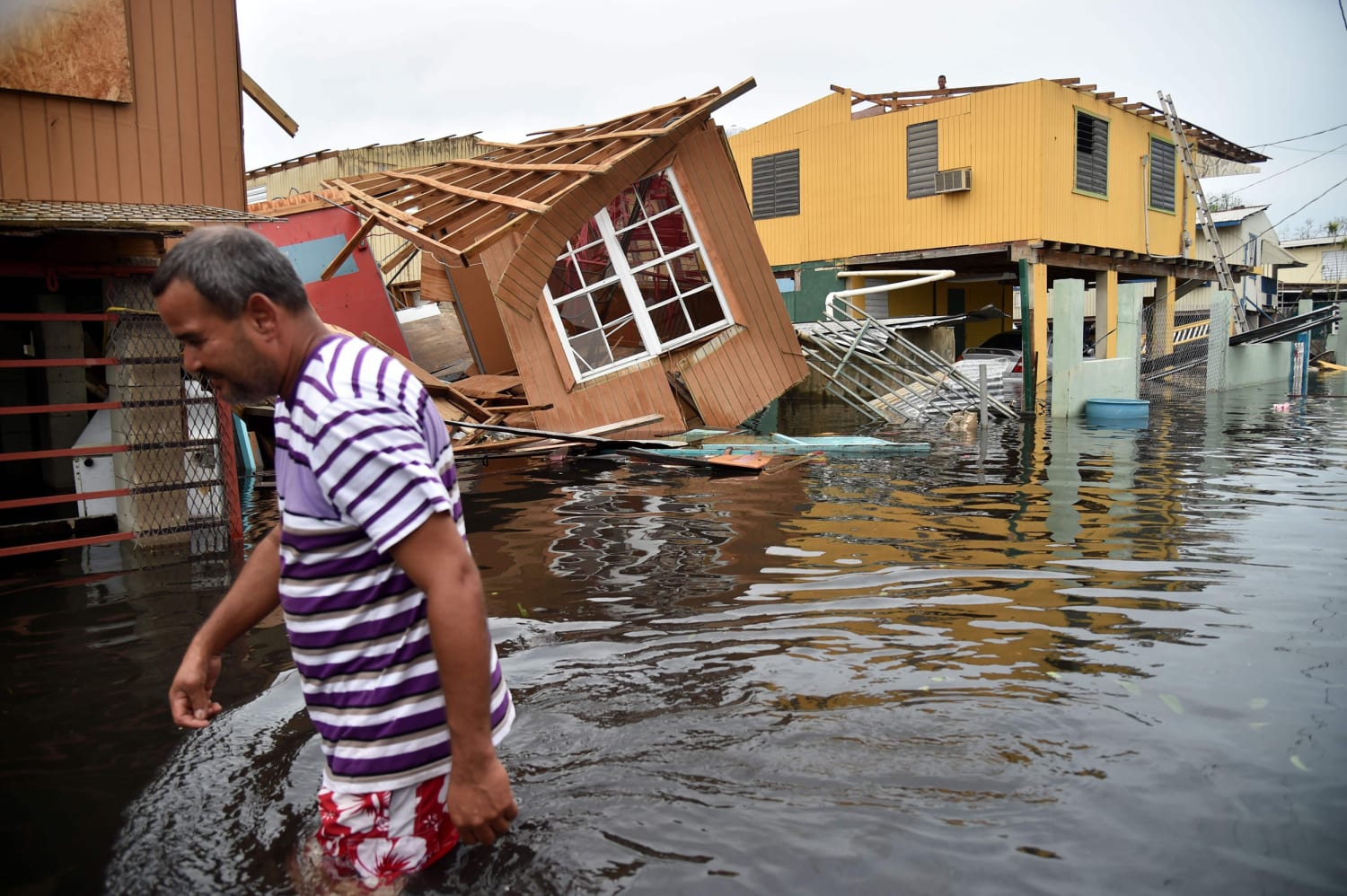
Then came Hurricane Maria. On September 20, 2017, the Category 4 storm made landfall, unleashing sustained winds of 155 mph, just shy of a Category 5, and torrential rains that inundated the island. The scale of the destruction was unprecedented, fundamentally altering the landscape and plunging Puerto Rico into an immediate humanitarian crisis.
Widespread Destruction and Unprecedented Challenges
The storm’s path carved a swathe of devastation across the entire island. Power grids collapsed completely, leaving 100% of residents without electricity – a blackout that would become the longest in U.S. history. Communication systems were crippled, making it nearly impossible to assess the full extent of the damage or coordinate rescue efforts. Roads were blocked by fallen trees, debris, and landslides, cutting off entire communities. Potable water became scarce as water treatment plants lost power and infrastructure was damaged.
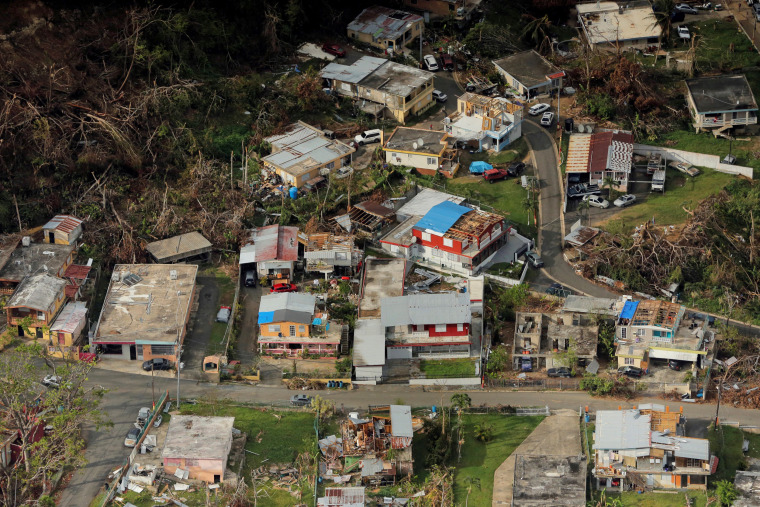
Homes, many of which were not built to withstand such a powerful storm, were obliterated. Roofs were torn off, structures crumbled, and personal belongings were washed away. The lush, verdant rainforests, including El Yunque, were stripped bare, turning green landscapes into brown and desolate scenes. Agricultural lands were decimated, wiping out crops and livelihoods. The damage to infrastructure was staggering, estimated at tens of billions of dollars.
The tourism sector, a cornerstone of the island’s economy, was brought to a standstill. Hotels suffered significant structural damage, airports were rendered inoperable, and attractions like the fortresses and beaches were battered. Many resorts, including some of the largest, faced extensive repairs, leading to closures that lasted for months, and in some cases, years. The vibrant energy that once defined the island’s tourist hubs was replaced by silence and the daunting task of reconstruction.
The Immediate Aftermath and a Nation in Crisis
In the immediate aftermath, the focus shifted from tourism to survival. The lack of electricity, clean water, and access to food and medical supplies created a severe humanitarian crisis. People struggled to reach loved ones, secure basic necessities, and navigate a landscape transformed by chaos. Hospitals, operating on generators, were overwhelmed. The emotional and psychological toll on the population was immense.
The federal response, initially criticized for its slowness and inadequacy, gradually ramped up, but the logistical challenges of delivering aid to an island territory were immense. The resilience of the Puerto Rican people, known as Boricuas, shone brightly during this period. Neighbors helped neighbors, community centers became hubs for aid distribution, and a collective spirit of determination emerged. While the immediate focus was on restoring basic services and rebuilding homes, the long-term vision for recovery also encompassed the vital role of tourism in breathing life back into the economy. Travel agencies and tour operators faced the difficult task of re-evaluating their offerings, while airlines canceled flights indefinitely. For a time, it seemed as though the island’s vibrant tourism industry had vanished entirely, leaving a significant void in the livelihoods of countless individuals and businesses.
The Resilient Rebirth: Puerto Rico’s Road to Recovery
Despite the immense challenges, Puerto Rico embarked on an inspiring journey of recovery. This wasn’t just about rebuilding structures; it was about reimagining the island’s future, with a strong emphasis on resilience, sustainability, and community-driven initiatives. The “what happened” quickly transitioned into “what we will do.”

Rebuilding Infrastructure and Restoring Essential Services
The first phase of recovery focused on the monumental task of restoring power and basic services. Utility workers, often working under incredibly difficult conditions, painstakingly repaired the grid. While full restoration took time, significant progress was made, allowing businesses to slowly reopen and residents to regain a sense of normalcy. Roads were cleared, bridges repaired, and communication networks re-established, reconnecting isolated communities.
Beyond immediate fixes, the recovery effort also sparked conversations about building back better. There was a concerted push towards upgrading infrastructure to be more hurricane-resistant and exploring renewable energy sources to reduce dependence on a vulnerable centralized grid. This forward-thinking approach aimed to safeguard the island against future natural disasters, ensuring greater stability for both residents and the tourism industry.
The Tourism Sector’s Remarkable Comeback
Perhaps one of the most remarkable aspects of Puerto Rico’s recovery has been the resurgence of its tourism sector. Recognizing its critical role in the economy, both the government and private entities invested heavily in rehabilitating attractions, hotels, and tourism-related businesses. Campaigns like “Rebuild Puerto Rico” and “Dímelo Cantando” (Tell Me Singing) helped spread the message that the island was open for business and eager to welcome visitors back.
Hotels and resorts, from major chains like the Hilton and Marriott properties to independent boutique hotels, underwent extensive renovations. Many seized the opportunity not just to repair but to upgrade their facilities, incorporating modern amenities and sustainable practices. The Condado Vanderbilt Hotel and the Fairmont El San Juan Hotel in Isla Verde, for example, reopened with refreshed designs and enhanced guest experiences, ready to welcome luxury travelers. Smaller accommodations, including vacation rentals and guesthouses, also played a crucial role in providing diverse options for visitors.
The reopening of attractions was also a powerful symbol of recovery. El Yunque National Forest, though still recovering in some areas, gradually reopened its trails and visitor centers, demonstrating nature’s incredible capacity for renewal. Old San Juan’s historic sites, after meticulous repairs, once again welcomed tourists to explore their ancient walls. The bioluminescent bays recovered their glow, enchanting new waves of visitors. This collective effort, fueled by resilience and strategic investment, laid the groundwork for a stronger, more vibrant tourism landscape.
Puerto Rico Today: A Thriving Destination Awaiting Your Return
Today, Puerto Rico stands as a testament to the enduring spirit of its people and the captivating beauty of its land. While the memory of Hurricane Maria remains, the island has not just rebuilt; it has evolved, offering an even richer and more meaningful travel experience.
Exploring Refurbished Landmarks and Pristine Natural Wonders
The landmarks that define Puerto Rico’s identity have been lovingly restored and are ready to be explored. Wander through the vibrant streets of Old San Juan, where freshly painted buildings house charming shops, art galleries, and acclaimed restaurants. The impressive fortifications of El Morro and San Cristóbal stand proudly, inviting visitors to delve into centuries of history.
Nature enthusiasts will find El Yunque National Forest remarkably restored, with its diverse flora and fauna thriving. New trails have been developed, offering unique perspectives of the rainforest, and guided tours provide insights into its ecological recovery. The stunning beaches, from the surfing paradise of Rincón to the family-friendly shores of Luquillo and the urban sands of Condado, are as pristine as ever, perfect for sunbathing, swimming, or water sports. A visit to one of the bioluminescent bays, especially Mosquito Bay, remains a bucket-list experience, offering a magical spectacle that reconnects you with nature’s wonders.
Embracing Local Culture and Sustainable Tourism
Puerto Rico’s tourism scene is more vibrant than ever, driven by a renewed appreciation for local culture and sustainable practices. Visitors are encouraged to engage directly with local communities, supporting small businesses, artisans, and family-run restaurants. Culinary tours offer a deeper dive into the island’s rich gastronomic traditions, from farm-to-table experiences in the mountainous regions to fresh seafood in coastal towns like Fajardo.
Many tour operators now emphasize eco-tourism and responsible travel, ensuring that the natural beauty that attracts so many visitors is preserved for future generations. This focus on sustainability extends to accommodation choices, with many hotels implementing green initiatives and supporting local sourcing. Travelers seeking authentic experiences will find a wealth of opportunities, whether it’s learning about coffee production in the central mountains near Adjuntas, exploring the art scene in Ponce, or dancing to live salsa music in San Juan. The local spirit, music, and flavors are more pronounced than ever, offering an immersive cultural journey.
A Spectrum of Accommodation and Lifestyle Experiences
The island’s accommodation sector has fully rebounded, offering a wide array of choices to suit every budget and lifestyle. For those seeking luxury, world-class resorts like Dorado Beach, a Ritz-Carlton Reserve and the revitalized El Conquistador Resort provide opulent amenities, championship golf courses, and exquisite dining. Boutique hotels in Old San Juan offer personalized service and a charm that speaks to the island’s history.
Mid-range hotels and budget-friendly guesthouses are plentiful, especially in popular areas like Condado and Isla Verde, providing comfortable and convenient stays. The rise of vacation rentals and apartments also caters to families and those seeking a longer, more independent stay. Whether you’re planning a romantic getaway, a family adventure, a business trip, or a solo exploration, Puerto Rico’s diverse lodging options ensure a perfect fit. Online booking platforms are bustling, filled with positive reviews reflecting the high standards and warm hospitality.
In essence, “what happened in Puerto Rico” is a story of nature’s formidable power, human resilience, and a community’s unwavering commitment to recovery and progress. The island has not only rebuilt but has emerged stronger, more vibrant, and more dedicated to sustainable tourism than ever before. It stands as a testament to the enduring spirit of its people and the captivating allure of its landscapes and culture. For travelers seeking an authentic, enriching, and inspiring experience, Puerto Rico is not just open for business; it’s thriving, ready to share its revitalized beauty and warm hospitality with the world.
LifeOutOfTheBox is a participant in the Amazon Services LLC Associates Program, an affiliate advertising program designed to provide a means for sites to earn advertising fees by advertising and linking to Amazon.com. Amazon, the Amazon logo, AmazonSupply, and the AmazonSupply logo are trademarks of Amazon.com, Inc. or its affiliates. As an Amazon Associate we earn affiliate commissions from qualifying purchases.