
On September 11, 2001, a day etched into the collective memory of the world, New York City became the epicenter of a series of unprecedented terrorist attacks that forever altered its skyline, its spirit, and its place in global consciousness. For anyone interested in travel, history, or understanding the resilience of urban centers, the events of that Tuesday morning and their lasting impact offer a profound insight into a city that not only rebuilt but emerged stronger, transforming a site of immense tragedy into a powerful landmark of remembrance and hope. This article delves into what transpired, how the city responded, and how its legacy continues to shape the visitor experience in one of the world’s most vibrant destinations.
A Day That Reshaped the Skyline and Spirit
The morning of September 11, 2001, began like any other crisp autumn day in New York City. Commuters filled the subways, tourists prepared to explore iconic landmarks, and the twin towers of the World Trade Center stood tall, dominating the Lower Manhattan skyline as symbols of American economic power and architectural ambition. These towers were not just office buildings; they were destinations, housing observation decks that offered unparalleled panoramic views of the city, welcoming countless visitors from around the globe.
However, just before 8:46 AM Eastern Daylight Time, this ordinary morning shattered into an unimaginable nightmare. American Airlines Flight 11, a Boeing 767 hijacked by al-Qaeda terrorists, struck the North Tower of the World Trade Center between the 93rd and 99th floors. Initially, many believed it to be a tragic accident, a small plane gone astray. But just seventeen minutes later, at 9:03 AM, any doubt evaporated when United Airlines Flight 175, another hijacked Boeing 767, crashed into the South Tower, piercing floors 77 through 85. The deliberate nature of the attacks became horrifyingly clear.
These coordinated assaults targeted not only New York City but also the Pentagon near Washington D.C., struck by American Airlines Flight 77, and a fourth plane, United Airlines Flight 93, which crashed in a field near Shanksville, Pennsylvania, after passengers and crew fought back against the hijackers. In New York, the initial impact was immediately followed by smoke, fire, and eventually, the unthinkable: the collapse of the South Tower at 9:59 AM, and then the North Tower at 10:28 AM. The immense structures, once symbols of invincibility, crumbled into dust and debris, taking with them thousands of innocent lives and leaving a gaping void in the city’s heart and skyline.
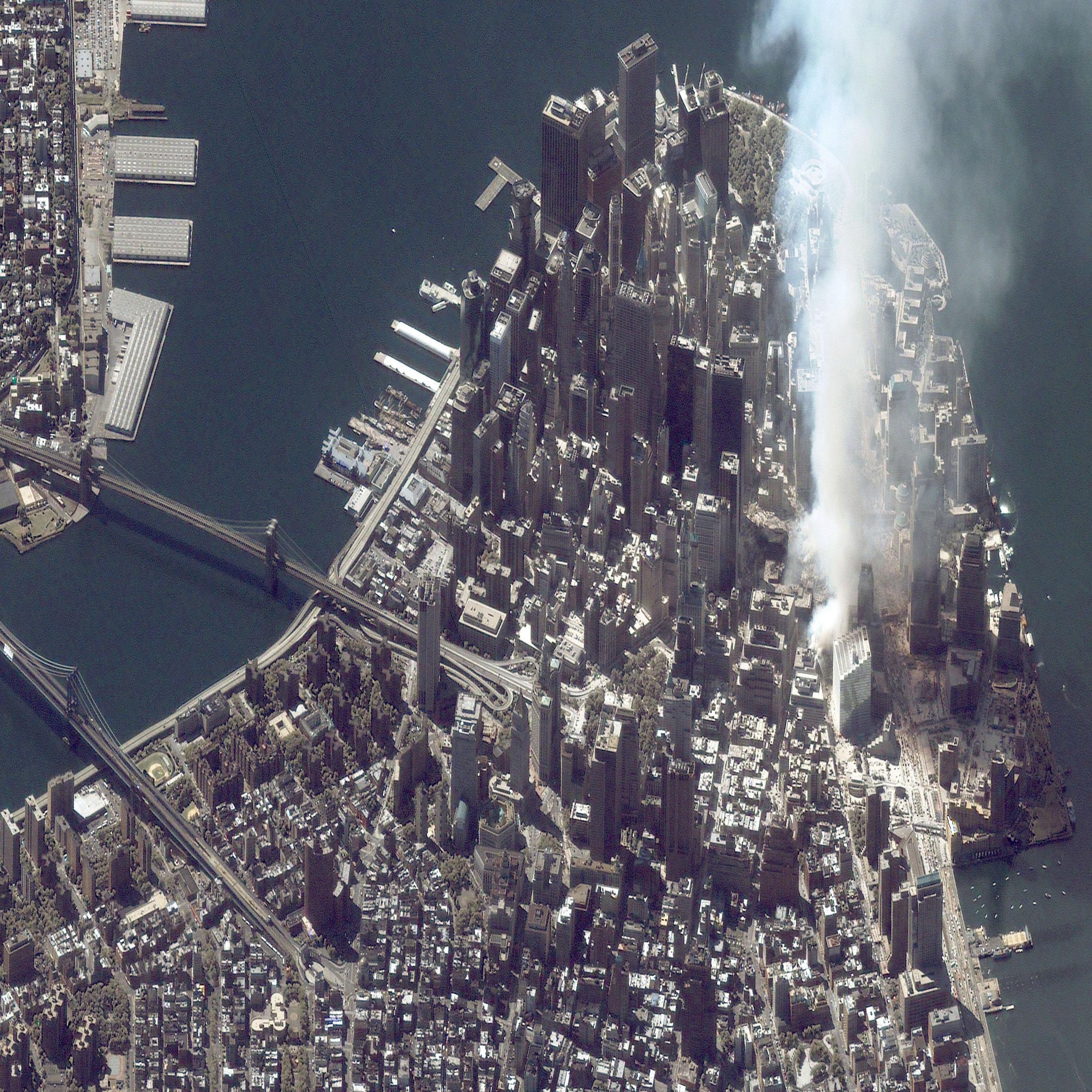
The attacks had an immediate and devastating effect on travel and tourism. Airspace across the United States was completely shut down, grounding all flights and stranding travelers worldwide. Major transportation hubs in New York City, including bridges and tunnels leading into Manhattan, were closed, effectively isolating the island. Hotels, which moments before were bustling with international visitors, transformed into temporary shelters for those unable to leave or for emergency responders seeking respite. The vibrancy of a city built on constant movement and connection suddenly ground to a halt, replaced by an eerie silence broken only by the wail of sirens.
The Immediate Aftermath and a City United
In the hours and days that followed the attacks, New York City grappled with unimaginable chaos, grief, and a colossal recovery effort. The area around the World Trade Center, swiftly dubbed “Ground Zero,” became a scene of unprecedented destruction. Thousands of first responders – firefighters, police officers, paramedics, and volunteers – rushed to the site, demonstrating extraordinary courage and selflessness. Their heroic actions, often at the cost of their own lives, embodied the spirit of the city.
The global travel industry came to a standstill, but the human spirit soared. New Yorkers, known for their fast-paced, sometimes gruff demeanor, displayed an astonishing unity and compassion. Thousands lined up to donate blood, volunteers from every walk of life contributed to relief efforts, and communities across the city opened their homes and hearts to those affected. From local restaurants providing free meals to hotels offering emergency accommodation, the city rallied. This period, while marked by profound sadness, also highlighted the incredible resilience and interconnectedness that defines life in a major metropolis. Visitors who were in the city at the time often recall the profound sense of community, the shared grief, and the quiet dignity that permeated the streets. Even in the face of such devastation, the city’s inherent strength, its “lifestyle” of endurance and diversity, shone through.

Small acts of kindness became commonplace, and the city’s ability to adapt was tested on an epic scale. Businesses in Lower Manhattan were either destroyed or forced to close for extended periods, impacting countless livelihoods. Yet, even amidst the rubble and despair, discussions about rebuilding began almost immediately, fueled by an unwavering determination to not just recover, but to emerge stronger and more united. The world watched, offered its support, and began to understand the profound spirit that defines New York City.
From Ground Zero to a Place of Profound Remembrance
The site where the World Trade Center once stood underwent a remarkable transformation in the years following September 11, 2001. What was once a devastating void, grimly known as “Ground Zero,” has been meticulously and thoughtfully reshaped into a powerful testament to memory, resilience, and hope. Today, the area serves as one of New York City’s most significant landmarks, drawing millions of visitors annually who come to pay their respects, learn, and reflect.
The centerpiece of this transformation is the National September 11 Memorial & Museum. Opened in 2011 and 2014, respectively, the Memorial and Museum complex is not merely a tourist attraction but a sacred space dedicated to honoring the nearly 3,000 victims of the 1993 and 2001 attacks. Its design and execution were handled with immense sensitivity, recognizing the dual need for public access and solemn remembrance.

The Memorial Pools and Museum: A Journey of Reflection
The outdoor National September 11 Memorial & Museum consists of two enormous reflecting pools, each occupying the precise footprints of the North and South Towers. These stunning architectural features are deeply symbolic: water cascades down 30-foot walls into a central void, representing the immense loss and absence left by the towers’ collapse. Engraved around the edges of these pools are the names of every victim of the 2001 and 1993 attacks, providing a poignant and personal connection to the tragedy. Visitors often trace the names, leave flowers, or pause in quiet contemplation, experiencing a profound sense of shared humanity and loss. Surrounding the pools is a tranquil plaza lined with over 400 swamp white oak trees, forming a living canopy that offers solace and a sense of renewal amidst the bustling city. Among them stands the “Survivor Tree,” a callery pear tree that endured the attacks and was nursed back to health, now a powerful symbol of resilience.
Below the Memorial plaza lies the National September 11 Memorial & Museum itself, a subterranean space that tells the story of 9/11 through artifacts, photographs, personal narratives, and interactive exhibits. As visitors descend into the museum, they are met with monumental remnants of the World Trade Center, such as portions of the original slurry wall that held back the Hudson River, the “Last Column,” covered in tributes and recovery worker insignia, and remnants of the antenna from the North Tower. The sheer scale of the preserved structures offers a chilling reminder of the towers’ immense size and the cataclysmic forces at play on that day.
The museum’s exhibitions are thoughtfully curated to both educate and evoke empathy. One section recounts the events of the day in vivid detail, using timelines, eyewitness accounts, and raw media footage. Another area focuses on the lives of the victims, showcasing personal effects, photographs, and audio recordings that speak to their individuality and the vibrant lives they led. The museum also explores the global context of terrorism, the immediate aftermath of the attacks, and the ongoing efforts of recovery and rebuilding. It is a powerful and often emotionally challenging experience, but one that is essential for understanding this pivotal moment in history. For tourists, it provides a crucial layer of context to their visit, encouraging respectful tourism and a deeper appreciation of New York City’s profound history.
Within walking distance of the Memorial, another significant landmark of resilience is St. Paul’s Chapel, Manhattan’s oldest surviving church building. Miraculously untouched by the falling debris, it served as a sanctuary and relief center for rescue workers in the months following 9/11, offering food, rest, and spiritual comfort. Its historical significance, combined with its role during the tragedy, makes it another important stop for visitors seeking to understand the diverse layers of this solemn historical site.
Rebuilding Lower Manhattan: A Testament to Resilience and Vision
The transformation of Lower Manhattan since September 11, 2001, stands as a monumental testament to New York City’s unwavering spirit, its architectural ambition, and its commitment to a thriving future. The area, once synonymous with devastation, has been reborn as a dynamic hub of commerce, culture, and connectivity, attracting new residents, businesses, and, of course, a constant stream of travelers. The rebuilding effort was not just about replacing what was lost; it was about imagining a better, more resilient, and more inspiring urban landscape.
The most prominent symbol of this rebirth is One World Trade Center, also affectionately known as the “Freedom Tower.” Soaring to a symbolic 1,776 feet (representing the year of American independence), it is the tallest building in the Western Hemisphere and a dazzling addition to the Manhattan skyline. More than just an office building, One World Trade Center features a breathtaking observation deck, the One World Observatory, which provides visitors with unparalleled 360-degree views of New York City, the Hudson River, the East River, and beyond. A visit here offers a powerful perspective on the city’s enduring grandeur and its remarkable recovery. For travel enthusiasts, it’s a must-see landmark that combines state-of-the-art architecture with a poignant historical context.
Adjacent to the tower, the Oculus, formally known as the Westfield World Trade Center Transportation Hub, is another architectural marvel. Designed by Santiago Calatrava, its striking white, winged structure evokes a dove in flight and serves as a major transportation nexus, connecting various subway lines and the PATH train system to New Jersey. Beyond its functional role, the Oculus houses a vibrant retail complex, offering high-end shopping and dining experiences within an awe-inspiring architectural setting. It’s a prime example of how modern design has integrated seamlessly with both memorial and commercial purposes, making Lower Manhattan a contemporary destination for lifestyle and travel.
The entire Financial District and surrounding neighborhoods have experienced a renaissance. New residential buildings have sprung up, transforming a traditionally business-focused area into a thriving residential community. This influx of residents has spurred the growth of new restaurants, cafes, and amenities, adding to the rich local culture. Numerous hotels, from luxury suites to boutique accommodations, have also opened, catering to the growing number of business travelers and tourists eager to experience the revitalized district. This boom in accommodation options, reviews, and diverse offerings exemplifies the area’s full recovery and reinvention as a sought-after destination for all types of stays.
Experiencing Lower Manhattan Today: Beyond the Memorial
While the National September 11 Memorial & Museum remains a central focus, Lower Manhattan today offers a rich tapestry of experiences that extend far beyond its somber history. The district is now a vibrant blend of historical landmarks, modern attractions, and bustling street life, making it an essential part of any New York City itinerary.
Visitors can easily spend a full day exploring the area. Take a stroll down Wall Street, home to the New York Stock Exchange and the iconic Charging Bull statue, symbolizing financial prowess. Wander through the charming cobblestone streets of the Financial District, discovering hidden gems and architectural wonders. Ferries to the Statue of Liberty and Ellis Island depart from nearby Battery Park, offering a chance to delve into American history and immigration stories. The iconic Brooklyn Bridge is also within easy reach, inviting travelers for a scenic walk or bike ride across to Brooklyn for stunning views of the Manhattan skyline.
The culinary scene in Lower Manhattan has flourished, with an array of dining options ranging from casual eateries to Michelin-starred restaurants, reflecting the city’s diverse food culture. Travelers can explore the vibrant neighborhoods of Greenwich Village and SoHo, just a short walk or subway ride away, each offering unique boutiques, galleries, and entertainment. The accessibility and sheer variety of experiences make Lower Manhattan an increasingly popular choice for travelers seeking a dynamic blend of history, modern lifestyle, and authentic New York experiences. Whether you’re interested in luxury travel or budget-friendly exploration, the area caters to all types of visitors, reinforcing its status as a premier destination.
In conclusion, September 11, 2001, was a day of profound tragedy that left an indelible mark on New York City and the world. Yet, from the depths of despair, the city showcased an unparalleled resilience, rebuilding not just structures but also its spirit. Today, Lower Manhattan stands as a powerful testament to memory, hope, and the enduring strength of the human spirit. Visiting this vibrant district offers a unique travel experience – one that combines somber reflection at the National September 11 Memorial & Museum with the inspiring sight of rebirth embodied by One World Trade Center and the dynamic life that pulsates through its streets. It is a journey that educates, moves, and ultimately, reminds us of the extraordinary capacity for a city, and its people, to heal, rebuild, and thrive.
LifeOutOfTheBox is a participant in the Amazon Services LLC Associates Program, an affiliate advertising program designed to provide a means for sites to earn advertising fees by advertising and linking to Amazon.com. Amazon, the Amazon logo, AmazonSupply, and the AmazonSupply logo are trademarks of Amazon.com, Inc. or its affiliates. As an Amazon Associate we earn affiliate commissions from qualifying purchases.