
The world of television often weaves intricate narratives that captivate audiences, and for fans of Chicago Fire, the journey of Gabriella Dawson, affectionately known as Gabby, has been a central thread in the fabric of the show. Her departure from One Chicago was a moment that resonated deeply with viewers, sparking numerous discussions and questions about her fate. While the on-screen narrative provided a conclusion to her story, the underlying reasons for her exit are a blend of creative decisions and the personal choices of the actress who brought her to life, Monica Raymund. This exploration delves into the arc of Gabby Dawson, her significant contributions to Firehouse 51, and the eventual path that led her away from the beloved drama, examining her character’s evolution and the impact of her absence on the show.
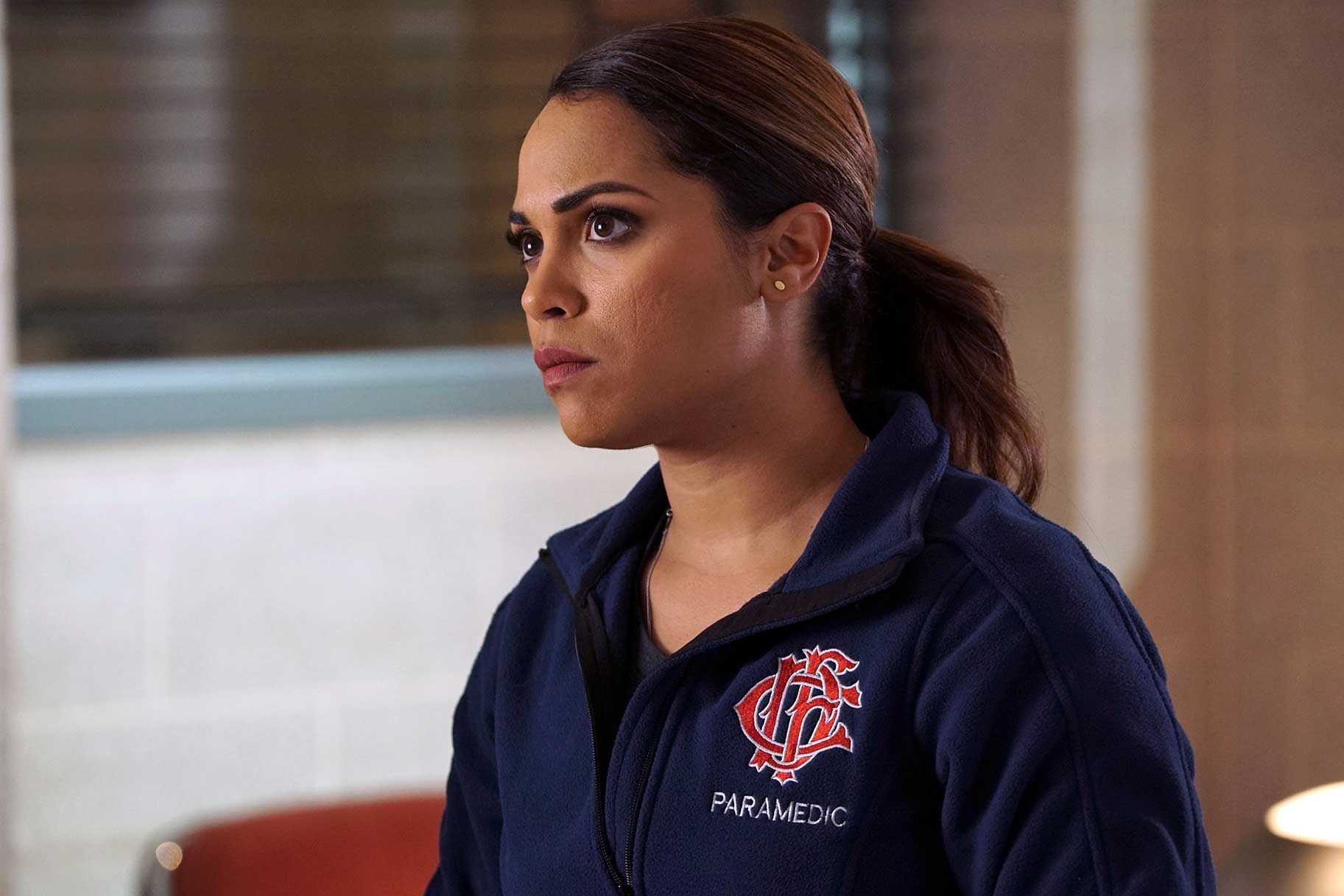
Gabby Dawson’s presence on Chicago Fire was more than just a character; she was a force of nature within the Firehouse 51 community. Her journey began as a dedicated paramedic, driven by an unwavering commitment to saving lives and serving the citizens of Chicago. Early on, her passion for her work was evident, often pushing boundaries and challenging the status quo to ensure the best possible care for patients. This dedication was not without its personal costs, as the demanding nature of her profession often tested her relationships and her own well-being. However, it was precisely this resilience and her inherent empathy that made her such a compelling figure.
Throughout her tenure, Gabby was instrumental in numerous high-stakes rescues and critical medical interventions. Her quick thinking and bravery under pressure became hallmarks of her character. Beyond her professional achievements, Gabby’s personal life was a significant part of her story. Her tumultuous yet deeply loving relationship with Lieutenant Matthew Casey was a cornerstone of the series, providing a relatable human element amidst the firefighting and rescue operations. Their on-again, off-again romance, marked by shared challenges and unwavering support, resonated with many viewers who invested in their journey together. The complexities of their relationship, from proposal blunders to navigating career aspirations, offered a nuanced portrayal of love within the intense environment of emergency services.
Gabby’s character also evolved significantly over time. She grew from a determined paramedic into a woman grappling with complex ethical dilemmas, personal aspirations, and the profound emotional toll of her job. Her decision to pursue further education and a career change was a pivotal moment, reflecting a desire for personal growth and a yearning to make an even greater impact. This evolution was carefully crafted to showcase her multifaceted personality and her ongoing quest for fulfillment, both professionally and personally.
The Creative Crossroads and Monica Raymund’s Decision
The narrative threads of any long-running television series are bound to reach turning points, and Gabby Dawson’s departure was one such significant juncture for Chicago Fire. While the show’s writers crafted a compelling storyline for her exit, the primary catalyst for her leaving the show was, in fact, the personal decision of the actress portraying her, Monica Raymund. After six seasons of bringing Gabby to life, Raymund made the choice to move on to new professional endeavors, seeking different acting challenges and opportunities.
This decision, while likely difficult, is a common occurrence in the television industry, where actors often seek to broaden their artistic horizons and explore diverse roles. Raymund’s commitment to Gabby was undeniable, and her portrayal garnered critical acclaim and a dedicated fanbase. However, the desire to step away from a familiar character and venture into new territories is a testament to her ambition as an artist.
The impact of an actor’s departure on a show’s narrative can be substantial. For Chicago Fire, Gabby’s exit necessitated a significant adjustment in the storylines of the remaining characters, particularly for Matthew Casey, with whom she shared such a profound connection. The writers had the challenging task of creating a believable and emotionally resonant departure that honored the character’s journey while paving the way for future plot developments.
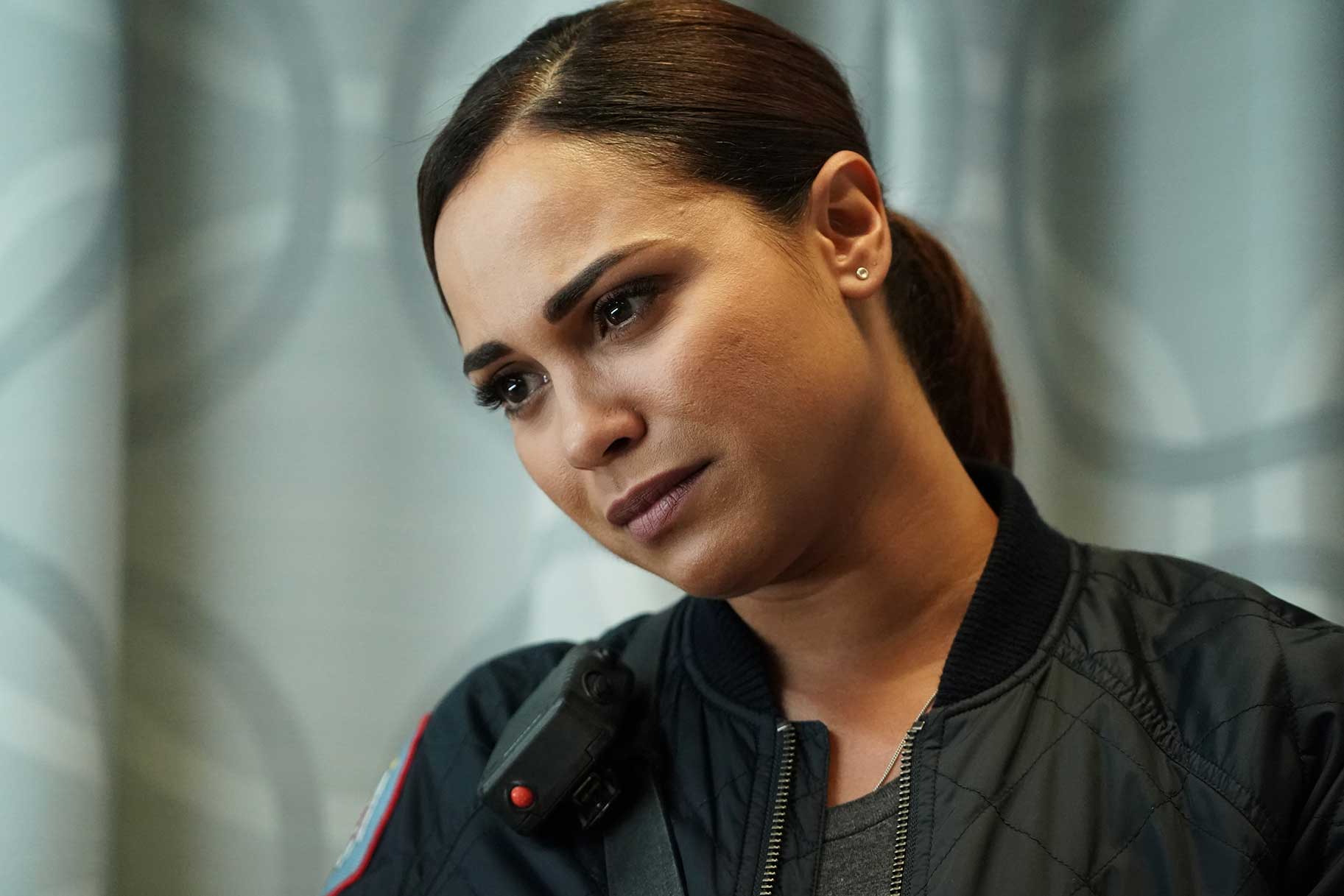
Gabby’s Story Arc: From Paramedic to Pediatric Care
Gabby Dawson’s narrative arc on Chicago Fire was a dynamic and deeply impactful one, tracing her evolution from a passionate paramedic to a woman seeking to redefine her impact on the lives of others. Her early years at Firehouse 51 were characterized by an unwavering dedication to her role as a paramedic. She consistently demonstrated a profound sense of duty and a remarkable ability to remain calm and effective in the face of life-or-death situations. Her empathy for patients was palpable, and she often went above and beyond the call of duty to ensure they received not only medical attention but also comfort and reassurance during their most vulnerable moments.
This commitment, however, came with its own set of challenges. The emotional toll of witnessing trauma and loss on a daily basis began to weigh on Gabby. She grappled with the inherent difficulties of her profession, experiencing burnout and questioning whether she was making the greatest possible difference. These internal struggles added a layer of realism and depth to her character, resonating with viewers who understood the pressures faced by individuals in high-stress professions.
A significant turning point in Gabby’s journey was her growing desire to contribute to the well-being of children. This aspiration stemmed from her experiences and a deep-seated passion for advocating for vulnerable populations. The opportunity to pursue a career focused on pediatric care presented itself, offering a path where she felt she could channel her skills and empathy in a new and meaningful direction. This decision was not made lightly. It involved careful consideration of her career goals, her personal fulfillment, and the potential impact she could have on young lives.
Her eventual decision to leave Chicago and pursue this specialized field was a culmination of her personal growth and a testament to her evolving understanding of where she could make the most significant contribution. It was a choice that reflected her intelligence, her compassion, and her determination to follow her dreams, even when it meant leaving behind the familiar comforts of Firehouse 51 and the people she had come to know and love. This transition allowed her character to explore a different facet of healthcare, showcasing her versatility and her enduring commitment to service.

The Impact of Her Departure on Firehouse 51 and Beyond
The absence of Gabriella Dawson from Firehouse 51 was a void felt by both her on-screen colleagues and the show’s dedicated audience. Her departure marked the end of an era for many, as she had been a central figure in the narrative for six seasons. Her strong presence, her unwavering dedication, and her complex relationships, particularly with Matthew Casey, had woven her deeply into the fabric of the show.
For Matthew Casey, Gabby’s exit was a profound emotional blow. Their relationship had been a central pillar of Chicago Fire, characterized by its intensity, its challenges, and its enduring love. Her departure forced Casey to confront his feelings and navigate his personal life without her by his side. This storyline provided opportunities for character development, as he had to learn to cope with loss and redefine his path forward. The writers explored the lingering impact of their shared history, and how memories of Gabby continued to influence his decisions and his outlook.
Beyond her romantic entanglements, Gabby’s role as a paramedic had a significant impact on the entire team. Her skills, her intuition, and her unwavering commitment to patient care set a high standard. Her absence meant that the team had to adapt to new dynamics and rely on different strengths to fill the gap she left behind. The introduction of new characters and the evolution of existing ones were natural consequences of her departure, allowing the show to explore fresh storylines and maintain its narrative momentum.
The fanbase also experienced a period of adjustment. Viewers had grown attached to Gabby, seeing her as a relatable and inspiring character. Her exit sparked considerable discussion on social media and fan forums, with many expressing their sadness and reminiscing about her most memorable moments. The impact of a beloved character leaving a show is a testament to the power of storytelling and the connection audiences form with the fictional worlds they inhabit. While her physical presence was no longer on Firehouse 51, Gabby Dawson’s legacy continued to resonate through the characters she influenced and the storylines she helped shape, reminding viewers of the profound impact a single individual can have on a community, both on-screen and off.