
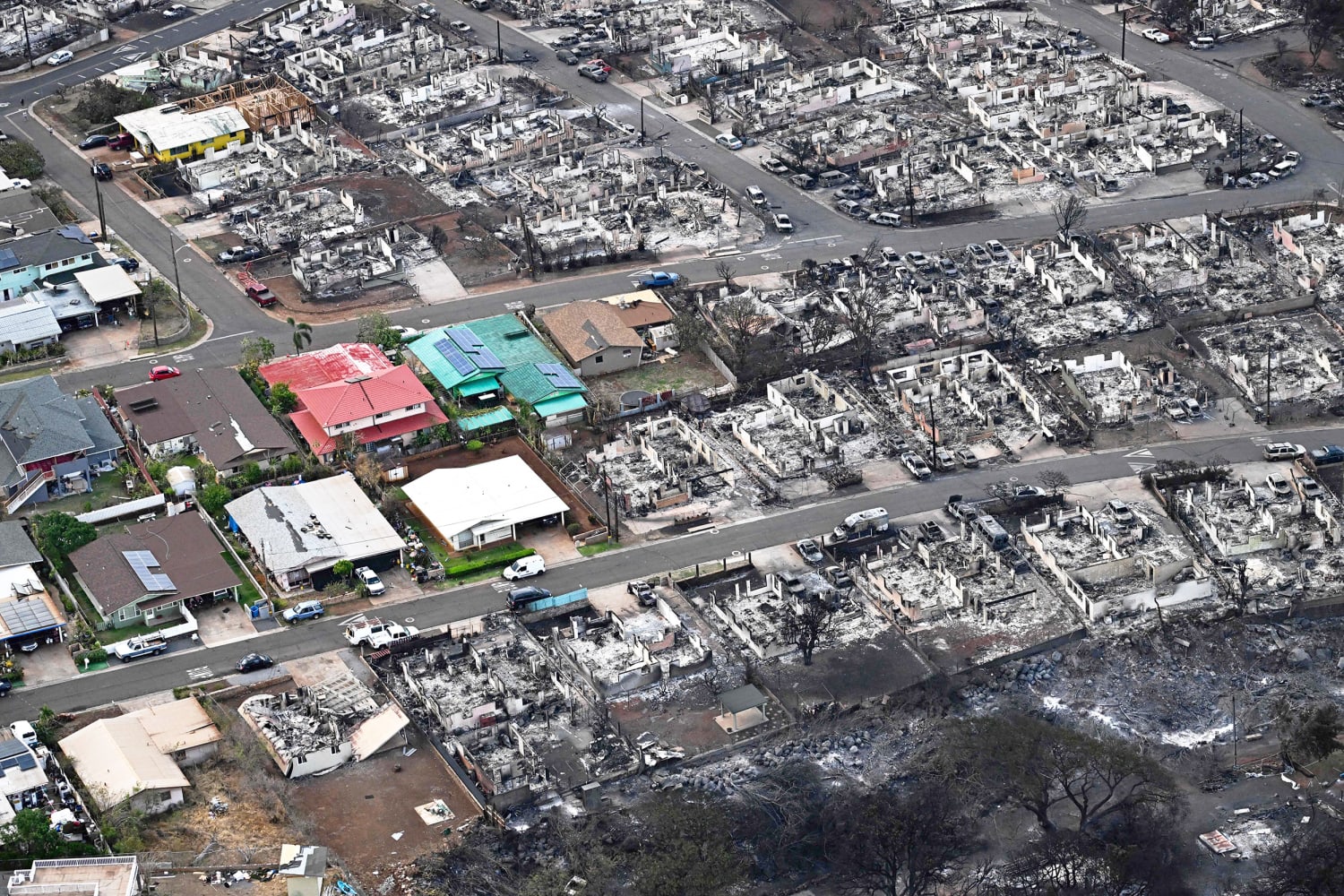
Hawaii, the paradise island chain that has long been synonymous with idyllic getaways, pristine beaches, and vibrant culture, has recently found itself at the forefront of global conversations for reasons far removed from its usual postcard-perfect image. The question “What Happened To Hawaii?” echoes with a somber tone, reflecting a profound shift from the tranquil dream destination to a place grappling with unprecedented challenges. While the allure of its turquoise waters and volcanic landscapes remains, the archipelago is now confronting a complex interplay of environmental crises, economic pressures, and social transformations that are reshaping its very identity. This article delves into the multifaceted realities that have befallen Hawaii, exploring the intricate tapestry of factors contributing to its current state, and examining how this beloved destination is navigating its future.

The Shifting Sands of Tourism and Environmental Strain
For decades, tourism has been the lifeblood of the Hawaiian economy, drawing millions of visitors each year eager to experience its unique aloha spirit, breathtaking natural beauty, and rich cultural heritage. However, this very success has, in many ways, contributed to the pressures the islands now face. The sheer volume of tourists, while economically beneficial, has placed an immense strain on fragile ecosystems, limited infrastructure, and local communities.
The Double-Edged Sword of Popularity
The iconic status of destinations like Maui, Oahu, and Kauai has led to overcrowding at popular attractions, from the historic Pearl Harbor to the majestic Diamond Head crater. This surge in visitors has resulted in increased traffic, waste generation, and demand for water resources, all of which are finite and particularly vulnerable in an island setting. The delicate balance of nature that underpins Hawaii’s appeal is now precariously tipping under the weight of its own popularity.
The impact is visible in various ways. Beaches, once serene escapes, can become crowded, diminishing the very tranquility that many seek. Hiking trails, like those leading to the stunning Na Pali Coast, experience significant footfall, necessitating stricter regulations and conservation efforts to prevent erosion and preserve the natural beauty. The coral reefs, vital to the marine ecosystem and a major draw for snorkelers and divers, are facing threats from pollution, sunscreen chemicals, and warming ocean temperatures, leading to widespread coral bleaching.
The Climate Crisis and its Coastal Consequence
Beyond the immediate impacts of tourism, Hawaii is on the front lines of the global climate crisis. Rising sea levels pose a significant threat to coastal communities, infrastructure, and natural habitats. Many of the hotels, resorts, and residential areas that dot Hawaii’s coastlines are increasingly vulnerable to erosion and inundation. The iconic beaches themselves are shrinking, and iconic landmarks are at risk.
The increase in the frequency and intensity of extreme weather events, such as hurricanes and flash floods, further exacerbates these environmental concerns. The Great Mauna Kea Telescopes, a testament to scientific endeavor, are also situated in an environment that is not immune to these broader climatic shifts. While the focus often falls on dramatic events, the gradual erosion of coastlines and the subtle warming of the ocean are perhaps more insidious threats, slowly but surely altering the landscape and the island’s ability to sustain itself.
Economic Realities and the Cost of Paradise
While tourism provides significant revenue, the economic landscape of Hawaii is complex and fraught with its own set of challenges. The cost of living is notoriously high, driven by the logistical complexities of importing goods to an isolated archipelago and a housing market that struggles to keep pace with demand. This economic reality has a profound impact on the lives of local residents and influences the type of tourism that the islands can sustainably support.
The High Cost of Island Living

For residents, the dream of living in Hawaii often comes with a hefty price tag. The average cost of housing, groceries, and everyday necessities far exceeds that of mainland United States. This economic disparity can create tension between the needs of the local population and the demands of the tourism industry. Many who work in the service sector, catering to tourists, struggle to afford to live in the very communities they serve. This has led to a growing concern about “tourism-induced displacement,” where local families are priced out of their ancestral lands.
The reliance on imported goods also makes the islands vulnerable to supply chain disruptions, as witnessed during global events. This dependence further inflates prices and highlights the inherent fragility of an island economy. While luxury hotels and exclusive resorts cater to a higher-spending demographic, the majority of the local population faces daily economic pressures that are often at odds with the perceived opulence of paradise.
Rethinking the Tourism Model
The economic model heavily reliant on mass tourism is increasingly being questioned. While it brings jobs and revenue, the question of who benefits and at what cost is paramount. There is a growing movement towards promoting more sustainable and responsible tourism, focusing on ecotourism, cultural immersion, and supporting local businesses. This shift aims to distribute the economic benefits more equitably and reduce the environmental footprint.
This involves encouraging visitors to engage with local communities, patronize locally owned establishments, and be mindful of their consumption. Destinations are exploring ways to manage visitor numbers more effectively, perhaps through reservation systems for popular spots or by encouraging travel during off-peak seasons. The goal is to move away from a model of “quantity over quality” to one that values authentic experiences and preserves the islands’ unique character for generations to come.
Cultural Preservation and the Aloha Spirit in a Modern World
The cultural fabric of Hawaii is as integral to its identity as its natural beauty. The rich Polynesian heritage, the concept of “aloha” as a way of life, and the deep connection to the land are what truly set Hawaii apart. However, the influx of external influences and the pressures of a rapidly changing world present significant challenges to cultural preservation.
Maintaining Authenticity Amidst Globalization
The commodification of Hawaiian culture, where traditions and symbols are sometimes diluted or misrepresented for tourist consumption, is a sensitive issue. While cultural performances and demonstrations are valuable for sharing heritage, there is a fine line between authentic expression and commercial exploitation. Many native Hawaiians and cultural practitioners are working tirelessly to ensure that their traditions are shared respectfully and authentically, preserving their integrity.
The language, ʻŌlelo Hawaiʻi, once facing extinction, has seen a remarkable revival thanks to dedicated efforts in immersion schools and community programs. However, its continued use and relevance in a globally connected world remains a subject of ongoing focus. The spirit of aloha, too, is not merely a welcoming gesture but a profound philosophy encompassing love, compassion, and respect. Sustaining this spirit requires a conscious effort from both residents and visitors to foster genuine connections and mutual understanding.
The Evolving Identity of Hawaii
Hawaii is not a static entity; it is a living, evolving place with a diverse population. The islands are home to people of Native Hawaiian, Asian, European, and many other ancestries, each contributing to the vibrant mosaic of contemporary Hawaiian society. The question of “What Happened To Hawaii?” also touches upon how this modern, multicultural identity is being shaped.
The challenges facing Hawaii are not unique to the islands; they reflect global trends of environmental degradation, economic inequality, and cultural preservation in the face of globalization. However, Hawaii’s unique geographical isolation and its profound cultural heritage lend a particular urgency to these issues. The resilience of the Hawaiian people, their deep connection to āina (land), and their unwavering spirit of aloha offer hope as they navigate these complex times. The future of Hawaii, and its ability to retain its magic while adapting to the realities of the 21st century, will depend on a collective commitment to sustainability, respect, and a deep understanding of what truly makes this archipelago a paradise.