
The story of the Seattle SuperSonics, affectionately known as the Sonics, is one of professional sports’ most heartbreaking sagas. For over four decades, this vibrant basketball franchise was an integral part of Seattle‘s identity, weaving itself into the city’s cultural fabric and thrilling generations of fans. From its humble beginnings as an expansion team to its glorious NBA championship, the Sonics embodied the spirit of the Emerald City. Yet, in a stunning turn of events, the team was relocated in 2008, leaving behind a void that continues to resonate with sports enthusiasts and residents alike. Understanding what truly transpired requires a journey through the team’s history, the complex web of ownership disputes, arena challenges, and the enduring passion of a city that refuses to let go.
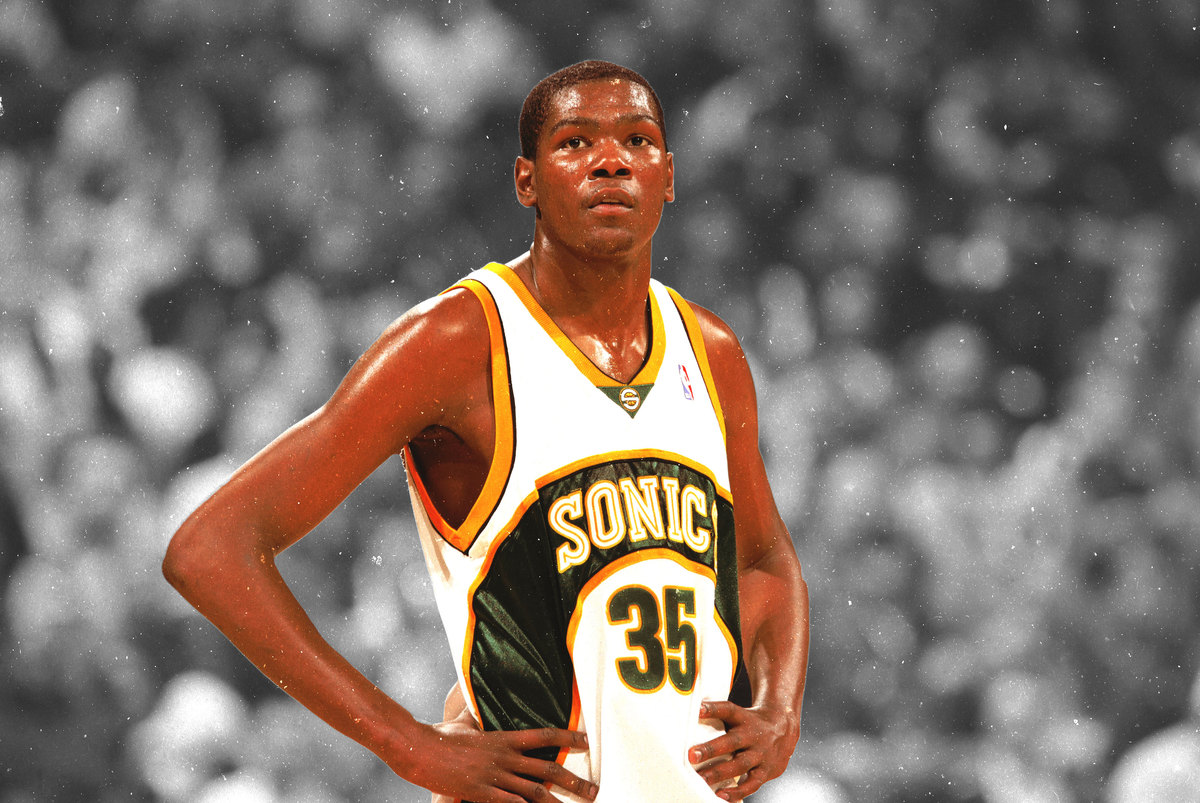
The Golden Era: A Championship Legacy in Seattle
The Sonics’ journey began in 1967 as one of the NBA’s first expansion franchises, alongside the San Diego Rockets. For sports travelers and locals alike, the team quickly became a source of civic pride, establishing a distinct identity in the burgeoning Pacific Northwest sports scene. Their early years saw the rise of legendary players who would etch their names into basketball history, captivating audiences and turning games into must-see events, contributing significantly to the local tourism landscape through fan engagement.
From Expansion to NBA Champions
The franchise quickly evolved from a nascent team into a formidable force. Under the guidance of early stars like Spencer Haywood, the Sonics laid the groundwork for future success. However, it was the late 1970s that truly solidified their place in league lore. Led by coach Lenny Wilkens and a dynamic roster featuring guards Dennis Johnson and Gus Williams, along with center Jack Sikma, the Sonics reached the NBA Finals in 1978, narrowly losing to the Washington Bullets. Undeterred, they returned with a vengeance the following year, defeating the Bullets in five games to claim the 1979 NBA Championship. This momentous victory wasn’t just a win for the team; it was a triumph for Seattle, a unifying event that etched the Sonics into the city’s collective memory and became a landmark moment in its history. The parades, the celebrations, and the shared joy became integral aspects of the city’s culture and a draw for sports tourism.
Defining Moments and Iconic Figures
Beyond the championship, the Sonics cultivated a rich history of iconic moments and beloved figures. The 1990s brought another golden era, with the electrifying duo of Gary Payton and Shawn Kemp. Under coach George Karl, this squad epitomized an exciting, fast-paced style of basketball that resonated deeply with fans. Their run to the 1996 NBA Finals, where they famously battled Michael Jordan‘s Chicago Bulls, remains a cherished memory for many. These were the days when games at the KeyArena (formerly the Seattle Center Coliseum) were not just sporting events but community gatherings, a vibrant display of the city’s lifestyle and shared passion. The energy was palpable, attracting visitors and contributing to the overall appeal of Seattle as a destination. The team’s legacy was built on more than just wins; it was built on a deep connection to its fans and the city’s unique identity.
The Unfolding Saga: Ownership Changes and Relocation Threats
Despite their storied past and fervent fan base, the Sonics’ stability began to erode in the early 2000s, setting the stage for one of the most painful chapters in Seattle sports history. The core issue revolved around the outdated KeyArena and the owners’ inability to secure public funding for a new, modern facility. This struggle ignited a long and contentious battle that would ultimately lead to the team’s departure, a cautionary tale for cities balancing sports, tourism, and infrastructure.
The Quest for a New Arena
By the turn of the millennium, the KeyArena, despite its history, was considered one of the smallest and least profitable venues in the NBA. Former owner Howard Schultz, then chairman of Starbucks, acquired the team in 2001 with the intention of revitalizing the franchise and securing a new arena. His efforts, however, met with significant resistance. Numerous proposals for a new state-of-the-art facility, often involving public financing, were floated and subsequently rejected by local and state governments in Washington. The debate was fierce, pitting economic development against public spending concerns. This deadlock created an untenable situation, making Seattle less attractive for retaining a major professional sports franchise, even one with such a deep historical connection to the city’s landmarks and community.
The Controversial Sale and the Final Season
Frustrated by the lack of progress, Howard Schultz sold the Sonics and the WNBA’s Seattle Storm in 2006 to a group of Oklahoma City businessmen led by Clay Bennett and Aubrey McClendon. The ownership group, Professional Basketball Club LLC, initially pledged to keep the team in Seattle for a significant period while continuing efforts for a new arena. However, this promise quickly unraveled. Almost immediately, the new ownership began exploring relocation options, primarily to Oklahoma City, Oklahoma.
The 2007-2008 season became a somber farewell. Despite the presence of burgeoning superstars like Kevin Durant, the team played under the heavy cloud of impending relocation. Fans, deeply loyal, continued to pack the KeyArena, turning games into passionate protests and heartfelt goodbyes. The legal battles intensified, with the city of Seattle attempting to enforce the team’s lease agreement. Ultimately, in July 2008, a settlement was reached, allowing Clay Bennett’s group to move the team, but requiring them to pay Seattle a significant sum. This marked the end of an era, transforming what was once a vibrant part of Seattle’s lifestyle and tourism appeal into a painful memory.
The Thunderous Silence: Seattle’s Loss and Oklahoma City’s Gain
The departure of the Sonics left an indelible mark on Seattle, creating a profound sense of loss that reverberated through the city. Simultaneously, a new chapter began for the franchise in Oklahoma City, a city eager to embrace its new team.
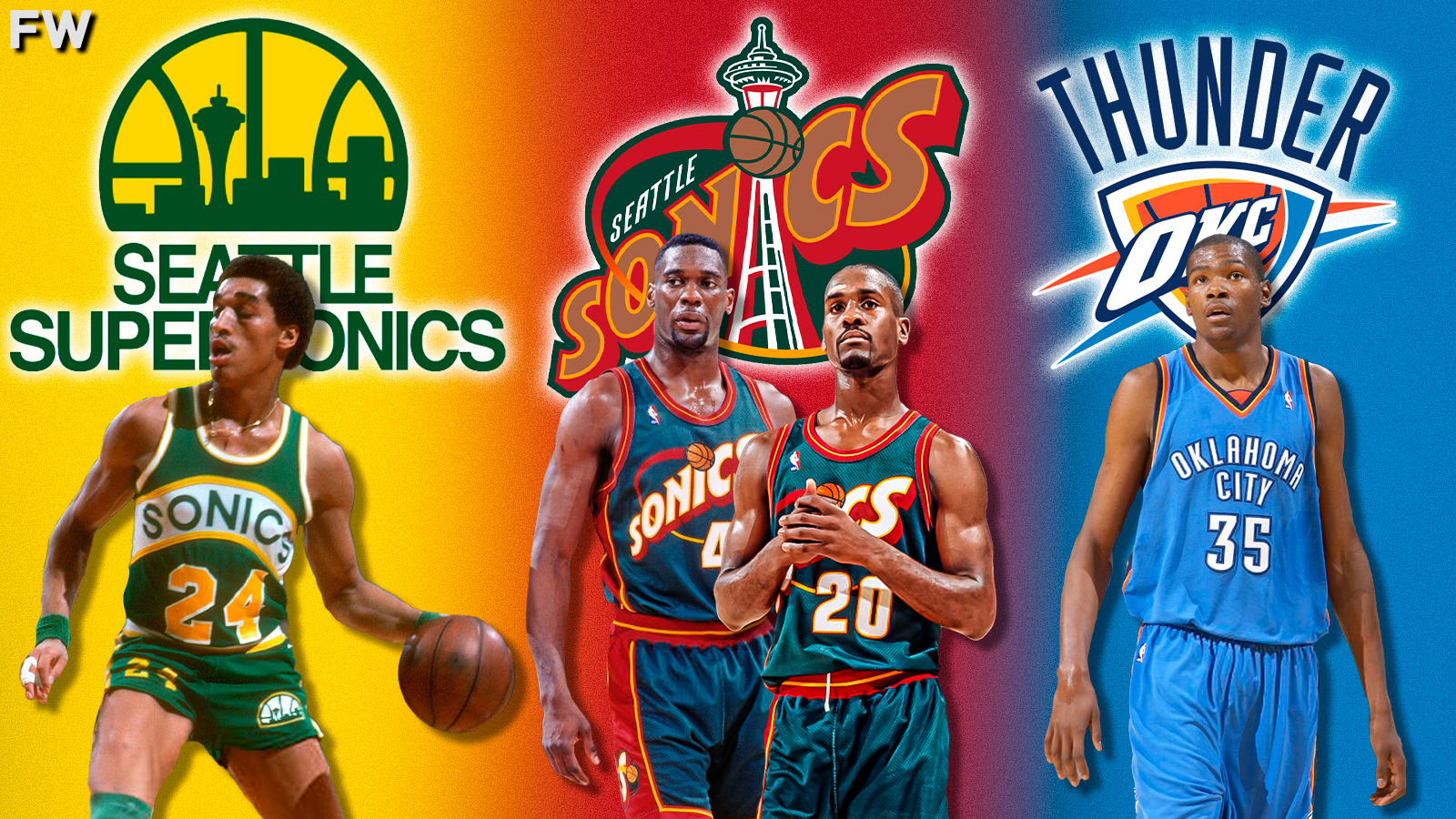
From Sonics to Thunder: A New Home, A New Identity
Upon relocating, the team underwent a complete rebranding. The Seattle SuperSonics became the Oklahoma City Thunder (often just called the Thunder), and their iconic green and gold colors were replaced with blue, orange, and white. The team quickly found success in its new home, fueled by young talents like Kevin Durant, Russell Westbrook, and James Harden. The Paycom Center (then the Ford Center) became a fortress, and the Thunder developed into a perennial contender, reaching the NBA Finals in 2012. For Oklahoma City, the team’s arrival signaled a new era of civic pride and an elevated profile on the national sports stage, impacting local tourism and lifestyle significantly.
An Enduring Hole in the Emerald City’s Heart
For Seattle, the loss was not easily forgotten. The pain of seeing a beloved team thrive elsewhere, especially one that carried the history and core of the Sonics, remained raw. The absence of an NBA franchise left a gaping hole in the city’s sports landscape, impacting the collective lifestyle and the tourism economy that once benefited from game nights. Landmarks like the Space Needle and Pike Place Market continued to define the city, but a piece of its sporting soul was missing. The green and gold colors of the Sonics, once ubiquitous, became symbols of a longing for what was lost. Fans continued to wear Sonics gear, attend rallies, and organize events, all in the hope of one day welcoming back their team. The memory of the Sonics became a touchstone, a reminder of Seattle’s vibrant past and its unyielding desire for a future with professional basketball.
The Lingering Dream: The Fight to Bring Basketball Back to Seattle
Despite the passage of time, the dream of bringing the NBA back to Seattle has never faded. If anything, it has intensified, fueled by passionate fans and dedicated civic leaders. This ongoing effort highlights the critical role sports play in a city’s identity, tourism, and lifestyle.
Arena Dreams and Expansion Hopes
Central to Seattle’s efforts has been the development of a suitable arena. The original KeyArena was eventually demolished and reimagined as the state-of-the-art Climate Pledge Arena. This impressive venue, which opened in 2021, is now home to the NHL‘s Seattle Kraken and the WNBA’s Seattle Storm. Crucially, it was built with NBA specifications in mind, signaling Seattle’s readiness and commitment.
Beyond the arena, the city has seen several high-profile attempts to acquire a team. In 2013, a group led by Chris Hansen, with backing from Microsoft CEO Steve Ballmer, attempted to purchase the Sacramento Kings and relocate them to Seattle. This effort, though ultimately unsuccessful, showcased the financial backing and fervent public support for an NBA return. With the league consistently discussing future expansion, Seattle remains a front-runner, often mentioned alongside other potential expansion cities like Las Vegas and Kansas City. The availability of a modern arena, combined with a strong market and an incredibly passionate fan base, positions Seattle as an ideal candidate for an expansion franchise, promising to revitalize sports tourism and local lifestyle.
A City United: The Undying Spirit of Sonics Fans
The resilience of Sonics fans is a testament to the enduring bond between a team and its community. Groups like “Sonicsgate” and “Save Our Sonics” have kept the flame alive through various initiatives, rallies, and social media campaigns. Their unwavering dedication ensures that the Sonics’ legacy is never forgotten and that the call for an NBA return remains loud and clear. For travelers exploring Seattle, the presence of Sonics memorabilia, discussions among locals, and the sheer energy around the possibility of a return are palpable, highlighting a unique aspect of the city’s tourism and cultural landscape. This enduring spirit is not just about basketball; it’s about a city’s collective identity and its determination to reclaim a cherished piece of its past, proving how deeply embedded a sports team can become in a community’s lifestyle and memory.
The Sonics’ Legacy: More Than Just a Basketball Team
The story of the Seattle SuperSonics transcends mere sports statistics. It’s a narrative deeply intertwined with the history, culture, and very essence of Seattle itself. Even in their absence, the Sonics continue to exert a powerful influence, shaping the city’s sports identity and future aspirations.
Cultural Impact and Tourist Appeal
The Sonics were more than just an NBA team; they were a cultural institution. Their success, their struggles, and their eventual departure left an indelible mark on the city’s collective psyche. The memories of legendary players, championship parades, and electric game nights at the KeyArena are woven into the fabric of [Seattle](https://lifeoutofthebox.com/seattle]’s narrative. This legacy contributes to the city’s unique appeal for visitors, especially those interested in sports history and the cultural impact of professional teams. Exploring landmarks like Seattle Center, home to the Climate Pledge Arena and the Museum of Pop Culture, offers glimpses into the city’s vibrant past, where the Sonics once reigned supreme. The story itself becomes a draw, attracting tourists who are fascinated by the human drama behind sports.
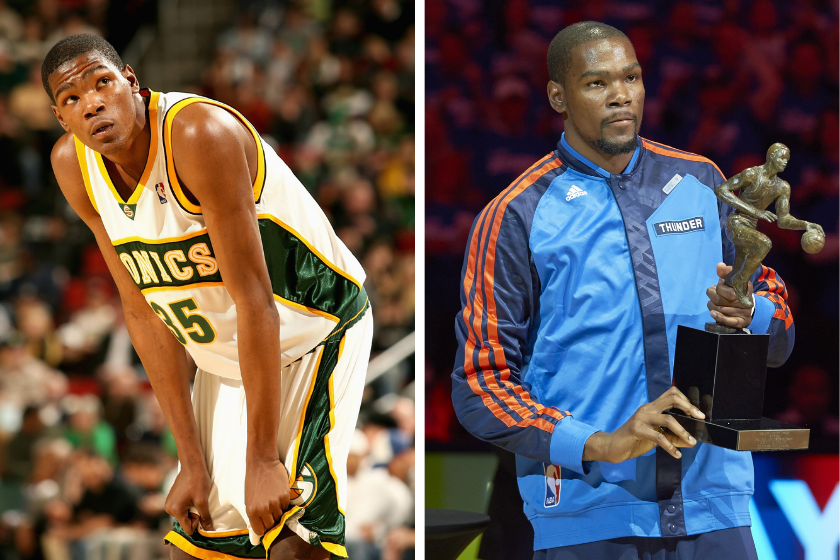
Beyond the Hardwood: Seattle’s Sporting Identity
While the Sonics’ departure was a devastating blow, Seattle has proven its resilience and its enduring passion for sports. The city is now home to a thriving sports scene, including the NFL’s Seattle Seahawks, MLB’s Seattle Mariners, and the aforementioned Seattle Kraken and Seattle Storm. These teams, alongside the beautiful natural landscapes of Lake Union and Puget Sound, solidify Seattle’s status as a premier destination for both sports fans and general travelers seeking diverse experiences. The city’s lifestyle, rich with outdoor activities and cultural attractions, is only enhanced by its professional sports teams.
What happened to the Seattle Sonics is a complex tale of business decisions, civic pride, and unwavering fan loyalty. It’s a testament to how deeply professional sports teams are integrated into the identity and economy of a city. While the Sonics are gone, their spirit lives on, fueling a collective desire for basketball’s triumphant return to Seattle. When that day comes, it will not just be the return of a team, but the culmination of a two-decade-long fight, a testament to the power of community, and a new chapter for one of America’s most beloved sports cities. The future promises new hotels, accommodation options, and tourism packages designed to cater to the reinvigorated sports lifestyle of Seattle, welcoming fans back to experience the thrill of the game in a city that truly missed it.
LifeOutOfTheBox is a participant in the Amazon Services LLC Associates Program, an affiliate advertising program designed to provide a means for sites to earn advertising fees by advertising and linking to Amazon.com. Amazon, the Amazon logo, AmazonSupply, and the AmazonSupply logo are trademarks of Amazon.com, Inc. or its affiliates. As an Amazon Associate we earn affiliate commissions from qualifying purchases.