
The vast, arid landscapes of Arizona are a canvas etched with the dramatic tales of celestial visitors. Among these cosmic encounters, one event stands out, not for its destructive power, but for its enduring mystery and the unique testament it offers to Earth‘s dynamic history: the Meteor Crater incident. Unlike the cataclysmic impacts that have reshaped continents, this particular visitor from the cosmos left behind a profound, relatively well-preserved scar on the Arizona desert, sparking scientific curiosity and becoming a captivating landmark.
The question “What happened to the meteor that hit Arizona?” isn’t just about the physical fate of the extraterrestrial rock; it delves into the scientific investigation, the enduring legacy of the impact, and its transformation into a significant destination for those seeking to understand our planet’s past and marvel at the power of the universe.

The Genesis of a Scar: The Winslow Meteorite
The story begins, as all such stories do, with a journey through the inky blackness of space. The object in question was a meteorite, a remnant of a celestial body that entered Earth‘s atmosphere with immense speed and energy. The precise timing of this impact is estimated to have occurred around 50,000 years ago, during the Pleistocene epoch. This was a time when megafauna roamed the land, and early humans, if present in the immediate vicinity, would have witnessed a truly awe-inspiring, and likely terrifying, spectacle.
The Impact Event
The sheer force of the impact was staggering. Scientists estimate that the meteorite, believed to be an iron meteorite weighing approximately 300,000 tons and measuring about 50 meters (160 feet) in diameter, struck the Arizona desert with the energy equivalent of a large nuclear bomb. The impact was so powerful that it vaporized a significant portion of the meteorite itself, instantly transforming rock and soil into a superheated plasma.
The kinetic energy of the impact excavated an enormous amount of material, creating a massive crater. The rim of the crater was pushed upwards, forming a raised mound of displaced rock that surrounds the impact site. The sheer scale of the excavation is remarkable: the crater measures nearly a mile in diameter and is over 500 feet deep. This event was not a slow descent; it was a violent, instantaneous transformation of the landscape. The shockwaves rippled outward, and the immense heat generated would have instantly sterilized a vast area.
The Unraveling Mystery: Scientific Exploration and Discovery
For millennia, the crater lay as a silent testament to its violent birth, largely unknown to the wider world. Its discovery and subsequent scientific investigation are a testament to human ingenuity and our relentless quest to understand the universe. The true nature of the Arizona crater as an impact site, rather than a geological anomaly like a volcanic caldera, was a subject of debate for many years.
Early Investigations and Debates
The crater’s distinctive shape and the presence of unusual geological formations around it, such as the shattered rock and the raised rim, initially puzzled geologists. Some theories proposed volcanic origins or the collapse of underground caverns. However, the presence of fragments of an unusual iron-nickel meteorite scattered across the landscape, coupled with the unique mineralogical evidence found within the crater, began to point towards an extraterrestrial origin.
The breakthrough in understanding the impact origin came from pioneering work by geologists like Grove Gilbert in the late 19th century. While Gilbert initially hypothesized a volcanic origin, his detailed observations and the recognition of features inconsistent with volcanic activity, such as the relatively sharp rim and the lack of volcanic rock, laid the groundwork for future impact theories. It was later researchers, armed with more advanced scientific tools and a growing understanding of impact mechanics, who definitively confirmed the meteorite impact hypothesis.
The Fate of the Meteorite
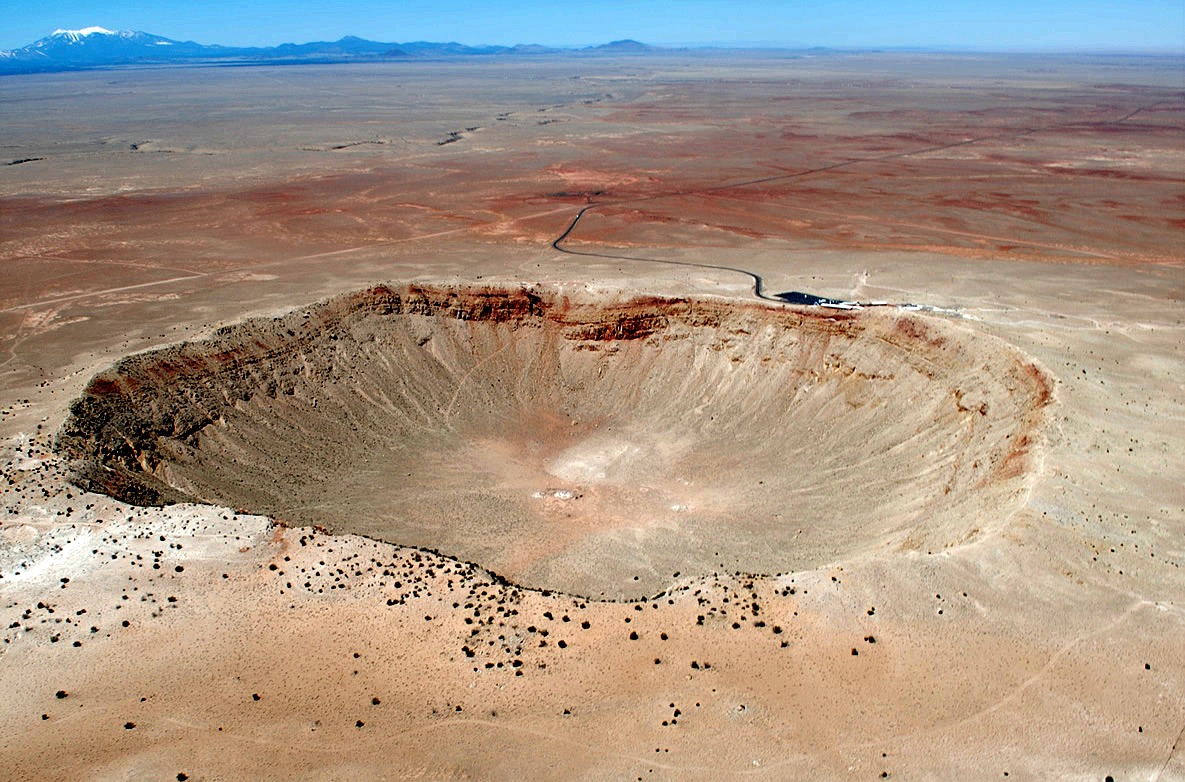
So, what happened to the meteor itself? As mentioned, a significant portion of the meteorite was vaporized upon impact due to the extreme heat and pressure. The remaining fragments, primarily iron-nickel alloys, were scattered around the impact site. These fragments, some of which are quite substantial, are scattered across a radius of several miles from the crater. They are not large, intact pieces of the original celestial visitor, but rather the remnants that survived the cataclysmic event.
The search for these fragments became a crucial part of the scientific investigation. Miners and prospectors, drawn by the allure of valuable metals, discovered some of these fragments, initially mistaking them for terrestrial ores. It was through meticulous analysis of these metallic pieces, their composition, and their isotopic signatures that scientists could confirm their extraterrestrial origin and link them directly to the crater. The Barringer Meteorite, a significant piece found near the crater, became a key artifact in understanding the impact event.
A Lasting Legacy: From Crater to Attraction
The Meteor Crater in Arizona is more than just a scar on the land; it is a vibrant educational resource, a testament to the power of natural forces, and a compelling destination for travelers seeking unique experiences. Its transformation from a geological puzzle to a well-understood natural wonder underscores the evolution of scientific understanding and the enduring human fascination with the cosmos.
Visiting Meteor Crater
Today, Meteor Crater is a privately owned and managed attraction, drawing visitors from around the globe. Located near Winslow, Arizona, the site offers a unique opportunity to stand on the edge of this immense impact structure and contemplate the vastness of space and the forces that shape our planet.
The visitor center at Meteor Crater provides comprehensive exhibits detailing the history of the impact, the scientific research conducted at the site, and the broader context of meteorite impacts on Earth. Interactive displays, geological samples, and informative films help visitors understand the mechanics of the impact and the scientific methods used to study it.
One of the most striking aspects of visiting Meteor Crater is the sheer scale of the site. Walking along the rim, visitors are offered breathtaking panoramic views of the crater’s vast expanse. The forces that created this feature are palpable, even after 50,000 years. The raised rim, the vast bowl, and the surrounding landscape all tell a story of cosmic violence and geological transformation.

Exploring the Surrounding Landscape and Opportunities
While Meteor Crater is the primary draw, its location in Arizona opens up a wealth of other travel and exploration opportunities. The state is renowned for its stunning natural beauty and rich cultural heritage. Visitors can easily combine a trip to Meteor Crater with explorations of other iconic Arizona landmarks.
For those interested in the natural world, the nearby Petrified Forest National Park offers a different kind of geological wonder, showcasing ancient fossilized trees and the colorful badlands of the Painted Desert. The Grand Canyon National Park, one of the world’s most famous natural landmarks, is also within a drivable distance, providing a starkly contrasting yet equally awe-inspiring display of Earth‘s geological history.
The nearby town of Winslow itself holds a certain nostalgic charm, famously immortalized in the Eagles song “Take It Easy.” Visitors can find comfortable accommodation options, from quaint motels to more established hotels, catering to various travel styles and budgets. The area also offers opportunities to experience local Arizona culture and cuisine.
For those seeking a more immersive experience, consider exploring the vast stretches of the Arizona desert. The region’s arid climate and unique flora and fauna offer a distinct lifestyle experience. Depending on the season, activities can range from stargazing, given the clear desert skies, to exploring ancient Native American ruins that dot the landscape. While luxury resorts might be found in larger cities like Phoenix or Scottsdale, the area around Meteor Crater leans towards a more adventure-oriented and nature-focused travel experience. Budget travel options are plentiful, and the focus is often on outdoor activities and self-guided exploration.
The legacy of the meteor that hit Arizona is thus multifaceted. It is a scientific marvel, a powerful reminder of our place in the cosmos, and a captivating destination that continues to inspire wonder and education. The crater stands as a silent, enduring monument to a fleeting, violent moment in geological time, an event that forever altered the Arizona landscape.