
The vibrant energy of a professional sports team often becomes intrinsically woven into the fabric of a city, shaping its identity, drawing visitors, and fueling a collective sense of pride. For nearly four decades, the [Seattle Supersonics] were that heartbeat for [Seattle], a dynamic [NBA] franchise that captivated fans and contributed significantly to the city’s unique charm. Their iconic green and gold jerseys were more than just uniforms; they were a symbol of community, a rallying point for celebrations, and a powerful draw for tourism and local engagement. From the electric atmosphere of game nights at [KeyArena] to the shared joy of a championship parade, the Sonics — as they were affectionately known — offered an unparalleled experience, deeply embedding themselves into the lifestyle of Washington state.
However, in one of the most painful chapters in professional sports history, this beloved team was controversially relocated, leaving a void that still resonates deeply within [Seattle]. The story of the Supersonics’ departure is a complex narrative of ownership changes, stadium controversies, passionate fan protests, and a heartbreaking farewell. It’s a tale that goes beyond mere basketball, touching upon themes of civic identity, economic impact, and the enduring power of community spirit. For those visiting [Seattle], or even residents recalling a bygone era, understanding what happened to the Supersonics is essential to appreciating a significant piece of the city’s modern history and the profound impact a major league franchise can have on its home.
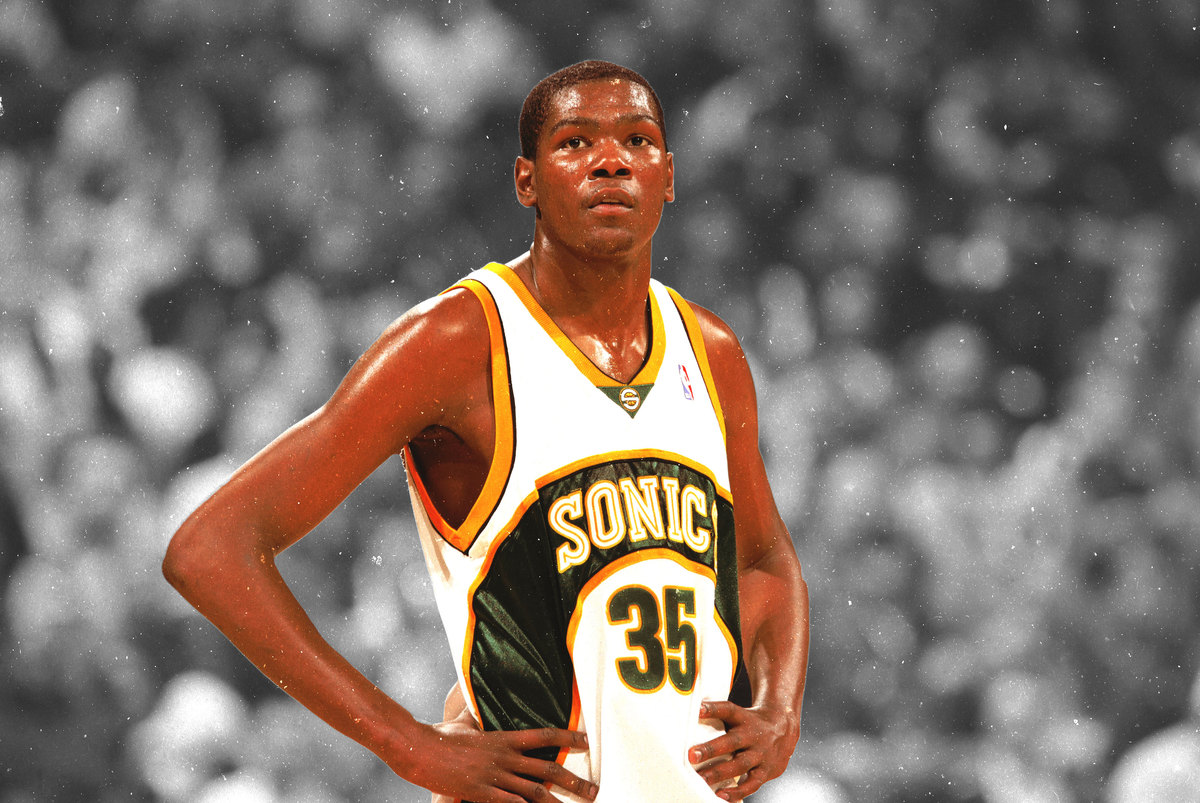
A City’s Green and Gold Heartbeat: The Supersonics’ Legacy
The [Seattle Supersonics] weren’t just a basketball team; they were a cultural phenomenon that defined a generation in the Pacific Northwest. Established in 1967, the franchise quickly grew to represent the pioneering spirit of [Seattle], mirroring the city’s innovative drive and independent streak. Their early years saw the development of a passionate fanbase, drawn to the fast-paced action and the emerging stars of the league. Over the decades, the Sonics cultivated a rich history of competitive basketball, making numerous playoff appearances and showcasing a style of play that was both exciting and uniquely their own. This sustained success transformed game nights into must-attend events, creating a vibrant atmosphere that echoed through the city’s hotels, restaurants, and entertainment venues.
Golden Eras and Community Ties
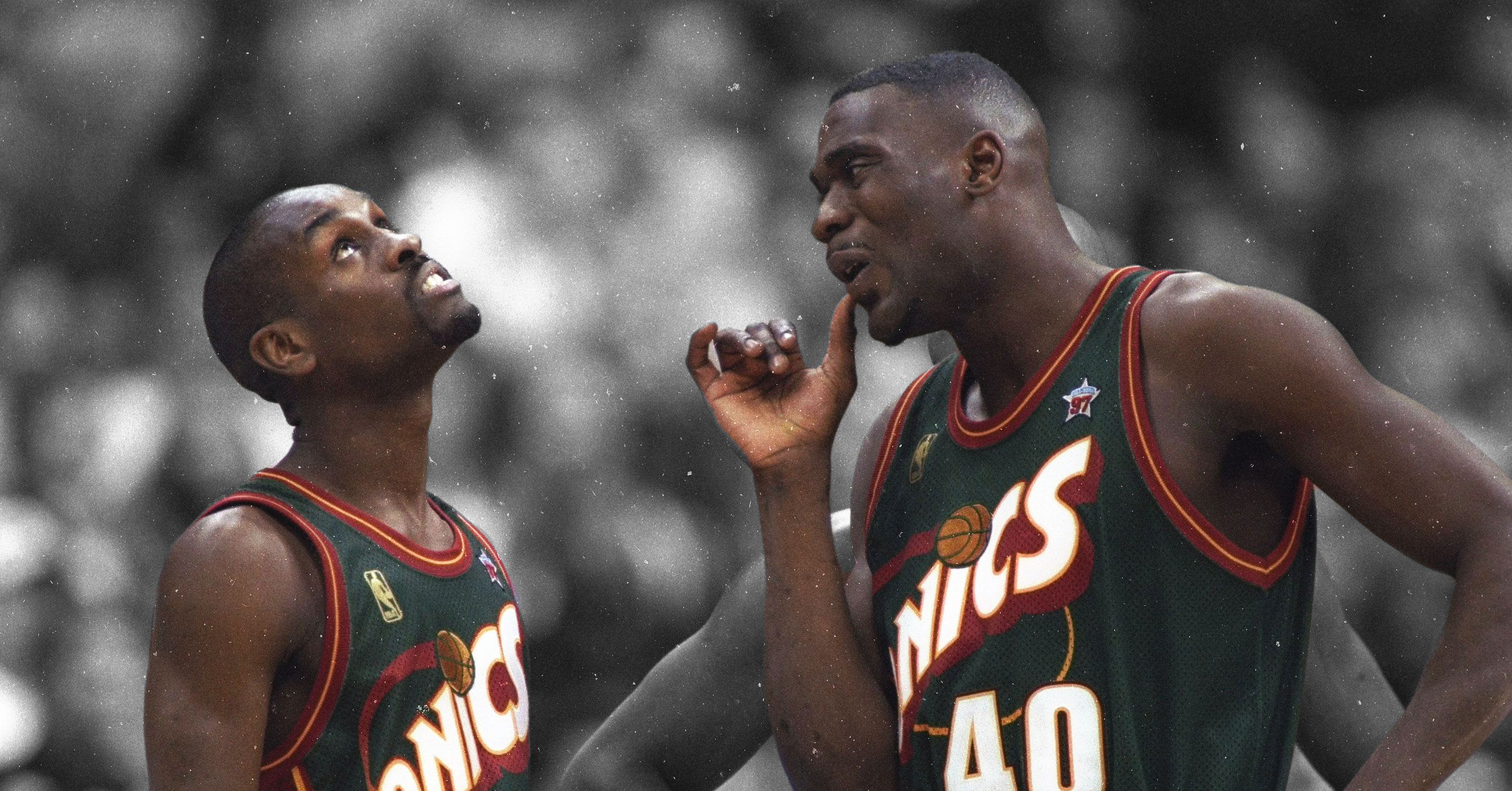
The apex of the Supersonics’ storied history arrived with their triumphant 1979 [NBA] Championship. This monumental victory wasn’t just a win for a sports team; it was a collective triumph for [Seattle], sparking city-wide celebrations that solidified the team’s place in the hearts of its residents. The parades, the fan gatherings, and the sheer euphoria of that period became a cornerstone of local memory, fostering an unbreakable bond between the team and its community. Subsequent eras, particularly the memorable teams of the 1990s featuring superstars like Gary Payton and Shawn Kemp, further cemented this connection. These teams, known for their tenacious defense and electrifying offense, consistently drew sold-out crowds to [KeyArena], turning each game into a grand spectacle.
The Sonics’ presence extended far beyond the court. Players were deeply involved in community initiatives, visiting schools, participating in charity events, and becoming recognizable figures within the [Seattle] lifestyle. This engagement fostered a sense of shared ownership and pride, making the team feel like an integral part of the city’s fabric. For tourists, a Sonics game offered a quintessential [Seattle] experience – an opportunity to immerse themselves in local culture, cheer alongside passionate fans, and witness world-class athletic talent. This generated significant tourism, especially during playoff runs, with visitors booking hotels, dining at local establishments, and exploring the city’s attractions before and after games. The team’s global recognition also put [Seattle] on the map for international sports enthusiasts, enhancing its appeal as a vibrant destination.
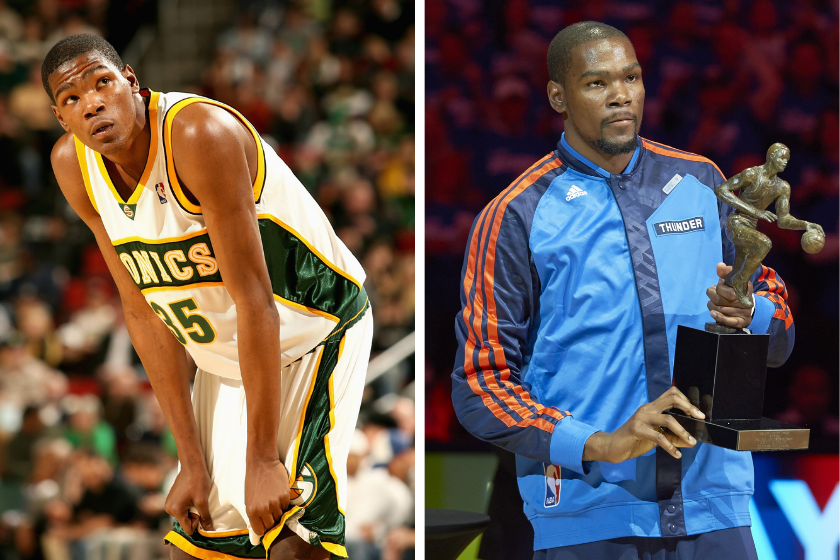
Seattle’s Sporting Landmark: KeyArena
At the heart of the Supersonics’ identity was [KeyArena], a landmark structure nestled in the [Seattle Center] complex. Originally built for the 1962 World’s Fair as the [Seattle Coliseum], the arena underwent significant renovations over the years, most notably in 1995, transforming it into a modern sports and entertainment venue. [KeyArena] was more than just a place to play basketball; it was a cultural hub, a gathering point that hosted countless concerts, events, and, most importantly, the electrifying [NBA] games. Its unique architecture and central location made it easily accessible and a recognizable symbol of [Seattle]’s urban landscape.
The arena played a critical role in the city’s tourism and accommodation sectors. On game nights, nearby hotels in the Queen Anne and Downtown districts would see spikes in bookings, catering to both local fans making a night of it and out-of-town visitors coming to catch a game. Restaurants and bars around the [Seattle Center] bustled with pre-game and post-game crowds, creating a vibrant economic ecosystem directly linked to the team’s schedule. [KeyArena] was not just a venue; it was an attraction in itself, a testament to the city’s commitment to sports and entertainment. The memories created within its walls – the thunderous applause, the buzzer-beaters, the championship celebrations – are indelible parts of [Seattle]’s history, making its eventual loss as the Supersonics’ home all the more poignant.
The Unraveling: A New Arena and a Fateful Sale
Despite the [Seattle Supersonics]’ deep roots and championship legacy, the early 2000s ushered in a period of uncertainty and escalating challenges. The primary issue revolved around [KeyArena]. While beloved for its history and location, the facility, even after its 1995 renovation, began to fall behind the curve in terms of modern [NBA] standards. Many new arenas being built across the league offered luxurious amenities, significantly more premium seating, and state-of-the-art infrastructure that promised increased revenue streams, which owners argued were essential for competitiveness. This growing disparity laid the groundwork for a contentious debate that would ultimately reshape the future of professional basketball in [Seattle].
The Stadium Stalemate: A Question of Vision
The quest for a new, publicly funded arena became a central point of contention. The then-ownership group, led by [Starbucks] chairman [Howard Schultz], argued vehemently that without a modern facility, the team could not generate the necessary revenue to compete financially with other [NBA] franchises. They presented various proposals for either extensive renovations to [KeyArena] or the construction of an entirely new venue, often with a significant public funding component. However, these proposals met with considerable resistance from the city of [Seattle] and King County officials. The public debate was intense, pitting the desire to keep a beloved team against concerns about taxpayer burden and the prudent use of public funds.
This prolonged stalemate had significant implications for the city’s urban planning and future tourism prospects. A new, state-of-the-art arena would not only secure the Sonics’ future but also potentially revitalize surrounding neighborhoods, attract more major events (concerts, conferences), and boost hotel occupancy and local commerce. Conversely, the uncertainty surrounding the team’s venue created a cloud over future development plans and investment in sports-related tourism infrastructure. The inability to reach a consensus on an arena solution became a critical factor in the subsequent ownership change and the team’s eventual fate, highlighting the complex interplay between sports franchises, urban development, and public policy.
The Ownership Shift and Looming Doubts
Frustrated by the inability to secure public funding for a new arena, [Howard Schultz] eventually decided to sell the [Seattle Supersonics]. In 2006, he sold the franchise to a group of Oklahoma City businessmen, led by [Clay Bennett] and his [Professional Basketball Club LLC]. This transaction, initially presented with assurances that the new ownership intended to keep the team in [Seattle], quickly became shrouded in suspicion. Bennett’s group had strong ties to [Oklahoma City], a city that had previously hosted the New Orleans Hornets (now the [New Orleans Pelicans]) temporarily after Hurricane Katrina, demonstrating its viability as an [NBA] market.
Almost immediately after the sale, a shift in rhetoric became apparent. Despite initial promises, the new ownership group rapidly intensified efforts to secure a new arena in [Oklahoma City], rather than focusing on solutions in [Seattle]. This fueled widespread skepticism and fear among [Seattle] fans and city officials, who felt misled by the initial assurances. The acquisition by a group from a city widely known to covet an [NBA] franchise signaled a potentially devastating turning point. The lifestyle of [Seattle] residents, so accustomed to the Sonics’ presence, was now threatened by an uncertain future. Local businesses, from downtown hotels to small sports bars, began to contemplate the potential economic void if their iconic team were to depart, underscoring how deeply interwoven the team was with the city’s commercial and social fabric.
The Final Whistle: Relocation and a City’s Grief
The period following [Clay Bennett]’s acquisition of the [Seattle Supersonics] was marked by escalating tensions, legal battles, and a profound sense of anguish among the fans. What had begun as a stadium financing dispute quickly morphed into an existential crisis for the franchise in [Seattle]. Despite the fervent protests and passionate efforts by the community, the new ownership’s intentions became clearer with each passing month, leading inevitably to the most dreaded outcome: relocation. This chapter represents one of the darkest moments in [Seattle]’s sporting history, leaving a legacy of heartbreak and a deep cultural wound.
The Battle for Seattle’s Soul
As the intentions of [Clay Bennett]’s ownership group became undeniably clear – to move the team to [Oklahoma City] – the city of [Seattle] rallied in an extraordinary display of civic passion. A massive “Save Our Sonics” campaign emerged, uniting fans, local businesses, and political figures in a desperate attempt to keep the team. Marches and rallies were organized, petitions garnered hundreds of thousands of signatures, and dedicated fan groups worked tirelessly to explore every conceivable option to keep the Sonics in their rightful home. This grassroots movement highlighted the powerful connection between the team and the city’s identity, demonstrating how deeply ingrained the Supersonics were in the local lifestyle and tourism appeal.
The city of [Seattle] even initiated a lawsuit against Bennett’s [Professional Basketball Club LLC], arguing that the team’s lease at [KeyArena] was binding and that the owners were obligated to play there until 2010. The lawsuit sought to enforce this lease, aiming to buy more time for a local ownership group to emerge or for a new arena solution to be found within [Washington] state. This legal battle became a focal point, drawing national attention and symbolizing the city’s unwavering resolve. The protracted legal proceedings were emotionally taxing for everyone involved, casting a long shadow over the final games played at [KeyArena]. The atmosphere at these games was a mix of defiant hope and palpable sadness, as fans tried to savor every last moment while fighting for their team’s survival.
From Sonics to Thunder: A New Era in Oklahoma City
Despite the immense public outcry, the legal challenges, and the passionate “Save Our Sonics” movement, the efforts to keep the team in [Seattle] ultimately fell short. In July 2008, a settlement was reached between the city of [Seattle] and [Clay Bennett]’s ownership group. As part of the agreement, the city agreed to release the Supersonics from their [KeyArena] lease, receiving a financial payout of $45 million, with an additional $30 million if [Seattle] did not receive a new [NBA] team within five years. This settlement paved the way for the immediate relocation of the franchise.
The move was swift and devastating. The team’s assets, including its roster of players, coaching staff, and historical records, were transferred to [Oklahoma City]. The [Seattle Supersonics] officially ceased to exist, and a new franchise, the [Oklahoma City Thunder], was born. The Sonics’ distinctive green and gold colors, their cherished logo, and their championship banner were left behind in [Seattle], a bittersweet testament to a bygone era. The team’s history, however, including the championship and all player statistics, remained with [Seattle] in the event an [NBA] franchise ever returned to the city. For [Oklahoma City], this marked a new chapter, bringing the excitement of top-tier professional basketball to their city and transforming their local economy and lifestyle. For [Seattle], it was the end of an era, leaving a profound void that impacted everything from local tourism to the collective identity of its sports-loving residents. The departure was not just the loss of a team; it was the loss of a shared experience, a landmark presence, and a vibrant part of the city’s soul.
The Lingering Echoes: Economic and Cultural Impact
The departure of the [Seattle Supersonics] left an indelible mark on the city, far beyond the confines of the basketball court. The void created by the loss of an [NBA] franchise rippled through various sectors, profoundly affecting [Seattle]’s economy, cultural landscape, and the lifestyle of its residents. While the city has demonstrated remarkable resilience and growth in the years since, the absence of the Sonics served as a stark reminder of the economic and social value a professional sports team brings to its home.
A Void in Seattle’s Tourism and Lifestyle Scene
The most immediate and tangible impact of the Supersonics’ relocation was felt by [Seattle]’s tourism and hospitality industries. Game nights at [KeyArena] were not just sporting events; they were major attractions that consistently drew thousands of visitors, both local and from out of town. Hotels in downtown [Seattle], particularly those near the [Seattle Center] like the [Hyatt Regency Seattle] or the [Grand Hyatt Seattle], regularly saw increased occupancy rates, especially during high-profile games or playoff runs. Restaurants, bars, and retail shops around the arena and throughout the city experienced significant boosts in revenue from game-day traffic. The Sonics generated ancillary spending that supported countless small businesses and jobs within the city’s vibrant economy.
With the team gone, this consistent stream of tourism dollars vanished. The buzz and excitement that permeated the city on game days dissipated, leading to a noticeable quietness in certain districts. The loss of a major professional sports team also diminished [Seattle]’s appeal as a destination for sports tourism. While the city still boasts the Seattle Seahawks, Seattle Mariners, and Seattle Sounders FC, the unique allure of [NBA] basketball, particularly during its intense playoff months, was a distinct draw. The departure also impacted the local lifestyle, as the routine of attending games, tailgating, and sharing in the collective experience of professional basketball was abruptly cut short, leaving a cultural gap that was hard to fill. The shared identity of being a “Sonics fan” was a significant part of many Seattleites’ lives, and its absence created a sense of loss and disconnection.
The Resurgence: New Teams, New Hope
Despite the deep wound left by the Supersonics’ departure, [Seattle] is a city defined by innovation and resilience, and it did not stand still. In the years that followed, the city focused on revitalizing its sports landscape and bolstering its tourism infrastructure. The highly successful [Seattle Sounders FC] in Major League Soccer continued to build a passionate fan base, and the [Seattle Seahawks] achieved unparalleled success, culminating in their [Super Bowl XLVIII] victory, which united the city in a new wave of pride and celebration. These teams, alongside the Seattle Storm, helped to fill some of the void, demonstrating the enduring love for sports in the region.
Perhaps the most significant development in recent years for [Seattle]’s sports scene, and its tourism appeal, has been the arrival of the [Seattle Kraken], an [NHL] expansion team, in 2021. This heralded the return of major winter professional sports to [KeyArena], which underwent a monumental transformation into the state-of-the-art [Climate Pledge Arena]. This spectacular new venue, built with sustainable practices and modern amenities, has not only provided a world-class home for the Kraken but has also positioned [Seattle] to host other major events and potentially attract another [NBA] franchise in the future. The redevelopment of the arena, coupled with the success of existing and new teams, has injected fresh energy into [Seattle]’s lifestyle, once again drawing visitors and creating vibrant game-day atmospheres that contribute significantly to the local economy and urban experience. The city has shown that while the Sonics are gone, its spirit for professional sports, and its capacity to thrive as a premier travel destination, remains stronger than ever.
Looking Forward: The Dream of an NBA Return
The story of the [Seattle Supersonics] is a poignant one, a testament to the profound connection between a city and its sports team. While the pain of their departure still lingers for many, [Seattle] has never given up on the dream of an [NBA] return. The transformation of [KeyArena] into the magnificent [Climate Pledge Arena] is a clear signal of the city’s readiness, boasting all the modern amenities, luxury suites, and revenue-generating potential that modern professional sports franchises demand. This landmark venue, already home to the [Seattle Kraken] and the [Seattle Storm], is perfectly positioned to welcome an [NBA] team back into the fold.
The continuous success of other [Seattle] sports franchises—the enduring popularity of the [Seattle Seahawks], [Seattle Sounders FC], and the exciting new era of the [Seattle Kraken]—demonstrates that [Seattle] remains a vibrant and passionate sports market. The fan base is eager, the corporate support is robust, and the city’s economic vitality, fueled by tech giants and a thriving tourism sector, makes it an attractive prospect for the [NBA]. Travel to [Seattle] is booming, and the addition of another major professional sports team would further enhance its appeal as a premier destination, drawing more visitors to explore its unique attractions, dine at its acclaimed restaurants, and stay in its diverse range of hotels, from boutique establishments to luxury resorts. The [NBA] has openly acknowledged [Seattle]’s viability as a potential expansion or relocation market. The question is no longer if [Seattle] deserves an [NBA] team, but when the right opportunity will arise. Until then, the green and gold legacy of the Supersonics remains alive in the hearts of its fans, a powerful reminder of what was and a hopeful vision for what will one day be again. [Seattle] is waiting, ready to roar again with the return of professional basketball, eager to once again weave an [NBA] team into the rich tapestry of its dynamic lifestyle and global appeal.