
Experiencing a miscarriage is an incredibly difficult and emotionally taxing event. When this occurs while you are traveling, particularly in a place like Florida, the added layer of logistical and emotional challenges can feel overwhelming. Navigating unfamiliar surroundings, potentially away from your usual support network, and dealing with a significant personal loss can be daunting. This guide aims to provide clarity on what to expect and what steps you can take if you experience a miscarriage in Florida, focusing on available medical care, emotional support, and practical considerations, all within the context of a travel experience.
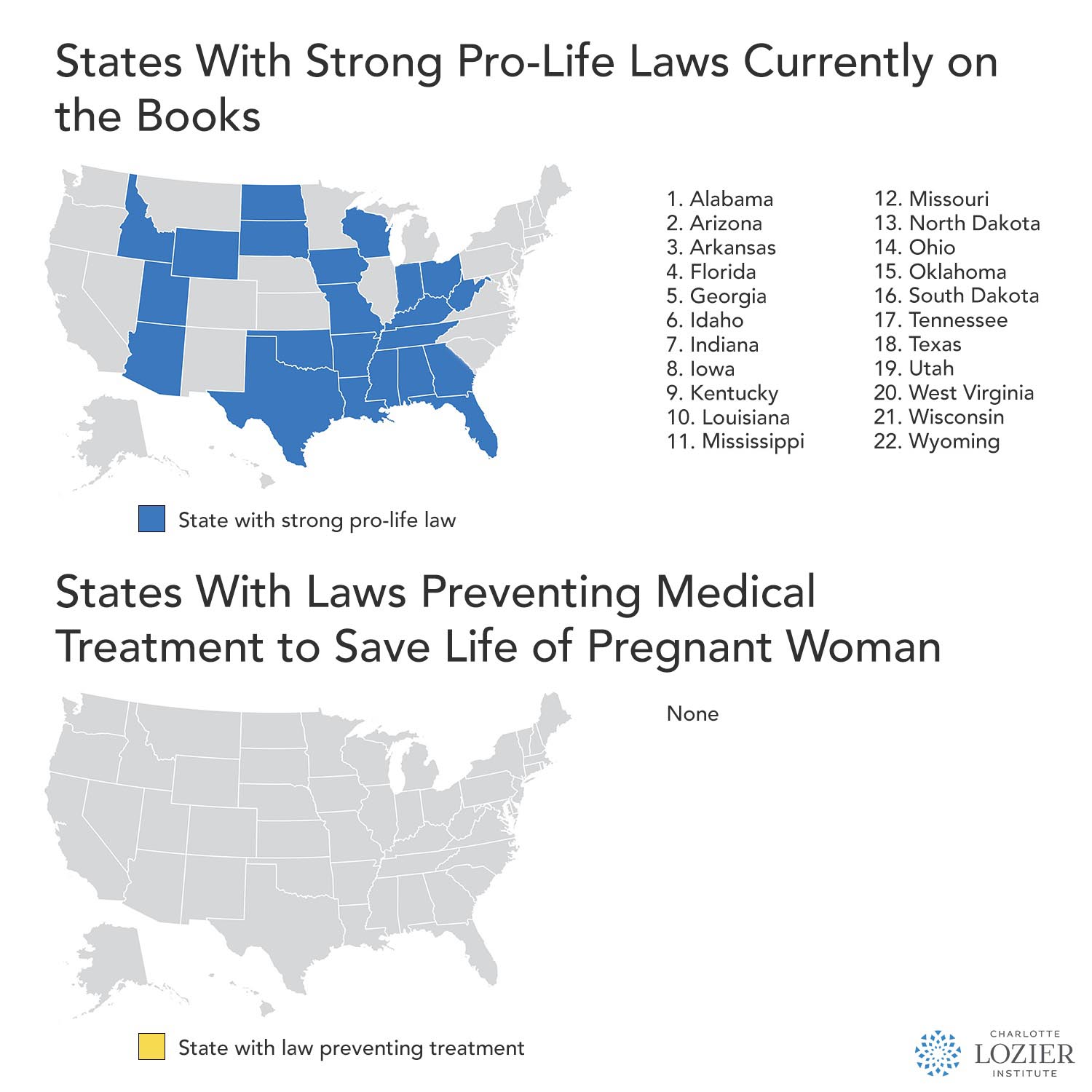
The vast array of travel opportunities in Florida, from the vibrant theme parks of Orlando to the serene beaches of the Florida Keys, makes it a popular destination for many. Whether you’re enjoying a luxurious resort stay, a family vacation, or a quiet getaway, unexpected medical events can disrupt even the best-laid plans. Understanding your options and rights is crucial to ensure you receive the care you need and can focus on healing.
Understanding Medical Care and Your Rights in Florida
In the event of a miscarriage, prompt medical attention is essential. Florida, like all states in the United States, has medical facilities equipped to handle pregnancy-related emergencies, including miscarriages. The immediate priority is to seek medical care to ensure your physical well-being.
Seeking Medical Assistance
If you suspect you are experiencing a miscarriage, the first and most important step is to seek immediate medical help. This can be done by:
- Contacting emergency services: If you are experiencing severe bleeding, intense pain, or any other alarming symptoms, do not hesitate to call 911. Paramedics can assess your condition and transport you to the nearest appropriate medical facility.
- Going to an urgent care center or emergency room: For less severe symptoms, an urgent care center might be a suitable option for initial assessment. However, for a potential miscarriage, it is often recommended to go directly to an emergency room, especially at a hospital affiliated with a medical center, as they will have the necessary specialists and equipment readily available.
- Contacting your physician: If you have a physician in your home state, contact them. They may be able to offer guidance or refer you to resources in Florida.
When you arrive at a medical facility, you will likely undergo an examination and possibly tests such as an ultrasound, blood work, and a pelvic exam to confirm the miscarriage and assess your condition. Medical professionals are trained to handle these situations with sensitivity and care.
Your Medical Rights
It’s important to be aware of your rights regarding medical treatment. In Florida, as in the rest of the United States, individuals have the right to privacy and the right to informed consent. Medical providers are obligated to provide you with information about your condition, treatment options, and associated risks and benefits. You have the right to ask questions and make informed decisions about your care.
Post-Miscarriage Medical Management
The medical management following a confirmed miscarriage can vary depending on the stage of the pregnancy and your individual circumstances. Options may include:
- Expectant management: In some cases, particularly early in a pregnancy, your body may naturally expel the pregnancy tissue. Doctors may advise waiting to see if this occurs, with close monitoring.
- Medical management: Medications can be used to help your body expel the pregnancy tissue. This is often an option for early miscarriages.
- Surgical management: A procedure called dilation and curettage (D&C) or a similar procedure may be recommended to remove any remaining pregnancy tissue from the uterus.
Your healthcare provider will discuss the best course of action for you, considering your health and the specifics of your situation. It is vital to follow their post-treatment instructions carefully, including any follow-up appointments or recommended rest periods.
Emotional and Practical Support During Your Recovery
Experiencing a miscarriage is not just a physical event; it carries a significant emotional weight. While in Florida, finding avenues for emotional support and managing practical concerns is paramount to your healing process.
Emotional Well-being and Grief
Grief after a miscarriage is a valid and deeply personal experience. It’s important to acknowledge your feelings and allow yourself time to mourn. Traveling can sometimes exacerbate feelings of isolation, so actively seeking support is crucial.

- Connect with loved ones: If you have traveling companions, lean on them for emotional support. If you are traveling alone, reach out to friends or family back home. A phone call or video chat can provide much-needed comfort.
- Seek professional counseling: Many hotels and resorts in Florida, such as those in areas like Miami or near attractions like Walt Disney World, may have resources or be able to recommend local counselors or therapists who specialize in grief and loss. Many offer virtual sessions, which can be convenient when you are away from home.
- Support groups: While difficult to access immediately while traveling, research online support groups for pregnancy loss. These can provide a sense of community and shared understanding.
Practical Considerations While Traveling
Being in an unfamiliar environment can add practical challenges to an already difficult time.
- Accommodation: If your original travel plans involved a lively resort or a busy itinerary, you might consider adjusting your accommodation. A quieter hotel or a more private villa, perhaps in a less tourist-heavy area, could offer a more conducive environment for rest and recovery. Look for amenities that support comfort and relaxation, such as in-room dining or spa services.
- Travel arrangements: Depending on the severity of the miscarriage and your recovery, you may need to adjust your travel plans. This could involve extending your stay, changing flights, or postponing further travel. Contact your airline, hotel, or travel insurance provider to understand your options for cancellations or changes.
- Medical bills and insurance: If you have travel insurance, review your policy regarding medical expenses incurred during your trip. Keep all receipts for medical consultations, treatments, and medications. You may need to file a claim later. If you do not have travel insurance, understand the billing procedures of the medical facility.
Navigating Florida’s Healthcare Landscape
Florida offers a range of healthcare facilities, from major medical centers to smaller clinics. Understanding how to access care as a visitor is important.
Hospitals and Medical Centers
Major cities in Florida, such as Tampa, Jacksonville, and Fort Lauderdale, are home to large hospital systems and specialized medical centers. These facilities are well-equipped to handle obstetric and gynecological emergencies. When you seek care, especially in an emergency room, they are accustomed to treating patients who may not be local residents.
- Emergency Departments: These are your primary point of contact for urgent medical needs. They are open 24/7 and are equipped to stabilize patients and provide initial treatment.
- Women’s Health Centers: Many hospitals have dedicated women’s health centers or departments that can provide specialized care for conditions related to pregnancy and reproductive health.
Insurance and Payment
If you have health insurance, contact your provider to understand your coverage while traveling. Some insurance plans offer out-of-network coverage, while others may require you to use specific providers. If you do not have health insurance or if your insurance doesn’t cover the full cost, be prepared for the possibility of significant medical bills. Discuss payment options with the hospital’s billing department. They may offer payment plans or financial assistance programs.
Moving Forward After a Miscarriage in Florida
The journey of healing after a miscarriage is ongoing. While in Florida, your focus should be on self-care and allowing yourself the time and space to recover both physically and emotionally.
Prioritizing Rest and Recovery
Physical recovery from a miscarriage can take several weeks. It’s important to listen to your body and avoid strenuous activities. This might mean re-evaluating your planned tourist activities. Instead of embarking on a strenuous hike in a state park or spending a full day at an amusement park like Universal Studios Florida, opt for gentler activities or simply focus on resting in your accommodation. Consider booking a stay at a serene resort that offers opportunities for quiet reflection, perhaps a spa retreat or a beachfront villa.

Seeking Closure and Moving On
The emotional recovery is just as vital. It’s okay to feel a range of emotions, including sadness, anger, guilt, or emptiness. Allow yourself to grieve in a way that feels right for you.
- Memorialization: Some individuals find comfort in creating a small memorial or finding a quiet place to reflect. A peaceful spot along the coast or a serene garden could serve this purpose.
- Future planning: When you feel ready, you may wish to discuss future family planning with your healthcare provider. This conversation can offer hope and a sense of moving forward.
Experiencing a miscarriage in Florida can be a profoundly challenging experience. By understanding the medical support available, your rights, and avenues for emotional and practical assistance, you can navigate this difficult time with greater confidence. Remember to prioritize your well-being, seek the support you need, and allow yourself the time to heal.