
Fulfilling your civic duty is a cornerstone of the justice system, and in Texas, jury service is no exception. While the prospect of attending jury duty might seem like a minor inconvenience, especially when you’re planning your next adventure or seeking a relaxing getaway, understanding the consequences of not showing up is crucial. This article delves into what happens if you miss jury duty in Texas, exploring the legal ramifications, potential penalties, and how to navigate the process should you find yourself unable to attend. Our aim is to provide a clear and comprehensive guide, ensuring you can fulfill your obligations responsibly while still enjoying the vibrant experiences Texas has to offer, from exploring its diverse tourism to finding the perfect accommodation.

The Legal Framework of Jury Service in Texas
In Texas, jury duty is a legal obligation for eligible citizens. The Texas Constitution and the Texas Government Code outline the framework for jury service, emphasizing its importance in ensuring a fair and impartial trial. When you receive a jury summons, it’s not merely a suggestion; it’s a legal directive. The courts rely on citizens to participate in this fundamental aspect of justice. Understanding the basic requirements and the process involved is the first step in avoiding potential issues.
Eligibility and Summons
To be eligible for jury service in Texas, you must meet several criteria. You must be a citizen of the United States, a resident of Texas, and a resident of the county where you are summoned to appear. You must also be at least 18 years old, be able to understand English well enough to understand and deliberate on a case, and be mentally and physically capable of fulfilling the duties of a juror. Furthermore, you cannot have been convicted of a felony unless you have completed your sentence, including any period of incarceration, parole, or supervision, or have been pardoned. You also cannot be under indictment or accusation of any Class A or Class B misdemeanor or felony.
The summons itself is a legal document. It will typically specify the date, time, and location where you are required to report. It often includes instructions on what to bring, what not to bring, and information about potential exemptions or disqualifications. It’s vital to read the summons carefully and understand its contents.
The Duty to Appear
Once summoned and deemed eligible, you have a legal duty to appear as directed. Failure to do so can have consequences. The court presumes that you have received the summons, even if it was misdelivered or you overlooked it. This presumption places the onus on the summoned individual to ensure they are aware of and respond to jury summons.
Consequences of Missing Jury Duty in Texas
Missing jury duty in Texas without a valid excuse or proper notification can lead to a range of penalties, from fines to even potential arrest. The severity of the consequences often depends on whether the absence was intentional or due to a genuine, unavoidable reason, and whether proper procedures were followed.
Contempt of Court and Fines
The most immediate consequence of failing to appear for jury duty without a lawful excuse is being held in contempt of court. This is a judicial finding that an individual has disobeyed a court order, in this case, the summons to appear.
-
Civil Contempt: In cases of civil contempt, the court may issue a bench warrant for your arrest to bring you before the judge. Once in court, you will have the opportunity to explain your absence. If the judge finds your excuse insufficient or if you did not attempt to notify the court of your inability to appear, you could face a fine. In Texas, these fines for failing to appear for jury service can range from $500 to $1,000. The purpose of these fines is not punitive in the criminal sense but rather to encourage compliance with court orders and impress upon individuals the importance of their civic responsibility.
-
Criminal Contempt: While less common for a first-time or unintentional absence, repeated disregard for jury summons or a blatant refusal to participate could potentially escalate to criminal contempt, though this is a more severe legal proceeding.
Bench Warrants and Arrest
As mentioned, the court has the authority to issue a bench warrant for your arrest if you fail to appear for jury duty. This means a law enforcement officer can detain you and bring you to the courthouse to explain your absence. This is typically done to ensure individuals understand the seriousness of the summons and to prevent the disruption of court proceedings. While the intention is generally to compel appearance and explanation rather than to arrest and incarcerate for a simple no-show, the possibility exists, especially if the court has no record of any communication from you.
Impact on Future Jury Service
A finding of contempt or a history of unexcused absences can also have a long-term impact on your ability to serve on a jury in the future. Your name may be flagged in the court system, potentially leading to closer scrutiny or more stringent requirements should you be summoned again. This can be an unwelcome complication, especially if you are a frequent traveler or have a dynamic lifestyle that might make attending jury duty challenging.
Reasons for Excusal and Postponement
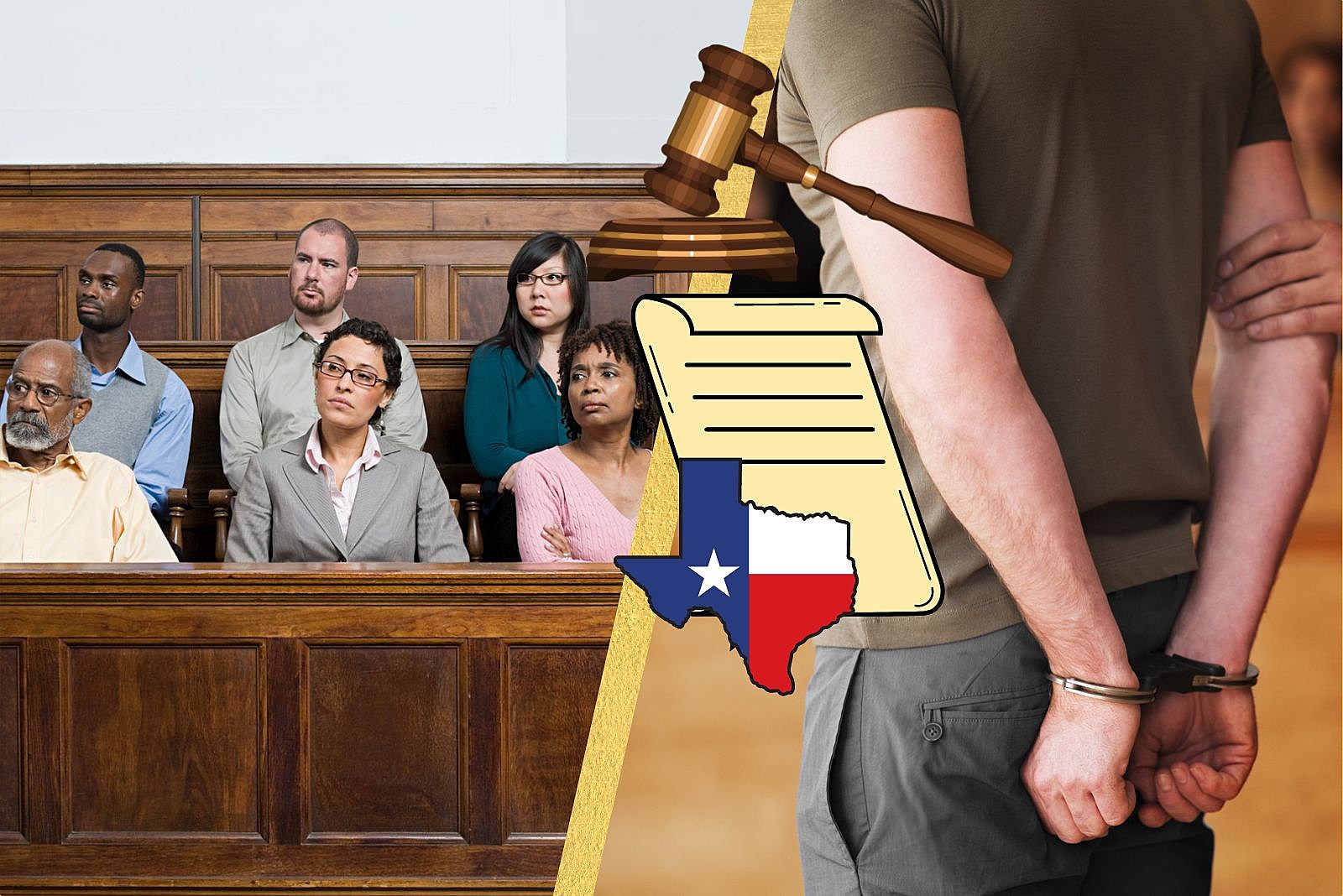
Fortunately, Texas law recognizes that there are legitimate reasons why a person might be unable to serve on a jury. The law provides for certain exemptions and allows for postponements or excusals under specific circumstances. Understanding these options is crucial for managing your jury duty obligations.
Statutory Exemptions
Texas law provides certain individuals with an exemption from jury service if they claim it. This means you can choose not to serve if you fall into one of these categories:
- You are over 75 years of age.
- You have legal custody of a child younger than 12 years of age, and your service on the jury would require leaving the child without adequate supervision.
- You are a student in secondary school or an institution of higher education.
- You are an officer or employee of the legislature, a public official elected to a state or local office, or a person engaged in the transportation of a child younger than 12 years of age for educational purposes.
- You are a primary caretaker of a person who is unable to care for themselves.
- You are a member of the United States armed forces.
To claim an exemption, you generally need to present proof to the court, often by submitting a sworn statement or affidavit along with your jury summons.
Postponement and Excusal
Beyond statutory exemptions, you can also request a postponement or excusal from jury service.
-
Postponement: If you have a compelling reason why you cannot serve on the date assigned, such as a pre-planned vacation, a critical business meeting, or an important personal event, you can request a postponement. The court will typically reschedule your service for a later date. It is imperative to make this request as soon as possible after receiving the summons. Providing evidence to support your request, such as travel itineraries or event confirmations, can strengthen your case. This is particularly relevant for those who frequent destinations like New Orleans or plan trips to national parks, where advanced booking is often necessary.
-
Excusal: A more permanent removal from jury service for that particular summons may be granted for hardship or extreme inconvenience. This might include severe medical conditions, financial hardship that would cause undue burden, or if jury service would unreasonably interfere with your public duties. Again, providing documentation and explaining your situation clearly to the court is essential.
The Importance of Communication
The key to avoiding penalties is communication. If you anticipate any issues with your jury duty, whether it’s a conflict with travel plans to a place like Orlando or a personal emergency, you must contact the court clerk’s office immediately after receiving the summons. Do not wait until the day of your scheduled appearance. Many courts offer online portals or specific phone numbers for jury service inquiries. Explain your situation honestly and follow the instructions provided. Being proactive and transparent is your best defense against potential penalties.
Navigating Jury Duty and Life in Texas
Understanding jury duty in Texas is about balancing civic responsibility with personal life, which often includes travel, leisure, and business. While missing jury duty can lead to serious consequences, a proactive and communicative approach can help you navigate this process smoothly. Whether you’re planning a staycation in a charming bed and breakfast in Galveston or a more adventurous expedition into Big Bend National Park, being aware of your jury obligations is paramount.
Planning Ahead for Jury Service
When you receive a jury summons, consider it an important appointment. Treat it with the same respect you would a doctor’s appointment or a crucial business meeting. If the date conflicts with pre-booked travel, consider it a reason to request a postponement. Most courts are understanding if you can provide reasonable proof of prior commitments.
For those who frequently travel or have demanding careers that require extensive business stays, it’s especially important to stay on top of mail and online notifications from the courts. Staying organized can prevent missed summons and the subsequent issues. This organizational discipline is also beneficial for managing travel plans, booking accommodations, and exploring local attractions, ensuring a seamless experience wherever your journey takes you.
What If You’ve Already Missed It?
If you’ve already missed jury duty in Texas and haven’t heard from the court, it’s advisable to contact the clerk’s office of the court that issued the summons as soon as possible. Explain that you missed your date and inquire about the next steps. They will be able to inform you if a bench warrant has been issued, if a fine has been levied, or if you need to schedule a new appearance. Being forthright and taking immediate action can often mitigate the situation significantly. The court’s priority is typically to ensure your participation, not to penalize you unnecessarily.

Maintaining Your Lifestyle Responsibly
Texas offers a wealth of experiences, from the bustling nightlife of Austin to the serene landscapes of the Texas Hill Country. To fully enjoy these offerings without the stress of legal repercussions, a simple understanding of your civic duties is key. By responding to summons, communicating any conflicts, and understanding the potential consequences of inaction, you can continue to explore, relax, and thrive in Texas, all while upholding your responsibilities as a citizen. This includes making informed choices about accommodations, whether a luxury resort in San Antonio or a budget-friendly apartment rental in Dallas, ensuring your travel plans align with your legal obligations.
LifeOutOfTheBox is a participant in the Amazon Services LLC Associates Program, an affiliate advertising program designed to provide a means for sites to earn advertising fees by advertising and linking to Amazon.com. Amazon, the Amazon logo, AmazonSupply, and the AmazonSupply logo are trademarks of Amazon.com, Inc. or its affiliates. As an Amazon Associate we earn affiliate commissions from qualifying purchases.