
For many, the mention of Chicago conjures images of towering skyscrapers, bustling cultural institutions, and the deep blue expanse of Lake Michigan. Yet, beneath this iconic urban landscape lies a vibrant natural world, shaped profoundly by its climate. Understanding Chicago’s’s hardiness zone offers a unique lens through which to appreciate the city’s green spaces, seasonal attractions, and overall visitor experience. It’s not just for gardeners; for travelers, knowing the hardiness zone provides insight into the best times to visit for botanical beauty, outdoor activities, and even culinary experiences.
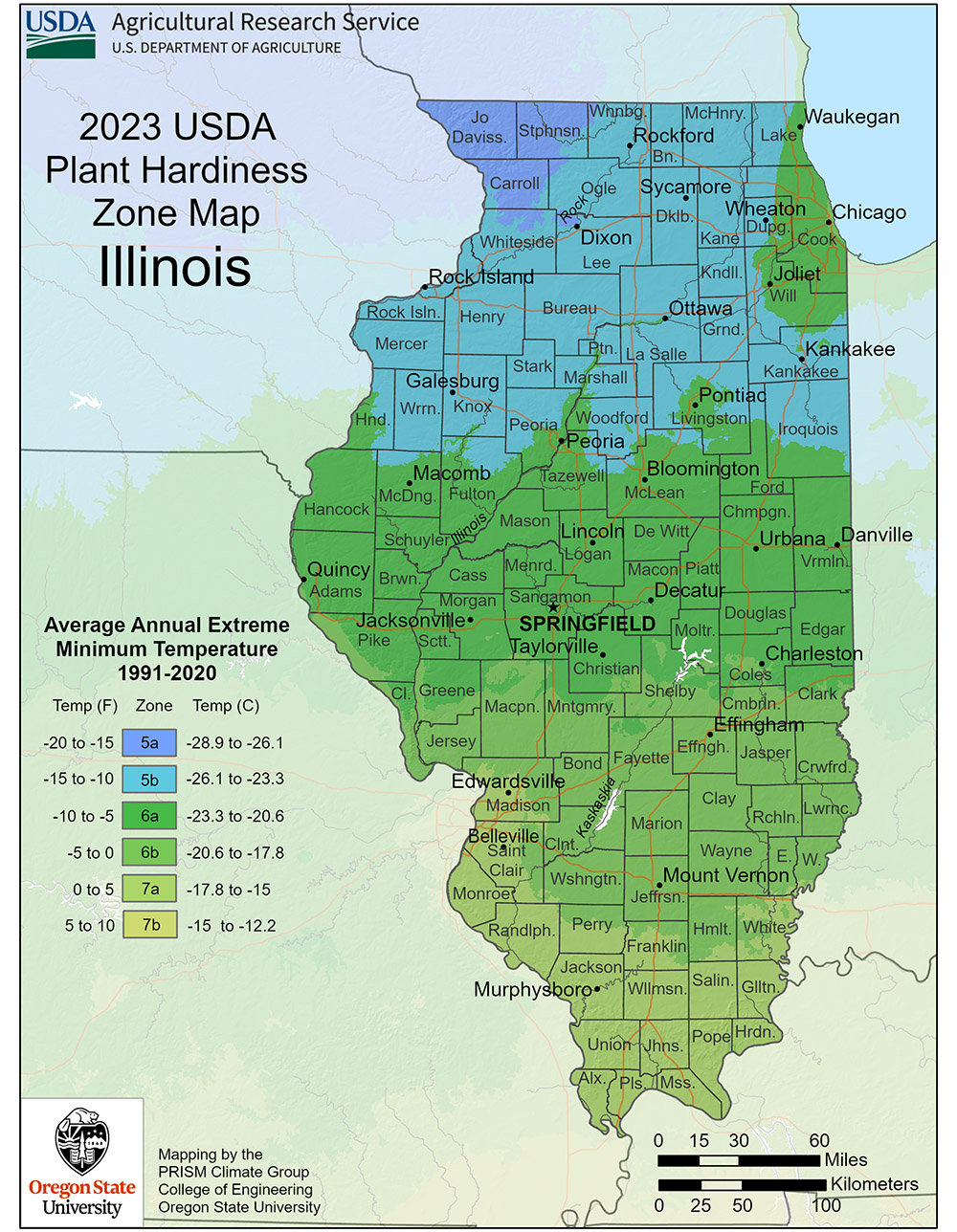
The hardiness zone, a critical piece of horticultural data, essentially tells us how cold a region typically gets in winter. This information, while seemingly niche, plays a vital role in determining what plants can thrive outdoors year-round, influencing everything from the lushness of public parks to the vibrancy of rooftop gardens and the availability of local produce. For a city like Chicago, which experiences four distinct seasons, its hardiness zone is a blueprint for its natural rhythm, impacting everything from the cherry blossoms of spring to the crisp autumnal foliage. This guide delves into Chicago’s’s hardiness zone and explores how it intertwines with travel, tourism, and lifestyle, offering a richer perspective for those planning a visit to this dynamic Illinois metropolis.
Decoding Chicago’s Climate: Understanding Hardiness Zones
At its core, understanding Chicago’s’s climate begins with the concept of a plant hardiness zone. This system, developed by the United States Department of Agriculture (USDA), categorizes regions based on their average annual extreme minimum winter temperature. These zones are crucial for gardeners and horticulturalists, as they dictate which perennial plants are most likely to survive the winter in a given location. But beyond its scientific utility, the hardiness zone offers travelers a deeper appreciation for the seasonal transformations that define a destination.
The USDA Hardiness Zone System Explained
The USDA Plant Hardiness Zone Map divides North America into 13 zones, each representing a 10°F range of average annual extreme minimum winter temperatures. Each zone is further divided into ‘a’ and ‘b’ subzones, representing a 5°F difference. For instance, Zone 5 has an average minimum temperature range of -20°F to -10°F, with 5a being -20°F to -15°F and 5b being -15°F to -10°F. These seemingly small temperature fluctuations can mean the difference between a plant thriving or perishing.
The system is a fundamental tool for planning landscapes and understanding the local ecosystem. While it primarily focuses on winter temperatures, it indirectly informs about other seasonal characteristics. A lower zone number indicates colder winters, typically leading to a shorter growing season and influencing the types of crops that can be cultivated and the natural flora that flourishes. For visitors, this means that a city’s hardiness zone can hint at the vibrancy of its spring blooms, the richness of its summer greenery, and the resilience of its native plant life, all of which contribute to the aesthetic and experiential appeal of a travel destination.
Pinpointing Chicago’s Horticultural Identity
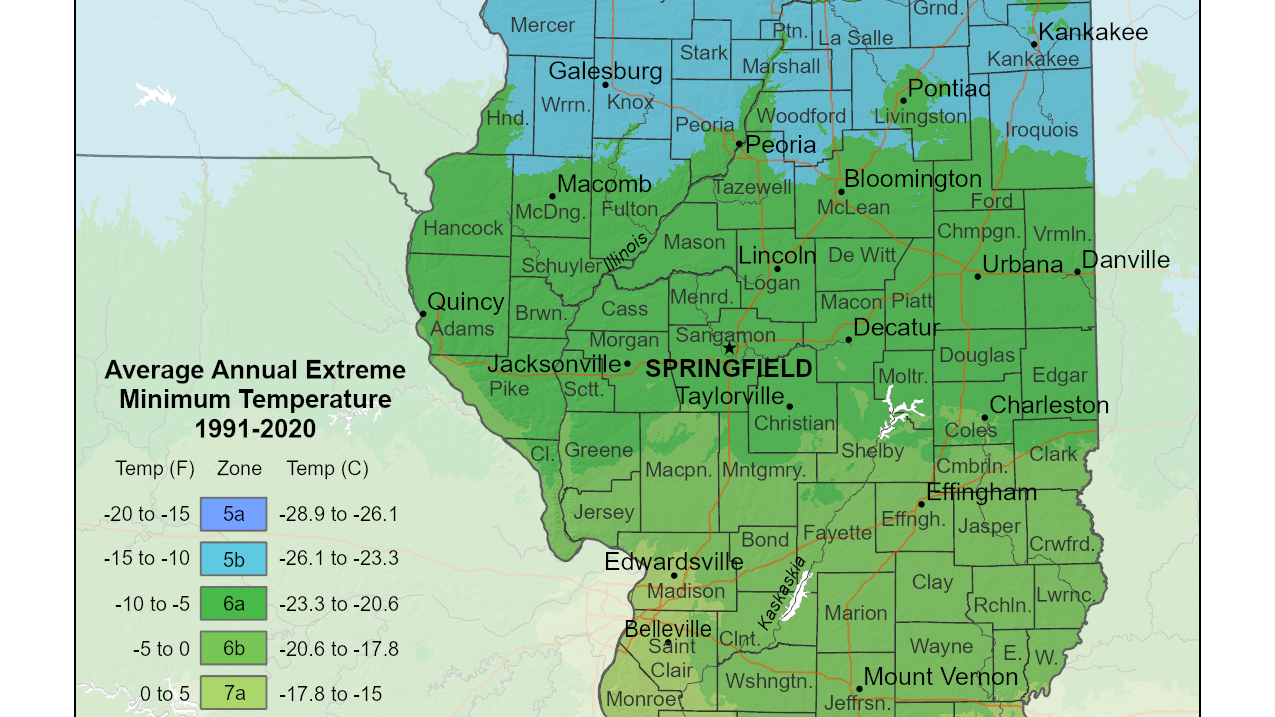
Chicago, nestled on the southwestern shore of Lake Michigan, is generally classified as being in USDA Hardiness Zone 5b. This classification indicates that the average annual extreme minimum winter temperature typically falls between -15°F and -10°F (-26.1°C to -23.3°C). It’s important to note that microclimates exist within any large urban area, and central Chicago, with its urban heat island effect, might experience slightly milder conditions, pushing parts of it closer to a Zone 6a classification. However, 5b remains the most commonly cited and generally applicable zone for the broader Chicago area.
What does Zone 5b mean for travelers? It tells us that Chicago experiences genuinely cold winters. This isn’t a city where palm trees will ever grow outdoors, but it is a city where hearty deciduous trees, vibrant spring bulbs, and robust summer annuals put on spectacular displays. The 5b zone defines the palette of plants that city planners and horticulturists can work with, influencing the design of its famous parks and gardens. It shapes the urban landscape, dictating which trees line the streets, which flowers fill the planters, and which green infrastructure projects are viable. For visitors, this translates into a city that transforms dramatically with each season, offering distinct experiences from the nascent greens of early spring to the stark beauty of a snow-covered winter. Understanding this zone helps travelers appreciate the resilience and careful planning behind Chicago’s’s impressive green initiatives and natural beauty.
Green Oases in the Urban Jungle: Chicago’s Botanical Riches
Chicago’s hardiness zone, particularly its cold winters, plays a pivotal role in shaping the city’s celebrated green spaces. Far from being a concrete jungle, Chicago boasts an impressive array of parks, gardens, and landscaped areas that flourish within the constraints and opportunities presented by its Zone 5b climate. These botanical havens are not merely decorative; they are integral to the city’s tourism appeal, offering respite, beauty, and unique experiences for visitors.
Iconic Parks and Public Gardens
The city’s commitment to green spaces is evident in its world-renowned parks. Millennium Park, for instance, is a marvel of urban design and horticulture. While famous for Cloud Gate (The Bean) and the Crown Fountain, its Lurie Garden is a stunning example of sustainable urban landscaping designed by Piet Oudolf. This perennial garden, thriving in Zone 5b, showcases plants that can withstand the local climate, offering year-round visual interest and seasonal explosions of color. Visitors can stroll through its diverse plantings, enjoying the subtle shifts from early spring bulbs to late-season grasses and seed heads, each stage a testament to the garden’s adaptability to Chicago’s climate.
Nearby, Grant Park, often called “Chicago’s front yard,” encompasses a vast expanse of green, hosting numerous festivals like Lollapalooza and Taste of Chicago. Its meticulously maintained lawns, vibrant flower beds, and stately trees (chosen for their hardiness) provide a beautiful backdrop to many of the city’s most prominent cultural institutions, including the Art Institute of Chicago, the Field Museum, and Shedd Aquarium. Lincoln Park, stretching for miles along Lake Michigan, offers a more naturalistic experience with its zoo, conservatory, and abundant walking paths. The plant selections in these parks – from the grandeur of oak trees to the delicate beauty of native wildflowers – are all carefully chosen to withstand the Zone 5b winters and thrive during the warmer months.
Beyond the downtown core, the Chicago Botanic Garden in Glencoe, a short drive north, is a living museum showcasing a vast array of plants from various ecosystems, many adapted for the local hardiness zone. Its 27 gardens and four natural areas demonstrate horticultural excellence, providing inspiration and education. Similarly, the Garfield Park Conservatory, one of the largest and most impressive conservatories in the United States, offers a tropical escape regardless of the outside temperature, allowing visitors to experience diverse plant life that would never survive Chicago’s’s winters outdoors. These institutions highlight the ingenuity required to maintain such botanical diversity in a challenging climate, offering year-round beauty for visitors.
Seasonal Splendor and Urban Landscaping
The Zone 5b classification means that Chicago experiences a full cycle of seasonal plant life, each bringing its own unique charm. Spring sees an explosion of color as bulbs like tulips and daffodils, resilient to the cold, emerge from the thawed ground. By summer, the city is awash in lush green foliage and a riot of annual flowers that are planted seasonally. Trees such as maples, oaks, and elms, perfectly suited to Zone 5b, provide ample shade and contribute significantly to the city’s green canopy.
Urban landscaping in Chicago is a masterclass in adapting to the hardiness zone. From street planters along the Magnificent Mile to the innovative green roofs adorning many buildings, plant choices are dictated by their ability to survive the harsh winters and flourish in the often-intense summers. This careful selection ensures that the city maintains its aesthetic appeal year-round. Rooftop gardens, increasingly popular in Chicago, not only provide green spaces but also contribute to urban cooling and stormwater management, utilizing hardy sedums and native prairie plants that can endure extreme temperature fluctuations. For the discerning traveler, noticing these horticultural details adds another layer of appreciation for Chicago’s beauty and its sustainable efforts.
Experiencing Chicago Through Its Seasons: A Traveler’s Perspective
Chicago’s Hardiness Zone 5b isn’t just a technical designation; it’s a foundational element of the city’s seasonal character, profoundly influencing the traveler’s experience. Each season presents a unique facet of the Windy City, from the vibrant awakening of spring to the crisp chill of winter, offering distinct activities, sights, and even culinary delights that are intrinsically linked to its climate.
Spring’s Awakening and Summer’s Bloom
As the grip of winter loosens, Chicago undergoes a dramatic transformation. Spring, typically from April to May, sees temperatures rise, melting away the snow and coaxing dormant plants back to life. This is a magical time for visitors, as parks like Millennium Park and Lincoln Park erupt in a symphony of colors. Hardy spring bulbs — tulips, daffodils, and crocuses — chosen for their resilience in Zone 5b, paint the landscape with vibrant hues. It’s an ideal period for leisurely strolls, enjoying outdoor café seating, and witnessing the city’s green spaces come alive. The Chicago River boat tours resume, offering fresh perspectives on the city’s architecture amidst budding trees.
Summer, from June through August, is Chicago’s peak tourist season, and for good reason. The Zone 5b climate allows for warm, often humid days perfect for enjoying the city’s extensive lakefront, beaches, and outdoor attractions. The parks are at their lushest, with annual flowers filling planters and gardens across the city. Festivals abound, from music events in Grant Park to neighborhood street fairs. Outdoor dining becomes a quintessential Chicago experience, with restaurants, including those in high-end hotels like the Peninsula Chicago or the Langham Chicago, opening their patios and rooftop bars to capitalize on the pleasant weather. A visit to the Chicago Botanic Garden during summer reveals its full glory, showcasing a diverse collection of plants thriving in their seasonal prime.
Autumn’s Palette and Winter’s Charm
When autumn arrives, typically in September and October, Chicago’s Zone 5b trees put on a spectacular display of fall foliage. Deciduous trees such as maples, oaks, and ginkgoes, perfectly suited to the local climate, turn brilliant shades of red, orange, and gold. This period offers a visually stunning backdrop for city exploration, whether it’s a walk along the Chicago Riverwalk, a visit to a neighborhood park, or a scenic drive through the suburbs. The air is crisp, and the crowds begin to thin, making it an excellent time for those who prefer a slightly quieter, yet still vibrant, urban experience. Many hotels, from the luxurious Four Seasons Chicago to the boutique Thompson Chicago, offer cozy autumnal packages that encourage guests to enjoy the city’s seasonal beauty.
Winter, from November through March, transforms Chicago into a starkly beautiful, often snow-covered wonderland. While the cold temperatures (defined by Zone 5b) may deter some, it opens up a different set of experiences. Indoor attractions like the Art Institute of Chicago, the Museum of Science and Industry, and the Garfield Park Conservatory become prime destinations. Ice skating at Millennium Park, exploring the Christkindlmarket, and enjoying the festive holiday lights along the Magnificent Mile are quintessential winter activities. Hotels offer warm, inviting retreats, with amenities like indoor pools, spas, and fireplaces. The architectural splendor of structures like the Willis Tower and the 875 North Michigan Avenue (formerly the John Hancock Center) often takes on a dramatic quality against a snowy sky. Even in winter, Chicago’s hardiness zone ensures that the evergreen trees and carefully designed perennial beds still offer structure and a touch of green amidst the white.
Accommodations and Lifestyle: Embracing Chicago’s Climate
The implications of Chicago’s’s Hardiness Zone 5b extend beyond its public parks, subtly influencing the city’s accommodation offerings and overall lifestyle. For travelers, understanding this connection can enhance their choice of stay and deepen their appreciation for how the city adapts and thrives across all four seasons.
Hotels with a View: Green Spaces and Urban Retreats
Many of Chicago’s’s premier hotels leverage the city’s green spaces and its distinctive seasonal beauty. Whether it’s a luxury stay at the Waldorf Astoria Chicago or a comfortable family-friendly hotel, guests often seek accommodations that offer views of Lake Michigan, the Chicago River, or the meticulously maintained parks. During spring and summer, rooms overlooking Millennium Park or Lincoln Park offer vibrant vistas of lush greenery, while in autumn, they provide a stunning panorama of fall colors. Even in winter, a view of snow-dusted trees or the shimmering frozen lake can be captivating.
Beyond external views, many hotels incorporate green elements into their design. Some boast small interior courtyards or even rooftop gardens that showcase plants hardy enough for Zone 5b. These spaces provide serene urban retreats for guests, demonstrating how even within a hotel’s footprint, the city embraces its climate. For travelers interested in sustainable tourism or simply seeking a tranquil environment, selecting an accommodation with thoughtful landscaping or a connection to green spaces can significantly enhance their stay. Hotels like the Godfrey Hotel Chicago feature impressive outdoor spaces, including a vibrant rooftop deck, which are carefully designed to maximize enjoyment during Chicago’s’s warmer months while still offering appeal during cooler seasons. Historic hotels such as the Palmer House Hilton embody a timeless elegance that complements the enduring seasonal beauty of the city.
Culinary Delights and Outdoor Living
Chicago’s’s hardiness zone also subtly influences its culinary scene and the city’s lifestyle. The presence of distinct seasons means a dynamic farm-to-table movement, where chefs adapt their menus to incorporate local produce that thrives in the Illinois climate. During spring, asparagus and rhubarb appear; summer brings an abundance of corn, berries, and tomatoes; and autumn showcases apples, squash, and root vegetables. Visitors keen on experiencing local culture through food will find that Chicago’s restaurants, from high-end dining to casual eateries, often reflect the seasonal bounty.
The city’s affinity for outdoor living is also deeply connected to its climate. When the weather permits, Chicagoans flock to patios, rooftop bars, and outdoor dining areas. This communal embrace of the outdoors, made possible by warm springs and summers, creates a lively and convivial atmosphere that is part of the Chicago experience. From enjoying a craft beer on a riverfront patio to dining al fresco in a charming neighborhood, these experiences are direct beneficiaries of the climate allowed by Zone 5b. For those planning family trips or business stays, understanding how the seasons dictate outdoor activities can help in scheduling and packing, ensuring a more enjoyable and authentic Chicago adventure. Even in colder months, the lifestyle shifts to cozy indoor retreats, showcasing the city’s resilience and capacity for year-round enjoyment, whether it’s exploring world-class museums or indulging in hearty comfort food.
Planning Your Visit: Maximizing Chicago’s Year-Round Appeal
Understanding Chicago’s’s Hardiness Zone 5b isn’t just an academic exercise; it’s a practical tool for planning an unforgettable trip. This knowledge helps travelers select the best time to visit based on their interests, ensuring they experience the city in its most favorable light for their desired activities.
Tips for Every Season
- Spring (April-May): Ideal for garden lovers and those who appreciate milder temperatures and fewer crowds. Pack layers, as spring weather can be unpredictable. Focus on parks like Millennium Park and the Chicago Botanic Garden for spring blooms.
- Summer (June-August): Peak season for outdoor activities, festivals (like Lollapalooza and Taste of Chicago), and lakefront enjoyment. Book accommodations and attractions well in advance. Embrace rooftop bars and patio dining.
- Autumn (September-October): Perfect for architecture tours, enjoying fall foliage, and a more relaxed pace. The weather is crisp and pleasant. Consider a scenic walk along the Chicago Riverwalk or through Lincoln Park.
- Winter (November-March): Best for cultural tourism, indoor attractions (Art Institute of Chicago, Museum of Science and Industry), holiday festivities, and a cozy culinary scene. Pack warm clothing, including hats, gloves, and waterproof boots. Don’t miss the Garfield Park Conservatory for a tropical escape from the cold.
Consider booking hotels like the Four Seasons Chicago or Peninsula Chicago for luxurious winter amenities, or the Thompson Chicago for a boutique experience near festive decorations.
Beyond the Zones: Microclimates and Urban Heat Islands
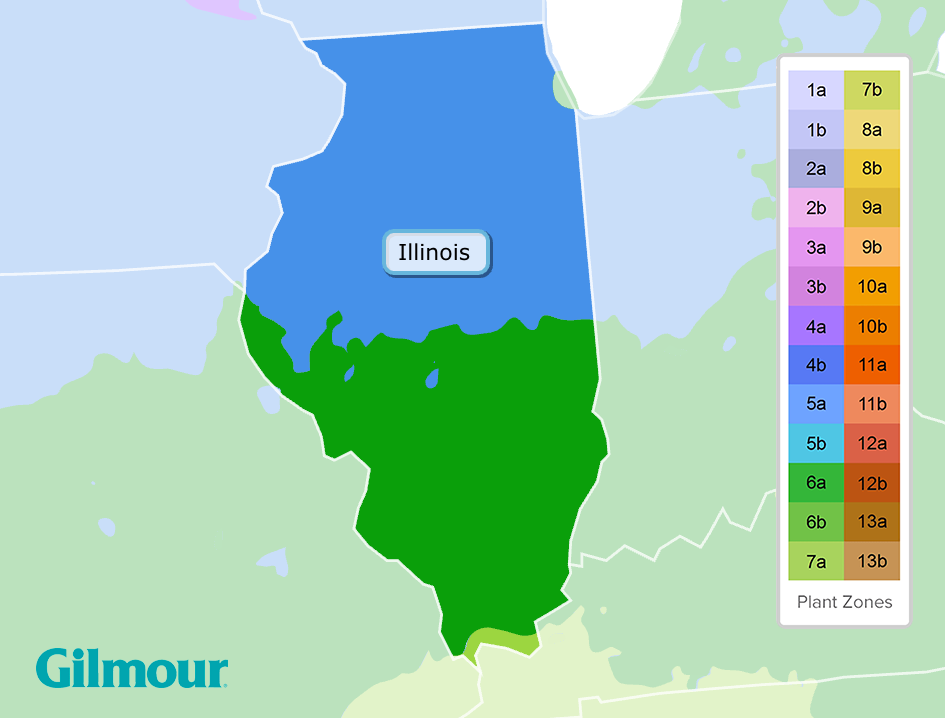
While Zone 5b provides a general framework, it’s worth remembering that large cities like Chicago possess unique microclimates. The “urban heat island” effect, where concrete, asphalt, and buildings absorb and re-emit heat, can make downtown areas slightly warmer than surrounding suburban and rural zones. This can sometimes allow for a broader range of plant life in very specific, protected urban pockets. For visitors, this translates to subtle variations in the onset of spring blooms or the endurance of fall colors, adding another layer of discovery to the urban landscape.
The proximity to Lake Michigan also significantly moderates Chicago’s’s temperatures, making its lakeside areas slightly warmer in winter and cooler in summer compared to inland locations. This lake effect influences everything from the success of certain plantings along the shoreline to the comfort level of beachgoers. When exploring attractions like Navy Pier or strolling along the lakefront path, visitors are directly experiencing the impact of these unique climatic factors, which, while not changing the official hardiness zone, certainly modify the day-to-day conditions.
In conclusion, understanding Chicago’s’s hardiness zone is more than just a piece of horticultural trivia; it’s a key to unlocking a deeper appreciation for the city’s environmental resilience, its stunning seasonal beauty, and the careful planning that goes into making it a vibrant destination year-round. From its iconic parks to its thriving culinary scene, Chicago’s climate is woven into the very fabric of its identity, offering a diverse array of experiences for every type of traveler. Whether you’re planning a trip for spring blooms, summer festivals, autumn colors, or winter wonder, the hardiness zone provides a foundational understanding of what to expect and how to best enjoy the magnificent United States city.
LifeOutOfTheBox is a participant in the Amazon Services LLC Associates Program, an affiliate advertising program designed to provide a means for sites to earn advertising fees by advertising and linking to Amazon.com. Amazon, the Amazon logo, AmazonSupply, and the AmazonSupply logo are trademarks of Amazon.com, Inc. or its affiliates. As an Amazon Associate we earn affiliate commissions from qualifying purchases.