
Understanding the USDA Plant Hardiness Zone for a specific location is crucial for any gardener or anyone planning to cultivate plants, whether it’s a sprawling estate or a small balcony garden. This system, developed by the United States Department of Agriculture (USDA), divides North America into 11 distinct zones based on average annual minimum winter temperatures. Knowing your zone helps determine which perennial plants are most likely to thrive in your local climate, offering insights into their ability to withstand winter frosts. For the vibrant city of Dallas, Texas, this knowledge is particularly significant due to its characteristic warm summers and milder winters, which allow for a diverse range of flora.
Unveiling Dallas’s Climate: A Look at Hardiness Zones
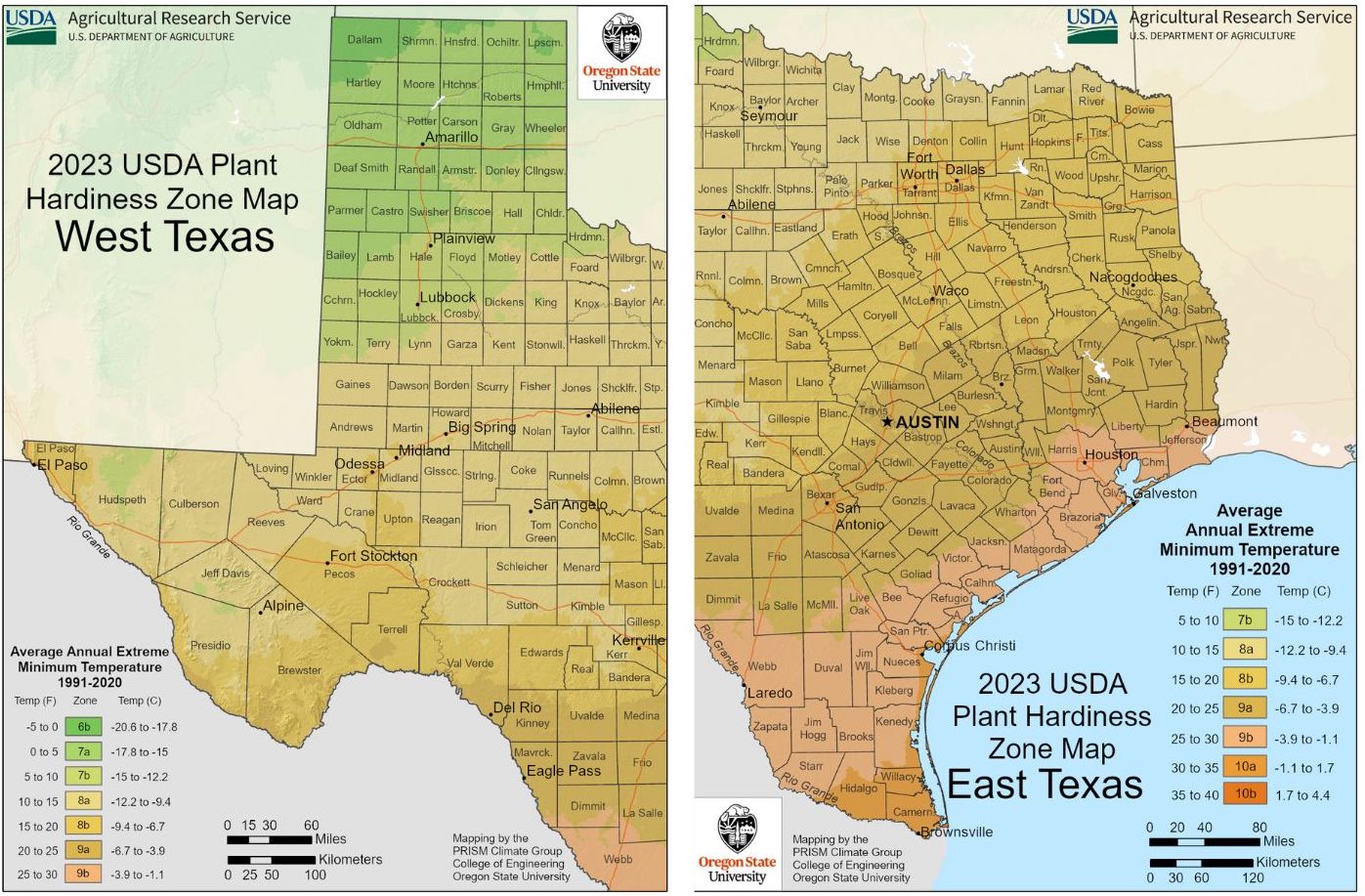
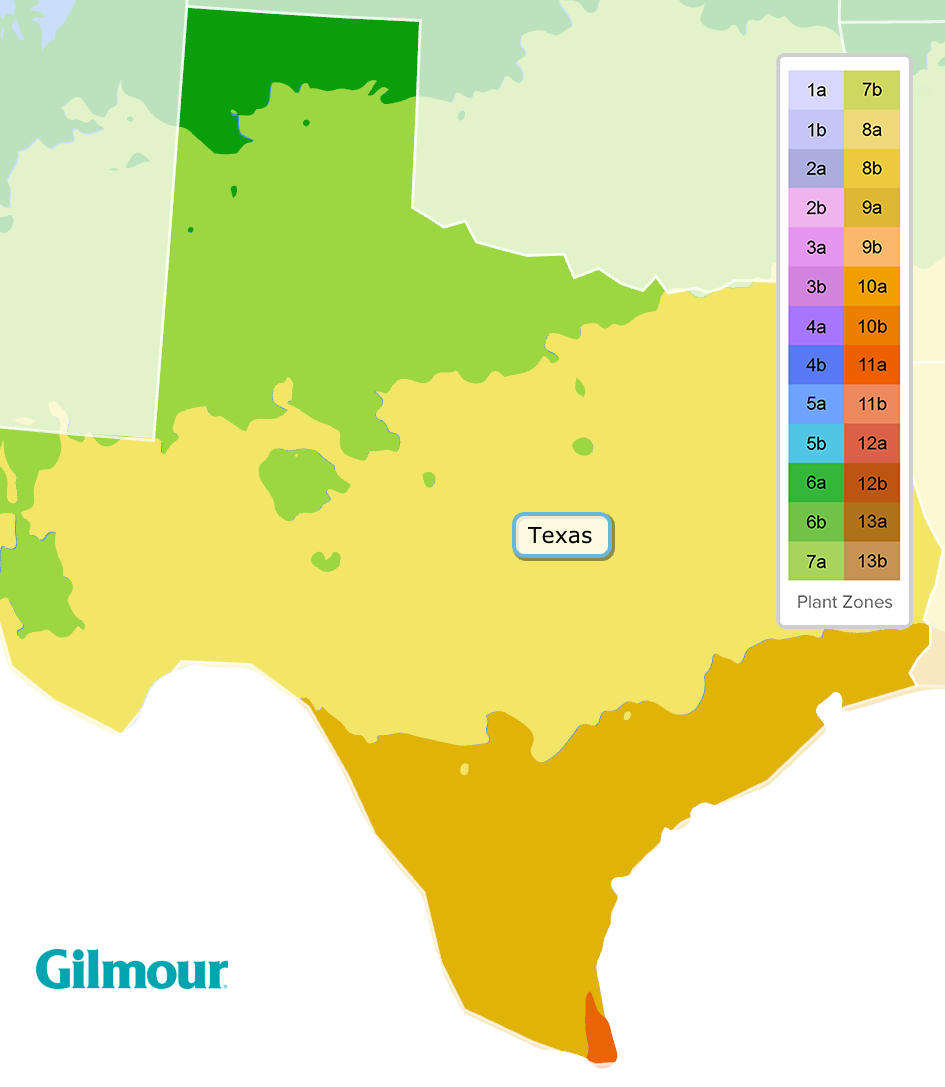
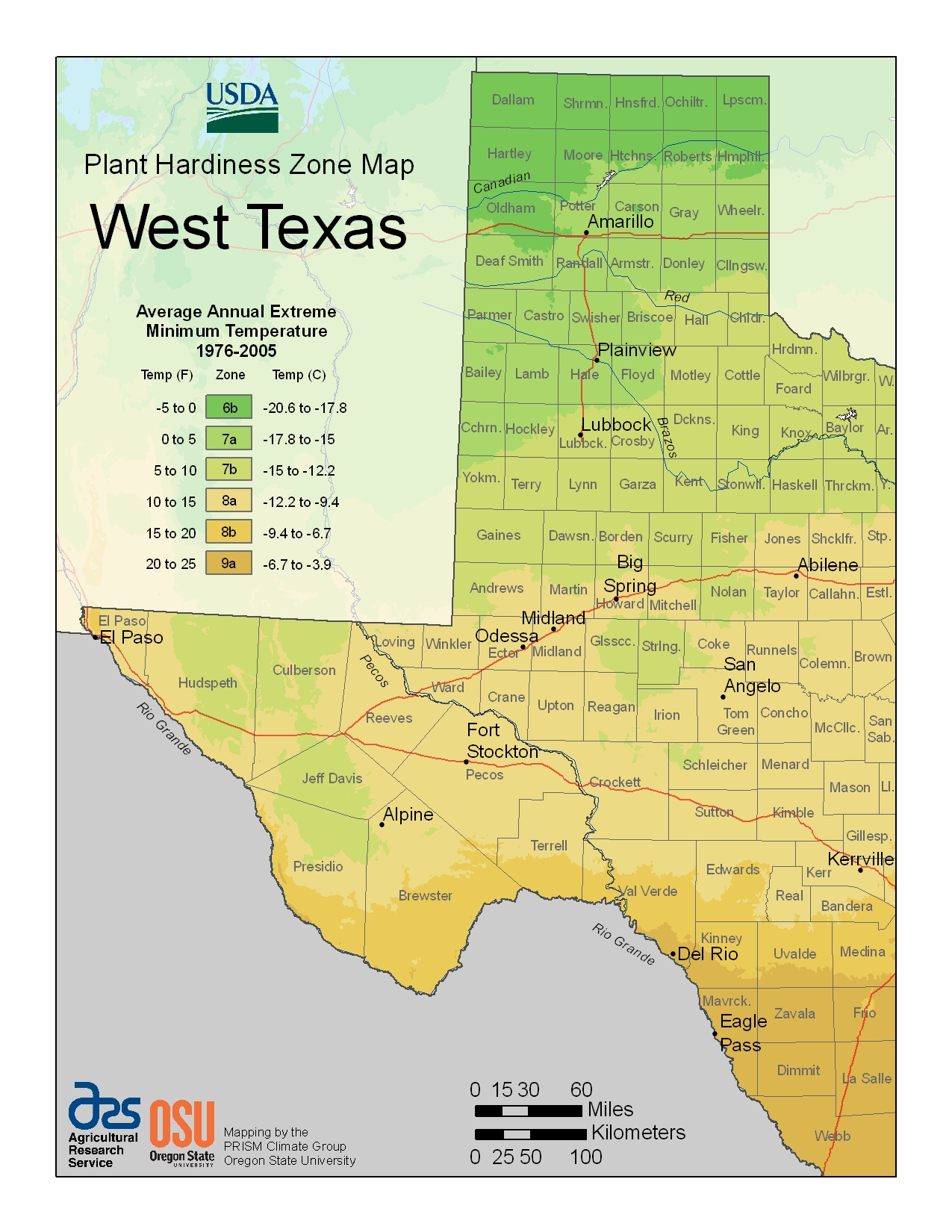
The Dallas metropolitan area, nestled in North Texas, falls primarily within two USDA Plant Hardiness Zones: Zone 8a and Zone 8b. This classification is based on the average extreme minimum winter temperatures recorded over a specific period. Zone 8a experiences average minimum winter temperatures between 10°F and 15°F (-12.2°C to -9.4°C), while Zone 8b has average minimums between 15°F and 20°F (-9.4°C to -6.7°C).
Zone 8a: The Core of Dallas
The majority of Dallas, including its bustling downtown and many of its popular tourist attractions, resides within Zone 8a. This zone indicates that while the city experiences occasional dips into freezing temperatures, prolonged periods of extreme cold are rare. This means that many semi-tropical and temperate plants can survive the winter here with minimal protection. Gardeners in Zone 8a have a broad spectrum of choices, from vibrant flowering shrubs to hearty vegetables and fruit-bearing trees. The milder winters allow for an extended growing season, encouraging enthusiastic planting and a rich horticultural landscape.
Zone 8b: The Edges of the Metroplex
As you move towards the outer edges of the Dallas–Fort Worth Metroplex, and in some pockets within the city itself, you might find yourself in Zone 8b. This zone offers a slightly more forgiving winter climate, with average minimum temperatures that are a few degrees warmer than Zone 8a. The presence of Zone 8b on the outskirts suggests a slightly less harsh winter, potentially allowing for a wider array of less cold-hardy plants to flourish. For residents and visitors interested in the local flora, understanding this subtle difference can be key to successful gardening and appreciating the diverse natural beauty of the region.
What This Means for Gardening and Lifestyle in Dallas
The USDA Hardiness Zones of 8a and 8b in Dallas, Texas have a profound impact on various aspects of life, from the types of gardens that flourish to the kinds of outdoor activities that are popular throughout the year. This climate influences not only the botanical landscape but also the culinary scene and the overall lifestyle experienced by residents and tourists alike.
Thriving Flora: From Lush Gardens to Iconic Landmarks
The relatively mild winters and hot summers in Dallas mean that gardeners have a fantastic opportunity to cultivate a wide variety of plants. This is evident in the meticulously maintained gardens found at local botanical centers, charming residential neighborhoods, and even in the green spaces surrounding iconic landmarks.
- Ornamental Gardens: Many homeowners choose to plant species that thrive in Zones 8a and 8b. This includes a spectacular array of flowering shrubs such as Roses, Hydrangeas, and Azaleas, which provide bursts of color throughout the spring and summer. Perennial flowers like Daylilies, Echinacea (coneflowers), and Salvia are also popular choices, offering reliable blooms year after year. The city’s numerous parks and public gardens, such as the Dallas Arboretum and Botanical Garden, showcase these adaptable plants in stunning displays, attracting visitors from around the world.
-
Edible Landscapes: The gardening potential extends beyond ornamental beauty to include productive edible landscapes. Dallas is well-suited for growing a variety of fruits and vegetables. Citrus trees, such as Meyer Lemons and Oranges, can often survive the winter with some protection, offering fresh produce. Peach trees and fig trees also tend to do well in this climate. For vegetables, the mild winters allow for cool-season crops like spinach, lettuce, and broccoli to be grown through the fall and early spring, followed by heat-loving summer crops like tomatoes, peppers, and watermelons during the warmer months. This abundance contributes to the vibrant farm-to-table movement in Dallas.
-
Trees and Shade: The ability to grow a variety of trees is another benefit of Dallas’s hardiness zones. Large shade trees like Oaks and Pecans provide much-needed respite from the intense summer sun, creating comfortable outdoor living spaces and enhancing the urban canopy. These trees are often found in historical districts and along scenic routes, contributing to the city’s aesthetic appeal.
Impact on Tourism and Activities
The climate dictated by the hardiness zones also shapes the tourism landscape and the types of activities that are popular in Dallas. The extended growing season and milder winters mean that outdoor activities are viable for a larger portion of the year compared to more northerly regions.
-
Outdoor Attractions: From the sprawling green spaces like Klyde Warren Park, which is built over a freeway, to the natural beauty of White Rock Lake Park, Dallas offers numerous opportunities for outdoor recreation. Visitors can enjoy walking, cycling, picnicking, and exploring the diverse ecosystems supported by the local climate. The city’s numerous golf courses also benefit from the favorable weather, making it a popular destination for golf enthusiasts.
-
Festivals and Events: The temperate climate allows Dallas to host a variety of outdoor festivals and events throughout the year. The spring and fall are particularly active, with cultural festivals, farmers’ markets, and music events taking advantage of the pleasant temperatures. Even in winter, outdoor activities are often possible, though some events might shift indoors during colder snaps.
-
Culinary Experiences: The thriving agricultural scene, supported by the local climate, directly influences the culinary experiences available in Dallas. The abundance of fresh, locally grown produce allows chefs to create innovative dishes that highlight seasonal ingredients. Many restaurants in Dallas pride themselves on sourcing from local farms, contributing to a rich and diverse food culture that appeals to both residents and tourists. This farm-to-table ethos is a significant draw for food lovers exploring the city.
Accommodation and Lifestyle Considerations
When planning a trip to Dallas, understanding the hardiness zones can also indirectly influence your accommodation choices and lifestyle experiences.
-
Resorts and Outdoor Amenities: Many resorts and hotels in Dallas offer extensive outdoor amenities, such as swimming pools, patios, and gardens, which are enjoyable for a significant portion of the year due to the moderate winters. This makes Dallas an attractive destination for those seeking a blend of urban excitement and relaxation in pleasant outdoor settings. For those considering a long-term stay, the ability to enjoy outdoor spaces year-round is a significant lifestyle factor.
-
Luxury and Budget Travel: Whether you are planning a luxury travel experience or a more budget travel adventure, the climate of Dallas supports a wide range of activities. From exploring the Arts District and visiting world-class museums to enjoying outdoor markets and parks, there are ample options to suit every traveler’s budget and interests.
-
Family Trips and Business Stays: For family trips, the abundance of parks and outdoor entertainment makes Dallas a great destination. For business stays, the pleasant climate allows for enjoyable evening strolls or dining al fresco after a day of meetings, enhancing the overall experience of visiting the city.
In conclusion, the USDA Hardiness Zones of 8a and 8b for Dallas, Texas are more than just scientific classifications; they are integral to the city’s identity, influencing everything from the vibrant flora in its gardens and parks, like the Dallas Arboretum and Botanical Garden, to the diverse culinary scene and the year-round appeal of its many attractions and activities. Whether you are a seasoned gardener, a curious traveler, or a local resident, understanding these zones provides a deeper appreciation for the unique climate and lifestyle that Dallas offers.