
A hotel, at its most fundamental, is an establishment offering paid lodging on a short-term basis. Yet, to confine its definition to mere accommodation would be to overlook the profound and multifaceted role it plays in the tapestry of global travel, tourism, and lifestyle. From historic inns that once offered respite to weary travelers along ancient trade routes to the shimmering skyscrapers of modern metropolises, hotels have evolved into dynamic entities, shaping experiences, defining destinations, and reflecting the diverse needs and aspirations of humanity. They are not merely buildings of brick and mortar but intricate ecosystems designed to provide comfort, convenience, and often, a gateway to a new culture or adventure.
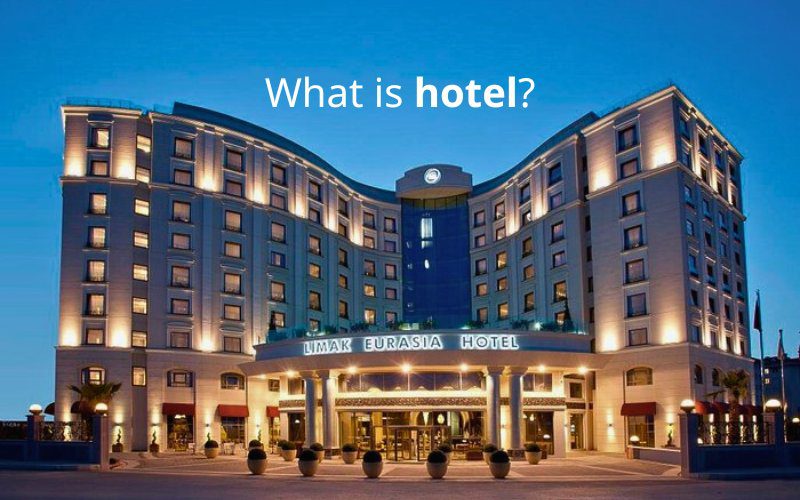
Far beyond a simple room and a bed, a hotel embodies a promise: a promise of service, security, and a temporary home away from home. It’s an industry driven by hospitality, constantly innovating to meet the evolving demands of guests, whether they seek opulent luxury, budget-friendly practicality, an immersive cultural experience, or a secluded natural retreat. Understanding “what a hotel is” requires an exploration of its various forms, its intrinsic connection to travel and tourism, and its significant impact on the lifestyles it serves.
The Essence of a Hotel: More Than Just a Bed
At its core, a hotel provides shelter and services for travelers. However, this definition barely scratches the surface of the industry’s complexity and diversity. Hotels differentiate themselves through their offerings, location, and the unique experiences they strive to create, often becoming landmarks in their own right.
A Spectrum of Accommodation Types
The term “hotel” serves as an umbrella for a vast array of lodging options, each designed to cater to specific preferences and travel styles. While traditional hotels offer standard rooms with daily housekeeping and front desk services, the landscape of accommodation has broadened considerably.
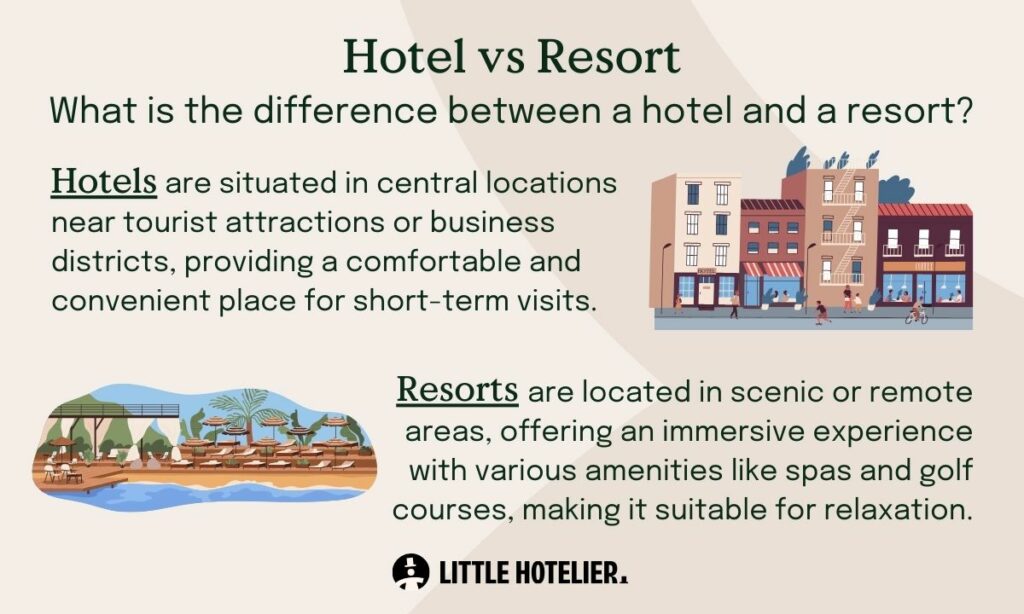
- Hotels: These are the most common form, ranging from independent boutique establishments to large international chains like Marriott International and Hilton Worldwide. They typically offer a range of services including restaurants, bars, meeting rooms, and fitness centers. Their primary focus is on transient guests, providing a comfortable and convenient base for exploring a city like New York City or conducting business.
- Resorts: Unlike standard hotels, resorts are destinations in themselves, often located in scenic areas such as coastal regions or mountain ranges. They provide an extensive range of amenities and activities, aiming to fulfill all a guest’s needs without them having to leave the property. Think of an all-inclusive resort in the Caribbean or a ski resort in the Alps, where the stay is as much about the leisure facilities – spas, golf courses, water parks – as it is about the room. Luxury brands like Four Seasons Hotels and Resorts excel in creating immersive resort experiences.
- Apart-hotels/Serviced Apartments: These accommodations combine the convenience of a hotel with the space and facilities of an apartment, often including a kitchen and separate living areas. They are particularly popular for longer stays, family trips, or business travelers who appreciate the flexibility and sense of home, often found in major business hubs like London or Tokyo.
- Villas and Vacation Rentals: While not traditionally classified as hotels, the rise of platforms like Airbnb has blurred the lines. Villas offer private, often luxurious, self-contained accommodation, commonly found in popular vacation spots like Tuscany or Bali. They provide an intimate experience, often with personalized services like private chefs or concierge assistance, appealing to groups or those seeking ultimate privacy.
- Motels: Originating as “motor hotels,” motels are typically found along major roadways, designed for motorists requiring convenient, often drive-up access to their rooms. Brands like Motel 6 exemplify this utilitarian approach, offering basic, affordable lodging for travelers on the go.
- Boutique Hotels: These are smaller, independently owned hotels known for their unique design, personalized service, and distinct character. Often reflecting the local culture and artistic flair of their surroundings, a boutique hotel in Kyoto might offer traditional Japanese aesthetics, while one in Paris could exude chic, contemporary elegance.
- Hostels: Primarily catering to budget travelers and backpackers, hostels offer dormitory-style rooms with shared facilities, though private rooms are becoming more common. They are renowned for their social atmosphere and affordability, making them popular among younger travelers exploring destinations like Europe or Southeast Asia.
This diverse range ensures that virtually every traveler, regardless of their budget, purpose, or desired experience, can find an accommodation solution that meets their needs.
The Role of Amenities and Services
Beyond the physical space, a hotel’s value is significantly enhanced by the amenities and services it provides. These offerings transform a simple room into a comprehensive hospitality experience.
Essential Amenities:
- Comfortable Bedding: High-quality mattresses, linens, and pillows are fundamental to a good night’s sleep.
- Private Bathroom: Clean and well-maintained private facilities are expected across most hotel categories.
- Climate Control: Air conditioning and heating are crucial for guest comfort in varying climates.
- Wi-Fi Access: In today’s connected world, reliable internet access is no longer a luxury but a necessity for business and leisure travelers alike.
- Basic Furnishings: A desk, chair, wardrobe, and often a television, are standard.
Extended Services and Facilities:
- Dining Options: From casual cafes and room service to fine dining restaurants, hotels often house diverse culinary experiences. Iconic establishments like The Plaza Hotel in New York City are famed not only for their rooms but also for their gastronomic offerings.
- Recreational Facilities: Swimming pools, fitness centers, spas, and even golf courses are common in mid-range to luxury hotels and resorts.
- Business Services: Meeting rooms, conference facilities, and business centers cater to corporate guests.
- Concierge Services: Knowledgeable concierges assist guests with bookings, recommendations, and local information, enhancing their travel experience.
- Security: 24-hour security, CCTV, and secure access systems are paramount for guest safety.
- Housekeeping: Daily cleaning and maintenance ensure a pristine environment.
- Transportation: Shuttle services, valet parking, and assistance with car rentals are often available.
The combination of these elements defines the quality and character of a hotel, influencing guest satisfaction and loyalty. A hotel’s success often hinges on its ability to anticipate and fulfill guest needs, creating an environment where every detail contributes to a memorable stay.
Hotels as Pillars of Travel and Tourism
Hotels are more than just places to sleep; they are integral to the very fabric of travel and tourism. They enable exploration, facilitate cultural exchange, and serve as economic drivers for destinations worldwide. Without a robust hospitality infrastructure, the global tourism industry as we know it would cease to exist.
Facilitating Exploration and Destinations
The existence of hotels makes it possible for people to travel beyond their immediate surroundings, opening up the world for exploration. Whether it’s a solo adventurer trekking near Mount Everest, a family visiting Disneyland Paris, or a history enthusiast delving into the ancient wonders of Rome, hotels provide the essential base.
- Gateway to Attractions: Hotels are strategically located to offer convenient access to popular attractions, whether it’s the Eiffel Tower in France, the Colosseum in Italy, or the Pyramids of Giza in Egypt. This proximity enhances the visitor experience, allowing for more time spent enjoying the destination rather than commuting.
- Supporting Infrastructure: The development of hotels often goes hand-in-hand with the growth of tourist infrastructure. New hotels bring jobs, stimulate local businesses (restaurants, shops, tour operators), and often lead to improvements in transportation and public services, turning once-remote areas into thriving tourist hubs.
- Destination Marketing: Hotels frequently partner with local tourism boards to promote their destinations. Through packages, guides, and curated experiences, they encourage visitors to immerse themselves in the local offerings, from historical sites to natural wonders like the Great Barrier Reef. A luxury hotel like the Burj Al Arab Jumeirah in Dubai not only provides lavish stays but also serves as an icon that draws visitors to the city itself.
The synergy between hotels and destinations is undeniable. Hotels provide the logistical framework that enables tourists to comfortably and safely explore, contributing significantly to a destination’s appeal and accessibility.
Integrating with Local Culture and Experiences
Modern hotels increasingly strive to offer more than just a room; they aim to provide an authentic immersion into the local culture. This trend is a response to travelers’ growing desire for meaningful experiences beyond typical sightseeing.
- Cultural Sensitivity in Design: Many hotels incorporate local architectural styles, artwork, and materials into their design, reflecting the heritage of the region. A hotel in Thailand might feature traditional Thai silks and woodwork, while one in Mexico could showcase vibrant indigenous art.
- Local Culinary Experiences: Hotels are a prime venue for guests to sample authentic local cuisine. Many establishments highlight regional dishes, source local ingredients, and even offer cooking classes that delve into traditional culinary practices. This not only enhances the guest experience but also supports local farmers and food producers.
- Activity and Tour Integration: Concierge services often go beyond recommending popular tourist spots. They connect guests with local guides, unique workshops (e.g., pottery, weaving), and community events, offering deeper engagement. Imagine a hotel near Machu Picchu arranging a hike with an indigenous guide or a stay in Ireland that includes a traditional music session.
- Community Engagement: Increasingly, hotels engage with local communities through employment, sourcing, and even charitable initiatives. This not only benefits the community but also enriches the guest experience by fostering a sense of connection and responsible tourism. For example, some hotels collaborate with local artisans, selling their crafts in hotel boutiques, thus providing direct economic benefit to the community.
By actively integrating with and promoting local culture, hotels transform from mere lodgings into cultural ambassadors, offering guests a more profound and enriching travel experience that extends far beyond the confines of their room.
The Diverse World of Hotel Experiences
The concept of “what a hotel is” also encompasses the vast spectrum of experiences they deliver, tailored to fit every possible travel style, budget, and purpose. This adaptability is key to the hospitality industry’s enduring appeal.
Catering to Every Lifestyle
Hotels are masterfully designed to cater to the distinct needs and desires that characterize various lifestyles, from the most extravagant to the most economical.
- Luxury Travel: At the pinnacle of hospitality, luxury hotels and resorts, such as The Ritz-Carlton or The Savoy in London, offer unparalleled service, exquisite design, and exclusive amenities. Guests can expect personalized attention, gourmet dining, lavish spas, and often unique experiences like private yacht charters or bespoke cultural tours. This segment caters to travelers seeking indulgence, privacy, and an elevated level of comfort.
- Budget Travel: On the other end of the spectrum, budget hotels and hostels, including brands like Holiday Inn Express, prioritize affordability and essential comforts. They strip away non-essential luxuries but maintain cleanliness, safety, and basic amenities like Wi-Fi and often a complimentary breakfast. This enables travelers with limited budgets to explore the world without compromising on a decent place to rest.
- Family Trips: Hotels catering to families often feature larger rooms, suites with kitchenettes, and family-friendly amenities such as kids’ clubs, swimming pools with slides, and special menus. They provide conveniences like cribs, babysitting services, and proximity to family attractions, making vacations easier and more enjoyable for parents and children alike. A resort near Orlando, Florida, for example, would be designed with families in mind.
- Business Stays: For the corporate traveler, hotels offer specific amenities like executive lounges, robust Wi-Fi, meeting rooms, and efficient check-in/check-out processes. Locations are often chosen for their proximity to business districts or convention centers. Brands like Hyatt Hotels often target this segment with sophisticated business facilities and services. The emphasis is on productivity, convenience, and seamless transitions between work and rest.
- Adventure Travel: Hotels supporting adventure tourism might be rustic lodges near national parks, eco-resorts deep in the jungle, or mountain chalets offering easy access to trails. Their focus is on providing a comfortable, safe base from which guests can embark on activities like hiking, diving, or safaris, often with specialized gear storage and guide services.
- Wellness Retreats: With a growing emphasis on health, many hotels now double as wellness centers, offering yoga, meditation, detox programs, and holistic treatments. These retreats focus on rejuvenation and personal growth, attracting guests looking for more than just a vacation, but a transformative experience.
This tailored approach ensures that whether a traveler seeks serene solitude, thrilling adventure, family bonding, or professional efficiency, there is a hotel experience perfectly matched to their lifestyle.
The Impact of Location: From City Centers to Natural Wonders
A hotel’s location is perhaps one of its most defining characteristics, profoundly influencing its purpose, design, and the type of experience it offers. The setting dictates everything from architectural style to the range of activities available to guests.
- Urban Hotels: Situated in bustling city centers like Hong Kong or Singapore, these hotels are designed for convenience, offering immediate access to business districts, shopping, entertainment, and cultural landmarks. They often feature high-rise designs, sophisticated dining, and extensive meeting facilities, catering primarily to business travelers and urban explorers. Examples include iconic structures like Marina Bay Sands that dominate city skylines.
- Coastal Resorts: Located along picturesque coastlines, these properties capitalize on ocean views, beach access, and water-based activities. Their design often incorporates open spaces, sea-facing balconies, and luxurious pool areas, creating an atmosphere of relaxation and leisure, popular in destinations like the Maldives or the Amalfi Coast in Italy.
- Mountain Lodges: Tucked away in scenic mountain ranges, these hotels provide a cozy retreat for nature lovers and adventure seekers. They often feature rustic designs, fireplaces, and proximity to hiking trails, ski slopes, or wildlife viewing opportunities. A lodge in the Rocky Mountains or the Swiss Alps offers a unique blend of wilderness access and comfort.
- Rural Escapes: Set amidst countryside landscapes, vineyards, or historic estates, these hotels offer tranquility and a break from urban life. They might focus on farm-to-table dining, equestrian activities, or simply providing a peaceful environment for relaxation and contemplation, often found in the rolling hills of Provence or the English countryside.
- Airport Hotels: Designed for extreme convenience, these hotels are situated directly at or very near airports, catering to travelers with early flights, late arrivals, or long layovers. Their primary focus is on efficient service, comfortable beds, and shuttle access to terminals.
- Themed Hotels: These properties fully embrace a specific theme, creating an immersive experience for guests. From hotels designed like castles in Germany to properties replicating ancient Roman villas, the location and design are entirely dictated by the narrative, often found near major tourist attractions or entertainment parks.
The careful selection of a hotel’s location is a strategic decision that shapes its identity, target audience, and ultimately, the unforgettable memories guests take away. It underscores that “what a hotel is” is inextricably linked to its place in the world.
The Modern Hotel Landscape: Booking, Reviews, and the Future
The hospitality industry is in a constant state of evolution, driven by technological advancements, changing consumer expectations, and a growing awareness of global issues. The way we discover, book, and experience hotels has been transformed, and the industry continues to innovate.
Navigating Accommodation Choices
The digital age has revolutionized how travelers find and secure their ideal accommodation. The process, once reliant on travel agents and phone calls, is now immediate, comprehensive, and highly personalized.
- Online Travel Agencies (OTAs): Platforms like Booking.com and Expedia aggregate vast numbers of hotel listings, allowing users to compare prices, amenities, and locations from hundreds of properties globally. These platforms have made accommodation booking accessible to anyone with an internet connection.
- Direct Bookings: Many travelers still prefer to book directly with hotels, often encouraged by loyalty programs, exclusive offers, and the ability to communicate directly with the property for specific requests. Major hotel chains like Accor invest heavily in their own booking portals.
- User Reviews and Ratings: Websites like TripAdvisor and Google Reviews have become indispensable tools for travelers. Guest reviews provide authentic insights into the quality of service, cleanliness, and overall experience, allowing potential guests to make informed decisions. The reputation of a hotel is heavily influenced by its online reviews.
- Comparison Websites: These tools allow travelers to cross-reference prices across multiple OTAs and direct hotel websites, ensuring they find the best possible deal.
- Mobile Apps: Hotel brands and OTAs have developed sophisticated mobile applications that streamline the booking process, offer mobile check-in/check-out, and even provide digital room keys, enhancing convenience for the tech-savvy traveler.
This extensive digital ecosystem empowers travelers with unprecedented control over their accommodation choices, making the planning process more efficient and transparent.
Sustainability and Innovation in Hospitality
The future of hotels is increasingly focused on sustainability and technological innovation, responding to global challenges and the demands of a new generation of conscious travelers.
- Environmental Responsibility: Hotels are adopting eco-friendly practices, including energy-efficient lighting, water conservation systems, waste reduction programs, and sourcing local, sustainable products. Some hotels even aim for net-zero emissions, appealing to guests who prioritize environmental impact.
- Technological Integration: Smart room features (e.g., voice-activated controls, personalized lighting), AI-powered concierge services, robotic room service, and virtual reality tours are becoming more common. These innovations aim to enhance guest convenience, personalize experiences, and optimize operational efficiency.
- Wellness Focus: Beyond traditional spas, hotels are incorporating comprehensive wellness programs, offering healthy dining options, mindfulness activities, and partnerships with local fitness studios, catering to a holistic approach to travel.
- Hyper-Personalization: Leveraging data and AI, hotels are moving towards hyper-personalized guest experiences, anticipating needs and offering tailored recommendations even before arrival. This could range from pre-stocking favorite snacks to recommending activities based on past travel preferences.
- Flexible Spaces: Hotels are designing more flexible public spaces that can adapt for co-working, social gatherings, or quiet relaxation, reflecting the evolving ways people use hotel lobbies and communal areas.
These trends highlight a dynamic industry that is not only adapting to current demands but actively shaping the future of travel, ensuring that “what a hotel is” continues to evolve into an even more responsible, innovative, and guest-centric entity.
In conclusion, “what a hotel is” extends far beyond a simple definition of lodging. It is a cornerstone of the global travel and tourism industry, an economic engine, a cultural ambassador, and a provider of diverse experiences tailored to every conceivable lifestyle. From its foundational role in offering a safe haven to its modern incarnation as a hub for innovation and sustainability, the hotel industry continuously reinvents itself. Whether it’s a bustling city hotel facilitating business deals or a serene resort offering a much-needed escape, hotels remain indispensable players in how we explore, connect, and experience the world. They are the temporary homes, the luxurious getaways, the efficient workspaces, and the cultural touchpoints that make our journeys richer and more accessible, profoundly shaping the narrative of human mobility and interaction.
LifeOutOfTheBox is a participant in the Amazon Services LLC Associates Program, an affiliate advertising program designed to provide a means for sites to earn advertising fees by advertising and linking to Amazon.com. Amazon, the Amazon logo, AmazonSupply, and the AmazonSupply logo are trademarks of Amazon.com, Inc. or its affiliates. As an Amazon Associate we earn affiliate commissions from qualifying purchases.