
For anyone planning a dream vacation to the Sunshine State, the question “What hurricane is coming to Florida?” can be a source of significant anxiety. Florida is renowned globally for its stunning beaches, vibrant cities, world-class theme parks, and incredible natural beauty, attracting millions of visitors each year. However, its geographical location also places it within the active Atlantic hurricane belt, making hurricane preparedness an essential consideration for both residents and travelers. While it’s impossible to predict a specific storm’s path months or even weeks in advance, understanding Florida’s hurricane season and how to navigate potential weather challenges is crucial for a safe and enjoyable trip. This comprehensive guide aims to equip you with the knowledge needed to plan your travel, accommodation, and activities, ensuring peace of mind even during the most active times of the year.
Our focus is not on fear-mongering but on providing practical, proactive advice rooted in the principles of informed travel. We’ll delve into the specifics of hurricane season, offer guidance on booking travel and accommodation, outline essential steps to take if a storm threatens, and discuss how Florida’s tourism infrastructure responds to such events. By understanding the risks and preparing effectively, you can still experience the magic of destinations like Miami, Orlando, Key West, and the pristine Gulf Coast with confidence.
Understanding Florida’s Hurricane Season and Vulnerability
Florida’s allure is undeniable, but so is its position within a region susceptible to tropical weather systems. Knowing when and why hurricanes impact the state is the first step in smart travel planning.
The Atlantic Hurricane Season Calendar
The official Atlantic hurricane season runs from June 1st to November 30th each year. While storms can form outside this window, these six months represent the period of highest activity.
- Early Season (June-July): Often sees fewer storms, which typically form in the Gulf of Mexico or the western Atlantic. These storms are usually weaker but can still bring significant rain and wind.
- Peak Season (August-October): This is historically the most active period for hurricane formation and intensity. Warmer ocean waters and favorable atmospheric conditions create a breeding ground for powerful storms. September is statistically the busiest month.
- Late Season (November): Activity generally tapers off, though powerful storms can still occur, typically originating in the Caribbean Sea.
It’s important to remember that “hurricane season” does not mean constant storms. Many hurricane seasons pass with Florida experiencing no direct impacts or only minor effects from distant systems. However, being prepared for the possibility is key.

Why Florida is Particularly Vulnerable
Florida’s unique geography makes it particularly susceptible to hurricanes:
- Peninsula Location: Extending far into the Atlantic Ocean and the Gulf of Mexico, Florida is often the first landmass encountered by storms moving westward.
- Low Elevation: Much of the state, especially coastal areas, is at or near sea level, making it highly vulnerable to storm surge – the deadliest aspect of a hurricane.
- Extensive Coastline: With thousands of miles of coastline along both the Atlantic Coast and the Gulf Coast, a significant portion of the state is exposed.
- Warm Waters: The surrounding warm ocean waters fuel hurricanes, allowing them to maintain or even intensify as they approach the coast.
Over the years, Florida has faced numerous formidable storms, each leaving its mark. Historical events such as Hurricane Andrew in 1992, which devastated South Florida, and Hurricane Irma in 2017, which impacted the entire state from the Florida Keys to Jacksonville, serve as powerful reminders of the potential severity. More recently, Hurricane Michael in 2018 showcased the destructive power a Category 5 storm can unleash on the Florida Panhandle, specifically areas around Panama City Beach. These events highlight the importance of robust infrastructure and vigilant preparedness, which Florida continuously strives to improve.
Proactive Planning: Protecting Your Florida Vacation
While the thought of a hurricane can be daunting, smart planning can significantly mitigate risks and preserve your travel investment. Many travelers successfully visit Florida during hurricane season by taking a few key precautions.
Essential Travel and Accommodation Safeguards
- Invest in Travel Insurance: This is perhaps the single most important piece of advice for travel during hurricane season. Look for comprehensive “cancel for any reason” (CFAR) policies, which offer the broadest coverage. Standard policies may cover cancellations due to mandated evacuations or property damage, but CFAR provides maximum flexibility. Always read the fine print to understand what is covered, especially concerning weather events, and purchase insurance well in advance of any named storm.
- Book Flexible Accommodation and Flights: When reserving hotels, resorts, or vacation rentals, prioritize properties with generous cancellation policies. Many reputable chains like Marriott, Hilton, and Hyatt offer free cancellation up to 24 or 48 hours before check-in. Similarly, choose airlines with flexible change fees or consider purchasing tickets that allow modifications. Booking directly with properties and airlines can sometimes offer more direct communication and flexibility than third-party sites.
- Stay Informed with Official Sources: Before and during your trip, make it a habit to monitor reliable weather forecasts. The National Hurricane Center (NHC) and the National Oceanic and Atmospheric Administration (NOAA) are the definitive sources for hurricane tracking and advisories. Local news and emergency management websites for specific counties (e.g., Miami-Dade County, Orange County for Orlando) also provide critical real-time updates and evacuation orders.
- Consider Off-Peak Travel: While August and September are prime hurricane months, they also offer some advantages like fewer crowds and potentially lower prices for accommodation and flights. If you’re particularly risk-averse, consider traveling during the shoulder seasons (May, early June, late October, November) or outside of hurricane season altogether. However, with proper planning, even peak season travel can be managed.

Choosing Your Destination Wisely
Different parts of Florida have varying levels of exposure and types of risk:
- Florida Keys: These low-lying islands are extremely vulnerable to storm surge and often among the first to be evacuated. While beautiful, they require extra vigilance during hurricane season.
- South Florida (Miami, Fort Lauderdale): Densely populated coastal areas with high-rise buildings. Evacuation traffic can be substantial.
- Central Florida (Orlando, Tampa): Inland areas are less susceptible to storm surge but can experience significant wind damage, heavy rainfall, and flooding. Major attractions like Walt Disney World Resort and Universal Orlando Resort have robust emergency plans and often serve as shelters of last resort, although they will close if conditions become too dangerous.
- Florida Panhandle (Panama City Beach, Destin): Also vulnerable to direct landfalls from Gulf of Mexico storms, as seen with Hurricane Michael.
Researching the specific risks of your chosen destination and understanding local emergency protocols is a smart move for any traveler.
Navigating an Approaching Storm: What Travelers Need to Do
Despite careful planning, a hurricane might still threaten during your visit. Knowing how to react calmly and efficiently is paramount for your safety and a smooth resolution to your travel plans.
Essential Steps if a Hurricane is Headed for Florida
- Prioritize Official Information: As soon as a storm is named and a potential track includes Florida, rely solely on official sources like the National Hurricane Center (NHC), local news, and county emergency management websites. Be wary of rumors or social media speculation. Pay close attention to watches (conditions are possible within 48 hours) and warnings (conditions are expected within 36 hours).
- Contact Your Accommodation and Airline: Immediately reach out to your hotel, resort, or vacation rental provider. Many properties, especially larger ones like The Breakers Palm Beach or those associated with theme parks, will have specific hurricane policies for guests, including evacuation procedures, refund policies, and information on on-site sheltering if applicable. Similarly, contact your airline for updates on flight cancellations or rebooking options. They often waive change fees during hurricane threats.
- Heed Evacuation Orders: If local authorities issue a mandatory evacuation order for your area, comply immediately. Do not delay. Roads can become congested, and services may shut down. Have a full tank of gas if driving, and carry an emergency kit with essentials (see below). If flying out, leave as early as possible before airports close.
- Prepare an Emergency Kit: Even if you’re not evacuating, it’s wise to have a small kit with you, especially if you’re staying in a hotel. This should include:
- Copies of important documents (passport, travel insurance, accommodation bookings)
- Cash (ATMs may be out of service)
- Any necessary prescription medications
- A first-aid kit
- Chargers for electronic devices and a power bank
- Flashlight and extra batteries
- Non-perishable snacks and bottled water (check with your accommodation regarding their provisions)
- Comfort items for children if applicable
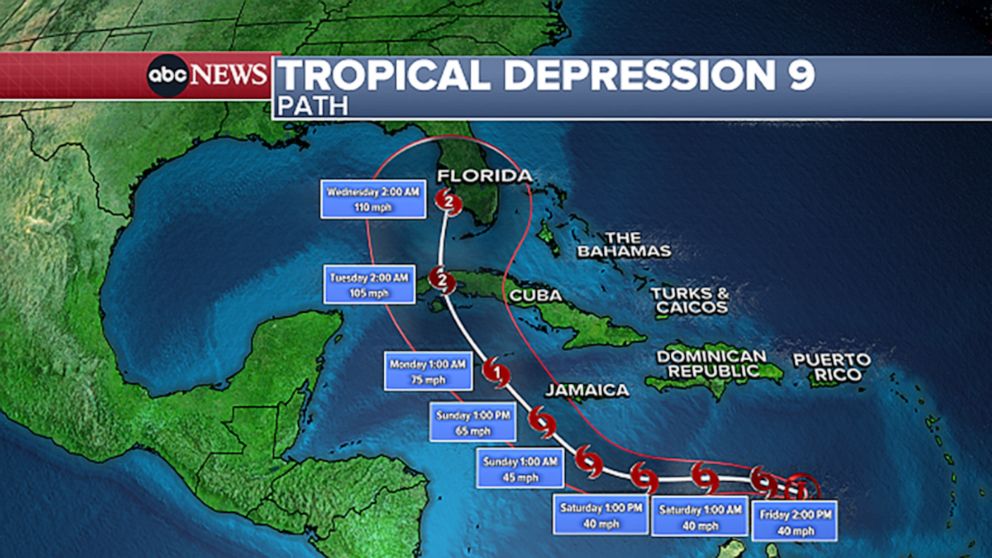
Staying Safe in Your Accommodation
If you are not in an evacuation zone and decide to shelter in place, your hotel or resort will likely have specific instructions:
- Stay Indoors: Remain in your room or a designated safe area during the storm.
- Follow Staff Instructions: Hotel staff are trained for these situations and will provide guidance on where to go, what to do, and when it’s safe.
- Be Aware of the Eye: If the eye of a hurricane passes over, there will be a temporary calm. Do not mistake this for the end of the storm; dangerous winds will resume from the opposite direction.
- Conserve Resources: Water, electricity, and air conditioning may be interrupted. Follow guidelines on conserving these resources.
Remember, your safety is the priority. Tourism operators, from Four Seasons Hotels and Resorts to smaller boutique hotels, have well-practiced protocols in place to protect guests, and their guidance should be followed diligently.
Post-Hurricane Travel: What to Expect and How to Help
Once a storm has passed, the immediate aftermath can still impact travel. Understanding the recovery process and how you can be a responsible tourist is vital.
Assessing the Aftermath and Resuming Travel
- Damage Assessment: After a hurricane, it takes time for authorities to assess damage, clear roads, and restore utilities. Even if your specific destination wasn’t directly hit, travel infrastructure (airports, highways) across the state might be affected. Do not attempt to re-enter an area until it is declared safe by officials.
- Check on Attractions and Services: Theme parks like Busch Gardens Tampa Bay or natural landmarks such as Everglades National Park may close temporarily for safety checks and cleanup. Restaurants, shops, and tour operators might also be closed. Always check their official websites or social media for the most current operational status.
- Supporting Local Recovery: If you proceed with your trip to an unaffected or quickly recovering area, your tourism dollars can directly contribute to the local economy’s recovery. Be patient with service providers, as they may be operating with reduced staff or resources. Respect any local advisories or restrictions still in place.
- Rebooking and Refunds: If your trip was cancelled or cut short, work with your travel insurance provider, airline, and accommodation to process refunds or rebook for a later date. Keep detailed records of all communications and expenses. Many tourism businesses in Florida are highly understanding in these situations and will work to accommodate guests.
Florida’s Resilience and Enduring Appeal
Despite the annual threat of hurricanes, Florida remains one of the world’s most beloved travel destinations. The state and its tourism industry have developed advanced preparedness and recovery systems, learning from each storm. Communities rally together, infrastructure is rebuilt, and the natural beauty always shines through again.
Cities like Sarasota, St. Petersburg, Naples, and Daytona Beach quickly rebound, showcasing the resilient spirit of Floridians. The state continually invests in strengthening its buildings, improving its emergency response, and educating its residents and visitors. From the vibrant nightlife of South Beach to the thrilling rides at Universal Orlando Resort, and the historical richness of St. Augustine to the space exploration at Kennedy Space Center Visitor Complex, Florida’s diverse attractions ensure there’s always something incredible to experience.
By approaching your trip with awareness, preparedness, and a flexible mindset, you can enjoy all that Florida has to offer, regardless of the time of year. The question “What hurricane is coming to Florida?” transitions from a source of dread to a prompt for informed and safe travel, allowing you to focus on creating unforgettable memories in this extraordinary state.