
While embarking on a Californian adventure, whether it’s exploring the golden beaches of Malibu, soaking in the vibrant culture of Los Angeles, or marveling at the natural wonders of Yosemite National Park, the last thing on your mind might be state income tax. Yet, for many, a significant portion of their Californian experience could involve earning income within the Golden State. This income, in its various forms, is subject to taxation by the California Franchise Tax Board (FTB). Understanding what constitutes taxable income in California is crucial for residents, part-time workers, freelancers, and even those who might not consider themselves full-time residents but earn money within its borders. This article aims to demystify the complexities of California income tax, drawing parallels with the broader themes of travel, tourism, and lifestyle that define the allure of this captivating state.
Understanding Your California Taxable Income Landscape
The concept of taxable income in California is broad, encompassing almost all forms of earnings received by individuals and businesses. This principle is fundamental, regardless of whether you’re enjoying a luxurious stay at the Beverly Hills Hotel, a budget-friendly apartment in San Diego, or a long-term villa rental overlooking the Pacific Ocean. The FTB’s purview extends to wages, salaries, tips, commissions, bonuses, self-employment income, investment income, and even certain types of benefits. For the traveler, this might translate to earnings from a temporary job during a workcation, income from a remote freelance gig while enjoying the California lifestyle, or rental income from a property within the state.
Sources of Income Subject to California Tax
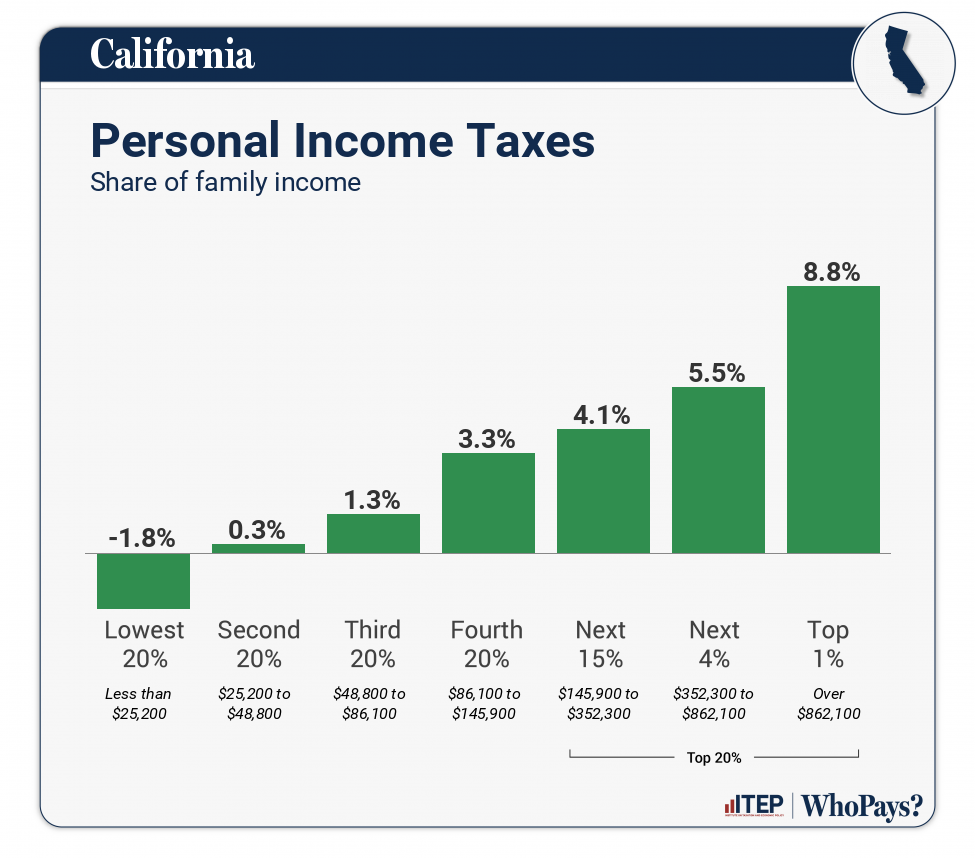
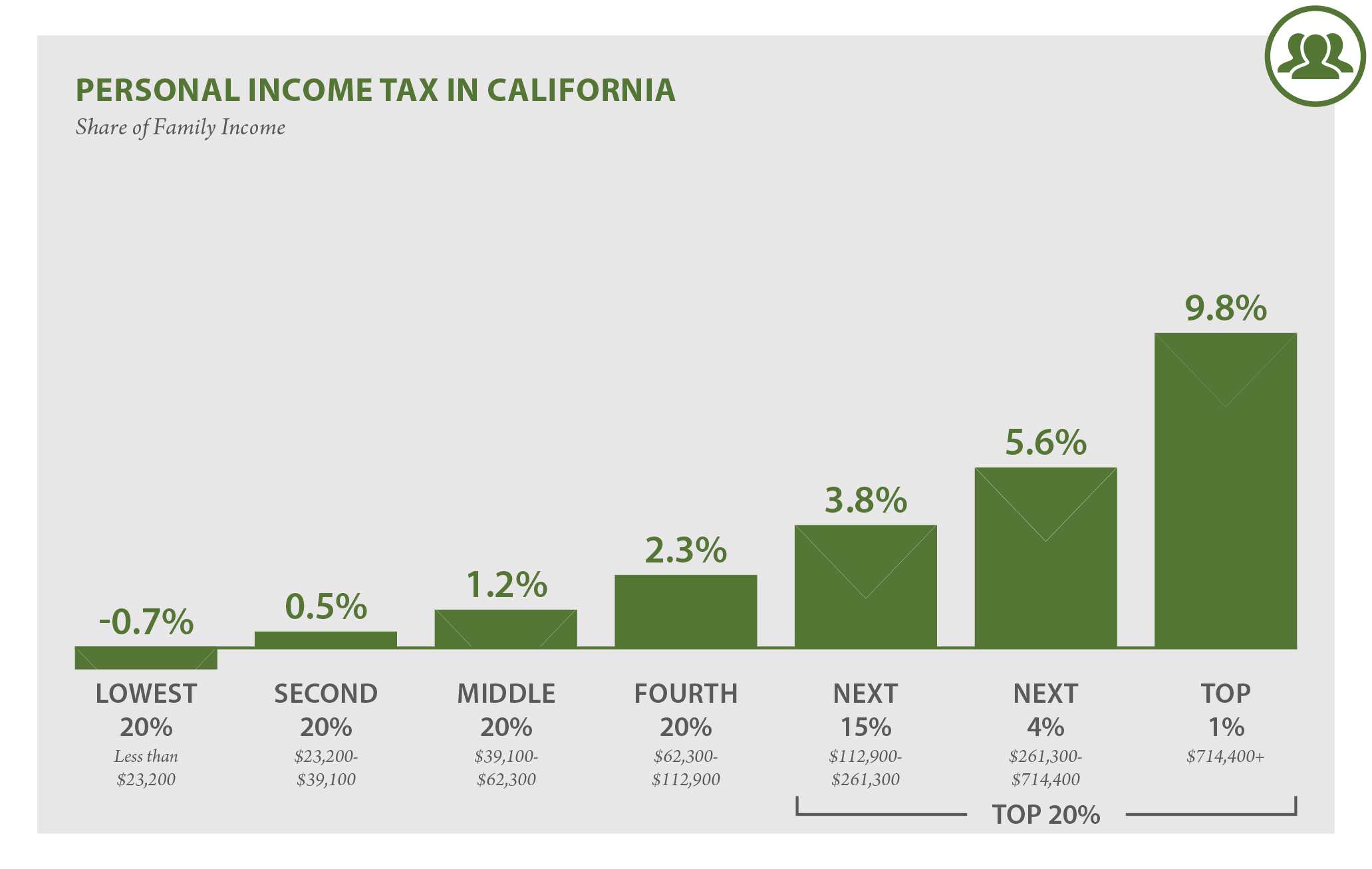
The California tax system operates on a progressive scale, meaning that higher earners generally pay a larger percentage of their income in taxes. This is a significant consideration for anyone earning an income while experiencing the diverse offerings of California, from the bustling streets of San Francisco to the serene vineyards of Napa Valley.
Wages, Salaries, and Employment Income
This is perhaps the most common form of income. If you are employed by a California-based company, even if you’re temporarily working remotely from a charming boutique hotel in Carmel-by-the-Sea, your wages are generally considered taxable. This includes regular pay, overtime, bonuses, and commissions. Employers are responsible for withholding state income tax from your paychecks, which are then remitted to the FTB. For individuals who hold multiple jobs or have income from various sources, it’s essential to track all earnings to ensure accurate tax reporting. This applies whether your employment is tied to the tourism industry, like working at a resort in Palm Springs, or a completely unrelated field.
Self-Employment and Freelance Income
The rise of the gig economy and remote work has made self-employment income a significant category for California taxpayers. If you are a freelancer, independent contractor, or small business owner operating in California, the net earnings from your business activities are taxable. This includes income from services rendered to clients, whether you’re a graphic designer creating logos for a local Los Angeles boutique, a photographer capturing the beauty of Big Sur, or a consultant providing services to businesses in the Silicon Valley.
Self-employment income is subject to both income tax and, importantly, self-employment tax (which covers Social Security and Medicare). California also requires self-employed individuals to make estimated tax payments throughout the year to avoid penalties. This is a critical aspect to consider for digital nomads or anyone spending extended periods in California and earning income through their own ventures. The FTB expects timely reporting and payment of these taxes, just as they do for traditional employees.
Investment and Passive Income
Beyond active employment, California also taxes income derived from investments and passive activities. This can include:
- Interest Income: Earnings from savings accounts, certificates of deposit (CDs), and bonds issued by entities other than California state or local governments.
- Dividend Income: Payments received from stocks and mutual funds. While California does not tax dividends from California corporations if the recipient is a California resident, dividends from out-of-state corporations are generally taxable.
- Capital Gains: Profits realized from the sale of assets such as stocks, bonds, real estate, or collectibles. The tax rate for capital gains in California depends on how long the asset was held (short-term vs. long-term) and your overall income bracket. For those investing in California real estate or California-based companies, understanding these nuances is vital.
- Rental Income: If you own property in California and rent it out, the net income (gross rents minus deductible expenses like mortgage interest, property taxes, insurance, repairs, and depreciation) is taxable. This is particularly relevant for individuals who own vacation homes or investment properties across the state, from the beaches of San Diego to the mountains near Lake Tahoe.
Business Income and Partnership/S-Corp Distributions
For owners of businesses operating in California, income generated by these entities is taxable. The specific method of taxation depends on the business structure.
- Sole Proprietorships and Partnerships: The profits and losses of these businesses are “passed through” to the owners and reported on their individual income tax returns.
- S-Corporations: Similar to partnerships, S-corp income and losses are passed through to shareholders.
- C-Corporations: These entities are taxed separately from their owners. Profits are taxed at the corporate level, and then dividends distributed to shareholders are taxed again as individual income.
For those who are partners in a California-based law firm, a tech startup in Silicon Valley, or a restaurant in San Francisco, understanding the tax implications of their business’s earnings is paramount.
Other Taxable Income Sources
California‘s tax net is cast widely, and several other forms of income are also subject to taxation:
- Alimony and Separate Maintenance Payments: For divorce or separation agreements executed on or before December 31, 2018, alimony received is generally taxable income in California. For agreements executed after this date, it is not taxable for federal purposes but California follows federal law in this regard and thus it is not taxable.
- Pensions and Annuities: While some retirement income may be exempt or receive preferential tax treatment, generally, distributions from pensions and annuities are taxable. This can be a crucial consideration for retirees who choose to spend their golden years in California, enjoying its mild climate and diverse attractions.
- Unemployment Compensation: California follows federal law, and unemployment benefits are generally taxable income.
- Gambling Winnings: Winnings from lotteries, horse races, and other forms of gambling are taxable. This could include winnings from a visit to a California casino or a local lottery.
- Prizes and Awards: Most prizes and awards received are considered taxable income, unless they meet specific exclusion criteria. This could range from winning a competition at a local festival to receiving a grant for artistic endeavors.
Non-Taxable Income in California
While the FTB casts a wide net, there are specific types of income that are not subject to California income tax. Understanding these exceptions can be beneficial for individuals planning their finances while enjoying the California lifestyle.
Certain Types of Income Exempt from California Tax
- Gifts and Inheritances: Amounts received as gifts or inheritances are generally not considered taxable income in California, as long as they are true gifts and not compensation for services.
- Child Support Payments: Court-ordered child support payments are not taxable income for the recipient.
- Veterans’ Benefits: Benefits received from the Department of Veterans Affairs are typically not taxable.
- Certain Social Security Benefits: While some retirement income is taxable, Social Security benefits are generally not taxed in California.
- Life Insurance Proceeds: Proceeds from life insurance policies paid by reason of the death of the insured are generally not taxable income to the beneficiary.
- Certain Scholarships and Grants: Scholarships and grants used for tuition, fees, and course-related expenses are generally excludable from income. However, amounts used for room, board, or travel are typically taxable. This might be relevant for students attending California universities or participating in academic programs within the state.
It is important to note that tax laws can be complex and are subject to change. For personalized advice and to ensure full compliance with California tax regulations, consulting with a qualified tax professional or referring to the official California Franchise Tax Board publications is always recommended. Whether you are a resident enjoying the vibrant culture of San Francisco, a visitor exploring the landmarks of San Diego, or a business owner in the heart of Silicon Valley, a clear understanding of taxable income is essential for a smooth and compliant experience in the Golden State.
Residency: The Cornerstone of California Income Tax Liability
A fundamental aspect that determines your tax obligations in California is your residency status. The FTB distinguishes between residents and non-residents, and this distinction significantly impacts what income is considered taxable by the state. Whether you’re planning a permanent move to California, a seasonal stay, or simply visiting its iconic attractions like the Golden Gate Bridge or the Disneyland Resort, understanding your residency for tax purposes is paramount.
Defining California Residency for Tax Purposes
California defines a resident as an individual who is physically present in California for an aggregate of more than nine months of the taxable year, with the intention to remain in California indefinitely or permanently. This is often referred to as the “domicile” test. If you meet this definition, you are considered a resident for tax purposes and are generally subject to tax on your worldwide income, meaning all income you earn, regardless of where it is earned, is potentially taxable by California.
This has broad implications. If you are a California resident working remotely from a scenic villa in Palm Springs while still maintaining your primary home and business ties in another state, California may still consider you a resident and tax your income from that other state. Conversely, if you are not a California resident, you are generally only taxed on income derived from California sources. This could include wages earned from a temporary job at a resort in Santa Barbara, rental income from a property in Los Angeles, or profits from a business located within the state.
Establishing and Proving Residency
Establishing residency for tax purposes can be complex. The FTB looks at various factors to determine an individual’s domicile, including:
- Location of your principal home: Where do you live most of the time?
- **Time spent in *California*: Are you physically present in the state for more than nine months annually?
- Location of your spouse and children: Where do they reside?
- Where you are registered to vote: Your voter registration is a strong indicator of intent.
- Location of your driver’s license: A California driver’s license can be evidence of residency.
- Location of your bank accounts: Where do you primarily conduct your financial affairs?
- Where your professional licenses are held: This includes licenses for practicing medicine, law, or other professions.
- Location of your economic ties: Where do you conduct most of your business and financial activities?
Individuals who spend significant time in California for work or leisure, perhaps enjoying the luxury lifestyle of Beverly Hills or the outdoor adventures in the Sierra Nevada mountains, need to be mindful of these factors. If you are a frequent visitor or have multiple residences, carefully documenting your intent and primary ties is crucial to avoid unintended tax liabilities.
Non-Residents and Part-Year Residents
Non-Residents
If you are not a California resident, you are subject to California income tax only on income that has a source within California. Examples of California-source income for non-residents include:
- Wages earned for services performed in California.
- Income from a business operated in California.
- Rental income from property located in California.
- Gains from the sale of real property located in California.
Even if you are visiting California for an extended vacation, working remotely from a rented apartment in San Francisco, or attending a conference, any income earned for services performed while physically in the state is generally considered California-source income and is taxable.
Part-Year Residents
An individual who changes their residency status during the taxable year is considered a part-year resident. For example, someone who moves to California from another state mid-year becomes a part-year resident. In this case, they will file a part-year resident tax return and will be taxed by California on:
- All income earned while they were a California resident.
- Income from California sources earned while they were a non-resident.
Similarly, if someone moves out of California during the year, they will be taxed on their worldwide income for the period they were a resident and on California-source income for the period they were a non-resident. This nuanced approach is critical for individuals transitioning their lives and careers, perhaps moving to Los Angeles for a film career or relocating to the wine country of Napa Valley for a new venture.
The determination of residency is a critical first step in understanding your California income tax obligations. Whether you are a seasoned resident enjoying the diverse lifestyle offerings of California, from its bustling cities to its tranquil natural landscapes, or a visitor experiencing its unique attractions, clarity on your tax status is essential for financial planning and compliance.
LifeOutOfTheBox is a participant in the Amazon Services LLC Associates Program, an affiliate advertising program designed to provide a means for sites to earn advertising fees by advertising and linking to Amazon.com. Amazon, the Amazon logo, AmazonSupply, and the AmazonSupply logo are trademarks of Amazon.com, Inc. or its affiliates. As an Amazon Associate we earn affiliate commissions from qualifying purchases.