
In the vast and varied world of accommodation, hotel star ratings serve as a crucial guide for travelers, offering a quick snapshot of what to expect in terms of quality, amenities, and service. From budget-friendly one-star establishments to opulent five-star resorts, each rating category caters to distinct preferences and travel styles. Among these, the 3-star hotel occupies a unique and highly popular position, often regarded as the sweet spot for many global travelers. It represents a delightful balance of comfort, convenience, and cost-effectiveness, making it a go-to choice for a diverse array of guests.

Understanding what a 3-star hotel truly entails is essential for anyone planning a trip, whether for business or leisure. It’s more than just a number; it signifies a commitment to providing a consistent and enjoyable guest experience, offering more than just the basics without delving into the extravagance of luxury accommodations. These hotels are often a practical base for exploring vibrant cities like New York City or historic destinations like London, perfectly aligning with various travel itineraries and budgets.
The Global Hotel Rating System: A Quick Overview
Before delving specifically into the characteristics of a 3-star hotel, it’s helpful to understand the broader context of hotel star ratings. While there isn’t a single, universally standardized system across all countries, most rating methodologies share common criteria, evaluating aspects such as facilities, services, cleanliness, and overall guest experience. Organizations like AAA in the United States or the official tourism boards in countries like France or the United Kingdom have their own detailed guidelines. However, the general principles remain consistent:
- 1-Star Hotels: Basic, no-frills accommodation, typically offering essential amenities like a bed and a private bathroom. Ideal for budget travelers who prioritize cost over comfort and extra services.
- 2-Star Hotels: A step up from 1-star, providing slightly more comfort and a few additional amenities such as televisions, phones, and often a limited food service like breakfast. These are still budget-conscious but offer a bit more convenience.
- 3-Star Hotels: The focus of our discussion, these properties offer a significant upgrade in amenities, service, and overall experience compared to 1- and 2-star options. They aim for comfort and functionality with a range of services.
- 4-Star Hotels: Approaching luxury, 4-star hotels offer upscale amenities, more refined service, higher-quality furnishings, and often multiple dining options, fitness centers, and more extensive concierge services.
- 5-Star Hotels: The pinnacle of hospitality, providing unparalleled luxury, exquisite service, gourmet dining, state-of-the-art facilities, and personalized attention to every guest’s need.
The beauty of the 3-star category lies in its accessibility and reliability. It often represents properties that are part of well-known chains like Hilton Garden Inn, Courtyard by Marriott, or Holiday Inn Express, ensuring a consistent experience regardless of the destination. These hotels understand the modern traveler’s need for efficiency without sacrificing comfort, making them an integral part of the global accommodation landscape.
Defining the 3-Star Hotel Experience
A 3-star hotel is characterized by its commitment to providing a good quality of service and a comfortable stay, without the added extravagance that comes with higher ratings. Guests can typically expect a more comprehensive range of amenities and services compared to their 1- and 2-star counterparts, all while maintaining a competitive price point.
Essential Amenities and Services
One of the distinguishing features of a 3-star hotel is the breadth and quality of its amenities. Guests can generally anticipate:
- 24-Hour Front Desk Service: This is a standard expectation, ensuring assistance is always available, whether for late check-ins, early check-outs, or general inquiries.
- Daily Housekeeping: Rooms are cleaned and tidied daily, maintaining a fresh and welcoming environment throughout the stay.
- On-Site Dining Options: While perhaps not gourmet, a 3-star hotel will often feature at least one on-site restaurant or a breakfast area. Many offer complimentary breakfast, which is a significant value-add for travelers. A simple café or a bar serving light snacks and drinks is also common.
- Internet Access: High-speed Wi-Fi is almost universally available, often complimentary in rooms and common areas, catering to both business travelers and leisure guests who need to stay connected.
- Fitness Center: A small gym with basic cardio equipment and weights is frequently offered, allowing guests to maintain their fitness routine while traveling.
- Business Services: Facilities like meeting rooms, printing services, and sometimes a dedicated business center are available, making these hotels suitable for corporate travel and small conferences.
- Parking: Depending on the location, on-site or nearby parking is often provided, though it may incur an additional fee, particularly in urban centers like Paris or Rome.
- Concierge or Tour Desk: While not always a full concierge service like in a 5-star hotel, a 3-star establishment often has staff available to provide local recommendations, assist with tour bookings, or arrange transportation, helping guests explore local culture and attractions like the Eiffel Tower or the Colosseum.
Rooms and Common Areas
The guest rooms in a 3-star hotel are designed for comfort and functionality. Expect standard room sizes, typically featuring:
- Private Bathroom: Equipped with a shower or a bath-shower combination, along with complimentary toiletries (shampoo, soap, conditioner).
- Comfortable Bedding: High-quality mattresses, linens, and pillows ensure a restful night’s sleep.
- Work Desk and Chair: A dedicated space for working or planning, often with accessible power outlets.
- Television: Flat-screen TVs with a selection of local and cable channels are standard.
- Coffee/Tea Maker: In-room facilities for hot beverages are a common and appreciated amenity.
- Hairdryer, Iron, and Ironing Board: These conveniences are typically provided in the room.
- Safe: A small safe for valuables is usually available, either in the room or at the front desk.
Common areas are clean, well-maintained, and designed to be welcoming. The lobby might be spacious enough for casual meetings or relaxation, and public spaces are generally aesthetically pleasing, albeit without the opulent décor found in luxury hotels. These areas are crucial for creating a positive first impression and enhancing the overall accommodation experience.
Dining and Entertainment Options
While a 3-star hotel might not boast multiple fine-dining establishments, it typically provides satisfactory options to meet guests’ needs. The on-site restaurant often serves breakfast, lunch, and dinner, focusing on familiar cuisine or local favorites. Many hotels prioritize a hearty breakfast buffet, sometimes included in the room rate, to kickstart the day for travelers heading out to explore Tokyo’s bustling streets or Kyoto’s serene temples. A lounge or bar area provides a relaxed setting for evening drinks, fostering a sense of community among guests. Some may even have a small convenience store or vending machines for quick snacks and drinks.
Guest Services and Staffing
The staff at a 3-star hotel are generally professional, courteous, and efficient. They are trained to handle routine requests and provide good customer service, ensuring a smooth and pleasant stay. While not as personalized or anticipatory as in a 5-star resort, the service is reliable and responsive. Staff members are often knowledgeable about the local area, offering valuable insights into local culture, attractions, and transportation. Language proficiency, especially in common international languages, is also typically high, particularly in tourist-heavy destinations.
The Target Traveler and Value Proposition of 3-Star Hotels
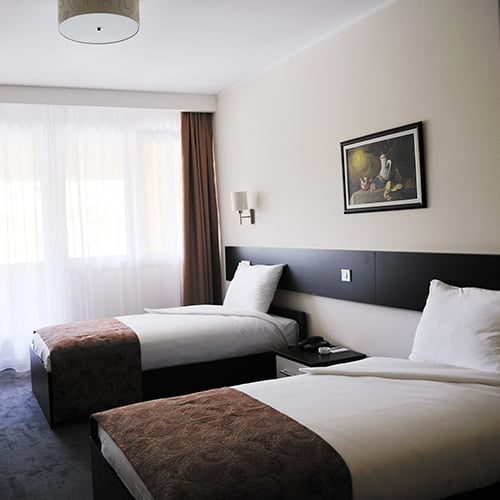
The universal appeal of 3-star hotels stems from their ability to cater to a broad spectrum of travelers, offering an optimal blend of comfort, convenience, and value. This category is particularly attractive to those who seek a reliable, clean, and well-equipped place to stay without the hefty price tag associated with luxury accommodations.
Balancing Comfort and Cost
For many, the primary draw of a 3-star hotel is the excellent value it provides. Travelers get a significant upgrade in quality and amenities compared to budget options, without having to break the bank. This makes them ideal for:
- Budget-Conscious Travelers: Those who want a comfortable stay without splurging, allowing them to allocate more of their travel budget to experiences, food, and attractions.
- Families: 3-star hotels often offer family-friendly amenities, larger rooms, or connecting room options. The presence of a pool, even a small one, or a complimentary breakfast can be a huge bonus for families exploring destinations like Miami or planning a trip to the Grand Canyon.
- Business Travelers: These hotels provide essential services like Wi-Fi, meeting rooms, and comfortable workspaces, making them perfectly suited for those on business trips who need efficiency and convenience. Proximity to business districts or convention centers is often a key factor.
- Solo Adventurers: Individuals exploring new cities appreciate the safety, comfort, and accessibility offered by 3-star properties, providing a reliable base for their adventures.
The value proposition extends beyond just the room rate. Many 3-star hotels are strategically located, offering easy access to public transportation, major landmarks, and local dining, which can save travelers money on taxis and commuting. They often represent a thoughtful lifestyle choice, prioritizing practical luxury over excessive indulgence.
Ideal for Various Travel Styles
Whether you’re embarking on a quick weekend getaway, an extended vacation, or a crucial business trip, a 3-star hotel can seamlessly integrate into your travel plans:
- City Explorers: For travelers eager to dive into the heart of a city like Barcelona or Tokyo, a 3-star hotel offers a comfortable retreat after a day of sightseeing. Its central location often means being within walking distance or a short ride from major attractions such as the Sydney Opera House or historic districts.
- Road Trippers: When driving across regions, finding a reliable 3-star hotel provides a much-needed haven for rest, equipped with the necessary comforts before continuing the journey. Ample parking and easy access from main roads are often considered.
- Event Attendees: For those visiting cities for conferences, concerts, or sporting events, 3-star hotels near venues offer convenience without the premium prices of luxury hotels that might be further away.
- Leisure Travelers: Tourists seeking a relaxed holiday can benefit from the amenities like a pool or a casual restaurant, providing a comfortable environment to unwind. This category of hotels caters well to those who appreciate consistent quality without needing a full-service resort experience.
3-Star vs. 2-Star vs. 4-Star: Understanding the Nuances
To fully appreciate the role of a 3-star hotel, it’s helpful to draw clear distinctions between it and its immediate neighbors in the star rating system. The differences, while sometimes subtle, significantly impact the guest experience.
3-Star vs. 2-Star Hotels:
The jump from 2-star to 3-star often marks a considerable improvement in overall quality and service. A 2-star hotel, while clean and comfortable, typically offers very limited services. You might find a simple breakfast area, but a full-service restaurant is rare. Amenities like a fitness center or business services are often absent. Room decor is usually very basic, and toiletries might be minimal. The emphasis is strictly on providing a clean bed and a private bathroom. Brands like Ibis or Travelodge in some regions often fall into this category.
A 3-star hotel, on the other hand, provides a more rounded experience. It introduces the expectation of a 24-hour front desk, an on-site restaurant for at least one meal, a gym, and more robust in-room amenities like a coffee maker and a hairdryer. The decor is generally more inviting and modern, aiming for comfort rather than just basic functionality. The staff are typically more trained to offer general assistance and local recommendations, enhancing the overall tourism experience.
3-Star vs. 4-Star Hotels:
The distinction between 3-star and 4-star hotels primarily lies in the level of refinement, luxury, and extensive service offerings. A 4-star hotel elevates the experience with:
- Superior Design and Furnishings: Expect higher-quality materials, more sophisticated decor, and often larger, more luxurious rooms or suites.
- Expanded Dining Options: Multiple restaurants, potentially with a focus on gourmet cuisine, and more extensive room service hours.
- Enhanced Amenities: Larger, more comprehensive fitness centers, often with spas, swimming pools (indoor or outdoor), and sometimes valet parking.
- More Personalized Service: A dedicated concierge, turndown service, and a higher staff-to-guest ratio leading to more attentive and anticipatory service. Brands like Hyatt Place or Hampton Inn might straddle the line, while a Renaissance Hotel would comfortably sit in the 4-star realm.
A 3-star hotel, while comfortable and well-appointed, focuses on practicality and efficiency. Its design might be contemporary and pleasant but not lavish. Services are competent and reliable but perhaps not as personalized as a 4-star establishment. For instance, a 3-star might offer a good breakfast buffet, while a 4-star might have an à la carte menu with specialty items and tableside service. The choice between them often comes down to whether a traveler prioritizes a higher level of luxury and personalized attention over a more economical yet highly satisfactory stay. For someone exploring the history of Berlin or the charm of Prague, a 3-star hotel provides an excellent home base without unnecessary extravagance.

Choosing and Booking Your Ideal 3-Star Stay
Selecting the right 3-star hotel requires a bit of research, but the rewards are a comfortable and value-driven stay. Given the vast selection, especially in popular travel destinations like Bangkok or Dubrovnik, informed decision-making is key.
Key Factors to Consider:
- Location: This is paramount. Is it close to the attractions you plan to visit, public transport, or your business meeting venue? Even a great hotel can be inconvenient if it’s poorly located. For instance, if you’re visiting San Francisco to see the Golden Gate Bridge and explore the city, a central location or one with easy BART access is crucial.
- Reviews and Ratings: Always check recent guest reviews on platforms like TripAdvisor, Booking.com, or Expedia. Pay attention to comments regarding cleanliness, staff friendliness, noise levels, and the actual condition of facilities. A hotel might have a 3-star rating, but consistent negative reviews about maintenance issues should be a red flag.
- Specific Amenities: Do you need a pool, a gym, or meeting rooms? Confirm these are available and meet your expectations. If traveling for business, reliable Wi-Fi is non-negotiable. If with family, a kid-friendly breakfast or amenities can make a big difference.
- Dining Options: If having an on-site restaurant or complimentary breakfast is important, verify what’s offered. Some 3-star hotels excel in their breakfast offerings, while others might be more basic.
- Brand Reputation: Major hotel chains like Marriott International, Accor Hotels, InterContinental Hotels Group, Hilton Worldwide, and Radisson Hotels often have 3-star brands (Premier Inn for example) that offer consistent quality and service globally, providing a sense of reliability.
- Price and Promotions: Compare prices across different booking platforms. Look for deals, packages, or loyalty program benefits. Sometimes, booking directly with the hotel offers perks like free breakfast or upgrades.
Booking Tips:
- Book in Advance: Especially for popular destinations or during peak seasons (e.g., visiting Chicago in summer or Vancouver during ski season), booking early often secures better rates and ensures availability.
- Read the Fine Print: Understand cancellation policies, check-in/check-out times, and any additional fees (e.g., resort fees, parking charges).
- Consider Long-Term Stays: Many 3-star hotels are excellent choices for longer visits, sometimes offering discounted rates or amenities like kitchenettes in certain room types. This makes them suitable for extended business assignments in Dubai or a sabbatical exploring Mexico City.
- Leverage Loyalty Programs: If you frequently travel and stay with specific chains, joining their loyalty programs can yield benefits like free nights, upgrades, or exclusive member rates.
In conclusion, a 3-star hotel is much more than just a mid-range option; it’s a strategically smart choice for the discerning traveler. It represents a commitment to providing quality accommodation and essential services that ensure a comfortable and convenient stay, all without demanding a premium price. Whether you’re exploring famous places like Florence, traveling for business, or enjoying a family trip to Disney World or Universal Studios, a 3-star hotel offers a reliable and satisfying experience, proving that comfort and value can indeed go hand in hand. It’s the accessible bridge between basic lodging and full-blown luxury, making quality travel achievable for a wider audience.
LifeOutOfTheBox is a participant in the Amazon Services LLC Associates Program, an affiliate advertising program designed to provide a means for sites to earn advertising fees by advertising and linking to Amazon.com. Amazon, the Amazon logo, AmazonSupply, and the AmazonSupply logo are trademarks of Amazon.com, Inc. or its affiliates. As an Amazon Associate we earn affiliate commissions from qualifying purchases.