
For many, the mention of “Boston Butt Pork” immediately conjures images of succulent, slow-smoked pulled pork, a cornerstone of American barbecue. But for the uninitiated traveler or curious food enthusiast, the name itself can be a bewildering culinary riddle. Why “Boston”? And what exactly is a “butt” when it comes to pork? More than just a cut of meat, the Boston Butt represents a rich tapestry of culinary history, regional identity, and a profound experience for those exploring the gastronomic landscapes of the United States. It’s a key ingredient in dishes that define entire regions, drawing visitors from across the globe on a pilgrimage for authentic flavors.
At its core, the Boston Butt is a significant element of culinary tourism, offering a delicious gateway into local cultures and traditions. Imagine embarking on a road trip through the southern states, stopping at legendary smokehouses and unassuming diners, each offering their unique interpretation of this versatile pork cut. This journey is not merely about sustenance; it’s about connecting with the heart and soul of a place, one tender, smoky bite at a time. This article will unravel the mystery of the Boston Butt, explore its historical roots, its pivotal role in regional cuisines, and how it serves as an irresistible draw for travelers seeking authentic experiences.
Unraveling the Mystery: The Boston Butt Explained
Before we delve into its cultural significance and travel appeal, it’s essential to understand the Boston Butt itself. Dispelling common misconceptions and clarifying its origins provides a foundational appreciation for this culinary marvel.
Anatomy of a Culinary Icon: What is a Boston Butt?
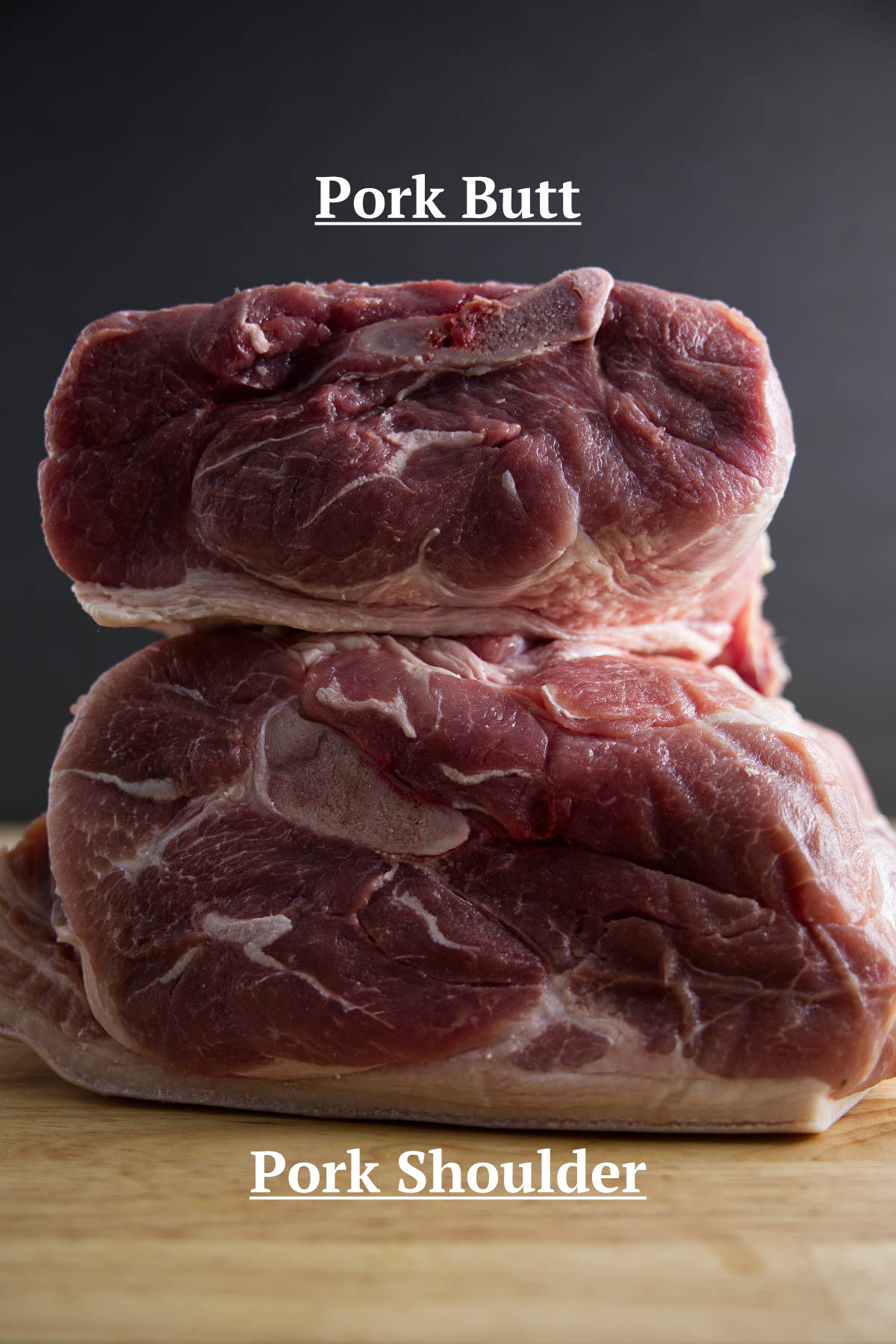
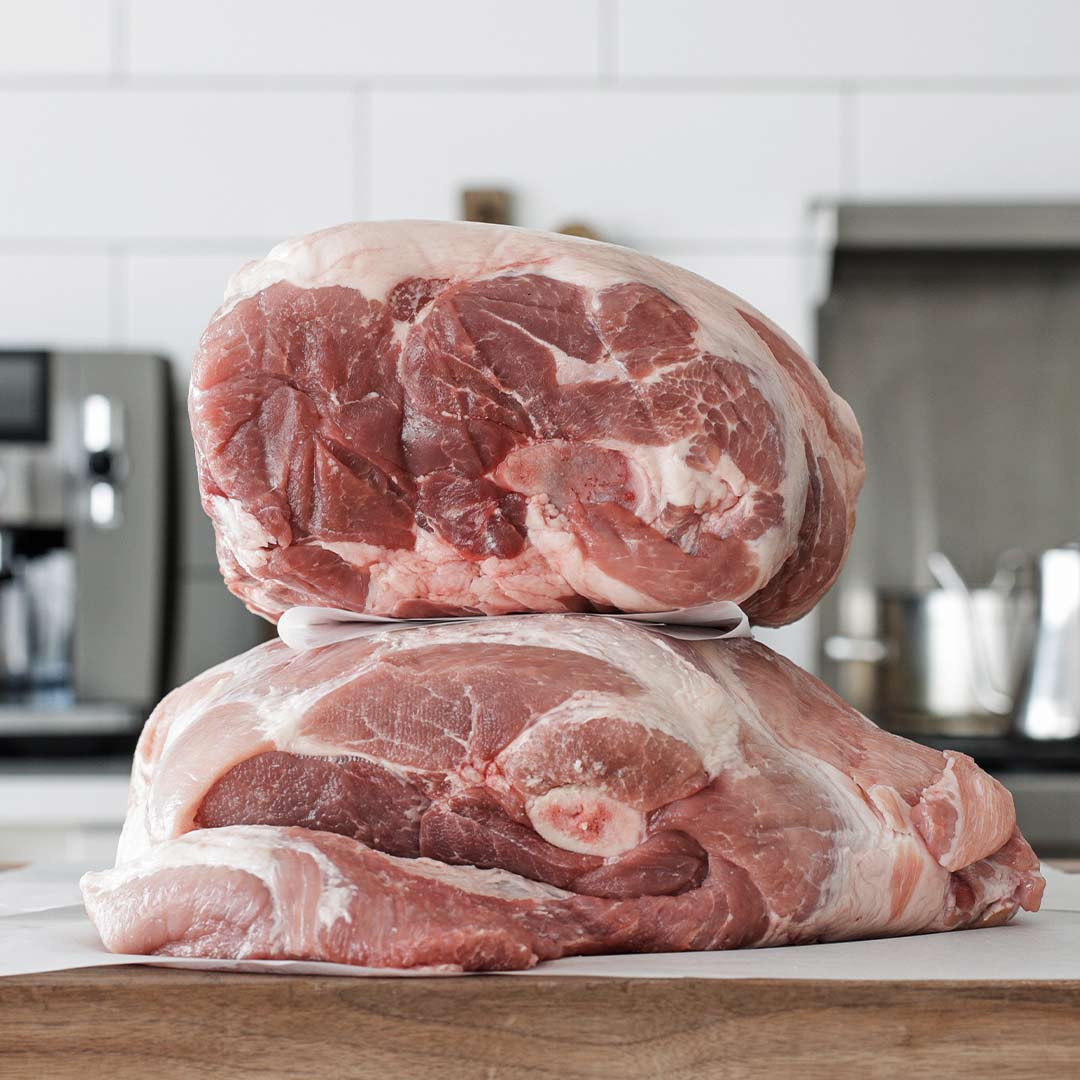
Contrary to what the name might suggest, the Boston Butt is not from the rear end of a pig. In fact, it comes from the complete opposite side: the upper part of the pig’s front shoulder. It includes part of the shoulder blade bone, a good amount of connective tissue, and marbling (intramuscular fat). This specific cut, often weighing between 6 to 10 pounds, is prized for its generous fat content and collagen, which, when cooked low and slow, renders into incredibly tender, juicy, and flavorful meat.
Also known as pork shoulder or picnic shoulder, the “butt” portion specifically refers to the upper part of the shoulder, above the picnic cut (which is the lower part of the shoulder, closer to the leg). The muscle structure in this area is perfect for long cooking methods. The marbling ensures the meat stays moist, while the connective tissues break down into gelatin, contributing to a rich, mouth-watering texture that is virtually impossible to achieve with leaner cuts. It’s this unique composition that makes the Boston Butt the ideal choice for shredding, making it the undisputed champion for dishes like pulled pork.
For travelers interested in local food markets, identifying a Boston Butt can be an adventure in itself. Visiting a local butcher shop in a new city, particularly in regions known for their barbecue, can provide insights into traditional butchery practices and the specific cuts preferred by regional chefs and home cooks. It’s an authentic experience that goes beyond merely ordering a dish in a restaurant; it’s about understanding the raw ingredients that fuel a culinary tradition.

The Curious Case of the Name: Why “Boston Butt”?
The peculiar name “Boston Butt” is a fascinating linguistic and historical relic, deeply rooted in the pork packing traditions of New England in the late 18th and early 19th centuries. During this period, butchers in the Boston area would take these less-prized shoulder cuts, package them into wooden barrels for storage and transport, and these barrels were commonly referred to as “butts.” So, the name isn’t about the pig’s anatomy or where the cut came from on the pig; it refers to the container it was traditionally stored and shipped in from the Boston area.
As pork was a staple meat, especially for its ability to be preserved, these barrels of shoulder cuts from Boston became widely distributed. Over time, the name stuck, and “Boston Butt” evolved from describing a packaging method to defining the cut itself, particularly as it gained popularity for its suitability for slow cooking. This historical tidbit is often shared by local guides or seasoned barbecue pitmasters, adding another layer of depth to the culinary stories encountered while traveling. Understanding the origin of the name offers a glimpse into historical trade practices and the evolution of food terminology, enriching the overall tourism experience. It transforms a simple menu item into a piece of living history.
A Journey Through Flavor: Boston Butt in Regional Cuisine
The Boston Butt’s true celebrity status is found within the diverse and passionate world of regional American cuisine, especially barbecue. It’s a foundational ingredient that shapes the distinct flavors and techniques found in different states, making it a pivotal point of interest for culinary travelers.
The Heart of American BBQ: Pulled Pork Perfection
When people speak of pulled pork, they are almost invariably talking about a dish made from a Boston Butt. The magic happens through hours of low and slow cooking, typically in a smoker over wood fire, but also achievable in ovens or slow cookers. This prolonged exposure to heat and smoke, often accompanied by dry rubs and mops, breaks down the tough connective tissues, melts the fat, and infuses the meat with an incredible smoky flavor. The result is meat so tender it can literally be “pulled” apart with forks.
The preparation and serving of pulled pork vary significantly across regions, offering a rich tapestry of culinary experiences for the adventurous palate. In North Carolina, particularly Eastern North Carolina, the pork is often chopped or pulled and dressed with a vinegar-based sauce that provides a tangy counterpoint to the rich meat. Further west in the state, the sauce might incorporate ketchup and brown sugar for a sweeter, thicker profile. In South Carolina, mustard-based sauces are king, adding a unique zest. In regions like Kansas City, a sweet and tangy tomato-based sauce is preferred, often slathered on generously after the smoking process. Each regional variation offers a distinct culinary identity, creating a compelling reason for travelers to explore these destinations. Food tours specifically dedicated to barbecue are a popular way to sample these differences and learn from local experts.
Beyond the Smoker: Other Culinary Applications
While pulled pork is undoubtedly the Boston Butt’s most famous role, its versatility extends to other delicious preparations. Its generous marbling and robust flavor make it suitable for various slow-cooked dishes that deliver deep, satisfying tastes. In many cultures, pork shoulder is used for:
- Roasts: A whole Boston Butt can be slow-roasted in an oven, often seasoned with herbs, garlic, and spices, resulting in a tender, flavorful roast that can be sliced or shredded.
- Carnitas: This beloved Mexican dish uses pork shoulder (often Boston Butt) cooked slowly in its own fat or lard until it’s incredibly tender, then often crisped up at the end. It’s a staple in tacos, burritos, and other Mexican fare, offering a distinctly different flavor profile from American BBQ.
- Pork Stews and Chili: The Boston Butt’s ability to withstand long cooking times without drying out makes it perfect for hearty stews and chilis, where the meat becomes fork-tender and infuses the liquid with rich flavor.
- Cuban-style Lechon Asado: In Cuban cuisine, a whole seasoned pork shoulder is slow-roasted, often marinated for days, resulting in incredibly flavorful, melt-in-your-mouth pork. This is a festive dish often enjoyed during special occasions.
Exploring these diverse applications allows travelers to appreciate the Boston Butt’s global reach and adaptability. From a bustling market in Mexico City to a traditional family kitchen in Miami, the pork shoulder cut continues to be a staple, transformed into countless delicious forms.
Where to Savor the Best: Top BBQ Destinations for Travelers
For the avid traveler, chasing the perfect Boston Butt-derived meal can be an itinerary unto itself. Certain cities and states have etched their names into the annals of barbecue history, becoming veritable landmarks for foodies.
- Memphis, Tennessee: Famous for its “dry rub” ribs, Memphis also excels in pulled pork, often served with a sweet, tangy tomato-based sauce, or simply “dry” with the rub as the star. Iconic joints like Charlie Vergos’ Rendezvous or Payne’s Bar-B-Q are must-visits. The city also hosts the World Championship Barbecue Cooking Contest, a major tourism draw.
- Kansas City, Missouri: Known for its thick, sweet, and smoky sauces, Kansas City offers a robust barbecue scene. While ribs are prominent, their pulled pork sandwiches, often piled high and drenched in sauce, are equally legendary. Places like Joe’s Kansas City Bar-B-Que are institutions.
- Austin, Texas: While Texas is often synonymous with beef brisket, its barbecue tradition also embraces pork. Central Texas style, particularly in Austin and nearby towns like Lockhart (the “Barbecue Capital of Texas”), focuses on simple salt-and-pepper rubs and long smokes over post oak. The pulled pork here is less about the sauce and more about the quality of the meat and smoke. Franklin Barbecue is a world-renowned destination, though lines are legendary.
- Charleston, South Carolina: This region, particularly the Lowcountry, is home to the distinctive mustard-based barbecue sauce. Here, whole hog barbecue is revered, but pulled pork, often served with a tangy, slightly spicy yellow sauce, is a fantastic local experience. The historic charm of Charleston combined with its unique culinary offerings makes it a prime destination for food tourism.
- Lexington, North Carolina: A true pilgrimage site for barbecue aficionados. The “Lexington Style” uses a red vinegar-and-ketchup-based sauce, often with a hint of spice, served with a “red slaw” (cabbage with the same sauce). Restaurants like Lexington Barbecue are legendary and offer a quintessential North Carolina barbecue experience.
These destinations offer not just food, but a complete sensory experience: the aroma of wood smoke, the camaraderie of fellow food lovers, and the chance to witness pitmasters honing their craft. Many travelers plan their trips specifically around these culinary landmarks, using local hotels or unique accommodations as their base for gastronomic exploration.
The Boston Butt Experience: Culinary Tourism and Lifestyle
The journey to discover and savor the Boston Butt is more than just eating; it’s an immersive lifestyle and travel experience. It touches upon local culture, historical traditions, and the joy of sharing good food.
From Roadside Stands to Five-Star Resorts: Experiencing BBQ
The beauty of the Boston Butt lies in its accessibility and versatility across dining spectrums. On one end, you have the quintessential roadside stands and humble mom-and-pop barbecue joints. These often embody the heart of local culture, offering unpretentious, deeply flavorful food that has been perfected over generations. Visiting such establishments provides an authentic glimpse into the daily lives and culinary heritage of a community. They are often budget-friendly and offer a truly immersive “local” experience, becoming informal landmarks themselves.
On the other hand, the increasing popularity of gourmet barbecue means that pulled pork and other Boston Butt preparations are finding their way into more upscale establishments. Many boutique hotels and luxury resorts, especially in culinary hotspots, are incorporating elevated barbecue experiences into their dining options. Imagine enjoying impeccably smoked pulled pork in a refined setting, perhaps paired with craft cocktails or a curated wine list. This blend of rustic flavor with sophisticated presentation caters to a different kind of lifestyle traveler – one who appreciates gourmet experiences without sacrificing authenticity. Even resorts like the Ritz-Carlton or Hyatt Regency in southern cities might feature regionally inspired barbecue items on their menus, often prepared by executive chefs giving a modern twist to classic dishes. This spectrum of dining options ensures that the Boston Butt experience can fit any traveler’s preference, from budget-conscious adventurers to those seeking luxury travel.
BBQ Festivals and Competitions: A Traveler’s Guide
For those who want to dive deep into the world of Boston Butt and barbecue, attending a BBQ festival or competition is an unparalleled experience. These events are massive celebrations of food, fire, and camaraderie, drawing pitmasters, judges, and enthusiastic eaters from all walks of life. They are vibrant cultural activities that showcase regional styles, innovative techniques, and the sheer passion behind barbecue.
Major events like the Memphis in May World Championship Barbecue Cooking Contest or the American Royal World Series of Barbecue in Kansas City offer more than just food tasting. They are festivals complete with live music, craft vendors, and a lively atmosphere. Travelers can learn about different smoking woods, rub formulations, and sauce traditions directly from the experts. Many festivals also feature cooking demonstrations and workshops, providing educational opportunities. These events are not just tourist attractions; they are community gatherings that celebrate a shared heritage. Planning a trip around one of these festivals can offer a unique opportunity for cultural immersion, turning a simple vacation into an unforgettable culinary adventure. Accommodation during these times often gets booked quickly, highlighting their popularity and importance as travel destinations.
Bringing the Flavor Home: Learning and Recreating the Experience
The Boston Butt journey doesn’t have to end once the trip is over. For many lifestyle travelers, the experience extends to recreating these culinary delights at home. This could involve purchasing specific rubs and sauces encountered during travel, or even taking a barbecue cooking class. Many destinations offer culinary workshops where visitors can learn the art of smoking a Boston Butt from seasoned pitmasters. These classes are an excellent way to gain practical skills, understand the nuances of slow cooking, and bring a piece of your travel experience back to your own kitchen.
Furthermore, the enthusiasm for the Boston Butt has fostered a significant community of home pitmasters and food bloggers who share recipes, tips, and techniques. This aspect of the “foodie lifestyle” is about continuous learning and experimentation, often inspired by culinary travels. From investing in a personal smoker to meticulously sourcing the right cut of meat, the pursuit of the perfect pulled pork becomes a passion project. For family trips, learning to smoke a Boston Butt can be a fantastic shared activity, creating lasting memories and delicious meals. It encapsulates the essence of lifestyle travel, where experiences transcend the immediate moment and enrich daily life long after the bags are unpacked.
In conclusion, the Boston Butt Pork is far more than a simple cut of meat. It’s a historical artifact, a regional specialty, and a powerful magnet for culinary tourism. It invites travelers to delve into local cultures, embark on delicious road trips, and explore the diverse landscapes of American cuisine. Whether you encounter it in a quaint roadside shack, a bustling city festival, or a refined resort restaurant, the Boston Butt offers a tender, smoky, and deeply satisfying experience that perfectly marries food, travel, and the rich tapestry of human culture.
LifeOutOfTheBox is a participant in the Amazon Services LLC Associates Program, an affiliate advertising program designed to provide a means for sites to earn advertising fees by advertising and linking to Amazon.com. Amazon, the Amazon logo, AmazonSupply, and the AmazonSupply logo are trademarks of Amazon.com, Inc. or its affiliates. As an Amazon Associate we earn affiliate commissions from qualifying purchases.