
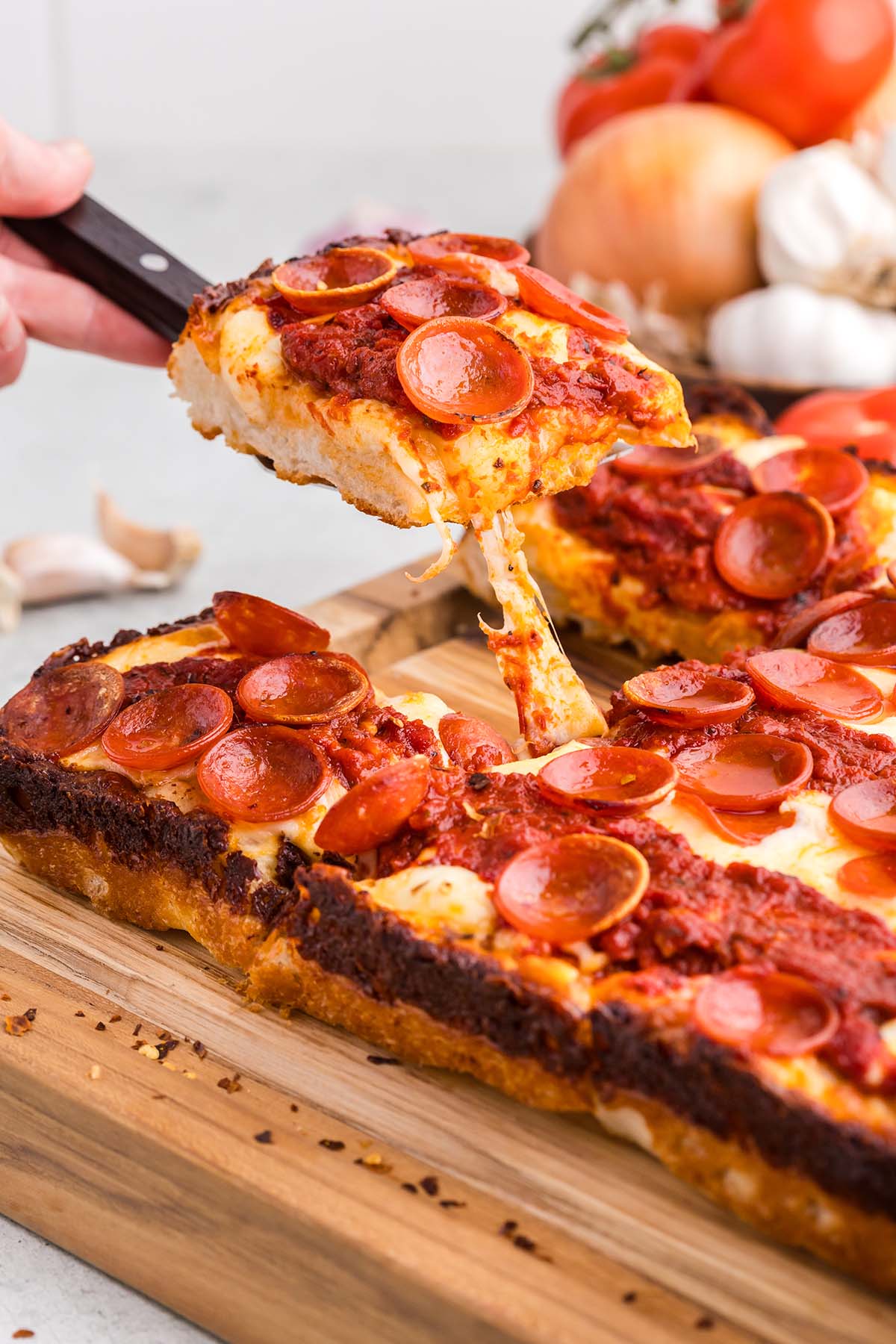
In the vibrant tapestry of American culinary traditions, certain dishes stand out not just for their taste, but for the rich history and unique character they embody. Among these, the Detroit style pizza has carved out a distinctive niche, captivating palates far beyond its Motor City origins. More than just a meal, it’s a gastronomic experience characterized by its signature square shape, thick, airy crust, generous blanket of cheese extending right to the edges, and a distinctive “racing stripe” of sauce atop it all. Unlike its Neapolitan or New York counterparts, Detroit style pizza doesn’t shy away from being substantial, offering a delightful combination of textures and flavors that makes it instantly recognizable and deeply satisfying.
Rooted in post-World War II Detroit, this pizza style emerged from the ingenuity of local entrepreneurs who inadvertently created a culinary legend. Its journey from a local favorite to a national phenomenon is a testament to its singular appeal, offering a comforting yet exciting departure from more traditional pizza forms. For travelers exploring Michigan or food enthusiasts seeking unique local culture, understanding what makes Detroit style pizza special is key to appreciating this iconic dish. It’s a taste of history, innovation, and pure, unadulterated comfort food, all baked into a perfectly golden, crispy-edged square.
The Birth of a Pizza Icon: A Taste of Detroit’s Heritage
The story of Detroit style pizza is intertwined with the city’s industrial past and the spirit of innovation that defined it. What began as a resourceful solution in a local bar ultimately blossomed into a pizza style celebrated across the nation, becoming a proud symbol of Detroit’s culinary landscape.
From Auto Plants to Pizza Pans: The Genesis Story
The year was 1946, and the place was Buddy’s Rendezvous, a bar on Detroit’s east side that would eventually evolve into the renowned Buddy’s Pizza. Seeking a unique offering for his patrons, owner Gus Guerra drew inspiration from his Sicilian mother-in-law’s recipe for sfincione, a thick-crusted, focaccia-like bread topped with cheese and other ingredients. However, a crucial element was missing: a suitable pan. The solution came from an unlikely source – the local auto factories. At the time, discarded blue steel utility pans, originally designed to hold small parts like nuts and bolts in automotive assembly lines, were plentiful. These robust, heavy-duty pans, seasoned over time, proved to be perfect for baking a substantial, crispy-bottomed pizza.
The heavy gauge of the blue steel pans provided exceptional heat distribution, ensuring the dough cooked evenly and developed a uniquely crispy, almost fried-like bottom crust, distinct from other pizza styles. This accidental innovation laid the groundwork for the signature characteristics of Detroit style pizza: its square shape, thick crust, and the legendary caramelized cheese edge. The blue steel pans became as integral to the pizza’s identity as the ingredients themselves, imbuing each slice with a piece of Detroit’s industrial heritage.
A Culinary Revolution: Early Adopters and Expansion
Word of Buddy’s Rendezvous’ unique pizza quickly spread throughout Detroit. Its hearty nature, combined with its distinct flavor profile, resonated with the hardworking communities of the city. As its popularity grew, other establishments began to adopt and adapt the style. Shield’s Pizzeria, another prominent Detroit institution, opened its doors in 1946 and also became an early purveyor of the square pizza, further solidifying its place in the city’s culinary landscape. These pioneers not only perfected the recipe but also ingrained the square pizza into the local culture, making it an indispensable part of dining out in Detroit.
For decades, Detroit style pizza remained largely a regional secret, cherished by locals and those who ventured into the Motor City. It was a testament to local pride and culinary identity, a dish that visitors sought out for an authentic taste of Michigan. However, as food trends evolved and culinary cross-pollination became more common, the unique appeal of this square pizza began to catch the attention of chefs and restaurateurs far beyond the Great Lakes region. This gradual expansion marked the beginning of its journey from a local gem to a nationally recognized and beloved pizza style, forever changing the perception of what pizza could be.
Anatomy of a Masterpiece: Unpacking Detroit Style Pizza’s Unique Traits
What truly sets Detroit style pizza apart from its round counterparts is a precise combination of distinct elements, each contributing to its iconic texture and flavor profile. From the foundational crust to the strategic placement of cheese and sauce, every component plays a crucial role in creating this culinary masterpiece.
The Crust: A Crispy, Chewy Revelation
At the heart of every Detroit style pizza is its remarkable crust. It’s a thick, airy, and chewy dough that often draws comparisons to Italian focaccia bread, yet possesses a character all its own. The magic begins with a high-hydration dough that undergoes a meticulous double-proofing process. This allows the yeast to work its wonders, creating a light, open crumb structure filled with air pockets. When baked in the heavy blue steel pans, this dough transforms. The crucial element here is the pan’s ability to conduct heat intensely, particularly to the base of the pizza. This results in a bottom crust that is incredibly crispy and almost fried, contrasting beautifully with the soft, airy interior.
But the crust’s appeal doesn’t stop there. One of the most defining characteristics, and arguably the most coveted, is the “frico” crust – the caramelized cheese edge. As the cheese melts and bubbles, it flows over the dough, coming into direct contact with the hot, oiled sides of the pan. Here, it sizzles and browns, forming a dark, crispy, deeply savory crust that runs along all four edges of the square. This frico crust is a textural marvel, offering a satisfying crunch and an intense burst of flavor that many consider the best part of the entire pizza. It’s this perfect interplay of soft, chewy interior, crispy bottom, and caramelized cheese edge that elevates the Detroit style crust into a class of its own.
The Cheese: A Golden Crown of Flavor

The choice and application of cheese are paramount to the authentic Detroit style pizza experience. While mozzarella is a common pizza cheese, the traditional Detroit recipe calls for Wisconsin Brick Cheese. This semi-hard, high-fat, low-moisture cheese is a game-changer. It boasts a unique tangy, almost pungent flavor profile, and its exceptional melting properties are precisely what create that legendary caramelized edge. When baked, Wisconsin Brick Cheese melts beautifully, spreading evenly and bubbling with golden perfection.
The cheese isn’t just sprinkled on; it’s generously applied, often extending all the way to the very edges of the pan, directly touching the oiled sides. This deliberate placement is what enables the formation of the frico crust, ensuring that every piece of pizza has that coveted crispy, cheesy perimeter. The generous layer of cheese also creates a protective barrier for the crust, helping to prevent it from becoming soggy under the weight of the sauce and toppings, while also contributing to the pizza’s rich, decadent mouthfeel. The depth of flavor and the textural contrast provided by the Wisconsin Brick Cheese are indispensable to the authentic Detroit style pizza profile.
The Sauce: Stripes of Sweet and Tangy
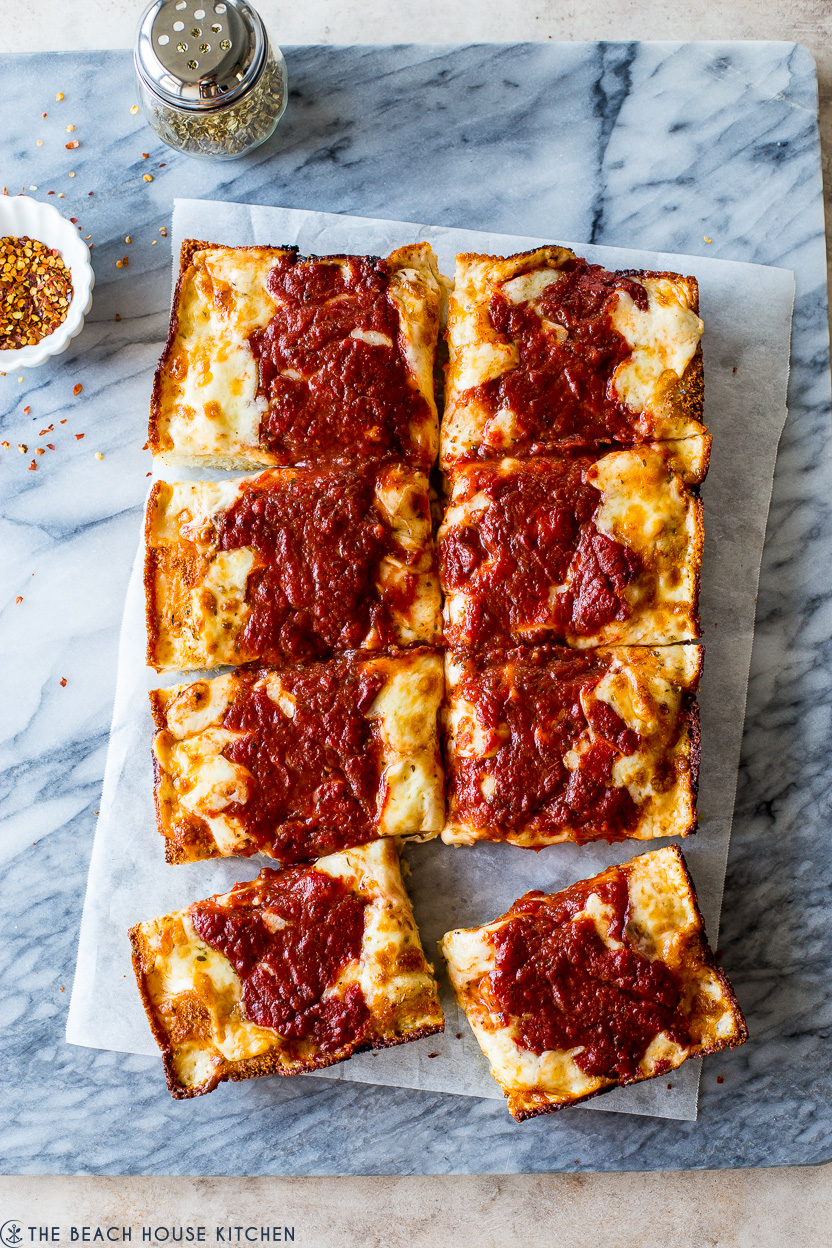
Perhaps the most visually striking feature of Detroit style pizza, apart from its square shape, is the application of the sauce. Unlike most pizzas where the sauce forms the base layer, on a Detroit style pizza, it’s typically added on top of the cheese and toppings, often in two or three distinctive “racing stripes.” This unconventional layering serves multiple purposes.
Firstly, by placing the sauce on top, it prevents the crust from becoming overly moist and soggy, allowing the distinctive crispy bottom to fully develop. Secondly, the sauce is often added later in the baking process, or in distinct stripes, which means it heats through without overcooking, preserving its fresh, vibrant flavor. The sauce itself is usually a robust, slightly sweet, and tangy marinara, often made with crushed San Marzano tomatoes or a similar high-quality variety. The acidity of the sauce cuts through the richness of the cheese and the oiliness of the crust, creating a harmonious balance of flavors. The “racing stripe” technique not only adds to the aesthetic appeal but also ensures a burst of saucy goodness with every bite, without overwhelming the other components.
Toppings and Technique: Beyond the Basics
While the crust, cheese, and sauce are the pillars of Detroit style pizza, the toppings and specific baking technique further enhance its appeal. Pepperoni is a classic choice, and for good reason. When baked, the small, thick-cut pepperoni slices famously cup up and crisp around the edges, creating tiny, savory bowls that collect pools of delicious pepperoni grease. This “cupping” effect is highly sought after and adds another layer of texture and flavor. Other popular toppings include mushrooms, onions, and various meats, always laid beneath the sauce stripes to allow the cheese to melt uniformly.
The baking process itself is crucial. The pizza is often baked at a slightly lower temperature for a longer period than some other pizza styles, allowing the thick dough to cook through completely and the cheese to develop its deep caramelization without burning. The heavy blue steel pans, ideally well-seasoned, play an active role, transferring heat efficiently and contributing to the unique crispy bottom. This meticulous attention to detail in ingredients, layering, and baking technique collectively results in a pizza that is unmistakably Detroit style – a truly unique and delicious experience that engages all the senses.
Experiencing Detroit Style Pizza: Where to Find and What to Expect
The journey of Detroit style pizza from a local secret to a global phenomenon reflects its undeniable appeal. For those planning their travel destinations or seeking authentic culinary experiences, knowing where to find this iconic dish and what to expect is part of the adventure.
The Authenticity of Detroit: Must-Visit Pizzerias
To truly appreciate Detroit style pizza, there’s no better place to start than its birthplace. Visiting Detroit offers not just a chance to savor the original, but also to immerse oneself in the rich history and vibrant local culture that shaped this dish. Buddy’s Pizza, the progenitor of the style, remains a quintessential pilgrimage. With multiple locations scattered across Detroit and throughout Michigan, Buddy’s Pizza continues to uphold the tradition established by Gus Guerra. Dining at Buddy’s Pizza is an experience in itself, offering a taste of history alongside a perfectly baked, crispy-edged square. Their original location on Six Mile Road (often referred to by its original name, Buddy’s Rendezvous) is particularly steeped in nostalgia.
Beyond Buddy’s Pizza, other legendary establishments like Shield’s Pizzeria also offer exceptional Detroit style pies, showcasing slight variations while adhering to the core principles. Many local independent pizzerias in the Detroit metropolitan area pride themselves on their unique take on the classic, ensuring a diverse range of options for enthusiasts. Exploring these local spots provides a glimpse into the heart of Detroit’s food scene, where each restaurant tells its own story through its pizza. For tourists and foodies, these pizzerias are not just places to eat, but landmarks of culinary heritage, offering an authentic experience of local food and community.
Beyond the Motor City: National and International Reach
While rooted in Detroit, the style’s distinctive characteristics have propelled it onto the national and even international stage. In recent years, Detroit style pizza has experienced a surge in popularity, captivating chefs and pizza lovers across the United States. Major culinary hubs such as New York City, Chicago, Los Angeles, and Seattle now boast acclaimed pizzerias dedicated to perfecting the square pie. These establishments often pay homage to the original recipe while sometimes introducing their own gourmet toppings or regional influences, making the style accessible to a broader audience.
The widespread appeal isn’t limited to independent, artisanal pizzerias. Even national chains have taken notice. Little Caesars, a company with deep roots in Detroit, offers its own version, often marketed as “Deep!Deep! Dish Pizza.” Similarly, Domino’s has introduced square-cut pizzas that bear a resemblance to the Detroit style, further testament to its mainstream acceptance. This expansion means that travelers no longer have to journey to Michigan to sample this unique dish, though experiencing it in its true home remains unparalleled. The availability of Detroit style pizza in diverse locations underscores its versatility and universal deliciousness, solidifying its status as a beloved American culinary icon. Its growing presence across various cities makes it an exciting option for anyone looking for distinctive food experiences as part of their travel itinerary.
In conclusion, Detroit style pizza is far more than just a square slice; it’s a testament to culinary ingenuity, a symbol of Detroit’s resilient spirit, and a truly unique gastronomic delight. Its thick, airy crust, generous blanket of tangy Wisconsin Brick Cheese that caramelizes into a crispy frico edge, and distinctive “racing stripes” of sauce on top create a symphony of textures and flavors. From its humble beginnings in a post-war bar using repurposed auto parts pans, it has blossomed into a national sensation, cherished by locals and food enthusiasts alike. Whether you’re planning a trip to the Motor City to experience the authentic taste at its source, or discovering a gourmet version in a bustling metropolis like New York City, Chicago, or Los Angeles, Detroit style pizza promises a satisfying and memorable meal. It embodies the essence of comfort food elevated to an art form, making it a must-try for anyone seeking a rich, flavorful, and historically significant pizza experience.
LifeOutOfTheBox is a participant in the Amazon Services LLC Associates Program, an affiliate advertising program designed to provide a means for sites to earn advertising fees by advertising and linking to Amazon.com. Amazon, the Amazon logo, AmazonSupply, and the AmazonSupply logo are trademarks of Amazon.com, Inc. or its affiliates. As an Amazon Associate we earn affiliate commissions from qualifying purchases.