
The world of travel accommodation is constantly evolving, offering a spectrum of choices that cater to every type of traveler, from luxury seekers to intrepid backpackers. Among these diverse options, a fascinating hybrid has emerged, blurring the lines between traditional lodging concepts: the hostel hotel. This innovative model often leaves travelers asking, “What exactly is a hostel hotel?” It’s a compelling question, particularly for those navigating the vast array of choices on platforms dedicated to Accommodation and Travel. Far from a mere marketing gimmick, the hostel hotel represents a significant shift in how we think about hospitality, blending the social, community-driven atmosphere of a hostel with the comfort, privacy, and upscale amenities often associated with a conventional Hotel.
This evolution is particularly relevant in today’s dynamic Tourism landscape, where travelers increasingly seek authentic experiences, cultural immersion, and opportunities for social connection without necessarily sacrificing quality or convenience. Whether you’re planning a trip to a vibrant metropolis like Berlin, exploring the historical depths of Rome, or embarking on an adventure through Southeast Asia, understanding the concept of a hostel hotel can unlock new possibilities for your journey. It promises a unique blend of Lifestyle elements, from Budget Travel to more discerning tastes, all wrapped up in a package designed for the modern explorer.
Understanding the Hybrid Accommodation Model
The concept of the hostel hotel didn’t simply appear overnight; it’s a product of years of adaptation within the hospitality sector, responding to changing traveler demands and market forces. To truly grasp what a hostel hotel is, it’s essential to first understand the distinct characteristics of its two parent models: the traditional hostel and the conventional hotel.
The Evolution of Hostels and Hotels
Historically, hostels were synonymous with bare-bones Budget Travel. Originating in Germany in the early 20th century with Richard Schirrmann’s youth hostel movement, their primary aim was to provide affordable, communal lodging for young travelers, students, and hikers. Hostels became known for dormitory-style rooms, shared bathrooms, communal kitchens, and a strong emphasis on social interaction. While often basic, they fostered a unique sense of camaraderie, making them popular among backpackers exploring destinations like Europe or South America. The focus was on affordability and experience over luxury or privacy.
On the other hand, hotels have traditionally represented comfort, privacy, and a higher level of service. From boutique Suites in Paris to sprawling Resorts in the Maldives, hotels cater to a diverse clientele, including Business Stays, Luxury Travel, and Family Trips. They offer private rooms, en-suite bathrooms, room service, concierge services, and a wide array of Amenities designed to ensure maximum comfort and convenience. The trade-off, of course, is typically a higher price point and often a more isolated experience compared to the communal vibe of a hostel.

As global travel became more accessible and diverse, a gap emerged between these two extremes. Travelers, particularly millennials and Gen Z, began seeking options that offered the social benefits and affordability of a hostel without entirely sacrificing the comfort and privacy of a hotel. This demand paved the way for the hostel hotel.
Defining the “Hostel Hotel” Concept
A hostel hotel, often interchangeably called a “poshtel” (a portmanteau of “posh hostel”) or a “boutique hostel,” is essentially a modern lodging establishment that combines the best attributes of both traditional hostels and hotels. It strategically bridges the gap, offering a more sophisticated and comfortable version of hostel living.
The core idea is to retain the vibrant, community-oriented atmosphere that makes hostels so appealing, while significantly upgrading the facilities, design, and service quality to hotel standards. This means you’ll often find these establishments in prime locations within major cities, close to popular Landmarks and attractions, boasting stylish interiors, high-quality furnishings, and a more diverse range of room types. Unlike traditional hostels which might be tucked away, hostel hotels often occupy prominent buildings, sometimes even historic ones, contributing to the local Architecture and urban landscape. They are a prime example of how the Accommodation industry adapts to meet contemporary expectations, offering excellent value for money without compromising on essential comforts.
Key Features and Amenities of Hostel Hotels
What truly sets a hostel hotel apart are its distinctive features and the range of amenities it offers, designed to appeal to a broader demographic than its traditional counterparts. These establishments are meticulously curated to provide a memorable and comfortable stay, balancing social engagement with personal space.
Diverse Accommodation Options
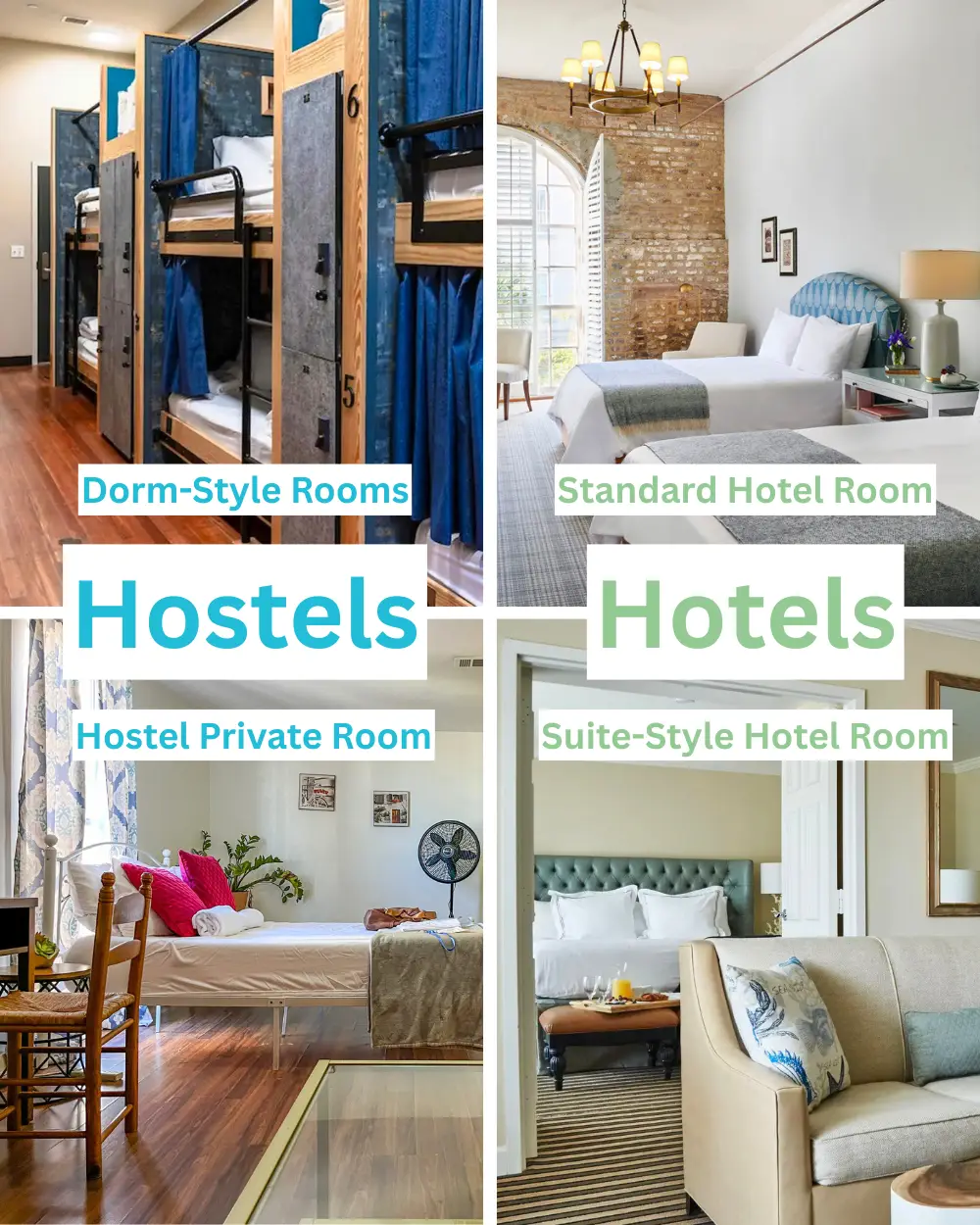
One of the most defining characteristics of a hostel hotel is its flexible and varied room inventory. While traditional hostels predominantly offer dormitory beds, and hotels focus on private rooms, hostel hotels masterfully integrate both:
- Upscale Dormitories: These aren’t your average bunk beds. Hostel hotels often feature “designer dorms” with thoughtful touches like individual reading lights, privacy curtains, lockers, power outlets, and sometimes even memory foam mattresses. They might range from smaller 4-bed dorms to larger, well-ventilated rooms, all designed for comfort and security. Some even offer female-only dorms, catering to specific traveler preferences.
- Private Rooms: Crucially, hostel hotels also provide private rooms that rival those in mid-range hotels. These can include single, double, twin, or even Family Rooms (often designed as Apartments or Villas in larger establishments), complete with en-suite bathrooms, fresh linens, towels, and sometimes even televisions or mini-fridges. This allows friends, couples, or families to enjoy the hostel’s social vibe while retaining their privacy.
- Unique Configurations: Some innovative hostel hotels offer pod-style beds, akin to capsule hotels in Japan, providing a semi-private experience within a shared space. Others might experiment with themed rooms or small studios, further diversifying their appeal.
Social Spaces and Community Vibe
At the heart of any hostel hotel is its commitment to fostering a vibrant social atmosphere. This is achieved through thoughtfully designed communal areas that encourage interaction and connection among guests:
- Stylish Common Areas: Forget dreary, utilitarian common rooms. Hostel hotels invest heavily in creating aesthetically pleasing and comfortable lounges, often with modern furniture, art installations, and inviting layouts. These spaces are perfect for relaxing, reading, or striking up conversations with fellow travelers.
- Boutique Bars and Cafes: Many hostel hotels boast on-site bars or cafes that serve as central hubs for guests and sometimes even locals. These aren’t just places to grab a drink; they’re social venues hosting events, live music, or happy hours, providing a relaxed environment for mingling. The food and beverage options are often curated to reflect Local Culture or popular trends.
- Shared Kitchens and Dining Areas: While more upscale than traditional hostels, many hostel hotels still offer communal kitchens, allowing guests to save money by preparing their own Food. These kitchens are usually well-equipped, clean, and provide another opportunity for interaction, perhaps over a shared meal.
- Workspaces and Libraries: Recognizing the rise of Digital Nomads and remote workers, many hostel hotels now incorporate dedicated co-working spaces, fast Wi-Fi, and quiet areas or libraries, making them ideal for those who need to balance work and travel.
Modern Amenities and Services
Beyond the room types and social spaces, hostel hotels distinguish themselves through a range of modern amenities and services that elevate the guest experience:
- High-Speed Wi-Fi: A non-negotiable in today’s digital age, reliable and fast Wi-Fi is standard throughout the property.
- 24/7 Reception and Security: Offering peace of mind, many hostel hotels provide round-the-clock reception, professional security, and secure key card access to rooms and dorms.
- Concierge-like Services: While not always full-blown concierges, staff are often knowledgeable about local Attractions, can help with tour bookings, offer Tips on navigating the city, and provide practical Guides to the area.
- Curated Activities and Experiences: From walking tours of London to cooking classes in Bangkok, many hostel hotels organize daily or weekly activities, encouraging guests to explore the destination together and deepen their Local Culture immersion. This could include yoga sessions, movie nights, pub crawls, or art workshops.
- Laundry Facilities: Essential for long-term travelers, on-site laundry facilities are a common and highly appreciated amenity.
- Themed Design: Many hostel hotels embrace unique design aesthetics, often reflecting the character of their Destinations. This attention to detail contributes to a boutique hotel feel.
Who Stays at Hostel Hotels? The Target Audience
The appeal of hostel hotels is broad, attracting a diverse demographic that might not typically choose either a traditional hostel or a conventional hotel. This hybrid model successfully caters to various travel styles and priorities, embodying a flexible approach to Lifestyle travel.
Budget Travelers and Backpackers
While offering more comfort and amenities, hostel hotels remain an attractive option for traditional Budget Travel enthusiasts and backpackers. They provide a step up from the most basic hostels without breaking the bank, especially for those who want a bit more comfort or security. A private room in a hostel hotel can often be more affordable than a comparable room in a standard hotel, while still offering access to all the social benefits. This makes them perfect for those exploring multiple Destinations on a tighter budget but still desiring a quality experience, perhaps while interrailing through Europe or journeying through Australia.
Digital Nomads and Remote Workers
With the global rise of remote work, Digital Nomads represent a significant portion of hostel hotel guests. These travelers require reliable Wi-Fi, comfortable workspaces, and a community to connect with while on the road. Hostel hotels, with their dedicated co-working areas, cafes, and built-in social networks, offer an ideal environment that fosters both productivity and social interaction. A digital nomad might spend their day working from a comfortable lounge in a hostel hotel in Lisbon and then join fellow guests for an evening cultural Activity.
Solo Travelers and Social Seekers
Hostel hotels are a sanctuary for Solo Travelers seeking to meet like-minded individuals. The emphasis on communal spaces and organized Experiences makes it incredibly easy to forge new friendships and find travel companions. Whether it’s joining a group for a walking tour, sharing a meal in the communal kitchen, or simply chatting at the bar, the environment is specifically designed to facilitate social connections, alleviating the common apprehension of loneliness for those traveling alone. This social aspect is a cornerstone of the appeal, much like the original ethos of youth hostels, but in a more polished setting.
Families and Groups
While less common than solo travelers, hostel hotels are increasingly accommodating small Families and Groups. The availability of private rooms, sometimes even with multiple beds or connecting options, combined with child-friendly amenities or activities, makes them a viable choice. Groups of friends traveling together can book multiple private rooms or even an entire dorm, enjoying both the shared experience and individual privacy. This flexibility allows diverse groups to experience the unique blend of community and comfort, making them a popular choice for school groups or sports teams traveling to events in cities like Barcelona or Amsterdam.
Advantages and Disadvantages of Choosing a Hostel Hotel
Like any Accommodation type, hostel hotels come with their own set of pros and cons. Understanding these can help travelers make an informed decision when Booking their next trip, aligning their expectations with what this unique lodging option offers.
The Upsides: Affordability, Atmosphere, and Flexibility
Choosing a hostel hotel often means reaping a multitude of benefits that enhance the overall travel Experience:
- Cost-Effectiveness: Perhaps the most obvious advantage is the excellent value for money. Hostel hotels offer significantly lower prices than traditional hotels, particularly for private rooms, while providing a comparable level of comfort and amenities. Dormitory beds, of course, remain the most budget-friendly option, but even these are often superior to basic hostel offerings. This allows travelers to allocate more of their budget to Attractions, Food, or extending their stay.
- Vibrant Social Atmosphere: This is where hostel hotels truly shine. They are designed to be social hubs, making it incredibly easy to meet people from all over the world. The common areas, bars, and organized activities foster a sense of community that can be missing from more traditional hotels. For Solo Travelers or those looking to expand their social circle while abroad, this aspect is invaluable.
- Modern Design and Comfort: Unlike the often utilitarian aesthetic of older hostels, hostel hotels typically boast stylish, contemporary designs. They invest in comfortable beds, quality linens, clean facilities, and attractive common spaces. This fusion of design and comfort provides a more enjoyable and relaxing environment for guests.
- Flexibility in Room Types: The ability to choose between private rooms and upscale dorms provides unparalleled flexibility. Travelers can select an option that perfectly matches their budget, privacy needs, and group size, whether it’s a romantic getaway or a fun trip with friends.
- Prime Locations: Many hostel hotels are strategically located in the heart of cities, often near major Landmarks, public transport, and popular dining and entertainment districts. This convenient access enhances the exploration of Destinations like New York City or Sydney, saving time and transportation costs.
- Unique Local Experiences: Many hostel hotels pride themselves on offering curated Activities that introduce guests to the Local Culture in authentic ways, from street art tours to local market visits, going beyond typical tourist traps.
Considerations: Privacy, Noise, and Service Levels
While the benefits are numerous, it’s important to be aware of potential drawbacks, particularly when Comparison shopping against traditional hotels:
- Less Privacy in Dorms: Even with privacy curtains and individual lights, dormitory rooms inherently offer less privacy than a private hotel room. For those who require absolute solitude, or simply prefer to keep to themselves, this can be a significant drawback.
- Potential for Noise: The vibrant social atmosphere, while a major draw, can also translate into noise. Common areas and bars might be lively late into the night, and even in dorms, the sounds of fellow guests moving around can be disruptive. Earplugs are often a recommended packing item.
- Varying Service Levels: While hostel hotels aim for hotel-level service, it’s generally not on par with a luxury Resort or a high-end Hotel. You typically won’t find bellhops, extensive room service menus, or dedicated concierge teams for every request. The service is often more casual and focused on providing information and facilitating connections.
- Less Space in Dorms: Even upscale dorms are typically more compact than private hotel rooms. While private rooms in hostel hotels can be spacious, if you choose a dorm, you’ll have limited personal space beyond your bunk and a locker.
- Shared Bathrooms (in some dorms): While many hostel hotels offer en-suite private rooms and even en-suite dorms, some dormitories still rely on shared bathroom facilities, which, while usually clean, might not appeal to everyone.
How to Choose the Right Hostel Hotel for Your Trip
Selecting the perfect hostel hotel involves more than just finding the cheapest bed. It’s about aligning your travel style, priorities, and budget with the right establishment. A thorough approach ensures a rewarding Accommodation experience.
Location, Location, Location
The choice of location is paramount. Consider what you want to experience in your Destination. Do you want to be in the bustling city center, close to all the major Attractions and nightlife, such as near the Eiffel Tower in Paris or the Colosseum in Rome? Or do you prefer a quieter neighborhood that offers a more authentic glimpse into Local Culture? Research the hostel hotel’s proximity to public transport, Landmarks, restaurants, and areas of interest. A well-located hostel hotel can save you significant time and money on transportation, enhancing your overall travel efficiency.
Reviews, Ratings, and Reputation
In the age of online Reviews and social media, reputation is everything. Before Booking, diligently check platforms like Hostelworld, Booking.com, TripAdvisor, and Google Maps. Pay attention to overall ratings, but also dive into specific comments regarding cleanliness, staff friendliness, security, noise levels, and the quality of Wi-Fi. Look for recurring themes in both positive and negative feedback. A hostel hotel with a consistent track record of positive guest Experiences is generally a safe bet. Consider what aspects are most important to you – if cleanliness is top priority, ensure reviews reflect that.
Specific Amenities and Activities
Review the list of Amenities and Activities offered by the hostel hotel. Do you need a communal kitchen to save money on Food? Is free breakfast important? Are you a Digital Nomad who needs a dedicated co-working space and reliable, fast internet? Do you want a hostel that organizes daily tours, pub crawls, or cultural workshops to help you connect with other travelers and the Local Culture? If you’re traveling with friends, a hostel with a lively bar might be ideal. For quieter individuals, one focusing on comfort and relaxation could be better. Tailoring your choice to your specific needs and interests will greatly enhance your stay, moving beyond just finding a place for Long-term Stay or short vacation.
The Future of Hybrid Accommodation in the Travel Industry
The hostel hotel is more than just a passing trend; it represents a significant and enduring shift in the Accommodation sector, signaling the future direction of Travel and Lifestyle preferences. As traveler demographics continue to evolve, so too will their expectations for lodging.
One major factor driving the growth of hostel hotels is the persistent demand for value. Travelers, especially younger generations and those committed to Budget Travel, are increasingly savvy about their spending but are unwilling to compromise on quality or the richness of their Experiences. Hostel hotels meet this demand by offering premium amenities and social opportunities at a more accessible price point than traditional Hotels. This segment is poised for continued expansion in popular Destinations worldwide, from bustling Asian hubs like Seoul to charming European cities such as Prague.
Furthermore, the emphasis on community and connection aligns perfectly with the desires of many modern travelers. In an increasingly digital world, the opportunity for genuine human interaction during travel is highly prized. Hostel hotels, with their thoughtfully designed social spaces and curated Activities, serve as natural incubators for these connections, fostering a sense of global camaraderie that goes beyond mere shared lodging. The rise of Digital Nomads and remote workers also guarantees a steady market for these establishments, as they perfectly blend work-friendly environments with social opportunities.

We can expect to see further innovation in the hostel hotel space. This might include even more personalized Amenities, advanced technological integrations for Booking and check-in, and an even stronger focus on sustainability and eco-friendly practices, reflecting a broader consumer trend. The design will likely become even more sophisticated, with unique Architecture and interior design becoming key differentiators, turning the hostel hotel into a Landmark in itself. The lines between hostel, boutique hotel, and even co-living spaces may blur further, creating an even more integrated and versatile range of options for the global traveler.
In essence, the hostel hotel is not just a place to sleep; it’s a lifestyle choice, a social hub, and a smart economic decision all rolled into one. It caters to a generation of travelers who seek meaning, connection, and comfort without extravagance, ensuring its prominent place in the future of the hospitality industry.
In conclusion, a hostel hotel offers a compelling proposition for the contemporary traveler: the social and budget-friendly appeal of a hostel combined with the comfort and design elements of a boutique hotel. It’s an ideal choice for Solo Travelers, Digital Nomads, and even Families and Groups who prioritize connection, value, and a stylish environment. By carefully considering location, Reviews, and specific Amenities, you can find the perfect hostel hotel to elevate your next adventure, whether it’s a short city break or a Long-term Stay exploring the globe.
LifeOutOfTheBox is a participant in the Amazon Services LLC Associates Program, an affiliate advertising program designed to provide a means for sites to earn advertising fees by advertising and linking to Amazon.com. Amazon, the Amazon logo, AmazonSupply, and the AmazonSupply logo are trademarks of Amazon.com, Inc. or its affiliates. As an Amazon Associate we earn affiliate commissions from qualifying purchases.