
The hotel industry, at its core, is a vital segment of the broader hospitality sector, dedicated to providing temporary lodging, accommodation, and related services to travelers and guests. It’s an intricate global network comprising various establishments, from opulent five-star resorts to budget-friendly motels, each designed to cater to diverse needs and preferences. Far more than just offering a place to sleep, the industry encompasses a vast array of services, amenities, and experiences that are deeply intertwined with travel, tourism, and lifestyle, playing a pivotal role in economies worldwide.
Defining the Hotel Industry: A Global Perspective
The hotel industry is characterized by its remarkable diversity and its global reach. It’s an ecosystem where different types of properties coexist, serving everyone from business travelers to families on vacation, backpackers exploring new cultures, and luxury seekers indulging in unique experiences. Its definition extends beyond traditional hotels to include a wide spectrum of lodging options, reflecting evolving consumer demands and technological advancements.
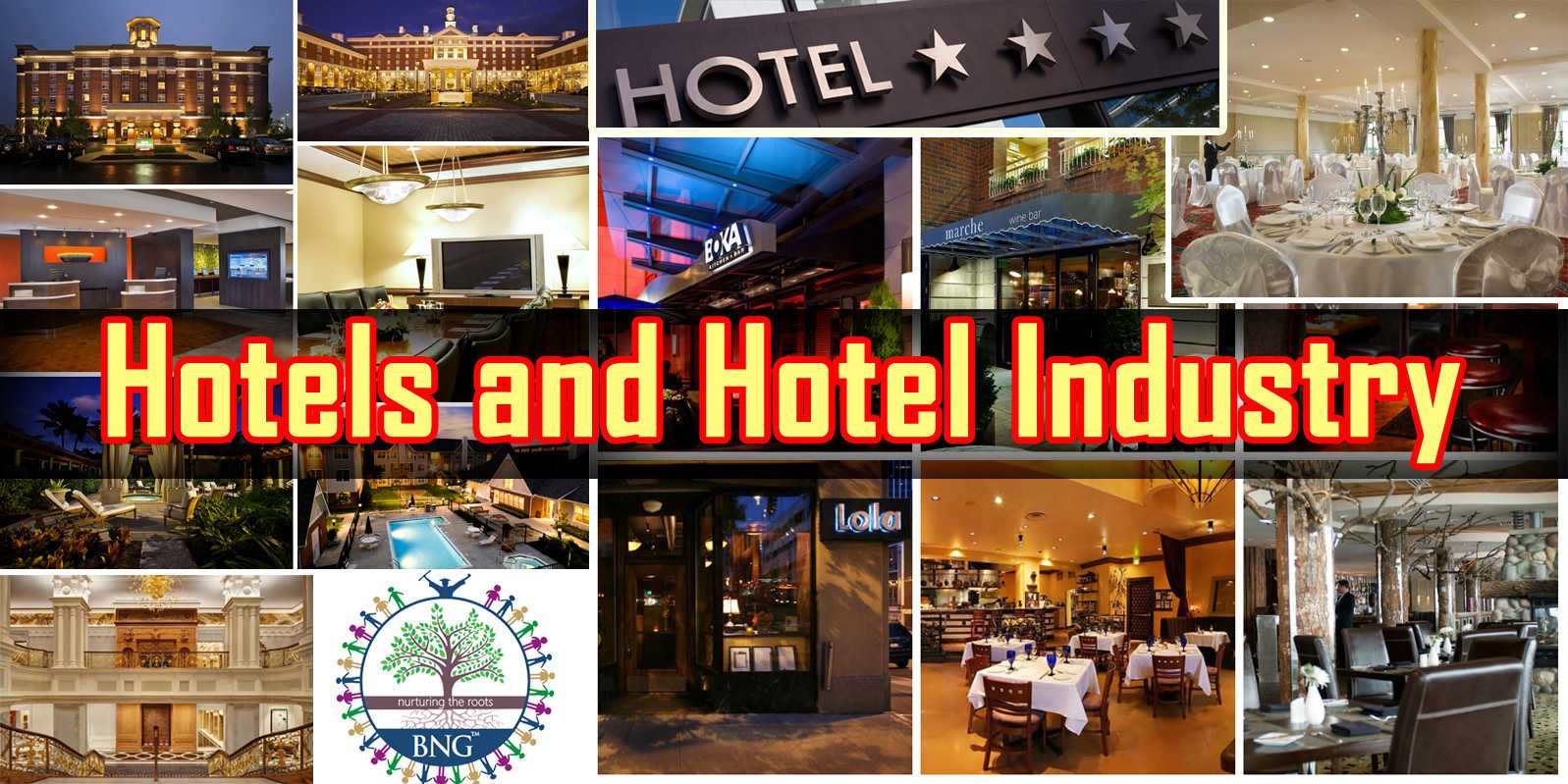
More Than Just Rooms: Diverse Accommodation Types
While classic hotels remain a cornerstone, the industry has expanded to embrace a myriad of accommodation types. This evolution is driven by specific traveler segments and the desire for unique experiences.
- Hotels and Resorts: These are the most common forms of lodging, ranging from full-service luxury establishments like The Ritz-Carlton or Four Seasons Hotels and Resorts, offering extensive amenities such as spas, fine dining, and convention centers, to mid-range options like Holiday Inn that provide comfort and essential services. Resorts, often found in popular destinations like the Maldives or Cancun, are designed for leisure and relaxation, featuring elaborate recreational facilities.
- Motels: Typically located along major roadways, motels cater primarily to travelers on road trips, offering convenient parking and direct room access. Brands like Motel 6 exemplify this segment, focusing on practicality and affordability.
- Boutique Hotels: These establishments prioritize unique design, personalized service, and a distinct atmosphere, often reflecting local culture or a specific theme. They offer an intimate and memorable experience that stands apart from larger chains.
- Hostels: Geared towards budget-conscious travelers, particularly backpackers and young adventurers, hostels offer dormitory-style rooms and communal facilities, fostering a social environment. Organizations like Hostelling International have established extensive networks worldwide.
- Serviced Apartments and Villas: Ideal for longer stays, families, or groups, these offer the comforts of a home with hotel-like services. They often include kitchen facilities and separate living areas, providing a sense of privacy and independence.
- Bed & Breakfasts (B&Bs): Smaller, often family-run establishments that provide overnight lodging and breakfast, typically in a residential setting, offering a cozy and personalized touch.
- Alternative Accommodations: The rise of platforms like Airbnb has revolutionized the industry, allowing individuals to rent out spare rooms, entire homes, or unique properties, from treehouses to beachfront villas. This segment blurs the lines between traditional hospitality and peer-to-peer sharing.
- Eco-Lodges and Glamping Sites: Responding to a growing demand for sustainable travel, these properties integrate environmental responsibility with unique outdoor experiences, often in natural settings near landmarks or national parks.
This broad spectrum of choices means that the industry caters to almost every demographic and price point, constantly adapting to consumer trends and preferences.
The Interconnectedness with Tourism and Travel
The hotel industry is inextricably linked to the global tourism and travel sectors. One cannot thrive without the other. Hotels are the backbone of any tourist destination, providing the essential infrastructure for visitors.
- Facilitating Tourism: Hotels are often the primary drivers of local tourism, attracting visitors to cities like Paris, known for the Eiffel Tower, or natural wonders like the Grand Canyon. They provide a base from which travelers can explore attractions, engage in local culture, and partake in various activities.
- Supporting Business Travel: For corporate travelers, hotels offer crucial facilities like conference rooms, business centers, and connectivity, making major economic hubs such as New York City or Tokyo accessible for commerce and conventions.
- Enhancing the Guest Experience: Beyond just lodging, hotels contribute significantly to the overall guest experience. High-quality service, innovative dining options, and recreational facilities transform a simple stay into a memorable part of a journey.
- Collaboration with Related Industries: The hotel sector collaborates extensively with airlines, tour operators, transportation services, and local businesses, forming a cohesive ecosystem that supports the entire travel experience. This includes integrated booking systems, package deals, and destination marketing efforts.
Key Components and Operations of the Hotel Industry
Operating a hotel, whether an independent property or part of a vast chain, involves a complex interplay of various departments, technologies, and human resources. The industry is highly service-oriented, with a relentless focus on customer satisfaction and operational efficiency.
Core Services and Amenities
Modern hotels are much more than just rooms with beds. They offer a comprehensive suite of services and amenities designed to meet a wide range of guest needs, from basic comforts to luxurious indulgences.
- Guest Rooms and Suites: The primary offering, ranging from standard rooms to elaborate suites, equipped with various comforts like high-speed internet, entertainment systems, and comfortable furnishings.
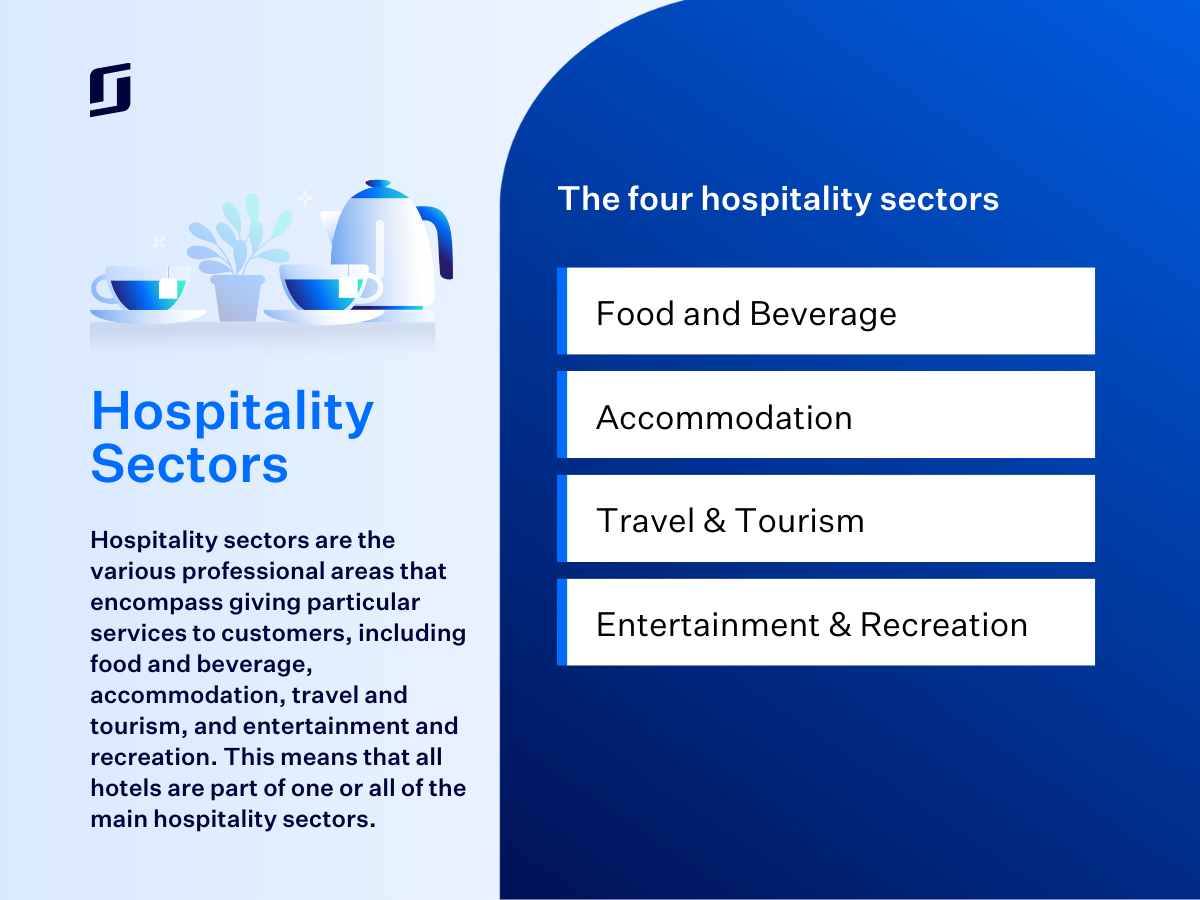
- Food and Beverage (F&B): A critical component, encompassing restaurants, bars, cafes, room service, and catering for events. The quality and variety of food and beverage options can significantly enhance a hotel’s appeal, from a Michelin-starred restaurant in London to a casual beachfront grill in the Caribbean.
- Meeting and Event Facilities: Many hotels, especially those catering to business and convention segments, provide extensive ballrooms, conference rooms, and meeting spaces equipped with audio-visual technology.
- Recreational Facilities: Pools, spas, fitness centers, golf courses, and kids’ clubs are common in leisure-oriented properties and resorts, contributing to a holistic lifestyle experience.
- Guest Services: This includes front desk operations (check-in/out, concierge services, luggage handling), housekeeping, security, and transportation services. A knowledgeable concierge can provide invaluable guides and tips for exploring local attractions.
- Technology Integration: Modern hotels offer seamless Wi-Fi, smart room controls, digital check-in, and personalized mobile apps to enhance convenience and connectivity.
The Business of Hospitality: Management and Workforce
The hotel industry is labor-intensive, relying heavily on a skilled and dedicated workforce to deliver exceptional service. Effective management is crucial for operational success and profitability.
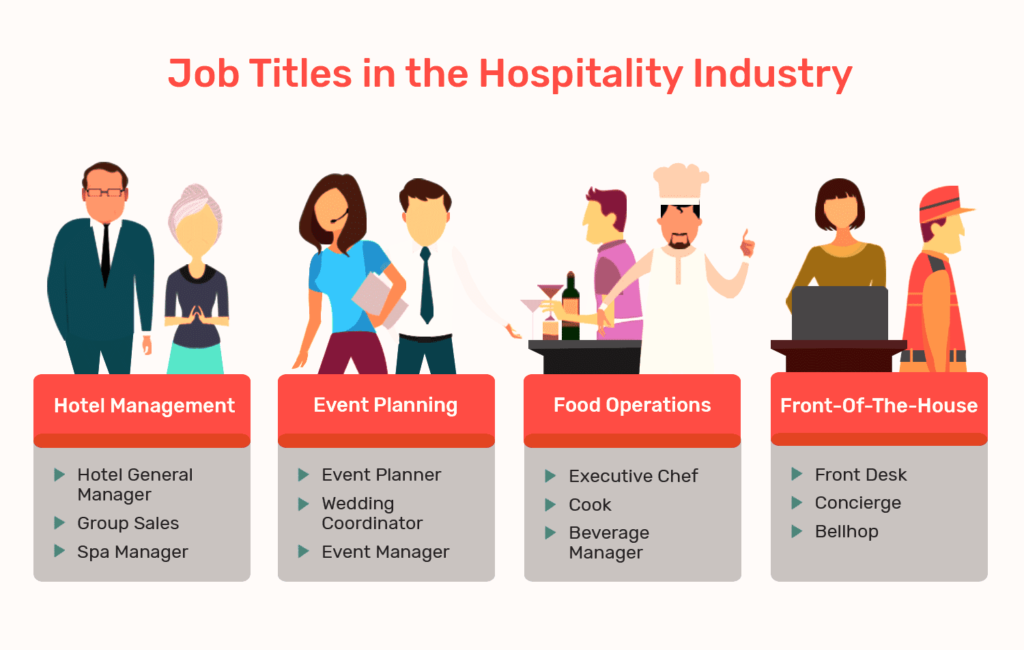
- Organizational Structure: Hotels typically have a hierarchical structure, including general managers, department heads (e.g., F&B, rooms, sales, finance), and frontline staff. Large chains like Marriott International or Hilton Worldwide have complex corporate structures supporting their global portfolios.
- Human Resources: Recruiting, training, and retaining staff are paramount. Hospitality professionals require strong interpersonal skills, a customer-centric mindset, and often multilingual capabilities, especially in international destinations.
- Marketing and Sales: Hotels engage in extensive marketing to attract guests, utilizing online travel agencies (OTAs) like Booking.com and Expedia Group, social media, loyalty programs, and direct booking channels. Sales teams target corporate clients, event planners, and group bookings.
- Revenue Management: A sophisticated practice that optimizes pricing and availability to maximize revenue, based on factors like demand, seasonality, competitor pricing, and booking patterns. This is particularly crucial in highly competitive markets like Las Vegas or Dubai.
- Financial Management: Involves budgeting, cost control, financial reporting, and investment in property maintenance and upgrades.
Technology and Innovation in Hotels
Technology is continually reshaping the hotel industry, driving efficiency, enhancing the guest experience, and creating new opportunities. From booking systems to in-room controls, digital solutions are integral to modern hotel operations.
- Online Booking and Distribution: The internet has transformed how guests discover and book accommodation. Websites like TripAdvisor, along with OTAs and hotel brand sites, provide travelers with vast options, reviews, and comparison tools.
- Property Management Systems (PMS): Software solutions that manage reservations, check-ins/outs, billing, housekeeping, and other operational tasks, streamlining front and back-office functions.
- Guest-Facing Technology: Mobile check-in, keyless entry via smartphones, in-room tablets for controlling lighting/temperature/ordering services, and personalized digital concierge apps are becoming standard, particularly in high-end properties and smart resorts.
- Data Analytics and Artificial Intelligence (AI): Hotels leverage big data to understand guest preferences, personalize offers, optimize pricing, and predict demand. AI-powered chatbots handle routine inquiries, freeing staff for more complex interactions.
- Sustainability Technology: Energy management systems, smart thermostats, water-saving fixtures, and waste reduction technologies contribute to environmental efforts and operational cost savings.
The Economic and Cultural Impact
The hotel industry’s significance extends far beyond providing lodging; it is a powerful economic engine and a crucial contributor to cultural exchange and preservation worldwide.
Driving Local and Global Economies
The economic impact of the hotel industry is substantial, contributing billions to global GDP and creating millions of jobs.
- Job Creation: Hotels are major employers, offering diverse career paths from entry-level positions to executive roles across various departments. This includes direct employment within hotels and indirect jobs in supporting industries like construction, manufacturing, and food supply.
- Revenue Generation: Beyond room sales, hotels generate revenue through F&B, event hosting, and ancillary services. This revenue contributes to local and national tax bases, funding public services and infrastructure development.
- Stimulating Local Businesses: Hotels drive demand for local services and products, including taxis, tour operators, souvenir shops, and local restaurants. A thriving hotel sector can revitalize entire neighborhoods and regions. For instance, the expansion of hotels around Orlando’s Disney World has spurred massive economic growth in the area.
- Foreign Exchange Earnings: For many countries, particularly those heavily reliant on tourism in regions like the Mediterranean or parts of Asia, international hotel guests bring in valuable foreign currency, helping to balance trade and strengthen national economies.
- Infrastructure Development: The growth of the hotel industry often necessitates improvements in local infrastructure, such as roads, airports, and public utilities, benefiting residents and visitors alike.
Preserving Culture and Enhancing Lifestyle
The hotel industry plays a subtle yet significant role in cultural exchange and enhancing various lifestyles through travel.
- Cultural Immersion: Many hotels actively promote local culture through architecture, interior design, culinary offerings, and curated experiences such as traditional cooking classes or local art displays. This allows guests to engage more deeply with their destinations, whether it’s learning about ancient history in Rome or participating in a tea ceremony in Kyoto.
- Supporting Artisans and Heritage: Hotels often source local produce, crafts, and artworks, providing economic opportunities for local artisans and helping to preserve traditional skills and heritage.
- Diverse Travel Lifestyles: The industry caters to a spectrum of lifestyles, from luxury travel with bespoke services to budget travel for explorers, and specialized offerings for family trips or business stays. This inclusivity allows a broader range of people to experience different cultures and places.
- Global Understanding: By facilitating travel and interactions between people from different backgrounds, the hotel industry indirectly fosters greater cross-cultural understanding and appreciation.
Challenges and Future Trends
Like any dynamic industry, the hotel sector faces ongoing challenges and is continuously evolving, driven by technological advancements, changing consumer expectations, and global events.
Sustainability and Responsible Tourism
Environmental concerns and social responsibility are increasingly shaping the industry’s future. Guests are more aware of their environmental footprint and seek out responsible operators.
- Eco-Friendly Operations: Hotels are adopting sustainable practices, including reducing water and energy consumption, implementing recycling programs, sourcing local and organic produce, and minimizing waste. Certifications and green building standards are becoming more prevalent.
- Community Engagement: Responsible hotels engage with local communities, ensuring fair labor practices, supporting local economies, and respecting cultural sensitivities. This aligns with the World Tourism Organization (UNWTO)’s push for more ethical tourism.
- Addressing Climate Change: The industry is exploring ways to reduce carbon emissions, invest in renewable energy, and build resilient infrastructure to withstand climate-related challenges.
- Ethical Supply Chains: Ensuring that all products and services procured are ethically sourced, from linens to cleaning supplies, is a growing priority.
Personalization and Evolving Guest Expectations
Today’s travelers expect more than just a room; they seek personalized experiences, seamless technology, and authentic connections.
- Hyper-Personalization: Leveraging data and AI, hotels aim to offer tailored experiences, from pre-stocking favorite snacks to recommending personalized activities or local food based on past preferences.
- Seamless Digital Journey: Guests expect a frictionless experience from booking to check-out, with mobile apps providing self-service options, digital keys, and instant communication with staff.
- Experiential Travel: There’s a growing demand for immersive and authentic experiences over generic stays. Hotels are curating unique local activities, cultural workshops, and adventure guides to meet this trend.
- Health and Wellness: A focus on well-being has intensified, leading to expanded offerings such as wellness programs, healthier food options, in-room fitness equipment, and partnerships with local wellness providers.
Embracing Digital Transformation
The pace of technological change continues to accelerate, forcing the industry to constantly innovate and adapt.
- Artificial Intelligence (AI) and Machine Learning (ML): Beyond chatbots, AI is used for predictive analytics to forecast demand, optimize staffing, and even power personalized marketing campaigns. ML algorithms can analyze guest reviews to identify areas for improvement.
- Internet of Things (IoT): Smart rooms equipped with IoT devices allow guests to control lighting, temperature, and entertainment via voice commands or a single interface, enhancing comfort and convenience.
- Virtual and Augmented Reality (VR/AR): VR is used for virtual tours of properties, allowing potential guests to “experience” a hotel or destination before booking. AR can enhance the on-site experience, offering interactive maps or information about local landmarks or attractions.
- Blockchain Technology: While still nascent, blockchain could revolutionize aspects like secure payments, loyalty programs, and transparent supply chains, enhancing trust and efficiency.
- Cybersecurity: With increasing reliance on digital systems and guest data, robust cybersecurity measures are paramount to protect sensitive information and maintain guest trust.
In conclusion, the hotel industry is a vibrant, multifaceted sector that serves as a cornerstone of global travel and tourism. It continuously adapts to global trends, technological advancements, and evolving consumer desires, from the sprawling resorts of Dubai to the intimate B&Bs of Florence. Its economic significance, cultural impact, and relentless pursuit of enhancing the guest experience ensure its enduring relevance and continued growth in a rapidly changing world.