
Hawaii, a paradise of vibrant culture, stunning landscapes, and unparalleled hospitality, beckons millions of visitors each year. From the volcanic peaks of the Big Island to the bustling shores of Waikiki on Oahu, it’s a destination that captures the heart and imagination. For many who fall in love with its allure, the dream of a permanent or long-term stake in this idyllic archipelago often emerges. This is where the concept of “leasehold property” in Hawaii becomes a crucial consideration, particularly for those delving into long-term accommodation, investment, or even a lifestyle change.
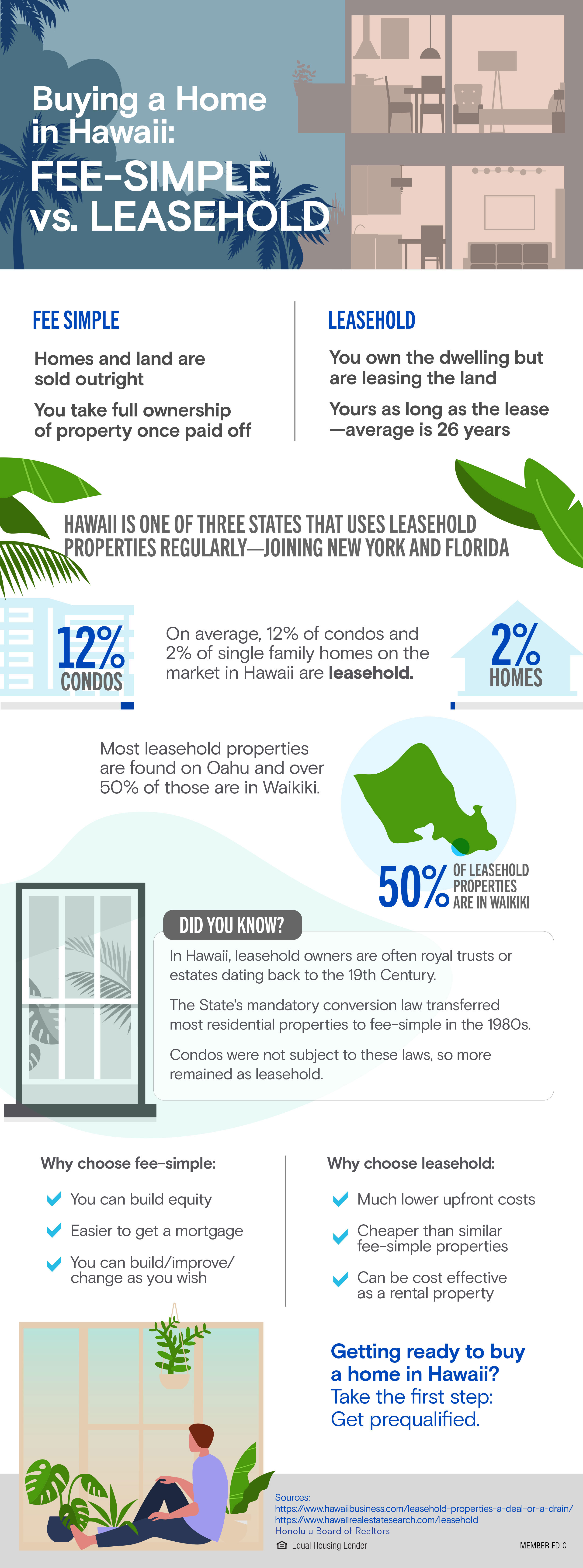
Unlike much of the continental United States where outright ownership, known as “fee simple,” is the norm, Hawaii presents a unique real estate landscape. Leasehold ownership, while less common elsewhere, holds a significant place here, stemming from a rich historical legacy that shapes property rights to this day. Understanding what a leasehold property entails is not just a legal technicality; it’s key to navigating the unique opportunities and challenges that come with owning a piece of paradise, whether you’re considering a permanent residence, a vacation home, or a strategic investment in the vibrant Hawaiian tourism market.
This article aims to demystify leasehold properties in Hawaii, providing a comprehensive guide for potential buyers, long-term renters, and anyone interested in the intricacies of Hawaiian real estate. We’ll explore the fundamental differences between leasehold and fee simple, delve into the historical context that gave rise to this system, examine the distinct advantages and disadvantages, and discuss how it impacts property use, investment strategies, and the overall Hawaiian lifestyle. For those dreaming of a life out of the box in the Aloha State, grasping the nuances of leasehold is the first step towards turning that dream into a well-informed reality.
Understanding Leasehold vs. Fee Simple in Hawaii
To truly appreciate the concept of a leasehold property, it’s essential to first understand the contrasting and more familiar concept of fee simple ownership, and then grasp how leasehold diverges significantly. This foundational knowledge is paramount for anyone considering a property purchase or long-term stay in Hawaii, as it directly impacts rights, responsibilities, and long-term financial implications.
The Core Difference: Ownership vs. Right to Use
At its heart, the distinction between fee simple and leasehold revolves around who owns the land beneath the property.
-
Fee Simple Ownership: This is the most complete form of property ownership. When you purchase a fee simple property, you own both the building (or the improvements on the land) and the land itself, outright and indefinitely. There are no time limits on your ownership, and you have the right to sell, mortgage, or transfer the property as you see fit, subject only to local zoning laws, homeowner association rules, and property taxes. For many looking for hotels or permanent residences, fee simple offers maximum control and security.
-
Leasehold Ownership: In contrast, a leasehold property means you own the building or improvements (like a condominium unit, a house, or commercial structure), but you do not own the land upon which it sits. Instead, you effectively lease the land from the landowner for a specific period, typically a long term, such as 30, 50, 75, or even 99 years. During this lease term, you pay “lease rent” to the landowner, in addition to maintenance fees, property taxes, and any mortgage payments on the improvements. When the lease term expires, the land (and often the improvements on it) reverts to the landowner, unless the lease is extended, renegotiated, or the landowner decides to sell the fee interest. This system defines a unique facet of Hawaii’s accommodation and investment opportunities.
This fundamental difference means that a leasehold owner’s rights are time-limited and subject to the terms and conditions of a lease agreement. This directly impacts everything from property value and appreciation potential to financing options and future planning, making it a critical aspect of Hawaiian real estate.
Historical Roots of Leasehold in Hawaii
The prevalence of leasehold properties in Hawaii is not a random occurrence but a direct result of the islands’ unique historical trajectory, particularly concerning land ownership.
-
Ancient Hawaiian Land System: In ancient Hawaii, land was never “owned” by individuals in the Western sense. Instead, it was held in trust by the reigning monarch, who allocated usage rights to chiefs, who in turn allocated rights to commoners. This system, known as the ahupua’a, ensured that land served the collective good.
-
The Great Mahele (1848): This pivotal event, initiated by King Kamehameha III, fundamentally transformed Hawaii’s land system, introducing Western concepts of private property. It divided all lands into three categories: crown lands (for the monarch), government lands, and kama’aina (commoner) lands. However, much of the crown and government lands eventually ended up in the hands of a few large, private estates, missionary families, and corporations. These large landowners were hesitant to sell their valuable land holdings outright, opting instead to lease them out.
-
Preservation of Large Estates: Families and institutions like Kamehameha Schools (formerly Bishop Estate), the Queen Emma Estate, and others inherited vast tracts of land. Their strategy to maintain generational wealth and control over these ancestral lands was to lease them rather than sell them. This meant that while people could build homes or businesses, the underlying land remained with the original landowners. This legacy continues to influence the real estate market, especially in prime locations across Oahu and Honolulu.
This historical context explains why leasehold properties are so common, particularly in desirable areas like Waikiki, where much of the land is still owned by these long-standing estates. Understanding this legacy is crucial for comprehending the current structure and future potential of leasehold real estate in the islands.
The Appeal and Challenges of Leasehold Properties for Travelers and Investors
For those drawn to the allure of Hawaii, whether as a temporary escape or a permanent relocation, leasehold properties present a unique set of considerations. Their appeal often lies in their accessibility, while their challenges stem from the inherent limitations of non-fee simple ownership. Navigating these aspects is vital for making informed decisions regarding travel, accommodation, and investment in the Aloha State.
The Allure of Affordability and Prime Locations
One of the primary drivers behind the appeal of leasehold properties is their relative affordability compared to fee simple counterparts in similar locations.
-
Lower Initial Investment: Generally, leasehold properties have a lower purchase price than fee simple properties, often significantly so. This can make owning a piece of Hawaii more attainable for a broader range of buyers, including those looking for a vacation home, a retirement spot, or an entry into the local market. For investors, this lower entry point can translate to potentially higher rental yields, especially in popular tourism hubs.
-
Access to Desirable Areas: Many leasehold properties are situated in highly sought-after, prime locations that might otherwise be prohibitively expensive or simply unavailable as fee simple. Think of beachfront condos in Waikiki, upscale apartments in downtown Honolulu, or properties near famous landmarks and attractions. These are areas where the original large landholders retained ownership, making leasehold the only option for direct property interest. This opens up opportunities for exquisite lifestyle choices that might otherwise be out of reach.
-
Potential for Lifestyle: For those seeking a specific Hawaiian lifestyle, leasehold can be a gateway. Imagine waking up to ocean views or being steps away from renowned surf breaks and vibrant local culture. Leasehold properties often offer these experiences at a price point that makes them a tangible reality, rather than an unattainable dream.
Navigating Lease Rent and Leasehold Terms
While affordability is a major draw, leasehold ownership introduces complexities that require careful attention, particularly concerning lease rent and the terms of the lease agreement.
-
Lease Rent: In addition to your mortgage, property taxes, and maintenance fees, leasehold owners must pay monthly or annual lease rent to the landowner. This rent is a significant ongoing expense and is subject to periodic renegotiation. Typically, leases specify intervals (e.g., every 10 or 20 years) when the lease rent can be adjusted, often based on current land values. These adjustments can sometimes lead to substantial increases, impacting the overall cost of ownership and the property’s profitability.
-
Lease Term and Expiration: The duration of the lease is crucial. As the lease term shortens, the property typically becomes less valuable and harder to finance. Lenders are often reluctant to provide mortgages for properties with short remaining lease terms (e.g., less than 30 years), as their collateral disappears upon lease expiration. Understanding the original lease term and, more importantly, the remaining term, is vital.
-
“Blended” and “Purchase Fee Available” Leases: Some leasehold properties come with an option to purchase the fee interest from the landowner, converting the property to fee simple. This is often referred to as a “CPR” (Condominium Property Regime) conversion or simply “fee available.” While this resolves the leasehold issue, the cost to purchase the fee can be substantial and must be factored into the overall investment. In other cases, some properties are sold as “blended” where the fee interest has already been acquired by an association, but the monthly costs reflect the previous lease rent.
Understanding Lease Expiration and Renegotiation
The concept of lease expiration is perhaps the most significant challenge and source of uncertainty for leasehold owners.
-
Reversion of Property: When a lease expires, the land and usually all improvements on it (your building) revert to the landowner without compensation to the leasehold owner. This means the leasehold owner loses their entire investment in the property. This stark reality necessitates meticulous planning and understanding of the lease’s end date.
-
Lease Renegotiation: In some cases, landowners may offer to extend or renegotiate a new lease prior to expiration. However, the terms of a new lease, particularly the lease rent, can be very different and often significantly higher than the original terms, reflecting current land values. There is no guarantee of renewal, and the landowner is under no obligation to offer one.
-
Fee Conversion Opportunities: The optimal scenario for many leasehold owners is the opportunity to purchase the fee interest, thereby converting their property to fee simple. This eliminates the lease rent, the risk of expiration, and typically increases the property’s value and marketability. However, the landowner dictates the price of the fee interest, which can be millions for an entire condominium complex, or tens of thousands to hundreds of thousands for individual units. The process involves significant negotiation and financial outlay.
These complexities make professional guidance from a real estate attorney and agent specializing in Hawaiian leasehold properties indispensable. For a traveler considering a long-term stay or an investor eyeing a vacation rental, understanding these factors is crucial for prudent decision-making.
Leasehold Properties in the Context of Hawaiian Accommodation and Lifestyle
Beyond the legal and financial aspects, leasehold properties profoundly influence the choices available for accommodation and the very lifestyle experienced in Hawaii. For visitors looking beyond standard hotels and for residents making Hawaii their home, leasehold opens doors while also shaping daily realities.
Long-Term Stays and Vacation Rentals
The tourism industry in Hawaii is robust, and many visitors seek alternatives to traditional resorts for longer visits. Leasehold properties play a significant role here.
-
Availability of Rental Stock: A substantial portion of Hawaii’s residential and condominium inventory is leasehold. This means that many long-term rentals, short-term vacation rentals (where permitted), and corporate housing options will often be leasehold units. For visitors planning extended stays, understanding the leasehold nature of a property doesn’t directly affect their tenant rights, but it does influence the overall market dynamics and the types of buildings available.
-
Investor Opportunities: For investors looking to capitalize on the Hawaiian rental market, leasehold properties can offer attractive returns due to their lower initial purchase price. A leasehold apartment in Waikiki or a villa on Maui could generate significant rental income from tourists or long-term residents. However, investors must meticulously calculate the lease rent, potential rent increases, and the dwindling lease term into their financial projections to ensure profitability and mitigate risk. Short lease terms can deter potential renters if the lease is nearing expiration.
-
“Fractional Ownership” and Timeshares: While distinct from traditional leasehold, some fractional ownership or timeshare products in Hawaii might be structured on leasehold land. Understanding the underlying land ownership is crucial even in these arrangements to comprehend the long-term value and use rights.
Impact on Lifestyle and Property Use
For those who choose to live in a leasehold property, whether as an owner or a long-term renter, the nature of this ownership can subtly (and sometimes overtly) influence their daily lifestyle.
-
Community and HOA Rules: Like fee simple condominiums, leasehold condos are subject to homeowner association (HOA) rules and regulations. These cover everything from maintenance standards to pet policies. However, the lease agreement itself may impose additional restrictions or covenants set by the landowner. For instance, some leases may restrict certain types of renovations or specify usage (e.g., no short-term rentals).
-
Financial Planning and Stability: Living in a leasehold property requires a specific approach to financial planning. The unpredictability of future lease rent increases and the finite nature of the ownership term demand a clear exit strategy or a plan for fee conversion. This might mean setting aside funds for a potential fee purchase or for relocation as the lease term dwindles. For some, this introduces a level of uncertainty that might not align with their desired long-term stability.
-
Sense of Ownership: While legally owning the structure, the psychological aspect of not owning the land can be a factor for some. This can manifest in decisions about improvements, landscaping, or the long-term emotional connection to the property. However, for many, the trade-off for prime location and affordability outweighs these considerations, allowing them to enjoy the Hawaiian lifestyle they desire.
-
Embracing the Unique Hawaiian Context: Ultimately, living in a leasehold property in Hawaii is part of embracing the islands’ unique history and land ownership patterns. It encourages a deeper understanding of the local context and often fosters a community of residents who are well-versed in the specifics of their properties and the market.
Is a Leasehold Property in Hawaii Right for You?
The decision to purchase or commit to a long-term stay in a leasehold property in Hawaii is not one to be taken lightly. It involves weighing the undeniable advantages of affordability and access to prime locations against the unique challenges and long-term financial implications. For every traveler envisioning a prolonged escape or investor eyeing a promising asset, a careful evaluation is paramount.
Considerations for Buyers and Long-Term Renters
Before diving into the Hawaiian real estate market, consider these key questions specific to leasehold properties:
-
Your Time Horizon: How long do you intend to own or reside in the property? If you’re looking for a short-to-medium term investment (e.g., 5-15 years) and the remaining lease term is comfortably within that window, a leasehold property might be suitable. However, for those seeking a multi-generational asset or very long-term stability, a property with a short remaining lease term without a clear path to fee conversion carries significant risk.
-
Financial Capacity: Can you afford not only the purchase price and regular expenses (mortgage, taxes, maintenance) but also potential lease rent increases and, crucially, the cost of purchasing the fee interest if it becomes available? A solid financial plan that accounts for these variables is essential.
-
Risk Tolerance: Are you comfortable with the inherent uncertainties of leasehold ownership, such as unpredictable lease rent renegotiations or the ultimate reversion of the property if the lease expires? Your comfort level with these risks should guide your decision.
-
Market Dynamics: Research the specific building and its lease terms thoroughly. Some buildings have a strong history of fee conversion, while others face less certain futures. Understanding the reputation of the landowner and the historical context of their leases can provide valuable insight.
-
Purpose of the Property: Is this a primary residence, a vacation home, or an investment property for rental income? The purpose can influence your risk assessment and the type of leasehold property you might consider. For a pure investment, the potential for rental income versus the cost of ownership (including lease rent and potential fee purchase) becomes the dominant factor.
Seeking Expert Advice
Given the complexities of leasehold properties in Hawaii, expert guidance is not just recommended, it’s essential.
-
Specialized Real Estate Agent: Work with a real estate agent who specializes in Hawaii and has extensive experience with leasehold transactions. They can provide invaluable insights into specific buildings, landowners, market trends, and available fee conversion opportunities. They understand the nuances of the local market, from Honolulu’s high-rises to beachfront properties on Kauai.
-
Real Estate Attorney: Engage a Hawaiian real estate attorney to review the lease agreement in detail. They can explain the legal implications of all clauses, particularly those related to lease rent adjustments, lease expiration, and the rights and responsibilities of both the leaseholder and the landowner. This due diligence is critical to avoid future surprises.
-
Financial Advisor: Consult a financial advisor to help you assess the long-term financial viability of a leasehold purchase within your overall financial plan. They can help model various scenarios, including lease rent increases and fee purchase costs, to ensure the investment aligns with your financial goals.
In conclusion, leasehold properties in Hawaii are a distinctive feature of the islands’ real estate landscape, offering a compelling blend of affordability and access to some of the world’s most coveted locations. For those dreaming of a life immersed in the unique beauty and culture of Hawaii, understanding leasehold ownership is a critical step. With careful research, professional guidance, and a clear understanding of your own goals and risk tolerance, a leasehold property could indeed be your pathway to experiencing the extraordinary lifestyle that only Hawaii can offer.
LifeOutOfTheBox is a participant in the Amazon Services LLC Associates Program, an affiliate advertising program designed to provide a means for sites to earn advertising fees by advertising and linking to Amazon.com. Amazon, the Amazon logo, AmazonSupply, and the AmazonSupply logo are trademarks of Amazon.com, Inc. or its affiliates. As an Amazon Associate we earn affiliate commissions from qualifying purchases.