
In the diverse world of hospitality and accommodation, where options range from opulent resorts to cozy boutique hotels and practical business stays, one particular type of establishment stands out for its unique purpose and often flamboyant presentation: the love hotel. Often shrouded in a veil of curiosity and misconception, love hotels are a fascinating segment of the global hospitality industry, primarily catering to couples seeking privacy, discretion, and sometimes, a touch of fantasy. Unlike conventional hotels or apartments designed for overnight or extended stays, love hotels, particularly prominent in countries like Japan, South Korea, and parts of Latin America, are built around the concept of short-term rentals, often just for a few hours.
They offer a distinct experience that combines elements of a regular hotel with specialized services and themed rooms, providing a discreet haven away from the daily grind. For travelers interested in local culture, unique accommodation experiences, or those simply looking for a novel place to stay, understanding what a love hotel entails can be an intriguing part of exploring a destination’s social fabric. This guide delves into the essence of love hotels, exploring their history, distinctive features, the cultural contexts in which they thrive, and how they differ from typical lodgings, offering a comprehensive look for curious tourists and travel enthusiasts alike.
The Origins and Evolution of Love Hotels
The concept of love hotels, while seemingly modern, has roots stretching back decades, evolving significantly from their humble beginnings to the elaborate establishments seen today. Their emergence is deeply intertwined with social norms, housing conditions, and cultural privacy needs, particularly in dense urban environments where privacy at home might be scarce.
Historical Context and Cultural Significance
The term “love hotel” itself, derived from the Japanese “rabu hoteru” (ラブホテル), points to Japan as the birthplace and primary innovator of this unique accommodation type. Post-World War II Japan saw rapid urbanization and economic growth, leading to cramped living spaces where multi-generational families often shared small homes. This lack of privacy made intimate moments challenging for couples, creating a demand for discreet, short-term rental spaces.
The earliest iterations of love hotels, appearing in the 1960s, were often simple establishments offering a bed and basic amenities. However, their popularity quickly soared, prompting owners to innovate and differentiate. This led to a boom in creativity, where hotels began to offer increasingly elaborate themes, advanced amenities, and heightened levels of discretion. Over time, love hotels became an accepted, if often unspoken, part of the urban landscape in Japan, serving not only as places for romantic encounters but also as havens for couples seeking a break from crowded homes, a unique date spot, or even a quiet place for business meetings.
Beyond Japan, similar concepts emerged in other parts of Asia and Latin America, often under different names like “motels de paso” or “hour hotels.” In South Korea, for instance, “motels” often function similarly to Japanese love hotels, offering short-term rates and themed rooms, though they might also cater to regular overnight stays. The cultural significance varies; in some societies, they are purely functional, while in others, they represent a broader aspect of leisure and escapism.

Distinctive Features and Services
What truly sets love hotels apart from conventional accommodation options are their unique operational model, emphasis on privacy, and often extravagant room designs and amenities. These features are meticulously crafted to enhance the guest experience, making each stay memorable and discreet.
Privacy and Discretion: The Core Offering
One of the defining characteristics of a love hotel is the paramount importance placed on privacy and discretion. From the moment guests arrive, the entire process is designed to be as anonymous as possible. Unlike standard hotel check-ins where guests might interact face-to-face with staff, many love hotels feature automated check-in systems. These can range from touch screens displaying available rooms and prices to a rotating carousel of room keys. Payment often happens through a chute or a sealed box, minimizing direct interaction.
Parking facilities are frequently designed to shield cars from public view, often with individual garages or covered spaces directly accessible from the room. The layouts themselves are crafted to prevent guests from encountering each other in hallways or lobbies, contributing to a sense of complete isolation once inside. This focus on discretion makes love hotels particularly appealing for couples who value anonymity and wish to avoid judgment or unwanted attention. It’s a crucial aspect that underpins their business model and contributes significantly to their appeal among locals and curious travelers alike.
Themed Rooms and Luxurious Amenities
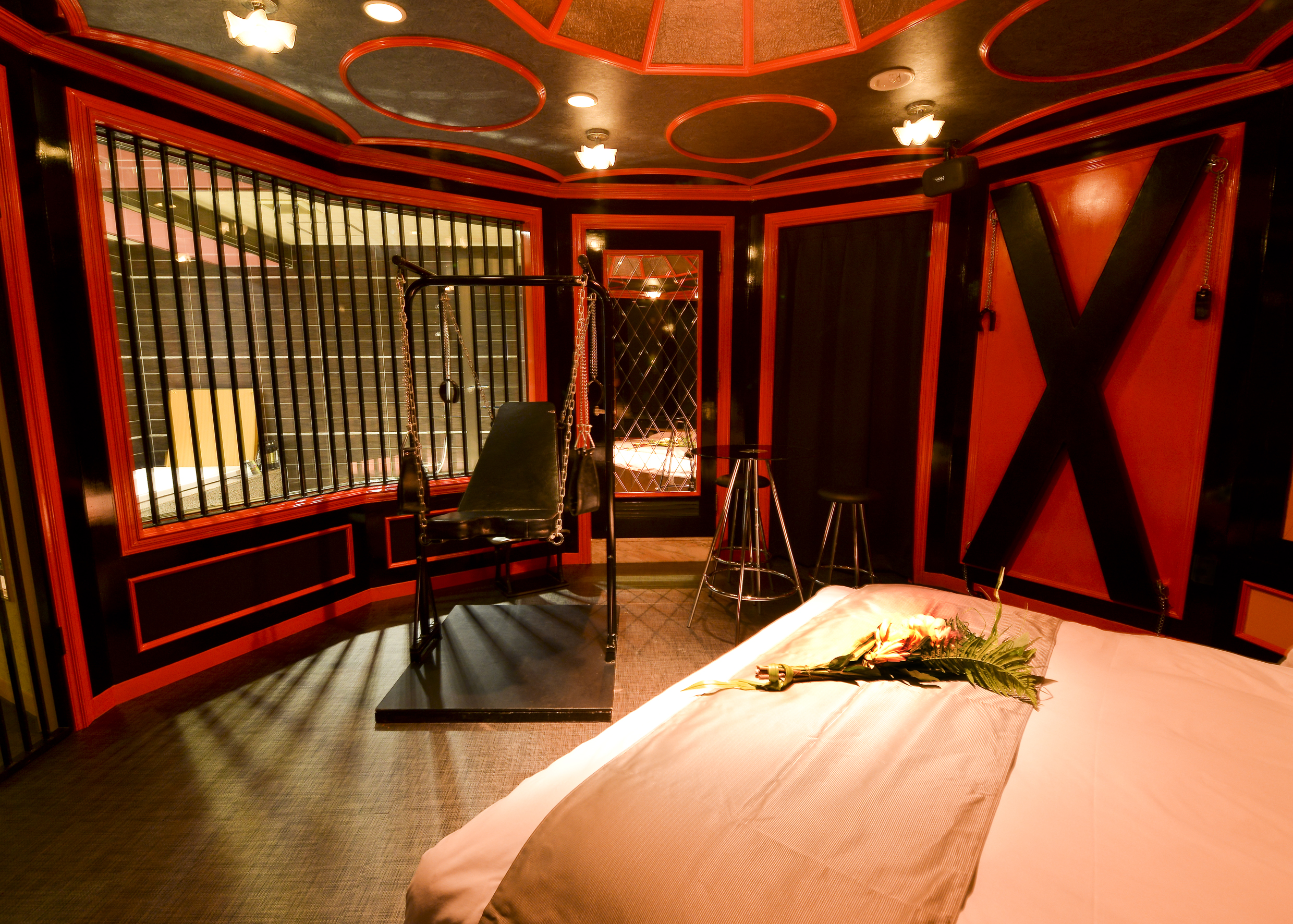
Where love hotels truly shine is in their creativity regarding room design and amenities. Far from being mere functional spaces, love hotel rooms are often meticulously crafted fantasy environments. The range of themes is astonishing, from lavish Parisian suites complete with Eiffel Tower replicas and mood lighting, to jungle adventures with artificial waterfalls, futuristic spaceship interiors, or even whimsical cartoon settings. Some rooms might feature historical periods, cultural motifs, or exotic destinations, offering a mini-escape to a different world.
Beyond aesthetics, love hotel rooms are typically equipped with an impressive array of amenities designed for comfort, entertainment, and indulgence. Standard features often include:
- King-sized beds and luxurious bedding: Comfort is key, with many hotels boasting high-quality mattresses and lavish linens.
- Large flat-screen TVs: Often equipped with an extensive selection of movies, including adult films, and sometimes karaoke systems.
- Jacuzzis or elaborate bathrooms: Many rooms feature spacious bathrooms with whirlpool tubs, saunas, and rainfall showers, turning bathing into a spa-like experience.
- Vending machines: Stocked with snacks, drinks, and sometimes even novelty items or adult toys.
- Costumes and props: To further enhance the themed experience, some rooms provide a selection of cosplay outfits or other fun props.
- Advanced lighting and sound systems: Allowing guests to set the perfect ambiance with various color schemes and music options.
- Karaoke machines: A popular feature in Asia, offering entertainment for couples.
- Room service and gourmet menus: Some high-end love hotels offer extensive food and drink menus, delivering directly to the room through discreet hatches.
These elaborate features contribute to the overall “experience” of a love hotel stay, positioning them as much more than just a place to sleep. They cater to a desire for novelty, escapism, and a touch of luxury, distinguishing them significantly from standard chain hotels like a Hilton or Marriott.
Love Hotels vs. Traditional Accommodation
Understanding the fundamental differences between love hotels and traditional hotels, motels, or guesthouses is crucial for travelers considering their accommodation options. While both provide a place to stay, their primary purposes, operational models, and target demographics diverge significantly.
Pricing Models and Stay Durations
Perhaps the most distinct difference lies in the pricing structure and typical duration of stay. Traditional hotels operate predominantly on an overnight or multi-night basis, with a standard check-in time in the afternoon and check-out in the morning. Their pricing reflects a 24-hour cycle of occupancy.
Love hotels, conversely, are primarily designed for short-term stays, often referred to as “rest” (休憩 – kyūkei) or “service” (サービス – sābisu) options. Guests can rent rooms for just a few hours—typically 1 to 3 hours, though this can vary—at a significantly lower hourly rate compared to an overnight stay. This flexibility allows couples to use the facilities for a quick rendezvous without committing to a full night’s rental. Alongside hourly rates, most love hotels also offer “stay” (宿泊 – shukuhaku) options for overnight guests, which usually start in the evening and require check-out by mid-morning. Even for overnight stays, the pricing can be more flexible than standard hotels, sometimes varying based on the time of check-in.
This dual-pricing model highlights their core function: maximizing room turnover and catering to both spontaneous, short visits and planned, longer stays that still prioritize the unique love hotel experience over conventional lodging.

Target Audience and Perceived Use
The target audience for love hotels is predominantly couples seeking privacy and a romantic setting. This includes married couples looking to escape domestic life, young couples dating, or anyone desiring a discreet place for intimacy. In some contexts, particularly in Japan, love hotels are also used by business travelers for a quick nap or to catch up on work in a quiet environment, though this is less common.
Traditional hotels, on the other hand, cater to a much broader demographic, including:
- Families on vacation: Seeking family-friendly amenities, connecting rooms, and recreational facilities.
- Business travelers: Requiring meeting rooms, business centers, and convenient locations near corporate hubs.
- Solo tourists: Looking for safe, comfortable, and affordable places to sleep while exploring new destinations.
- Groups and conventions: Needing large capacities and event spaces.
The perceived use also differs. While traditional hotels emphasize hospitality, comfort, and a range of services for all types of travelers, love hotels focus almost exclusively on providing a private, often themed, and amenity-rich environment specifically for couples. The atmosphere in a love hotel is usually more intimate and less communal than a standard hotel, which often features lobbies, restaurants, and common areas designed for guest interaction and public visibility. This distinction in purpose and audience fundamentally shapes every aspect of their design and operation.
Navigating a Love Hotel: Tips for Travelers
For adventurous travelers or those simply curious about experiencing this unique aspect of local culture, a visit to a love hotel can be an intriguing part of their tourism journey. While the experience is generally straightforward, a few tips can enhance the visit, especially for those unfamiliar with the setup.
How to Find and Book a Love Hotel
Finding a love hotel is often easier than one might expect, particularly in Japan’s major cities like Tokyo or Osaka. They tend to cluster in specific districts, often near entertainment areas, train stations, or bustling nightlife spots. Look for distinctive, often elaborate, and sometimes kitschy architecture. Neon signs, quirky statues, and themed exteriors are common visual cues. Some regions even have “love hotel hills” – entire areas dedicated to these establishments, such as Dogenzaka in Shibuya, Tokyo.
Online resources and apps have made it much easier to locate love hotels, compare prices, and even view photos of rooms beforehand. Websites like Happy Hotel Net in Japan list thousands of establishments, offering details on themes, amenities, and real-time availability. Booking in advance is not always necessary, especially for short “rest” stays, as many operate on a walk-in basis. However, for popular themed rooms or on peak nights (weekends, holidays), booking an “overnight stay” might be advisable.
Experiencing a Love Hotel Responsibly
When visiting a love hotel, especially as a tourist, it’s important to approach the experience with respect and an understanding of local customs.
- Understand the Rates: Carefully check the pricing board upon arrival. There will usually be separate rates for “rest” (休憩) and “stay” (宿泊), along with time limits for each. Prices typically vary by room type and day of the week, with weekends and holidays being more expensive.
- Discretion is Key: Embrace the culture of discretion. While staff are professional and used to foreign guests, avoiding loud behavior in public areas (if any) and following the automated check-in/check-out procedures quietly is appreciated.
- Explore the Amenities: Don’t be shy about utilizing the unique amenities. The elaborate bathrooms, extensive movie selections, and even the vending machines are part of the experience. Many love hotels even offer complimentary toiletries, hair straighteners, and sometimes even a selection of bath bombs or lotions.
- Check-out Times: Be mindful of the strict check-out times, especially for “rest” stays. Overstaying even by a few minutes can incur significant additional charges. Digital clocks inside the room often display the remaining time.
- Solo Travelers: While primarily for couples, some love hotels might allow solo guests, especially for overnight stays, though it’s not their primary market. Policies vary, so it’s best to check beforehand.
- Safety and Cleanliness: Most reputable love hotels adhere to high standards of cleanliness and safety, especially in countries like Japan. However, it’s always wise to exercise general travel precautions.
Engaging with a love hotel offers a unique window into the social nuances and creative hospitality of a destination. It’s an adventure that goes beyond traditional sightseeing, delving into a specialized facet of travel and lifestyle that can be both amusing and enlightening. Whether for a romantic escapade or simply out of curiosity, a love hotel promises an experience unlike any other typical hotel stay, reinforcing its place as a distinctive landmark in the global hospitality landscape.