
Japan is a land of fascinating contrasts, where ancient traditions blend seamlessly with futuristic innovation. Among its many unique cultural phenomena is the “love hotel,” a distinctive type of accommodation that often sparks curiosity, confusion, and sometimes, a touch of scandal among international visitors. Far from being merely a place for romantic trysts, Japanese love hotels represent a multifaceted aspect of the country’s social fabric, offering everything from whimsical themed rooms to surprisingly practical short-term stays. Understanding these establishments provides a deeper insight into Japan’s approach to privacy, design, and even tourism.
For many, the concept of a love hotel remains shrouded in mystery, often misunderstood or stereotyped. However, as Japan opens its doors wider to global travelers, these establishments are increasingly being viewed not just as private escapes, but as an intriguing part of the Japanese lifestyle and even a quirky accommodation option. This article delves into the world of Japanese love hotels, exploring their origins, unique features, practical uses, and evolving role in modern society.

Understanding the Phenomenon: What Exactly is a Love Hotel?
At its core, a love hotel is a type of short-stay hotel that provides private rooms for couples to spend intimate time together. While their primary function is to offer discretion and comfort for romantic encounters, their usage extends far beyond this narrow definition. They are characterized by their anonymous check-in procedures, themed rooms, and hourly or overnight rates, distinguishing them significantly from conventional hotels or ryokans (traditional Japanese inns).
The design and branding of love hotels are often overt, featuring flashy, sometimes flamboyant exteriors and intriguing names like “Hotel Farao” or “Chapel Crayon.” These distinctive architectural styles serve as clear identifiers, allowing patrons to quickly spot and recognize them, particularly in bustling entertainment districts. Areas like Kabukicho in Tokyo or Dotonbori in Osaka are famed for their concentration of these establishments, glowing with neon signs after dark.
A Brief History of Love Hotels in Japan
The origins of love hotels can be traced back to the post-World War II era in Japan. As urbanization accelerated and living spaces became increasingly cramped, particularly for multi-generational families, couples often lacked the privacy needed for intimacy. Traditional Japanese homes were not designed with private bedrooms as a standard, and thin walls offered little discretion. This societal need for private, temporary spaces gave rise to establishments known as “enshuku” (dating hotels) or “tsurekomi yado” (bring-along inns).
Initially, these inns were simple, no-frills establishments. However, as Japan’s economy boomed in the latter half of the 20th century, competition spurred innovation. Owners began to invest in more extravagant designs, luxurious amenities, and unique themes to attract clientele. The term “love hotel” itself emerged in the 1960s and 70s, solidifying their identity as dedicated spaces for romantic escapades. Over the decades, they evolved from functional necessities into elaborate leisure facilities, reflecting Japanese ingenuity and a cultural penchant for specialized services.
More Than Just Romance: The Diverse Clientele
While the romantic aspect is undeniable, love hotels cater to a broader demographic and serve various purposes beyond clandestine meetings. For many young couples living with their families, they offer an accessible and affordable way to spend private time together. Business travelers or those on a budget might also use them as a comfortable alternative to standard hotels, especially for short layovers or unexpected overnight stays. The flexibility of hourly rates makes them an appealing option for a quick rest or even a refreshing shower between activities.
Furthermore, some individuals or groups use love hotels for purposes entirely unrelated to romance. With their elaborate themes, large TVs, karaoke machines, and often spacious suites, they can be rented by friends for themed parties, cosplay photoshoots, or even just as a unique place to relax and enjoy the amenities. The discreet nature of the check-in process and the assumption of privacy contribute to this versatility, making them a unique facet of Japanese accommodation options.
Beyond the Bed: Unique Features and Themes
What truly sets love hotels apart from other types of hotels is their extraordinary creativity in design and their extensive range of amenities. Each establishment strives to offer a distinctive experience, transforming a simple room into an immersive fantasy world.
Extravagant Themes and Immersive Environments
The variety of themes found in Japanese love hotels is astounding, limited only by imagination. You might find rooms designed to resemble:
- Fantasy Worlds: Medieval castles, jungle safaris, outer space, pirate ships, or even an underwater grotto.
- Iconic Locations: Parisian balconies with Eiffel Tower views, New York City lofts, or traditional Japanese tea houses.
- Playful Scenarios: School classrooms, hospital rooms, subway cars, or even jail cells (all in good fun, of course).
- Luxury Settings: Opulent palaces with chandeliers and velvet, or sleek, minimalist modern designs.
These themes are not just superficial; they often involve elaborate decorations, custom-built furniture, special lighting, and even sound effects to create a truly immersive atmosphere. The idea is to transport guests away from their everyday lives, offering a temporary escape into a world of fantasy and playful adventure. This dedication to detailed design is a testament to the Japanese commitment to enhancing the user experience, even in what might seem like a niche industry.
Amenities That Go Above and Beyond
Beyond the captivating themes, love hotels are renowned for their lavish amenities, often surpassing those found in standard three or four-star hotels. Common features include:
- Luxurious Bathrooms: Many rooms boast oversized Jacuzzis or “rotenburo” (outdoor-style baths), rain showers, and a generous selection of high-quality toiletries, including bath salts, facial masks, and hair styling products.
- Entertainment Systems: Large flat-screen televisions with an extensive array of channels, including adult content, video-on-demand services, and often karaoke machines, are standard. Some even have game consoles.
- Comfort and Convenience: Plush beds, mood lighting controlled by a bedside panel, mini-fridges stocked with beverages and snacks, and vending machines for a variety of items (from cosmetics to costumes) are typical.
- Privacy Features: Soundproofing is a given, and some rooms even feature private saunas or massage chairs, enhancing the sense of a personal retreat.
- Room Service: Many establishments offer extensive room service menus, ranging from light snacks to full meals, delivered discreetly through a double door or by a hidden compartment.

These extensive amenities contribute significantly to the allure of love hotels, making them attractive for those seeking a unique and indulgent experience, whether for romance or simply a luxurious break from the norm.
Navigating Your Stay: Etiquette, Pricing, and Practical Tips
For first-time visitors or curious travelers, understanding the operational nuances of a love hotel is key to a smooth and enjoyable experience. The process is designed for discretion and efficiency, differing markedly from a conventional hotel check-in.
The Discreet Check-In Process
One of the most defining characteristics of a love hotel is its emphasis on privacy during check-in. Unlike a typical hotel where you interact directly with a receptionist, many love hotels employ automated systems. Guests often choose their room from an electronic panel displaying available rooms and their themes, usually with images or videos. After making a selection, a light or indicator will guide them to their chosen room. Payment is then made through a discreet payment window, either to an unseen attendant or via an automated machine, minimizing direct human interaction.
This system ensures maximum anonymity, which has historically been a crucial draw for patrons. While some smaller or older establishments might still have a visible front desk, the trend is towards automated, touch-screen interfaces, further enhancing the discreet nature of the transaction. Luggage storage is usually not a feature, reinforcing their purpose as short-stay accommodations rather than long-term lodging for tourists with heavy bags.
Understanding the Pricing Structure: “Rest” vs. “Stay”
The pricing model of love hotels is tailored to their short-term use, offering flexibility that traditional hotels typically lack. There are two primary rates:
- “Rest” (休憩 – Kyūkei): This is an hourly rate, usually for a period of 1 to 3 hours. It’s designed for very short visits, perhaps for a quick rendezvous or just a brief relaxation. The price varies depending on the time of day, with daytime rates often being cheaper than evening or late-night rates. Overstaying the “rest” period typically incurs an additional charge, often transitioning to a “stay” rate after a certain threshold.
- “Stay” (宿泊 – Shukuhaku): This is an overnight rate, similar to a standard hotel room, typically allowing check-in in the evening (e.g., after 9 PM) and check-out the following morning (e.g., by 11 AM). This option is more expensive than the “rest” rate but offers longer duration. Some love hotels also offer “free time” or “day use” options during specific hours, providing a block of several hours (e.g., 6-8 hours) at a flat rate, which can be an attractive option for those wanting an extended period without committing to an overnight stay.
Prices vary significantly based on location (e.g., Tokyo or Osaka will be more expensive than rural areas), the hotel’s luxury level, and the specific room’s theme and amenities. Weekends and holidays almost always command higher rates. It’s advisable to check the pricing panel carefully before selecting a room.
General Etiquette and Cultural Nuances
Using a love hotel in Japan is generally a straightforward experience, but a few points of etiquette are worth noting:
- Discretion: While not explicitly stated, maintaining discretion is part of the unspoken etiquette. Avoid loud conversations or drawing undue attention to yourself during check-in and check-out.
- Cleanliness: As with all establishments in Japan, cleanliness is paramount. Leave the room tidy, and respect the facilities.
- Check-out Time: Be mindful of your allotted time. Overstaying the “rest” period can lead to higher charges, and overstaying the “stay” period can result in an hourly penalty. The room usually has a timer or a clock clearly visible.
- No Reservations: Most love hotels operate on a walk-in basis, meaning reservations are generally not accepted, especially for the “rest” option. This can mean waiting for popular rooms during peak times.
- Solo Guests: While designed for couples, single occupancy is sometimes allowed, especially during off-peak hours or for longer “stay” periods, though it’s less common. They can be a novel accommodation for solo travelers looking for a uniquely Japanese experience.
Love Hotels in the Modern Era: Shifting Perceptions and Tourist Appeal
Once viewed with a degree of stigma, love hotels are experiencing a nuanced shift in perception. While their primary function remains, their increasing visibility and the general openness of modern society have led to them being recognized for their unique design and a legitimate part of Japan’s diverse tourism and accommodation landscape.
Challenging Stereotypes and Embracing Openness
In contemporary Japan, the secrecy surrounding love hotels has diminished somewhat. Younger generations view them more casually, often appreciating them for their design innovation and playful themes rather than solely for illicit encounters. The internet and social media have played a role in demystifying these establishments, with many openly sharing their experiences and photos of their uniquely themed rooms.
This increased transparency has helped to challenge older stereotypes, positioning love hotels less as symbols of taboo and more as an example of Japanese cultural quirkiness and a vibrant segment of the leisure industry. While they still cater to discretion, the hushed tones of the past are gradually being replaced by a more pragmatic and sometimes even appreciative perspective.
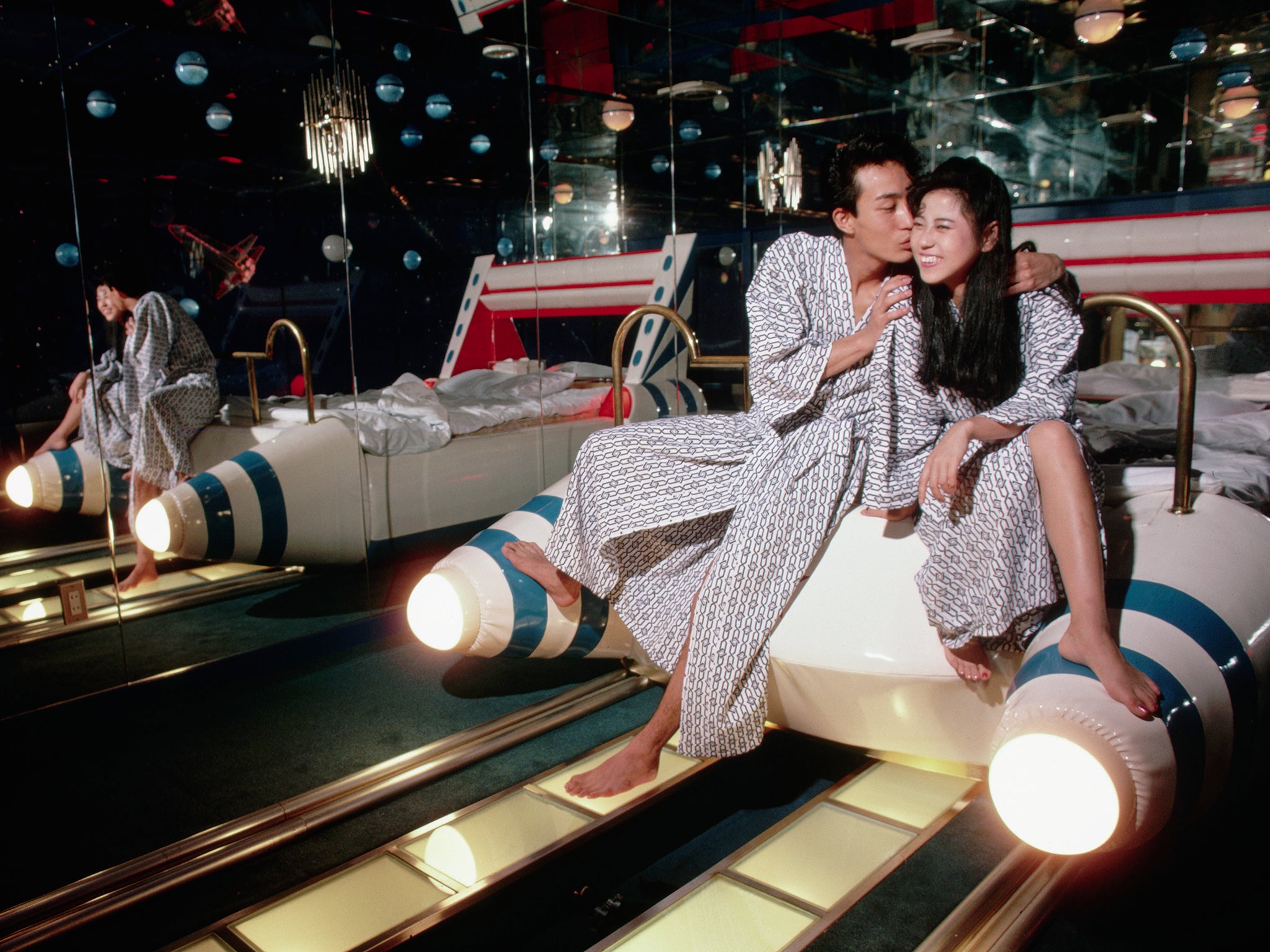
The Love Hotel as a Unique Japanese Accommodation Option
For intrepid travelers seeking an authentic and memorable Japanese experience, a night or even a few hours in a love hotel can be an appealing prospect. They offer a level of design and themed immersion rarely found in conventional hotels, at a price point that can sometimes be surprisingly competitive, especially for “rest” periods or off-peak “stay” rates compared to booking a last-minute standard hotel room in a major city like Tokyo, Kyoto, or Osaka.
For tourists with a sense of adventure, staying in a love hotel can be considered a legitimate part of exploring Japan’s unique lifestyle and travel offerings, akin to experiencing a capsule hotel or a traditional ryokan. It’s a testament to Japanese innovation that even an industry rooted in privacy and discretion has managed to evolve into a quirky yet functional part of the country’s broader tourism appeal. As Japan continues to attract millions of visitors annually, the love hotel stands as another testament to its unparalleled creativity and its capacity to offer truly distinctive and memorable travel experiences.
LifeOutOfTheBox is a participant in the Amazon Services LLC Associates Program, an affiliate advertising program designed to provide a means for sites to earn advertising fees by advertising and linking to Amazon.com. Amazon, the Amazon logo, AmazonSupply, and the AmazonSupply logo are trademarks of Amazon.com, Inc. or its affiliates. As an Amazon Associate we earn affiliate commissions from qualifying purchases.