
The culinary world is rich with iconic dishes, and among them, few cuts of beef command as much respect and fascination as the New York Strip. More than just a piece of meat, it represents a standard of quality, a rich history, and a cornerstone of fine dining experiences across the globe. For travelers and food enthusiasts alike, understanding what a New York Strip entails is not merely about identifying a cut; it’s about appreciating a lifestyle, a cultural touchstone, and an exquisite gastronomic journey waiting to be explored. Whether you’re planning a luxury trip to a bustling metropolis or simply seeking to elevate your home cooking, the New York Strip offers a unique blend of flavor, texture, and heritage that truly defines the art of steak.
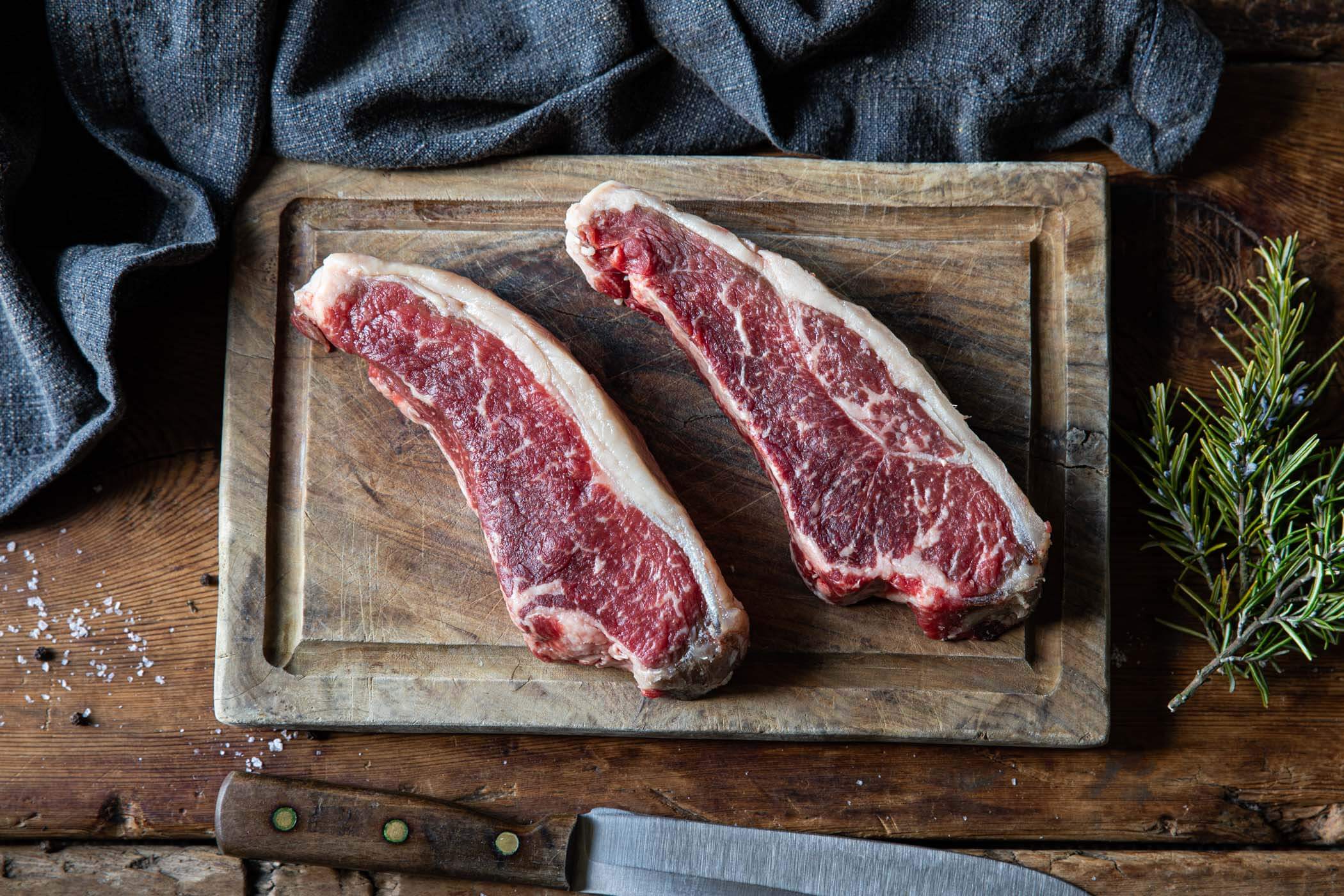
This illustrious steak, known for its distinctive marbling, robust flavor, and satisfying texture, has carved out a special place in the hearts of carnivores. Its name itself evokes images of sophisticated urban dining, conjuring visions of classic steakhouses with their dimly lit interiors, plush leather booths, and an unmistakable aroma of sizzling prime beef. But what exactly makes this cut so special, and why has it become synonymous with premium dining? Let’s delve into the anatomy, history, and unparalleled appeal of the New York Strip, exploring its journey from a butcher’s block staple to a celebrated culinary landmark that beckons travelers from every corner of the world.
The Culinary Icon: Understanding the New York Strip
The journey to understanding the New York Strip begins with its fundamental characteristics, a blend of anatomical precision and historical evolution that has shaped its reputation. This is not just any steak; it’s a carefully selected and expertly prepared cut that promises a consistent and memorable dining experience. Its very presence on a menu signifies a restaurant’s commitment to quality and tradition, making it a reliable choice for discerning diners.
A Cut Above: Anatomy and Characteristics
The New York Strip, also frequently known as the Kansas City Strip, sirloin strip, or club steak, is cut from the short loin of the beef cattle. This muscle, the longissimus dorsi, is located along the spine and does relatively little work, which contributes significantly to the steak’s tenderness. Positioned between the rib and the sirloin, the short loin yields some of the most prized cuts of beef, including the T-bone and porterhouse steaks, both of which contain a portion of the New York Strip.
What sets the New York Strip apart is its ideal balance of tenderness and robust beefy flavor. Unlike the incredibly tender but less flavorful filet mignon, or the richly marbled but sometimes overly fatty ribeye, the New York Strip offers a superb middle ground. It features a fine grain, moderate marbling (intramuscular fat), and a distinct fat cap along one side, which, when rendered during cooking, imparts additional flavor and keeps the meat moist. The marbling, those delicate streaks of fat interspersed within the lean muscle, melts during cooking, basting the meat from within and contributing to its juiciness and depth of flavor.

Visually, a good New York Strip is typically a rectangular or oblong shape, with a firm, bright red appearance. The thickness usually ranges from 1 to 1.5 inches, ideal for achieving a perfect sear on the exterior while maintaining a succulent, medium-rare interior. Its texture is firm yet yielding, offering a satisfying chew without being tough, making each bite a testament to its superior quality. For food enthusiasts, understanding these characteristics is key to appreciating why this steak remains a perennial favorite.
A Storied History: Origins and Evolution
The history of the New York Strip is as rich and flavorful as the steak itself, deeply intertwined with the development of American culinary traditions and the rise of the modern steakhouse. While the cut itself has always existed, its specific naming and popularization are relatively recent phenomena, emerging from the vibrant restaurant scenes of America’s great cities.
Legend has it that the New York Strip gained its enduring moniker in the mid-19th century, with many attributing its popularization to the iconic Delmonico’s Restaurant in New York City. Established in 1837, Delmonico’s was one of America’s first fine dining establishments, renowned for its innovative menu and commitment to quality. The “Delmonico steak” served there was often a short loin cut, expertly prepared and seared to perfection, quickly becoming a signature dish. As its fame spread, particularly across Manhattan, the association with New York grew stronger, eventually cementing its popular name.
The name “Kansas City Strip” also stems from its local popularity, primarily in the Midwestern United States, which has its own rich history of cattle ranching and steak consumption. Despite regional nomenclature, the essence of the cut remains consistent – a prime example of beef’s finest. The post-World War II economic boom, coupled with the flourishing of steakhouses across major American cities like Chicago, Boston, and Los Angeles, further propelled the New York Strip into culinary stardom. It became a symbol of prosperity and a staple of business lunches and celebratory dinners, an embodiment of the American dining experience. Today, it stands not just as a menu item, but as a culinary landmark, celebrated in cookbooks, television shows, and the finest restaurants worldwide.

Experiencing the New York Strip: A Global Gastronomic Journey
For the avid traveler and culinary explorer, tasting a New York Strip is more than just a meal; it’s an immersive experience, a journey into the heart of local culture and high-end gastronomy. The pursuit of the perfect New York Strip often leads to some of the world’s most acclaimed dining establishments, making it a compelling objective for culinary tourism.
Iconic Steakhouses in the Big Apple and Beyond
The quest for an exceptional New York Strip naturally begins in its namesake city, a mecca for food lovers. However, its appeal has transcended geographical boundaries, establishing a formidable presence in top steakhouses around the globe.
New York City: The Birthplace of a Classic
In New York City, the tradition of the steakhouse is deeply ingrained in the city’s identity. Historic establishments continue to draw crowds, maintaining the legacy of the classic New York Strip. Places like Peter Luger Steak House in Brooklyn, a venerable institution founded in 1887, are legendary. While famous for its porterhouse, its dry-aged short loin cuts embody the essence of the New York Strip experience. Diners at Peter Luger are transported back in time, enjoying prime beef aged on-site and cooked to perfection, often served with their signature steak sauce.
Another titan in New York City is Keens Steakhouse, established in 1885, renowned for its mutton chop but equally masterful with its strip steaks. The ambiance, with its collection of historic churchwarden pipes, offers a glimpse into New York’s past, making it an attraction in itself. Newer, yet equally impressive, establishments like Wolfgang’s Steakhouse, founded by a former Peter Luger maître d’, continue to uphold the tradition, focusing on prime dry-aged beef and impeccable service. These steakhouses are more than just restaurants; they are destinations, offering an unforgettable part of the New York City experience, often a highlight of any luxury travel itinerary.
Beyond NYC: Notable Steakhouses Across America
While New York lays claim to the name, other American cities have cultivated their own renowned steakhouse scenes, offering exceptional New York Strips that rival those of the Big Apple. In Chicago, a city synonymous with meatpacking and culinary innovation, steakhouses like Gibson’s Bar & Steakhouse are legendary. Known for its generous portions of USDA Prime beef, Gibson’s provides a lively, classic steakhouse atmosphere that perfectly complements its succulent New York Strip.
On the West Coast, Los Angeles boasts a plethora of high-end options, including Mastro’s Steakhouse, famous for its vibrant atmosphere and buttery, perfectly cooked steaks. Their New York Strip is consistently praised for its exquisite tenderness and rich flavor profile. Meanwhile, in Las Vegas, a city built on luxury and indulgence, steakhouses within world-class resorts, such as CUT by Wolfgang Puck at the Palazzo Las Vegas or SW Steakhouse at the Wynn Las Vegas, elevate the New York Strip to an art form. These establishments often feature exotic cuts, exceptional wine lists, and stunning ambiance, making them prime examples of luxury travel destinations focused on unparalleled culinary experiences. Even in more traditional settings like Houston, Pappas Bros. Steakhouse stands out for its extensive dry-aging program and knowledgeable staff, ensuring every New York Strip is a masterpiece.
The Perfect Pairing: Enhancing Your Dining Experience
Enjoying a New York Strip is an experience best savored with thoughtful accompaniments. The right wine, side dishes, and even cocktails can elevate the meal from excellent to extraordinary, contributing to a holistic luxury dining experience.
For wine enthusiasts, a robust red wine is the quintessential pairing for a New York Strip. A classic Cabernet Sauvignon from Napa Valley or Bordeaux stands out, with its firm tannins and dark fruit notes complementing the steak’s richness without overpowering it. Other excellent choices include a full-bodied Malbec from Argentina, a spicy Syrah, or a bold Zinfandel. For those preferring something lighter or non-alcoholic, a crisp sparkling water with a lemon twist or a classic Old Fashioned cocktail can also provide a refreshing counterpoint to the steak’s richness.
Side dishes play an equally crucial role. Traditional steakhouse sides, such as creamed spinach, garlic mashed potatoes, truffle fries, or asparagus with hollandaise, are popular for good reason. They offer textural contrast and complementary flavors, enhancing the overall meal. A fresh, crisp salad can also serve as a palate cleanser. Many high-end establishments, particularly within luxury hotels like the Four Seasons or Ritz-Carlton, curate their menus to ensure every element of the meal contributes to a memorable dining occasion, reflecting an understanding of sophisticated lifestyle choices.
Preparing the Perfect Strip: Tips for Culinary Enthusiasts
While dining out at an iconic steakhouse offers an unparalleled experience, the New York Strip is also a fantastic cut for home cooks looking to recreate that high-end restaurant quality. Mastering its preparation can be a rewarding culinary adventure, adding a touch of luxury to your own kitchen.
Mastering the Cook: From Grill to Pan
The key to a perfect New York Strip lies in high-heat cooking methods that create a beautiful crust while preserving a juicy interior. Whether you prefer grilling outdoors or searing indoors, a few fundamental principles apply.
Grilling: For many, grilling is the quintessential way to cook a steak. Start with a clean, hot grill – aiming for a temperature of at least 450-500°F (230-260°C). Season your steak generously with coarse salt and freshly ground black pepper just before placing it on the grill. For a medium-rare steak (internal temperature of 130-135°F / 54-57°C), grill for about 4-6 minutes per side, flipping only once to develop a solid crust. Use a meat thermometer to ensure accuracy. The char from the grill adds a smoky depth of flavor that is hard to replicate.
Pan-Searing with an Oven Finish: This method is excellent for achieving a perfect crust and even cooking, especially for thicker steaks. Use a heavy-bottomed, oven-safe pan, such as cast iron, and heat it over high heat until it just begins to smoke. Add a high smoke point oil (like grapeseed or avocado oil). Sear the seasoned steak for 2-3 minutes per side until a deep brown crust forms. Then, transfer the pan to a preheated oven (around 375-400°F / 190-200°C) and cook for another 5-10 minutes, or until your desired internal temperature is reached. Bast with butter, garlic, and herbs (like thyme or rosemary) during the oven phase for added flavor.
Regardless of the method, it is crucial to rest the steak after cooking. This allows the juices to redistribute throughout the meat, resulting in a more tender and flavorful steak. Cover loosely with foil and let it rest for 5-10 minutes before slicing against the grain. This simple step can make a significant difference in the final outcome.
Complementary Sides and Sauces
Even when cooking at home, thoughtful sides and sauces can elevate your New York Strip. Beyond the classic steakhouse staples, consider incorporating fresh, seasonal ingredients. Roasted root vegetables like carrots and parsnips, a simple green salad with a vinaigrette, or even a flavorful mushroom sauté can complement the steak beautifully.
For sauces, a homemade béarnaise or a red wine reduction can add a touch of gourmet sophistication. A simple garlic-herb butter, melting over the hot steak, is also a fantastic choice, enhancing its natural richness. Experimenting with different flavors allows you to personalize your steak experience, making each meal a new discovery within the broader category of culinary tourism.
The New York Strip in the World of Travel and Lifestyle
The New York Strip is not just a food item; it’s an integral part of the travel and lifestyle landscape, particularly within the realm of luxury experiences and cultural immersion. It speaks to a certain caliber of dining and often signifies a memorable occasion.
Luxury Dining and Hotel Experiences
For travelers seeking opulent experiences, the New York Strip is a fixture on the menus of the finest restaurants located within luxury hotels and resorts worldwide. Imagine savoring a perfectly cooked strip steak at a rooftop restaurant overlooking the Parisian skyline, or enjoying one with ocean views from a Maui resort. Many renowned hotel brands, such as Marriott International, Hilton Worldwide, and Hyatt Hotels, house Michelin-starred or critically acclaimed steakhouses that feature the New York Strip as a centerpiece.
These establishments offer more than just food; they provide a complete sensory experience. From the elegant decor and impeccable service to the extensive wine lists curated by expert sommeliers, every detail is meticulously crafted. Dining at such a venue, whether it’s at The Grill in New York City (part of the Major Food Group) or at a high-end restaurant in a Dubai five-star hotel like the Burj Al Arab, becomes a core component of a luxury travel itinerary. It reflects a choice for quality, tradition, and an appreciation for the finer things in life, making it a significant aspect of the “lifestyle” topic.
A Culinary Landmark: More Than Just a Steak
Beyond the plate, the New York Strip represents a culinary landmark, a benchmark against which other steaks are often measured. It embodies the dedication to quality beef, expert butchery, and precise cooking techniques that define high-end gastronomy. Its enduring popularity makes it a point of interest for culinary tourism, with travelers often planning trips around visiting specific steakhouses or regions famous for their beef.
The cultural significance of the New York Strip extends to its role in celebrations, business deals, and romantic dinners. It’s a dish associated with important moments, solidifying its place not just as food, but as a memorable experience. As you explore new destinations, seeking out a local interpretation of the New York Strip can be a fascinating way to connect with the local culinary scene and its gastronomic traditions. It offers insight into regional preferences, dry-aging techniques, and pairing philosophies.
In conclusion, the New York Strip is far more than a simple cut of beef; it’s a profound culinary statement. From its ideal balance of flavor and tenderness to its storied past rooted in the bustling dining rooms of New York City, it remains a beacon for steak lovers and an emblem of fine dining. Whether enjoyed in a historic steakhouse, a luxurious hotel, or expertly prepared at home, the New York Strip promises an experience that satisfies the palate and enriches the journey, embodying the very essence of discerning travel and sophisticated lifestyle.
LifeOutOfTheBox is a participant in the Amazon Services LLC Associates Program, an affiliate advertising program designed to provide a means for sites to earn advertising fees by advertising and linking to Amazon.com. Amazon, the Amazon logo, AmazonSupply, and the AmazonSupply logo are trademarks of Amazon.com, Inc. or its affiliates. As an Amazon Associate we earn affiliate commissions from qualifying purchases.