
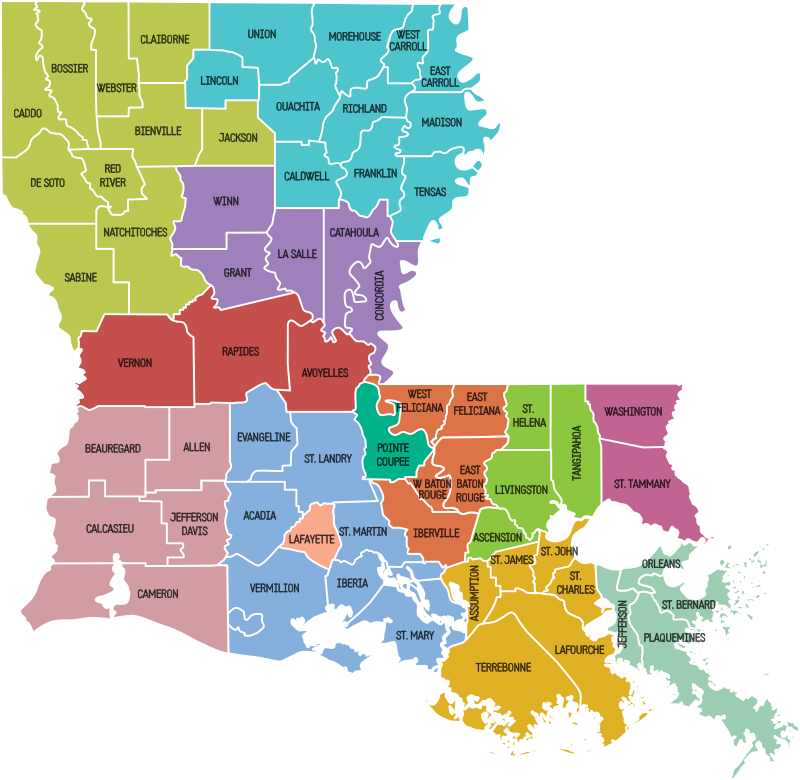
Louisiana, a state steeped in a rich tapestry of French, Spanish, African, and American influences, offers a travel experience unlike any other in the United States. While many visitors are drawn to the vibrant streets of New Orleans or the historic charm of Baton Rouge, understanding the unique administrative divisions of this captivating state is key to unlocking its diverse attractions. Unlike most other American states that are divided into counties, Louisiana is organized into parishes. This distinction, rooted in its colonial past, shapes the local governance, cultural identity, and ultimately, the travel experiences awaiting you. So, what exactly is a parish in Louisiana, and how does it impact your journey through this Bayou State?
Understanding the Louisiana Parish: A Historical and Administrative Overview
The concept of a parish in Louisiana is a direct legacy of its French and Spanish colonial history, periods when the Catholic Church played a significant role in societal organization. Initially, the term “parish” referred to a church district, a geographical area under the spiritual jurisdiction of a priest. As these colonial administrations evolved, the ecclesiastical boundaries were often adopted for civil purposes, leading to the establishment of civil parishes that mirrored the old church districts. This dual ecclesiastical and civil function persisted through various governmental transitions, including the transfer of Louisiana from France to the United States in the Louisiana Purchase of 1803.
The Louisiana Civil Code of 1825 formally recognized the parish as the primary political subdivision of the state, a structure that remains in place today. This historical evolution means that a parish in Louisiana functions much like a county in other states, serving as the local government entity responsible for a wide range of public services and administration. These include law enforcement, courts, public education, infrastructure maintenance, and tax collection. However, the persistent use of the term “parish” continues to lend a distinct cultural flavor to the state, reminding residents and visitors alike of its unique heritage.
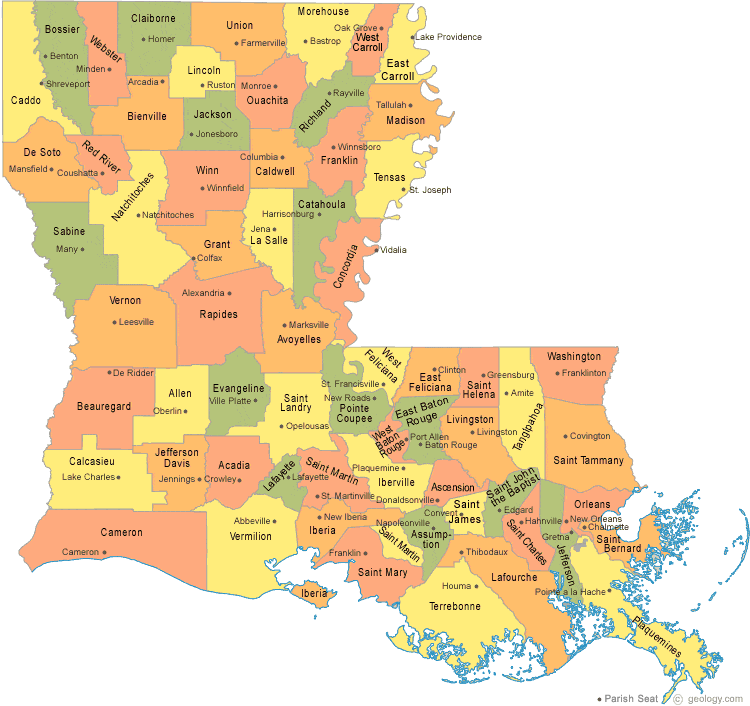
For travelers, grasping the concept of a parish is essential for navigation and understanding local context. When looking for accommodation or planning activities, you’ll often see destinations identified by their parish rather than a city or town alone. For example, a trip to the heart of Cajun Country might lead you to Lafayette Parish, while exploring the swamps and bayous could take you through St. Martin Parish or Terrebonne Parish. This granular level of identification allows for a more nuanced exploration of Louisiana‘s diverse landscapes and cultures.
Parishes vs. Counties: Key Differences and Similarities
While functionally similar to counties in other states, the terminology of parishes in Louisiana sets it apart. The core responsibilities of a parish government mirror those of a county. Both are responsible for maintaining local roads and infrastructure, providing public safety through sheriff’s departments and local police, administering justice through local courts, and managing public education. Property taxes are levied at the parish level to fund these services.
However, the historical and cultural underpinnings are where the distinction truly lies. The religious origins of the term “parish” imbue Louisiana‘s administrative divisions with a sense of history and tradition that counties often lack. This is particularly evident in the names of many parishes, which are often derived from Catholic saints or French and Spanish colonial figures. For instance, St. Tammany Parish, named after Saint Tammany, and Orleans Parish, which encompasses the city of New Orleans, exemplify this naming convention.
Furthermore, the internal structure of parish governance can sometimes differ. While many parishes operate under a President-Council form of government, similar to county executives and boards, others may have different administrative structures. Understanding these nuances can be helpful for those interested in the intricacies of local Louisiana governance or for business travelers who need to engage with specific parish authorities. For the average tourist, however, the primary takeaway is that when you see “Parish” after a place name in Louisiana, think of it as the state’s equivalent of a county.
Navigating Louisiana by Parish: A Traveler’s Perspective
For any traveler planning a trip to Louisiana, understanding the parish system is a crucial step towards a more enriching experience. It’s not just a matter of administrative organization; it’s a way to delve deeper into the state’s distinct regional identities and diverse offerings. Each parish often boasts its own unique character, shaped by its geography, history, and the communities that call it home.
Consider the southeastern corner of the state. Here, Orleans Parish is synonymous with the unparalleled energy and culture of New Orleans, a global destination for music, food, and festivals. Just across Lake Pontchartrain lies St. Tammany Parish, known for its affluent communities, scenic parks, and a more tranquil, family-friendly atmosphere. Further west, you’ll enter the heart of Cajun Country. Lafayette Parish is a vibrant hub, celebrated for its authentic Cajun music, delicious cuisine, and lively dance halls. Adjacent parishes like Acadia Parish and Vermilion Parish offer further immersion into the Cajun way of life, with sprawling prairies, bayous, and a strong emphasis on preserving cultural traditions.
The southern coastal regions, often referred to as “Louisiana’s Edge,” are dominated by parishes like Terrebonne Parish and Jefferson Parish (the western part of which stretches along the coast). These areas are characterized by their vast network of bayous, marshes, and wetlands, a crucial ecosystem that supports abundant wildlife and a unique fishing and shrimping industry. Exploring these parishes offers opportunities for eco-tourism, swamp tours, and experiencing the resilience of communities deeply connected to the water.
When booking accommodation, you’ll often find hotels, resorts, and vacation rentals listed under a specific parish. For example, if you’re looking for a luxurious resort experience with amenities like golf and spa services, you might search for options in a more suburban or resort-focused parish. Conversely, a budget-conscious traveler seeking an authentic local experience might find charming bed and breakfasts or apartments in smaller towns within a less tourist-centric parish. The parish system provides a valuable framework for tailoring your Louisiana adventure to your specific interests, whether they lie in exploring historic landmarks, indulging in culinary delights, or simply soaking in the natural beauty of the bayous.
Exploring Louisiana’s Diverse Parishes: Destinations and Attractions
Louisiana‘s 64 parishes offer an incredible diversity of experiences, from the bustling urban landscape of New Orleans to the serene beauty of its natural waterways. Understanding the general characteristics and prominent attractions of different parishes can significantly enhance your travel planning.
The Crescent City and Its Neighbors: Orleans Parish and Beyond
Orleans Parish is, without question, Louisiana‘s most famous parish, home to the iconic city of New Orleans. This parish is a world-renowned destination for its:
- French Quarter: A historic district filled with vibrant architecture, jazz clubs, and culinary treasures.
- Mardi Gras: The annual carnival celebration that draws millions of visitors.
- Garden District: Known for its stunning antebellum mansions and lush gardens.
- Museums: Including the New Orleans Museum of Art and the National WWII Museum.
- Culinary Scene: From classic Creole dishes to innovative modern cuisine.
Surrounding Orleans Parish are other parishes that offer complementary experiences. To the north, across Lake Pontchartrain, lies St. Tammany Parish, often called the “Northshore.” This parish provides a more relaxed atmosphere with beautiful state parks like Fontainebleau State Park, charming towns like Covington and Mandeville, and a growing culinary and arts scene. Jefferson Parish, to the west and south of New Orleans, encompasses parts of the city and extends into the marshlands, offering unique wetlands tours and access to historical sites.
Cajun Country: The Heart of Creole and Cajun Culture
Moving west from the New Orleans metropolitan area, you enter the realm of Cajun Country, a region rich in distinct traditions, music, and food. Lafayette Parish serves as the cultural and economic heart of this region. Known as the “Happiest City in America,” Lafayette is a must-visit for its:
- Cajun Music Scene: Famous for its live music venues and dance halls where you can experience authentic Cajun and Zydeco music.
- Acadiana Village: A living history museum showcasing Cajun and Creole life in the 18th and 19th centuries.
- Culinary Delights: Home to world-class restaurants serving jambalaya, crawfish étouffée, and boudin.
- Festivals: Including the renowned Festivals Acadiens et Créoles.
Other important Cajun parishes include:
- St. Martin Parish: Home to the picturesque town of Breaux Bridge, considered the “Crawfish Capital of the World,” and the stunning Lake Martin cypress island preserve, a vital bird sanctuary.
- Acadia Parish: Known for its agricultural heritage and the town of Crowley, famous for its rice production and the International Rice Festival.
- Vermilion Parish: Offers a taste of coastal Cajun life with towns like Abbeville and abundant opportunities for fishing and swamp tours.
These parishes offer a deeply immersive cultural experience, allowing travelers to connect with the resilient spirit and vibrant traditions of the Cajun people.
The Bayoulands and Beyond: Nature, History, and Coastal Life
The southern and western parts of Louisiana are defined by their extensive bayou systems and coastal landscapes, creating unique ecosystems and cultural enclaves. Terrebonne Parish is a prime example, a vast expanse of wetlands that is a vital hub for the state’s fishing and shrimping industries. Here, visitors can:
- Explore the Wetlands: Via airboat tours, kayak excursions, or boat trips to witness the diverse wildlife, including alligators and numerous bird species.
- Visit the Houma Area: Discover the region’s unique culture and history.
- Experience Coastal Living: Understand the challenges and beauty of life on the Gulf Coast.
Further west, Calcasieu Parish and Cameron Parish represent the southwestern corner of the state. Lake Charles in Calcasieu Parish is a growing destination with casinos, outdoor recreation on Lake Charles, and a burgeoning culinary scene. Cameron Parish, though heavily impacted by hurricanes, is characterized by its pristine beaches, abundant birdlife in the Cameron Prairie National Wildlife Refuge, and a rugged, untamed beauty.
Inland parishes like Rapides Parish, with its major city of Alexandria, offer historical sites, natural parks along the Red River, and a gateway to Central Louisiana. The diversity across these parishes underscores the fact that a trip to Louisiana is not a monolithic experience but a collection of distinct regional adventures, each offering its own allure and set of attractions.
Planning Your Louisiana Parish Adventure: Accommodation, Lifestyle, and Tips
To truly appreciate Louisiana‘s charm, understanding how to navigate its parishes in terms of accommodation, lifestyle, and practical tips is essential. The unique administrative structure influences everything from where you stay to the kinds of experiences you can have.
Accommodation Options Across the Parishes
The range of accommodation in Louisiana‘s parishes is as diverse as the state itself. Whether you’re seeking the luxury of a five-star resort, the comfort of a boutique hotel, or the affordability of a budget-friendly motel, you’ll find options to suit your needs.
In major urban centers like New Orleans (Orleans Parish) and Baton Rouge (East Baton Rouge Parish), you’ll find a wide selection of international hotel chains, luxury suites, and historic boutique hotels. The French Quarter in New Orleans is particularly renowned for its charming inns and hotels offering immersive historic experiences. For those looking for resorts with extensive amenities, such as spas, golf courses, and fine dining, St. Tammany Parish and areas around Lake Charles offer excellent choices.
For travelers interested in a more local and immersive experience, consider vacation rentals, apartments, or charming bed and breakfasts scattered throughout Cajun Country parishes like Lafayette and St. Martin. These often provide a more intimate connection with the local culture and can be an excellent option for families or longer stays. In the more rural or coastal parishes, you might find rustic lodges, fishing cabins, or even antebellum plantation homes converted into guest accommodations, offering a unique glimpse into Louisiana‘s historical past and natural beauty. When booking, always pay attention to the specific parish to understand the surrounding environment and attractions.
Embracing the Louisiana Lifestyle: Travel Styles and Experiences
Louisiana offers a lifestyle that caters to virtually every type of traveler, from the luxury seeker to the budget-conscious adventurer. The parish system helps to delineate these different experiences.
For those who enjoy luxury travel, New Orleans (Orleans Parish) is a prime destination with its world-class dining, high-end shopping, and opulent hotels like The Roosevelt New Orleans. Many of the larger parishes also boast resorts with premium amenities. Budget travel is very accessible throughout Louisiana. You can find affordable motels, campgrounds, and charming guesthouses in smaller towns across many parishes, particularly in Cajun Country and the bayou regions, allowing you to experience the local culture without breaking the bank.
Family trips are well-catered for with attractions like the Audubon Aquarium of the Americas in New Orleans, the numerous state parks, and kid-friendly festivals that occur throughout the year. The diverse landscapes, from swamps to prairies, also provide excellent opportunities for outdoor activities that the whole family can enjoy. Business stays are concentrated in the larger cities and their surrounding parishes, where you’ll find business-class hotels and conference facilities.
No matter your travel style, embracing the Louisiana lifestyle means being open to new flavors, sounds, and experiences. It’s about savoring the slow pace of bayou life, dancing to live music, exploring historical landmarks, and engaging with the warm and welcoming local communities that define each parish.
Essential Tips for Your Parish Exploration
To make the most of your journey through Louisiana‘s parishes, a few practical tips can go a long way.
- Embrace the Local Cuisine: Louisiana is a foodie paradise. Don’t shy away from trying local specialties like gumbo, jambalaya, crawfish étouffée, beignets, and po’boys. Each region and parish might have its own unique take on these dishes.
- Understand the Climate: Louisiana has a subtropical climate with hot, humid summers and mild winters. Be prepared for rain, especially during the spring and summer months.
- Plan for Navigation: While GPS is widely available, having a general understanding of the parish system can help you orient yourself. Road signs often indicate the parish you are entering or exiting.
- Respect Local Culture: Louisiana has a unique cultural heritage. Be respectful of local customs, traditions, and the natural environment.
- Book in Advance: Especially if you are traveling during peak seasons or major festivals like Mardi Gras in New Orleans, it’s advisable to book accommodation and popular tours well in advance.
- Explore Beyond the Major Cities: While New Orleans is a must-see, venturing into other parishes will reveal the true diversity and charm of Louisiana. From the swamps of the south to the historic plantations along the Mississippi River, each parish offers a unique story waiting to be discovered.
By understanding what a parish is in Louisiana and embracing the diversity it represents, you unlock a richer, more authentic travel experience in this captivating Southern state.
LifeOutOfTheBox is a participant in the Amazon Services LLC Associates Program, an affiliate advertising program designed to provide a means for sites to earn advertising fees by advertising and linking to Amazon.com. Amazon, the Amazon logo, AmazonSupply, and the AmazonSupply logo are trademarks of Amazon.com, Inc. or its affiliates. As an Amazon Associate we earn affiliate commissions from qualifying purchases.