
For anyone considering a move, a prolonged stay, or even just an epic road trip through the vast landscapes of Texas, understanding the nuances of vehicle ownership is paramount. While many travelers focus on securing the perfect accommodation in Austin, planning their itinerary to San Antonio‘s historic Alamo, or exploring the vibrant food scene in Houston, a critical piece of the puzzle often overlooked is the status of a vehicle’s title, especially a “rebuilt title.” In a state as expansive as Texas, where personal transportation is often a necessity, knowing what a rebuilt title entails isn’t just about legalities; it’s about safety, financial prudence, and peace of mind for your lifestyle choices, whether you’re a long-term resident or just passing through.
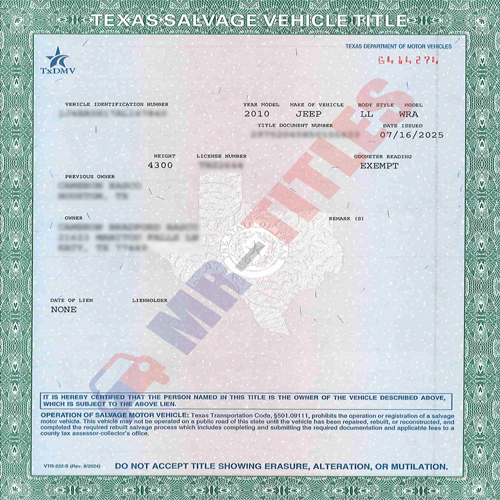
A rebuilt title in Texas signifies a vehicle’s journey back from a major incident that rendered it a “salvage” vehicle. This isn’t merely a cosmetic repair; it means the car sustained significant damage – often from an accident, flood, fire, or theft – to the point where an insurance company deemed it a total loss. Instead of being scrapped, the vehicle was repaired to an operational condition and inspected by the Texas Department of Public Safety. While seemingly a cost-effective option for some, particularly budget-conscious travelers or those looking for a long-term vehicle solution without the premium price tag, a rebuilt title carries implications that extend far beyond the initial purchase. From impacting your ability to secure comprehensive insurance to affecting the car’s resale value and even how certain rental companies might view such a vehicle, understanding this specific title type is crucial for making informed decisions in the Lone Star State. This guide will delve into the intricacies of rebuilt titles, offering insights relevant to travelers, long-term stayers, and anyone navigating the diverse automotive market of Texas.
Understanding Salvage and Rebuilt Titles: A Traveler’s Perspective
The concept of vehicle titles might seem like dry bureaucratic jargon, but for anyone who travels extensively or considers making Texas their temporary or permanent home, understanding the difference between a clean, salvage, and rebuilt title is fundamental. These distinctions impact everything from vehicle safety and insurance costs to resale value and even the sheer practicality of navigating the state’s vast distances. When you’re planning a road trip to see the natural beauty of Big Bend National Park or exploring the historic districts of Galveston, the reliability of your vehicle is non-negotiable.
From Salvage to Rebuilt: The Journey of a Vehicle in Texas
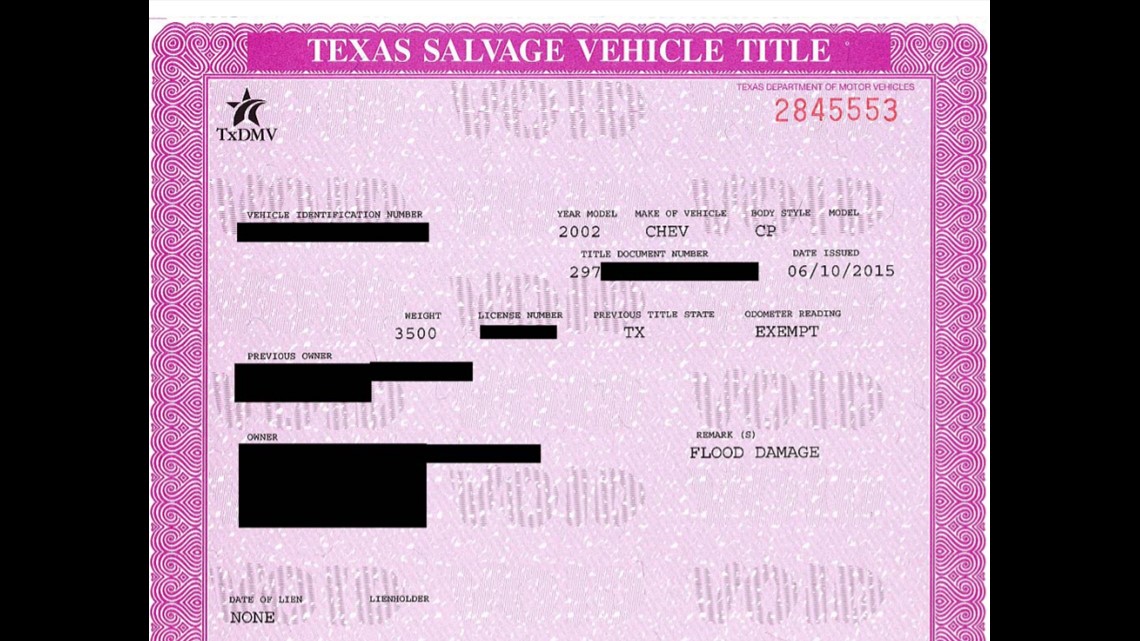
At its core, a “salvage title” is issued to a vehicle that has been declared a total loss by an insurance company. In Texas, this typically means the cost of repairing the damage exceeds a certain percentage (often 75-100%) of the vehicle’s actual cash value. The damage can stem from various sources: a severe collision near Dallas, extensive flood damage from a hurricane along the Gulf Coast, fire damage, or even recovery after a theft where parts were stripped. A vehicle with a salvage title cannot be legally registered or driven on public roads in Texas. It is essentially earmarked for dismantling or extensive repair.
However, if someone invests in repairing a salvage vehicle to a roadworthy condition, and it passes a stringent safety inspection by the Texas Department of Public Safety, it can then be issued a “rebuilt title.” This rebuilt title signals that the vehicle, once a total loss, has been restored and deemed safe for operation. The key takeaway here is that while it’s “rebuilt,” its history of significant damage is permanently etched into its title status. This distinction is vital for consumers, especially those who might be unfamiliar with Texas specific vehicle regulations. For a traveler planning a long-term stay in a hotel or apartment in Fort Worth and considering buying a car, understanding this journey from salvage to rebuilt is the first step in making an informed decision.
Why This Matters for Your Texas Adventure
The implications of a rebuilt title are manifold and can significantly affect your experience in Texas. From a practical standpoint, a rebuilt vehicle, despite passing inspection, may still harbor hidden issues. Structural integrity, electrical systems, and even fundamental components might have been compromised and repaired, but the long-term reliability could be a concern. Imagine embarking on a cross-state journey from El Paso to South Padre Island only to face unexpected mechanical failures, potentially stranding you far from assistance.
Furthermore, the “rebuilt” designation inherently carries a stigma that impacts the vehicle’s value. Even if meticulously repaired, a rebuilt car will almost always be worth less than a comparable vehicle with a clean title. This is a crucial consideration for anyone envisioning a temporary vehicle purchase for a season in Texas – perhaps exploring local attractions or enjoying the vibrant tourism opportunities – only to sell it before departing. The depreciation can be substantial, impacting your overall travel budget. Moreover, obtaining full coverage insurance for a rebuilt vehicle can be challenging and often more expensive, as some insurers view them as higher risk. Companies like Geico or State Farm may offer limited coverage options or charge higher premiums, affecting your financial planning for your stay.
Navigating the Purchase or Rental of a Rebuilt Vehicle in the Lone Star State
For those venturing into the Texas automotive market, whether as a buyer for a prolonged stay or a renter for a shorter excursion, the presence of rebuilt titles demands careful consideration. The allure of a lower price tag can be strong, especially for budget-conscious individuals or families planning extensive travel. However, it’s essential to approach these vehicles with a clear understanding of the potential advantages and, more importantly, the drawbacks. The state’s vastness makes personal transportation almost a prerequisite for many travel experiences, from urban exploration in Houston to remote camping trips in West Texas.
Key Considerations for Buyers and Long-Term Stayers
If you’re planning to purchase a vehicle for a long-term stay in Texas, perhaps for a business assignment in Dallas or retirement near Corpus Christi, a rebuilt title might appear as an attractive option due to its lower upfront cost. This could free up funds for other lifestyle expenses or allow for more extensive travel. However, this initial saving often comes with a set of compromises.
Firstly, a thorough pre-purchase inspection by an independent, trusted mechanic specializing in collision repair is non-negotiable. This is even more crucial than with a clean-titled vehicle, as underlying damage may not be immediately apparent. The inspection should focus on structural integrity, frame alignment, suspension, and the condition of electrical systems, especially if the vehicle had flood damage. Secondly, financing options for rebuilt title vehicles are often limited. Many traditional lenders, including banks and credit unions, are hesitant to offer loans on these vehicles due due to perceived higher risk and lower collateral value. This means a buyer might need to pay cash, which isn’t always feasible.
Thirdly, insurance can be a significant hurdle. While liability insurance is mandatory in Texas, obtaining full coverage (collision and comprehensive) for a rebuilt title vehicle can be difficult. Some insurers, such as Progressive or even smaller local Texas providers, may refuse to cover them entirely, or if they do, the premiums will likely be higher, and the payout in case of a future incident could be based on the vehicle’s depreciated rebuilt value, not its equivalent clean-title market value. This can leave owners financially vulnerable. Finally, the resale value will always be negatively impacted. When it’s time to sell, the market for rebuilt vehicles is smaller, and buyers will expect a significant discount, often 20-50% below the clean-title market value, depending on the damage history and quality of repair.
Car Rental Implications: What to Ask About Your Fleet
For travelers relying on car rentals to navigate Texas, the prospect of a rebuilt title might seem less relevant since they aren’t purchasing the vehicle. However, it’s still worth understanding. Reputable national car rental companies like Hertz, Enterprise Rent-A-Car, or Avis generally maintain fleets of vehicles with clean titles to ensure safety, reliability, and consistent insurance coverage. Their business model relies on high turnover and maintaining a pristine reputation for vehicle quality.
However, smaller, independent rental operations, especially those offering discounted rates, might occasionally acquire vehicles with rebuilt titles to reduce their operational costs. While these vehicles would have passed necessary safety inspections to be road legal in Texas, it’s always prudent for a traveler to be aware. When booking a car, especially from less familiar agencies or if the price seems unusually low for the vehicle type, don’t hesitate to ask about the title status of their fleet or the specific vehicle you’re being offered. While not typically a widespread issue with major brands, understanding that such titles exist allows you to exercise due diligence, ensuring your rental car meets your expectations for safety and reliability as you explore everything from Austin’s live music scene to the historical sites around Lubbock. Ensuring your rental car is in top condition is essential for a stress-free tourism experience.
The Lifestyle Impact: Budget Travel, Family Safety, and Investment Value
The choice of vehicle, particularly one with a rebuilt title, has a profound impact on various aspects of one’s lifestyle, especially for those who frequent or reside in Texas. Whether you prioritize budget-conscious decisions, the safety of your family on a cross-state journey, or the long-term financial implications of your assets, understanding the full scope of a rebuilt title is essential. Texas offers a vast array of destinations, from the serene Big Bend Ranch State Park to the bustling urban centers like Houston, all of which often require reliable transportation.
Balancing Cost Savings with Peace of Mind
For many, particularly those embracing a budget travel lifestyle or seeking economical options for an extended stay, a rebuilt title vehicle presents an attractive proposition: a significantly lower purchase price compared to a clean-titled counterpart. This immediate cost saving can be tempting, allowing individuals to allocate more funds towards experiences, accommodations, or other aspects of their Texas adventure. However, this financial benefit must be weighed against the potential for ongoing costs and, crucially, peace of mind.
While a rebuilt vehicle has passed the necessary safety inspections by the Texas Department of Public Safety, its prior damage history might lead to unforeseen mechanical issues down the road. These can manifest as persistent electrical glitches, alignment problems, or accelerated wear on certain components, leading to higher maintenance and repair costs over time. For a family traveling from Dallas to visit the Space Center Houston, unexpected breakdowns can not only be costly but also severely disrupt travel plans and create stressful situations. The initial savings might evaporate quickly through continuous repairs, eroding the financial advantage and causing considerable stress. The trade-off between a lower purchase price and the potential for increased maintenance, reduced reliability, and lingering safety concerns is a critical decision point for any buyer in Texas.
Insurance and Resale: Long-Term Financial Implications
Beyond the immediate purchase and potential repair costs, rebuilt titles carry significant long-term financial implications that impact both insurance and resale value. These factors are especially pertinent for individuals considering a vehicle purchase for a stay that might last several months or even years in Texas, perhaps for work in Austin or extended family visits near San Antonio.
Insurance Challenges: As previously touched upon, insuring a rebuilt title vehicle can be a complex affair. Many major insurance providers, including widely recognized names like State Farm or Allstate, are often reluctant to provide comprehensive or collision coverage for these vehicles. When they do, premiums are typically higher due to the perceived increased risk. More critically, in the event of a total loss, the payout will be significantly less than for a comparable clean-titled vehicle, as the insurance company will value it based on its rebuilt status. This means you could be left with a substantial financial gap, potentially making it difficult to replace the vehicle or recover your investment. This risk needs to be thoroughly understood, especially if the vehicle is a primary mode of transportation for work or family trips.
Depreciated Resale Value: The impact on resale value is perhaps the most certain long-term financial consequence. A rebuilt title is a permanent mark on a vehicle’s history, and it invariably reduces its market value. When it comes time to sell, especially in a competitive market like Texas, finding a buyer willing to pay close to market value for a clean-titled equivalent is highly unlikely. Buyers are naturally wary of rebuilt vehicles, often fearing hidden damage or future issues. You can expect to sell a rebuilt title car for anywhere from 20% to 50% less than a comparable clean-title vehicle, depending on the severity of the original damage and the quality of repairs. This substantial depreciation should be factored into the overall cost of ownership, making a rebuilt vehicle less of an “investment” and more of a depreciating asset with a significant long-term financial markdown. For those who frequently upgrade vehicles or plan on selling after a temporary stay, this lost value can significantly affect their overall financial planning.
Expert Tips for Dealing with Rebuilt Titles in Texas
Navigating the world of rebuilt titles in Texas requires a proactive and informed approach. Whether you’re a seasoned car owner, a newcomer to the Lone Star State, or a long-term traveler considering a vehicle purchase, exercising due diligence is your most potent tool. The goal is to maximize your safety, protect your investment, and ensure your transportation aligns seamlessly with your travel and lifestyle needs across this vast and diverse state. From the bustling streets of Houston to the scenic routes leading to Big Bend National Park, a reliable vehicle is key.
Due Diligence: Protecting Your Investment and Travel Plans
When considering a vehicle with a rebuilt title in Texas, the cornerstone of a smart decision lies in thorough due diligence. This goes beyond a quick look and a test drive; it involves a systematic investigation to uncover the vehicle’s history and current condition.
-
Obtain a Comprehensive Vehicle History Report: This is your first and most critical step. Services like CarFax or AutoCheck provide detailed histories, including accident records, flood damage, mileage discrepancies, and, crucially, the original “salvage” designation. This report will often specify the type of damage that led to the salvage title, giving you insights into potential weak spots. For example, if it was flood damage, you’d know to pay extra attention to electrical systems and interior mold during an inspection. If the car was rebuilt in Dallas after a major collision, you’d want to confirm structural integrity.
-
Independent Pre-Purchase Inspection (PPI): Never skip this, even if the seller provides their own inspection report. Hire an independent, certified mechanic who specializes in collision repair, bodywork, or has experience with rebuilt vehicles. Ensure they are unaffiliated with the seller. A good mechanic in Austin or San Antonio will perform a rigorous examination, checking for frame damage, signs of shoddy repairs, electrical issues, mismatched paint, panel alignment, and any indications of lingering problems from the original damage. They can also inspect safety systems like airbags and seatbelts to ensure they were properly replaced or are fully functional.
-
Understand the Nature of the Original Damage: The type of damage that led to the salvage title matters significantly. Flood-damaged vehicles, for instance, often present persistent electrical issues, mold, and corrosion that can be incredibly difficult to fully remediate. A vehicle damaged by theft, if primarily involving stripped parts, might be a safer bet if repaired correctly, assuming no structural damage occurred. Always ask for documentation of the repairs, including receipts for parts and labor.
-
Inquire About Insurance Before Purchase: Before committing to a rebuilt title vehicle, contact your preferred insurance providers, such as Geico, State Farm, or Progressive. Provide them with the VIN and clearly state that it’s a rebuilt title vehicle. Get multiple quotes for the coverage you desire (especially comprehensive and collision) and understand the payout policy in case of a future total loss. This will help you anticipate future costs and avoid unpleasant surprises.
-
Be Prepared for Lower Resale Value: Accept that a rebuilt title will always command a lower resale price. Factor this depreciation into your budget from the outset. If your lifestyle involves frequent car upgrades or you plan to sell the car after a temporary relocation to Texas, the financial hit from a rebuilt title might outweigh the initial savings. For travelers on extended stays, say, exploring the landmarks of Fort Worth or living near Houston for a year, this financial consideration is paramount.
-
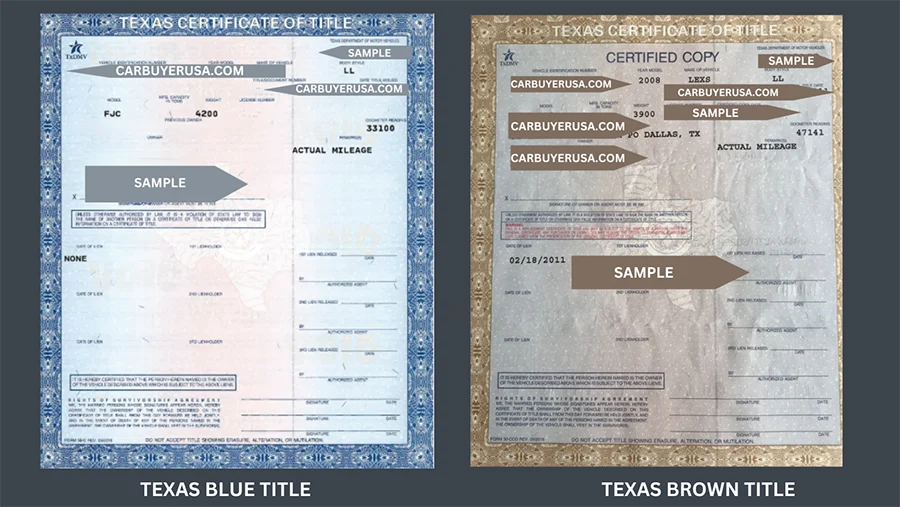
Verify Texas Department of Motor Vehicles (DMV) Records: Confirm all documentation with the Texas DMV. Ensure the title is properly issued as “rebuilt” and that there are no outstanding liens or issues. This helps prevent any legal headaches down the road.
In conclusion, while a rebuilt title vehicle in Texas can represent a more affordable entry point into vehicle ownership, it demands a heightened level of caution and scrutiny. For travelers planning extensive exploration of Texas, setting up a long-term accommodation, or simply seeking a reliable vehicle for daily life, understanding the journey of a salvage car to a rebuilt one, and meticulously checking its background, is not just advisable—it’s essential for a safe, financially sound, and ultimately enjoyable experience in the dynamic landscape of the Lone Star State. Making informed choices about your vehicle is just as important as selecting the perfect hotel or planning your next destination.