
California, a state synonymous with diverse landscapes, vibrant cities, and unparalleled travel experiences, is a mosaic of unique communities. For anyone planning a visit, considering a move, or simply exploring the Golden State, understanding its postal system, specifically the zip code, is far more than just a logistical detail. It’s a key that unlocks insights into everything from travel planning and accommodation choices to local culture and lifestyle nuances. A zip code in California isn’t merely a five-digit number; it’s a geographical identifier that profoundly influences how we experience and interact with this magnificent state.
Understanding the Basics: What Defines a California Zip Code?
At its core, a zip code, or Zone Improvement Plan code, is a system used by the United States Postal Service (USPS) to efficiently sort mail. However, its utility extends far beyond mail delivery, particularly in a sprawling state like California. For travelers, investors, and residents alike, understanding the structure and implications of these codes is crucial.
The Anatomy of a California Zip Code
The standard zip code is a five-digit number, with the first digit identifying a broad geographical area of the US. For California, these typically start with ‘9’. The subsequent digits narrow down the location:
- First Digit: Represents a group of US states. For California, this is predominantly ‘9’, though parts of Nevada and Oregon also share this prefix due to regional postal sorting centers.
- Second and Third Digits: These two digits, in conjunction with the first, denote a specific region within that group of states, often a large city or a major postal facility. For instance, the ’90’ prefix often points to areas within Southern California, including much of Los Angeles County.
- Fourth and Fifth Digits: These final two digits identify a more precise delivery area, such as a specific post office, a block of streets, or even a large building.
An extended Zip+4 code adds another four digits separated by a hyphen, providing even more specific location information, often down to a side of a street, an apartment building, or a specific department within a large organization. While primarily for postal efficiency, this granular detail can also be useful for pinpointing exact locations for services or deliveries in travel contexts.
Consider a zip code like 90210. The ‘9’ places it in the western US, ’90’ points to Southern California, and ‘902’ further refines it to the greater Los Angeles area. The ’10’ then specifies the luxurious neighborhood of Beverly Hills. This illustrates how quickly one can deduce the general characteristics of an area just by its zip code.

Historical Context and Evolution
The concept of zip codes was introduced in 1963 to manage the rapidly increasing volume of mail. Before then, mail sorting relied heavily on manual processes and local knowledge, which became unsustainable as populations grew and the postal service expanded. The introduction of standardized, numerical codes revolutionized mail delivery, making it faster and more reliable.
For California, a state that experienced immense population booms throughout the 20th century, the zip code system was particularly vital. From the Gold Rush era to the post-war industrial expansion and the rise of Silicon Valley, new communities, businesses, and industries emerged constantly. Each new development required postal service, and zip codes provided the framework for organizing this growth. Today, the USPS continuously updates and reconfigures zip code boundaries to reflect demographic shifts, urban development, and operational needs. This dynamic nature means that while the core system remains, the specific boundaries and associated services can evolve.
California Zip Codes in the World of Travel and Tourism
For the modern traveler, zip codes are indispensable tools that transcend their initial postal purpose. They act as geographical anchors, guiding everything from destination selection to booking the perfect hotel and immersing oneself in local culture.
Navigating California Destinations and Attractions
When planning a trip to California, zip codes serve as a precise method for identifying and exploring specific destinations and attractions. Imagine wanting to visit Disneyland Park in Anaheim. Knowing its zip code (92802) not only helps with GPS navigation but also allows you to search for nearby restaurants, shops, and other points of interest within that specific area. Similarly, if your goal is to marvel at the Golden Gate Bridge, searching for attractions around San Francisco‘s 94129 (part of the Presidio area where the bridge’s southern end is located) will yield relevant results for viewing points, parking, and associated activities.
Zip codes also help distinguish between different areas within a large metropolitan region. For instance, Los Angeles spans a vast area with numerous distinct neighborhoods. A traveler interested in the vibrant nightlife of West Hollywood might look for activities in zip codes like 90069, while someone seeking the beach culture of Santa Monica would focus on 90401 or 90403. This specificity allows tourists to tailor their experiences, ensuring they are in the heart of their desired atmosphere, whether it’s the historic charm of Old Town San Diego (92110) or the scenic vineyards of Napa Valley (e.g., 94558 for Napa city). Landmarks like the Hollywood Sign or the Griffith Observatory in Los Angeles are often associated with particular zip codes (90027 for the general Griffith Park area), helping visitors to plan access and nearby activities.
Finding the Perfect Accommodation: Hotels and Resorts
The role of zip codes in selecting accommodation cannot be overstated. When booking a hotel, resort, or vacation rental, the zip code is often a primary search filter. It allows travelers to target specific neighborhoods, proximity to attractions, or even types of environments. For example, a family traveling to San Diego might prioritize accommodation near Coronado (92118) for its beaches and family-friendly atmosphere, perhaps even eyeing a stay at the iconic Hotel del Coronado. In contrast, a business traveler might seek a hotel in downtown San Francisco (e.g., 94104 or 94105) for convenient access to the financial district.
Online travel agencies and booking platforms heavily leverage zip codes for search functionality. They enable users to:
- Filter by Location: Directly search for hotels within a specific zip code, ensuring proximity to a conference venue, a landmark, or a friend’s residence.
- Compare Prices: See how accommodation prices fluctuate across different zip codes, aiding in budget planning. A hotel in 90210 (Beverly Hills) like the Beverly Wilshire, A Four Seasons Hotel will likely be priced significantly higher than one in a less affluent Los Angeles zip code.
- Read Targeted Reviews: Pinpoint reviews specific to hotels in a certain area, providing more relevant insights into the local experience.
- Discover Amenities: Understand the types of amenities prevalent in a specific area, whether it’s luxury resorts with spas in 92629 (Dana Point), home to The Ritz-Carlton, Laguna Niguel, or boutique hotels in artsy districts.
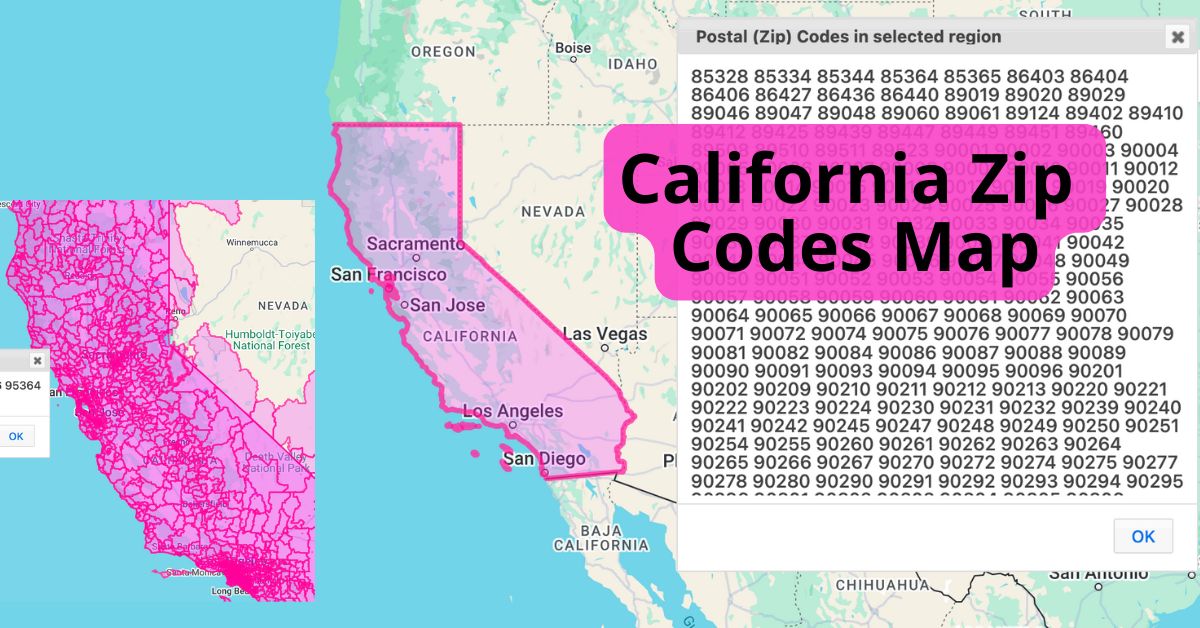
For those considering alternative accommodations like Airbnb or long-term rentals, zip codes are equally vital. They help delineate school districts, access to public transport, and local amenities, which are crucial for extended stays or family trips. Understanding the zip code allows travelers to make informed decisions that align with their itinerary, budget, and desired level of comfort, whether it’s a rustic cabin near Yosemite National Park (e.g., 95389 for Yosemite Valley) or a beachfront apartment in Santa Barbara (93101).
Exploring Local Culture and Cuisine
Zip codes often correlate strongly with distinct cultural enclaves and culinary scenes within California. For foodies and culture enthusiasts, a zip code can be a guide to authentic local experiences.
- Ethnic Enclaves: San Francisco’s 94133 zip code encompasses Chinatown and North Beach, areas rich in specific cultural traditions, historic landmarks like Coit Tower, and specialized cuisine. In Los Angeles, areas like 90005 (Koreatown) offer a distinct culinary journey.
- Farm-to-Table Experiences: In agricultural regions like the Central Valley or the wine regions, zip codes can help locate farmers’ markets, wineries (e.g., 94576 for Oakville in Napa Valley), and local eateries emphasizing regional produce.
- Art and Music Scenes: Specific zip codes are often hotbeds for artistic expression. Los Angeles’s Arts District (part of 90013) is known for its murals, galleries, and unique dining, distinct from the upscale shopping and dining of 90210.
- Historical Exploration: To delve into California’s past, zip codes help identify areas with significant historical sites. For instance, 94704 in Berkeley encompasses the University of California, Berkeley campus, a site of immense historical and cultural importance, particularly in the 1960s counterculture movement. Meanwhile, Alcatraz Island in San Francisco Bay is part of a San Francisco zip code 94123, linked to the Marina District.
By understanding the cultural tapestry mapped out by zip codes, travelers can move beyond generic tourist traps to discover authentic local experiences, whether it’s a hidden gem restaurant, a vibrant community festival, or a niche art gallery.

Beyond the Map: Lifestyle and Practical Applications
Zip codes extend their influence into the lifestyle aspects of travel, shaping decisions from luxury escapades to budget-friendly adventures and the practicalities of longer stays.
Budgeting and Luxury Travel Through Zip Codes
The correlation between a zip code and the cost of living or travel expenses is often striking.
- Luxury Destinations: Areas known for opulence, such as Beverly Hills (90210), Laguna Beach (92651), or Carmel-by-the-Sea (93921), naturally command higher prices for accommodation, dining, and activities. Travelers seeking luxury experiences might target a resort like Post Ranch Inn in Big Sur (93920) or The Parker Palm Springs in Palm Springs (92264), often starting their search with the specific zip code in mind.
- Budget-Friendly Options: Conversely, savvy budget travelers can use zip codes to identify more affordable areas that are still conveniently located. For example, staying slightly outside the main tourist hubs of San Francisco in a neighboring zip code or borough might yield significantly lower hotel rates while still offering easy public transport access to attractions like Fisherman’s Wharf (94133). Similarly, in Los Angeles, exploring areas a few miles inland from the coast might reveal more economical choices than beachfront properties in Malibu (90265) or Venice Beach (90291).
- Cost of Services: Beyond accommodation, the cost of services, from car rentals to tours and even basic groceries, can vary significantly by zip code. Being aware of these differences helps travelers manage their overall trip budget effectively.
For families, zip codes can indicate areas with family-friendly attractions, parks, and dining options, sometimes at more accessible price points than adult-centric luxury districts. For instance, Orange County zip codes like those around Huntington Beach (92648) offer a different, often more casual, family-oriented beach lifestyle compared to the exclusive enclaves further south.
Business Stays and Long-Term Accommodation
For business travelers or those planning long-term stays, zip codes become critical for logistical and practical reasons.
- Proximity to Business Centers: A business traveler heading to Silicon Valley would target hotels and corporate apartments in zip codes like 95110 (San Jose downtown) or 94043 (Mountain View) to minimize commute times to tech campuses. Similarly, for Sacramento, staying in 95814 or 95811 places one close to government offices and the state capitol.
- Rental Market Analysis: Individuals looking for long-term accommodation, whether for a temporary work assignment or relocation, use zip codes to research rental prices, availability, and neighborhood demographics. Rental platforms provide detailed information by zip code, allowing users to compare average rents for apartments or houses in different areas of San Francisco, Los Angeles, or San Diego.
- Access to Amenities: For extended stays, access to essential amenities like grocery stores, gyms, healthcare facilities, and good schools (for families) is paramount. Zip codes help in identifying areas that meet these specific lifestyle requirements. A digital nomad might prioritize a zip code known for its co-working spaces and vibrant café culture, such as parts of Oakland (e.g., 94612) or downtown Santa Cruz (95060).
The Future of California Zip Codes in Digital Travel
As technology advances, the application of zip codes in the travel and tourism industry will only become more sophisticated.
- Personalized Recommendations: AI-powered travel platforms will likely use zip code data, combined with user preferences, to offer highly personalized recommendations for hotels, activities, and dining, tailored to specific micro-climates, cultural vibes, and price points within California.
- Dynamic Pricing: Airlines, hotels, and ride-sharing services already utilize dynamic pricing based on demand and location. Zip codes will continue to play a crucial role in segmenting these markets and optimizing pricing strategies.
- Hyperlocal Experiences: The desire for authentic, hyperlocal experiences is growing. Zip codes will facilitate the discovery of hidden gems, local events, and community-driven activities that might otherwise be overlooked by broad geographical searches. Imagine being able to search for specific farmers’ markets, craft breweries, or art fairs operating only within a particular San Luis Obispo (93401) zip code.
- Emergency Services and Safety: While not directly travel-related, zip codes are fundamental for emergency services, and travelers can use this information indirectly for peace of mind, researching local crime rates or the proximity of hospitals within a given area.
In conclusion, a zip code for California is much more than a simple postal address. It is a powerful navigational tool, a socio-economic indicator, and a gateway to understanding the diverse tapestry of the Golden State. From planning an epic road trip along Highway 1 to finding a secluded boutique hotel in Ojai (93023) or a lively beachfront resort on the Santa Monica Pier (90401), mastering the utility of California’s zip codes can significantly enhance any travel experience, transforming a generic journey into a finely tuned adventure.
LifeOutOfTheBox is a participant in the Amazon Services LLC Associates Program, an affiliate advertising program designed to provide a means for sites to earn advertising fees by advertising and linking to Amazon.com. Amazon, the Amazon logo, AmazonSupply, and the AmazonSupply logo are trademarks of Amazon.com, Inc. or its affiliates. As an Amazon Associate we earn affiliate commissions from qualifying purchases.