
Alaska, the largest state in the United States by area, often evokes images of vast, untamed wilderness, towering mountains, and incredible wildlife. With a landmass exceeding 663,000 square miles, it’s a state defined by its grandeur and remoteness. So, what is Alaska’s population amidst all this expanse? As of recent estimates (typically 2023-2024), the population of Alaska hovers around 733,000 to 735,000 residents. This figure might seem surprisingly low, especially when compared to the country’s more densely populated states. To put it in perspective, this means Alaska is one of the least populous states in the United States, boasting an average population density of just over one person per square mile. This statistic isn’t just a number; it’s a fundamental aspect that shapes the state’s unique lifestyle, economy, infrastructure, and perhaps most importantly, its tourism appeal.

The story of Alaska’s population is a narrative deeply intertwined with its challenging yet captivating environment. From the bustling streets of Anchorage to the remote Inupiat villages north of the Arctic Circle, every resident contributes to the vibrant, resilient tapestry of the Last Frontier. For travelers, understanding this demographic reality offers a profound insight into what makes an Alaskan experience so distinct, from the unparalleled solitude of its national parks to the close-knit communities found in its towns.
The Numbers Behind the Last Frontier
Delving deeper into Alaska’s population reveals more than just a raw count; it uncovers the dynamic forces that govern life in this extraordinary land. The state’s demographic profile is a mosaic of diverse cultures, age groups, and settlement patterns, all influenced by its geography and economic drivers.
Current Population Snapshot
With approximately 733,000 to 735,000 residents, Alaska consistently ranks among the states with the smallest populations. This relatively stable number reflects a unique balance of internal migration, birth rates, and external economic factors. While the United States as a whole has seen consistent population growth, Alaska often experiences fluctuations, sometimes showing slight declines or slow growth. This ebb and flow are largely tied to its primary industries, such as oil and gas, fishing, and increasingly, tourism. When these sectors thrive, they attract new residents seeking economic opportunities; when they face downturns, some residents may choose to relocate.
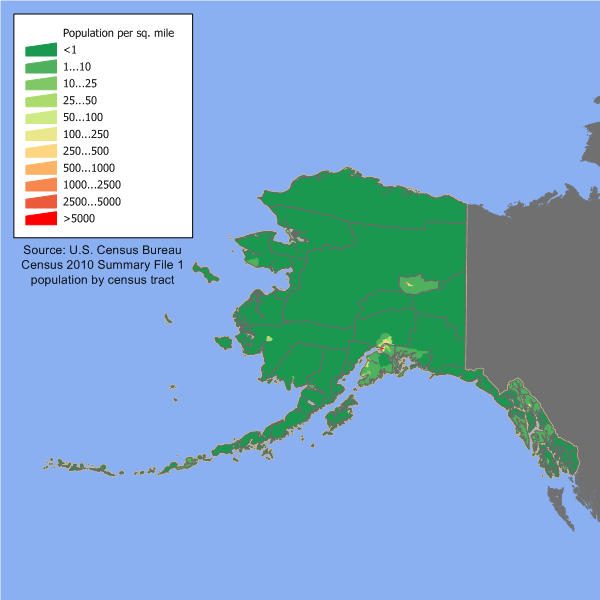
The majority of Alaska’s population is concentrated in a few key urban areas. Anchorage stands out as the largest city, home to over 280,000 people, representing more than a third of the state’s total population. Other significant population centers include Fairbanks in the interior, and the state capital, Juneau, a city uniquely accessible primarily by air or sea. Beyond these hubs, towns and villages are scattered across immense distances, often connected by air taxis or seasonal ferry services rather than roads, underscoring the logistical challenges of living in such a vast and rugged landscape.
Demographic Tapestry
Alaska’s demographic composition is incredibly rich and diverse, a reflection of its history and its welcoming, albeit challenging, environment. A significant portion of the population identifies as non-Hispanic White, but Alaska also boasts the highest percentage of Alaska Native and American Indian residents of any U.S. state. These indigenous groups, including the Inupiat, Yup’ik, Athabascan, Tlingit, Haida, and Tsimshian peoples, have deep historical roots in the land, contributing immensely to the state’s cultural heritage and distinct identity. Their traditions, languages, and art forms are integral to the Alaskan experience.
Beyond indigenous populations, Alaska is also home to a diverse mix of other ethnic groups, drawn by opportunities in various industries or simply by the allure of a unique lifestyle. This multiculturalism enriches the local communities, evident in the diverse culinary scenes, festivals, and social structures across the state. The age distribution in Alaska tends to be younger than the national average, partly due to the presence of military bases and a workforce often attracted by specific job prospects in resource extraction. This youthful energy contributes to a vibrant, forward-looking ethos that balances reverence for tradition with a pioneering spirit.
Population Dynamics and Alaska’s Unique Appeal
The distribution and composition of Alaska’s population are not random; they are a direct consequence of its geography, resources, and the unique challenges and opportunities presented by the environment. Understanding these dynamics helps paint a clearer picture of why certain areas thrive while others remain sparsely populated, and how this affects everything from infrastructure to the very nature of tourism.
Urban Centers vs. Remote Wilderness
The vast majority of Alaskans reside in a handful of urban areas, leaving immense swaths of the state virtually uninhabited. Anchorage, as the economic and transportation hub, serves as the gateway for most visitors entering the state. Its population density and amenities, including a range of hotels and resorts like the Hotel Captain Cook or the Marriott Anchorage Downtown, make it a comfortable starting point for many adventures. Fairbanks, further north, is known for its proximity to the Arctic Circle and as a prime spot for viewing the Northern Lights. Juneau, the capital, is nestled between mountains and water, accessible only by air or sea, giving it a distinct small-town feel despite its governmental importance.
Beyond these centers, life in Alaska transforms dramatically. Hundreds of small, often indigenous, villages dot the landscape, many lacking road access to the outside world. These communities, some with populations of only a few dozen, are crucial for preserving traditional Alaska Native cultures and subsistence lifestyles. For travelers, visiting these remote areas, often via specialized expedition cruises or bush planes, offers an unparalleled glimpse into authentic Alaskan life, far removed from typical tourist trails. The contrast between these remote settlements and the more developed urban centers is a defining characteristic of the Alaskan human landscape.
The Economic Pull: Industries and Opportunities
Alaska’s population is heavily influenced by its resource-based economy. The oil and gas industry, particularly around the North Slope and the Prudhoe Bay Oil Field, has historically been a significant driver of population growth and economic prosperity, attracting skilled workers from across the United States and beyond. While its dominance has shifted, it remains a vital sector.
The fishing industry, concentrated along the state’s extensive coastline in places like Kodiak, Dutch Harbor, and Petersburg, also draws a seasonal workforce, impacting population numbers during peak fishing seasons. These industries provide high-paying jobs but can also lead to transient populations, as workers move in and out of the state based on economic cycles.
Increasingly, tourism has become a cornerstone of Alaska’s economy. The appeal of its natural beauty and adventure opportunities attracts millions of visitors annually, supporting a growing service sector. This has led to the development of tourism infrastructure, including more hotels, tour operators, and specialized accommodations in popular destinations like Seward, Talkeetna, and Skagway. The growth of tourism-related jobs provides new opportunities for residents and helps diversify the state’s economy, contributing to a more stable, though still relatively small, permanent population.
The Impact of Population on Travel and Tourism
For travelers, Alaska’s sparse population is not a drawback; it is, in fact, one of its greatest assets. It directly shapes the types of experiences available, the accessibility of its wonders, and the unique charm of its communities.
Experiencing Alaska’s Vastness
The low population density means that immense areas of Alaska remain pristine and undeveloped, offering unparalleled opportunities for wilderness exploration. National parks like Denali National Park and Preserve, Kenai Fjords National Park, and Glacier Bay National Park and Preserve are not just protected areas; they are vast ecosystems where wildlife roams freely and human impact is minimal. Here, a trip might involve hours without seeing another soul, fostering a profound connection with nature that is rare in the modern world. This sense of solitude and grandeur is precisely what draws many to Alaska.
This vastness also influences the types of travel available. Cruise tourism along the Inside Passage is popular, offering comfortable ways to witness glaciers and marine wildlife without requiring extensive ground travel into the interior. For those seeking deeper immersion, specialized adventure travel such as bear viewing at Katmai National Park and Preserve, fly-fishing in remote rivers, or backcountry hiking requires careful planning and often relies on local guides and small, specialized operators. The limited population means that services in these remote areas are often bespoke and highly personalized, providing an authentic, high-quality experience.
Infrastructure and Accessibility
The sparse population presents unique challenges and solutions for Alaska’s infrastructure. Road networks are extensive in some regions, particularly around Anchorage and Fairbanks, but large parts of the state are simply unreachable by car. This is where air travel becomes paramount. Bush planes and small aircraft are the lifelines for many remote communities and wilderness lodges, ferrying supplies, mail, and people. Understanding this dependence on air travel is key for visitors planning trips to off-the-beaten-path destinations.
Accommodation options reflect the population distribution. In urban centers, you’ll find a range of familiar hotel brands, from budget-friendly hotels to luxury resorts. However, as you venture into more remote areas, accommodation often shifts to unique wilderness lodges, cozy bed and breakfasts, or rustic cabins, many of which offer an immersive, intimate experience with their surroundings. These establishments are often independently owned and operated, embodying the spirit of Alaskan hospitality. The limited number of such accommodations means that booking well in advance, especially during the peak summer season, is crucial for securing a spot in these sought-after locations.
Lifestyle in the Great North: What Attracts and Sustains?
Beyond the numbers, Alaska’s population is defined by a distinct lifestyle and culture. It’s a place that attracts individuals seeking adventure, self-reliance, and a deep connection to the natural world. This lifestyle not only sustains its current residents but also shapes the experience for those who visit.
A Life Unparalleled
Living in Alaska is often seen as a choice for a unique lifestyle. Residents embrace the outdoors year-round, whether it’s dog mushing, ice fishing, skiing, hiking, or wildlife viewing. The natural environment isn’t just a backdrop; it’s an integral part of daily life. This strong connection to nature fosters a sense of community and resilience, as people often rely on each other to navigate the challenges of living in a rugged environment. The cost of living in Alaska, particularly for essentials like groceries and heating fuel, can be higher than in the contiguous United States due to transportation costs. However, this is often offset by higher wages in certain sectors and the absence of a state sales tax or income tax.
The unique character of Alaskan communities, from the small fishing town of Ketchikan with its vibrant Tlingit culture to the historic Russian settlement of Sitka, reflects the diverse histories and populations. These towns offer a blend of modern amenities and traditional practices, providing a fascinating insight into local culture for visitors. The Alaska Native Heritage Center in Anchorage provides an excellent overview of the various indigenous groups and their enduring traditions.
Future Trends: Population Projections and Sustainability
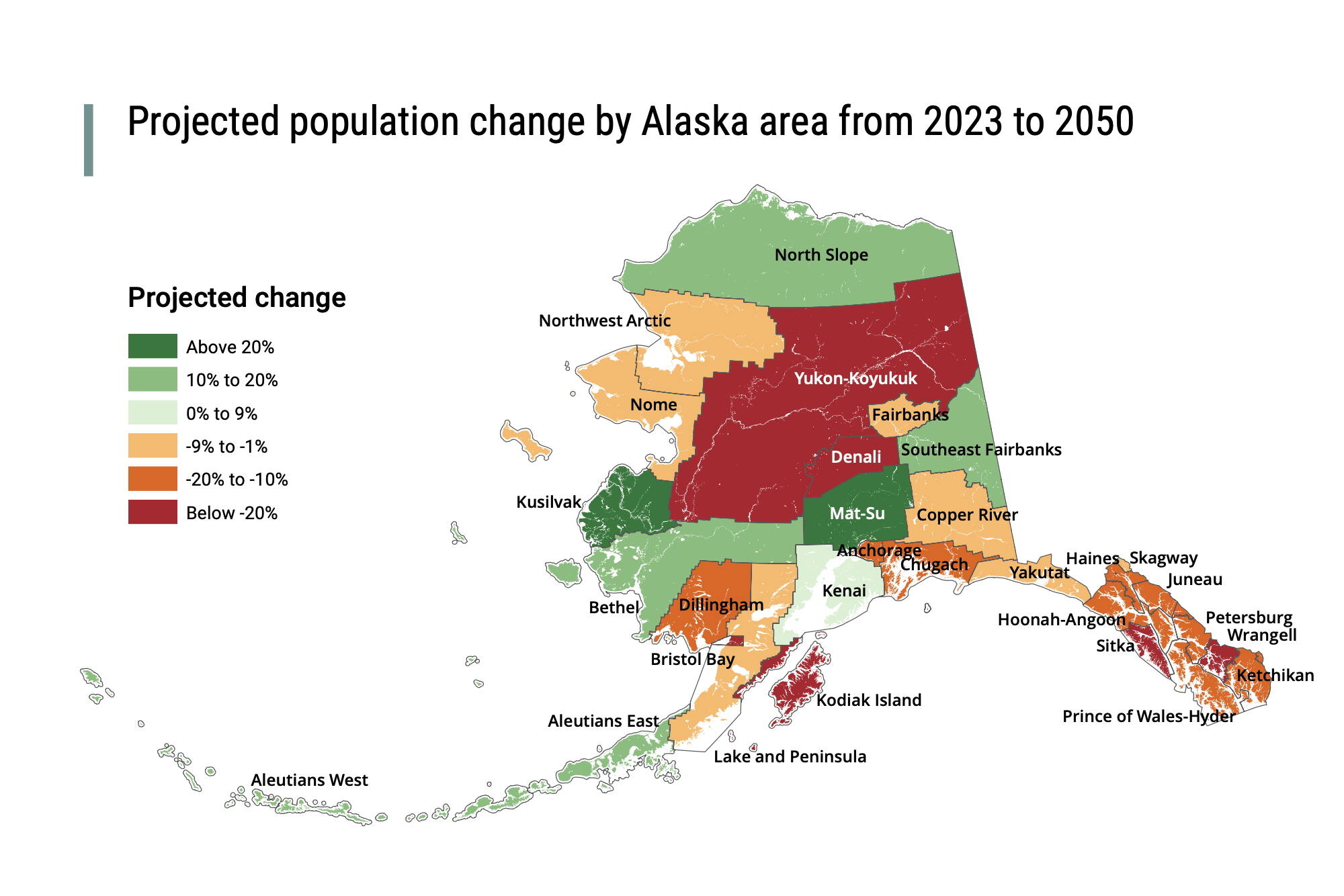
Looking ahead, Alaska’s population is projected to remain relatively stable, with modest growth or slight declines depending on economic cycles and global trends. The future of Alaska’s population will undoubtedly be influenced by critical factors such as climate change, which disproportionately impacts the Arctic region and affects traditional livelihoods, especially for Alaska Native communities. Sustainable resource management, including responsible tourism practices, will be crucial in ensuring that Alaska can support its residents and continue to attract visitors who cherish its pristine environment.
Efforts to diversify the economy beyond oil and gas, with a greater emphasis on tourism, renewable energy, and technology, could help stabilize and potentially grow the population. As awareness of climate change grows, Alaska also faces the challenge and opportunity of becoming a leader in environmental science and sustainable living, attracting new residents drawn by these values. For travelers, understanding these future trends adds a layer of depth to their visit, encouraging responsible engagement with the local environment and communities.
In conclusion, Alaska’s relatively small population of around 733,000 to 735,000 is far more than just a number; it is a defining characteristic that shapes every facet of this extraordinary state. From the vast, uninhabited wilderness that beckons adventurers to the close-knit communities that uphold unique traditions, the low population density ensures that Alaska remains a place of unparalleled natural beauty and authentic experiences. For anyone considering a trip to the Last Frontier, this demographic reality underscores the profound sense of solitude, the intimate connection with nature, and the genuine hospitality that awaits. It’s a testament to a place where human presence is cherished, and the wild reigns supreme, offering a journey unlike any other.
LifeOutOfTheBox is a participant in the Amazon Services LLC Associates Program, an affiliate advertising program designed to provide a means for sites to earn advertising fees by advertising and linking to Amazon.com. Amazon, the Amazon logo, AmazonSupply, and the AmazonSupply logo are trademarks of Amazon.com, Inc. or its affiliates. As an Amazon Associate we earn affiliate commissions from qualifying purchases.