
Colorado Springs, nestled at the base of the majestic Pikes Peak, is renowned for its stunning natural beauty and outdoor adventure. One of its most defining characteristics, however, is its elevation. Understanding the altitude of Colorado Springs is crucial for visitors planning their trip, especially those coming from sea level. This high-altitude environment influences everything from the climate and the landscape to the physical experience of exploring its many attractions.
The Elevation Advantage: Understanding Colorado Springs’ High Altitude
The primary defining factor of Colorado Springs is its significant elevation. Situated at an average of 6,035 feet (1,839 meters) above sea level, the city offers a distinct high-altitude experience. This elevation is not a uniform number across the entire city; some areas, particularly those closer to the foothills of the Rocky Mountains, can be even higher. This consistent elevation has shaped the region’s climate, flora, and fauna, and it plays a vital role in the health and wellness aspects that draw many to Colorado Springs.
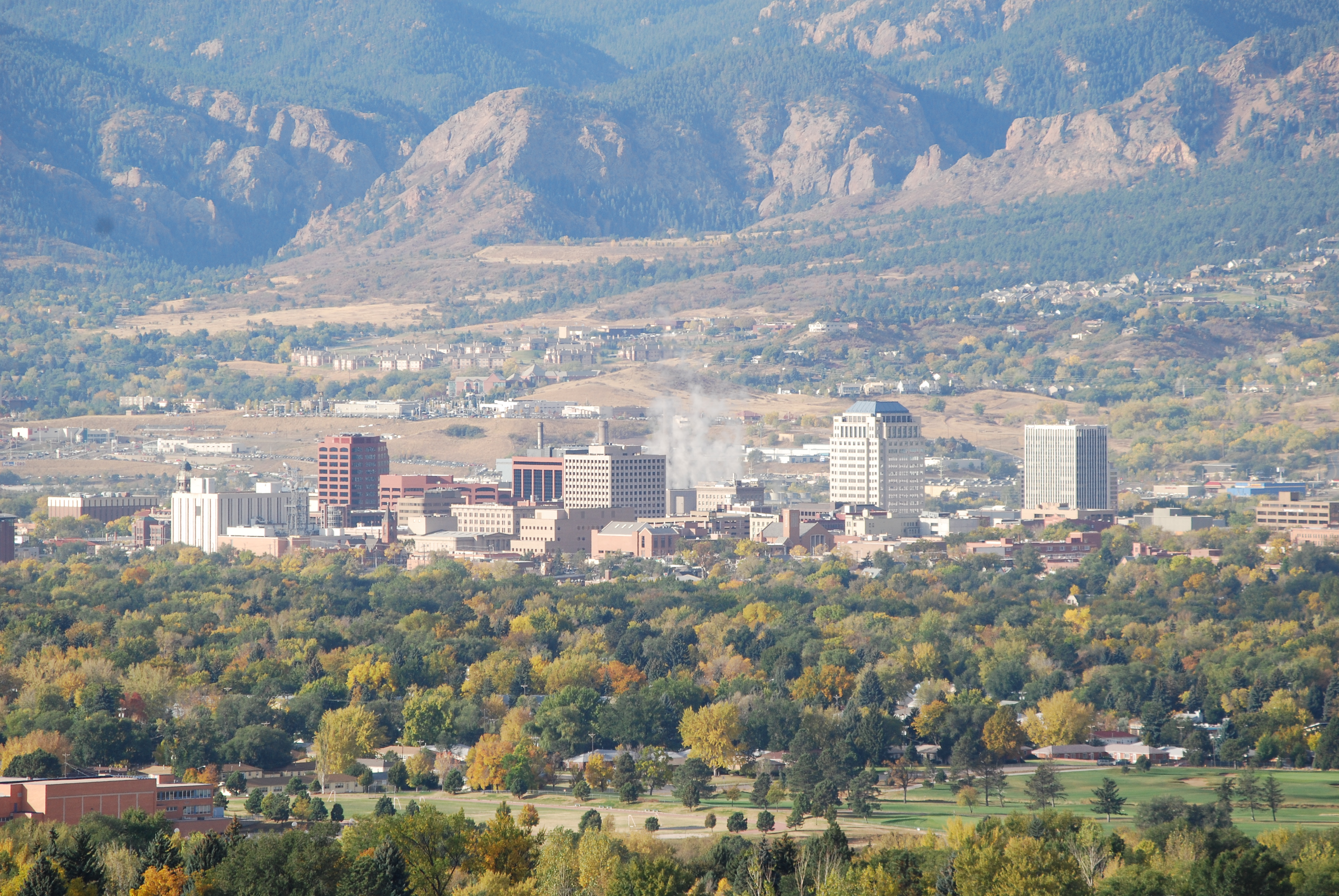
The geographical position of Colorado Springs places it in a unique zone where the plains transition into the mountains. This transition results in dramatic landscapes and diverse ecosystems. For travelers, this means experiencing crisp, clean air and breathtaking panoramic views that are characteristic of elevated destinations. However, it also means being mindful of the physiological effects of thin air.
Understanding Altitude Sickness
For many visitors, particularly those unaccustomed to high elevations, the altitude can present challenges. Altitude sickness, also known as acute mountain sickness (AMS), is a collection of symptoms that can occur when ascending to higher altitudes too quickly. These symptoms can range from mild discomfort to severe, life-threatening conditions.
Symptoms and Prevention
Common symptoms of altitude sickness include headaches, nausea, dizziness, fatigue, and shortness of breath. These symptoms typically appear within 12 to 24 hours of arrival at a higher elevation. The severity of these symptoms can vary greatly from person to person and depends on factors such as the individual’s fitness level, hydration, and how quickly they ascended.
To mitigate the risk of altitude sickness, several preventative measures are highly recommended:
- Acclimatization: The most effective way to combat altitude sickness is to allow your body time to adjust. Spend your first day or two in Colorado Springs engaging in light activities and avoiding strenuous exertion.
- Hydration: Drink plenty of water. The dry mountain air can dehydrate you quickly, exacerbating altitude-related symptoms. Avoid excessive caffeine and alcohol, as they can contribute to dehydration.
- Diet: Eat light, easily digestible meals. Avoid heavy, fatty foods.
- Pacing: Don’t push yourself too hard, especially on your first few days. Listen to your body and rest when you feel tired.
- Medication: In some cases, your doctor may recommend medications like acetazolamide to help prevent or treat altitude sickness.
Recognizing the signs and taking proactive steps can ensure that your visit to Colorado Springs is enjoyable and safe, allowing you to fully appreciate its high-altitude wonders.
Exploring Colorado Springs: Attractions Shaped by Altitude
The elevation of Colorado Springs profoundly influences its most iconic attractions, offering unique experiences that are intrinsically linked to its high-altitude setting. From geological marvels to recreational activities, the altitude plays a key role in what makes this city a remarkable destination.
Natural Wonders and Geological Formations
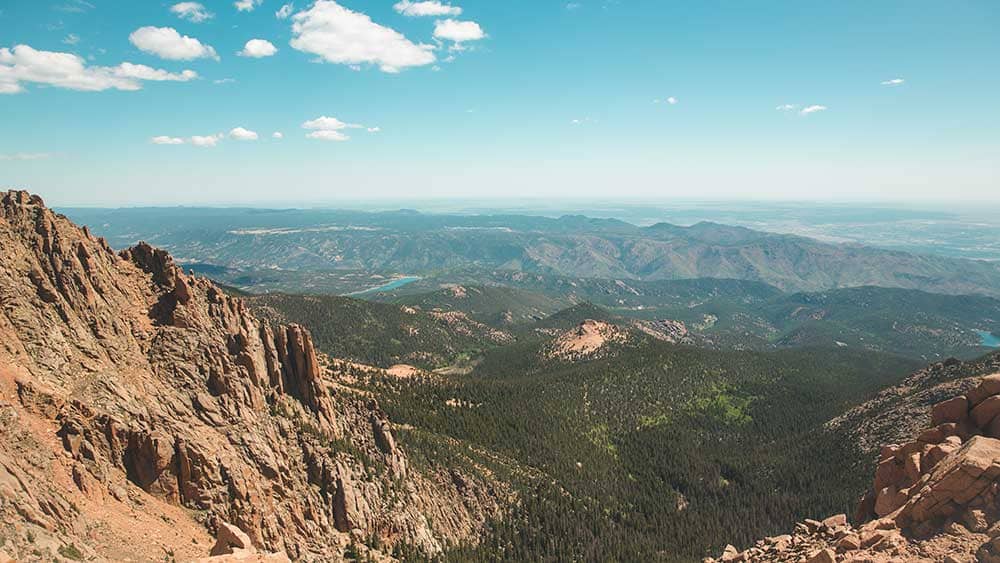
The most famous landmark, Pikes Peak, stands as a testament to the region’s elevation. This 14,115-foot (4,302-meter) fourteener offers breathtaking views for those who reach its summit. Visitors can drive, take a cog railway, or hike their way to the top, experiencing a dramatic change in environment as they ascend. The journey itself is an adventure, showcasing the varied ecosystems that exist at different altitudes surrounding Colorado Springs.
Another significant natural attraction is Garden of the Gods Park. This iconic park features towering red rock formations sculpted over millions of years by erosion. While the park is at a lower elevation than Pikes Peak, its setting at the foot of the mountains contributes to the dramatic scenery. The crisp, clear air at 6,400 feet (1,951 meters) within the park enhances the visual spectacle of the rock formations against the azure sky. Hiking, rock climbing, and photography are popular activities here, all enhanced by the refreshing mountain air.
Cheyenne Mountain Zoo, the only mountain zoo in the United States, is also a product of its elevated location. Situated on the slopes of Cheyenne Mountain, the zoo offers unique viewing perspectives and a cooler climate for its animals. Its terraced layout provides stunning city views, a constant reminder of the elevation from which you are observing.
Outdoor Recreation and High-Altitude Activities
The high-altitude environment of Colorado Springs makes it a prime destination for outdoor enthusiasts. Hiking and biking trails abound, winding through varied terrain from arid plains to forested mountain slopes. Popular trails like those in Palmer Park, which also boasts impressive rock formations at an elevation of around 6,000 feet (1,829 meters), offer accessible yet challenging outdoor experiences.
For those seeking more adrenaline-fueled activities, rock climbing and mountain biking are immensely popular. The rugged landscape provides ample opportunities for these pursuits. Even casual activities like walking or picnicking are enhanced by the invigorating, thinner air.
For athletes and fitness enthusiasts, Colorado Springs is a recognized high-altitude training center. Many professional athletes choose to train here to improve their aerobic capacity and performance at lower elevations. The city’s altitude provides a natural advantage for honing endurance and strength.
Accommodation and Lifestyle in High-Altitude Colorado Springs
The unique altitude of Colorado Springs shapes not only its natural attractions but also the lifestyle and accommodation options available to residents and visitors alike. From luxury resorts offering acclimatization services to budget-friendly stays, the city caters to diverse needs while embracing its high-altitude identity.
Hotels and Resorts: Comfort at Elevation
When visiting Colorado Springs, choosing the right accommodation can significantly impact your comfort and overall experience, especially concerning altitude. Many hotels and resorts are strategically located to offer convenient access to attractions while also providing amenities that can help guests adjust to the elevation.
For those seeking a luxurious experience, resorts like The Broadmoor offer not just opulent suites and world-class amenities but also a serene environment conducive to relaxation and acclimatization. Properties often provide information and resources to help guests understand and manage the effects of high altitude. Some may even offer specialized services or packages for guests prioritizing comfort and well-being at elevation.
Travelers looking for more practical and budget-friendly options will find a wide range of hotels, motels, and vacation rentals throughout the city. While these may not offer the same level of pampering as a luxury resort, they provide comfortable bases for exploring the numerous attractions. When booking, it’s always wise to consider the specific elevation of the accommodation and its proximity to activities you plan to undertake. Websites offering hotel comparisons can help in finding suitable options that balance cost, location, and amenities.

Lifestyle and Practical Tips for Visitors
The lifestyle in Colorado Springs is deeply intertwined with its natural surroundings and high-altitude setting. The emphasis on outdoor activities, health, and wellness is palpable. Residents and visitors alike embrace the active lifestyle, whether it’s hiking in Red Rock Canyon Open Space, cycling along the Santa Fe Trail, or simply enjoying the stunning vistas from a local park.
For visitors, adopting a relaxed pace upon arrival is key. The allure of immediate exploration might be strong, but prioritizing rest and hydration in the initial hours and days will significantly improve the acclimatization process. This proactive approach allows for a more enjoyable and immersive experience of Colorado Springs‘ unique high-altitude charm. Whether you are planning a luxury getaway, a family trip, or a solo adventure, understanding and respecting the altitude will unlock the full potential of this magnificent mountain city.