
Florida is renowned globally as a top-tier destination, a vibrant tapestry woven with sun-drenched beaches, world-famous theme parks, serene natural reserves, and bustling metropolitan hubs. From the family-friendly allure of Orlando and the luxurious coastal retreats of Miami to the historic charm of St. Augustine and the tranquil beauty of the Florida Keys, the Sunshine State offers an unparalleled array of experiences for every traveler. Tourists flock here for unforgettable vacations, families consider it for idyllic long-term stays, and investors eye its dynamic real estate market for villas and resorts. Yet, beneath the surface of its dazzling attractions and resort amenities, Florida is also a state with a dynamic civic landscape, shaped by its evolving policies and the active participation of its citizens. One such significant development that has profoundly impacted its social fabric is Amendment 4, a measure that fundamentally reshaped voting rights for hundreds of thousands of Floridians. While not directly linked to booking your next hotel suite or planning an itinerary to a famous landmark, understanding such civic shifts offers a deeper insight into the local culture and lifestyle that defines a destination, enriching the overall experience for anyone considering Florida as a place to visit, live, or simply understand.
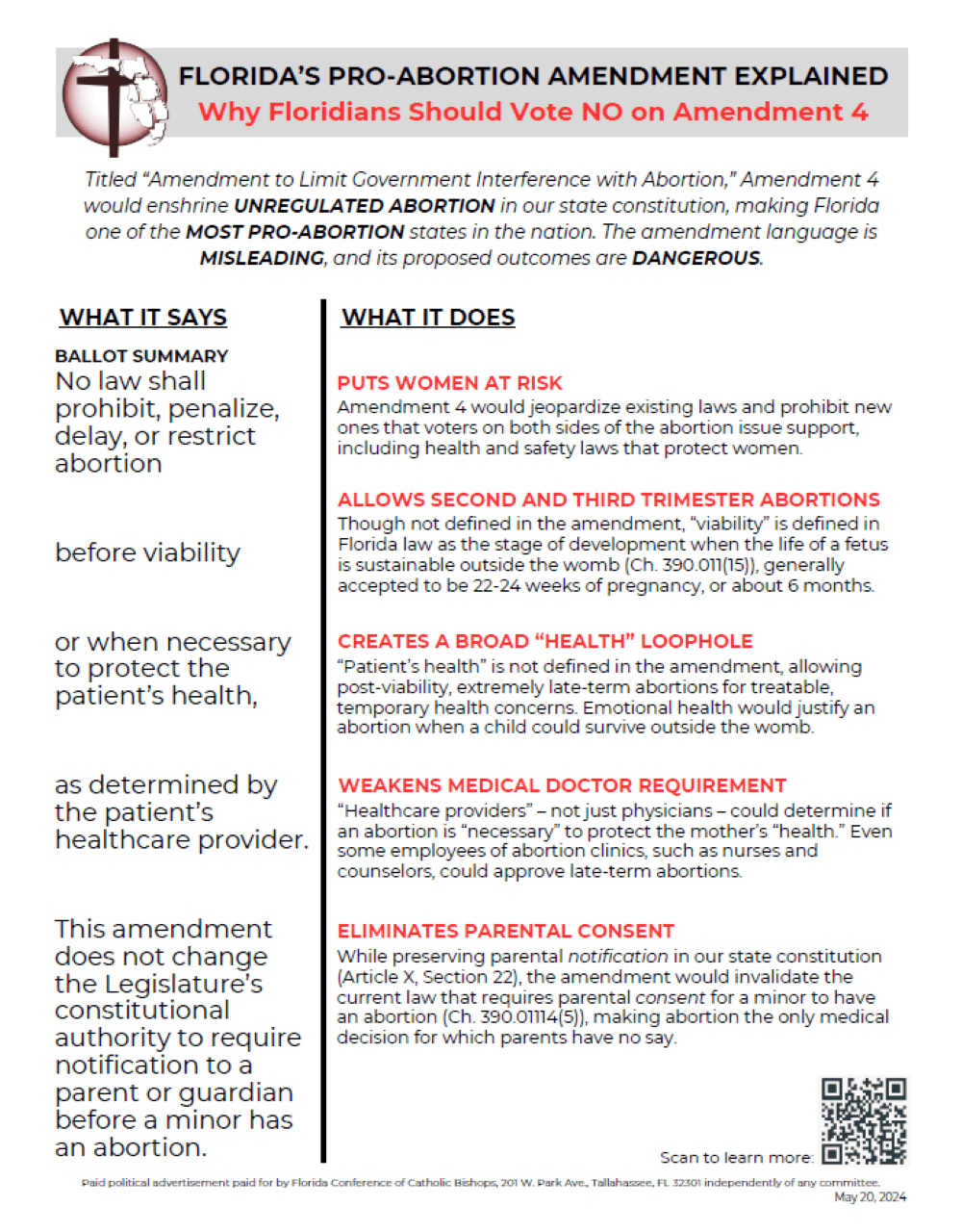
Unpacking Amendment 4: A Landmark in Florida’s Civic Landscape
Amendment 4, often affectionately referred to by its proponents as the “Restore Your Rights” amendment, marked a pivotal moment in Florida’s history when it was passed by voters in November 2018. This ballot initiative aimed to fundamentally alter the state’s approach to the civic re-integration of individuals with felony convictions. Prior to its passage, Florida stood as one of the few states in the nation that imposed a lifetime ban on voting for most individuals with felony convictions, unless they underwent a lengthy, often inconsistent, and rarely successful clemency process overseen by the governor and cabinet. This system effectively disenfranchised a substantial portion of the population, limiting their full participation in the democratic process even after completing their sentences.
The core intent of Amendment 4 was to automatically restore the voting rights of most Floridians with felony convictions once they had completed all terms of their sentences. This included parole or probation, representing a significant philosophical shift from perpetual punishment to civic re-engagement and community reintegration. The amendment was designed to be straightforward: once someone served their time, they should, in most cases, regain their right to vote, thereby becoming full participants in the democratic life of their communities. This measure was seen by many as a vital step towards fairness, equity, and reducing recidivism by giving individuals a stronger stake in their communities.
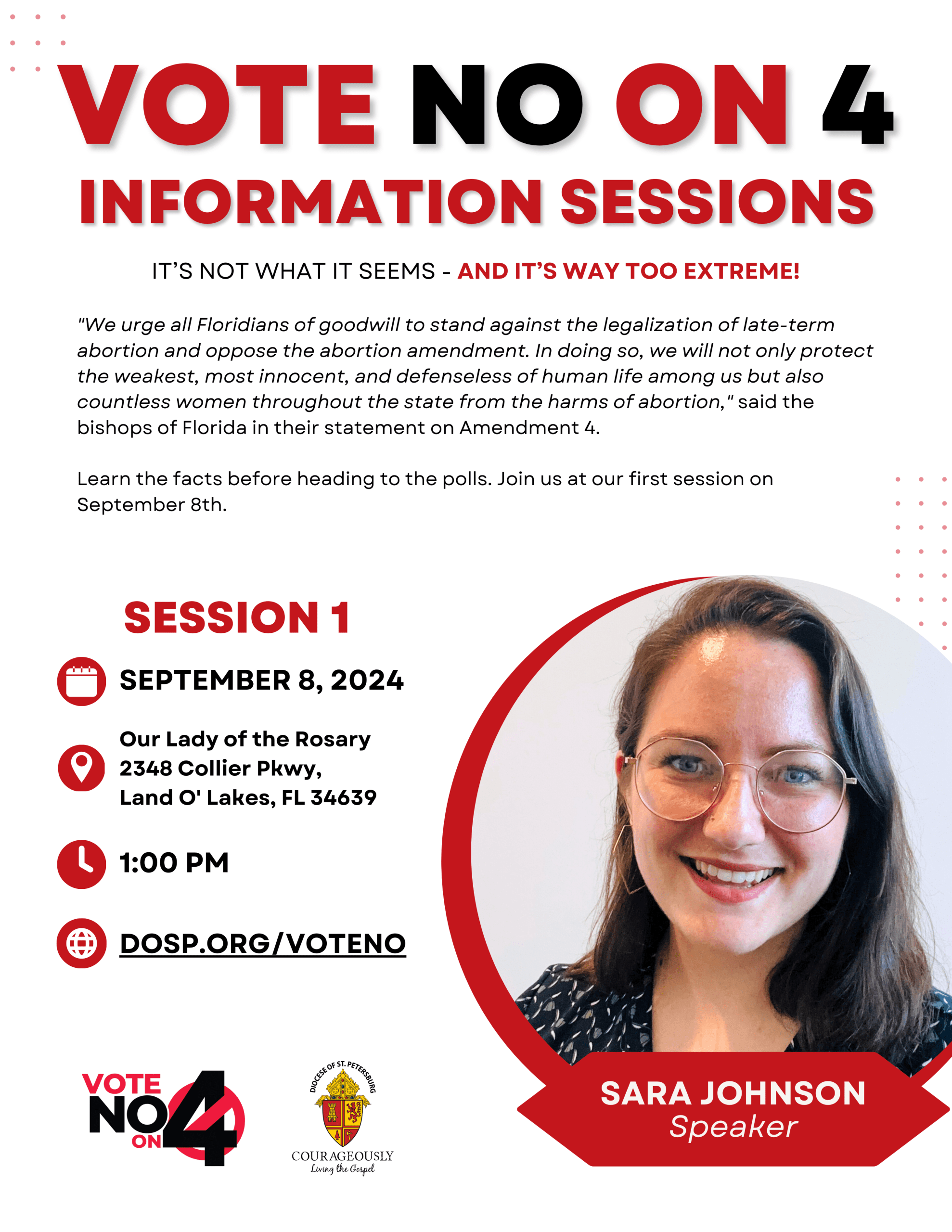
However, it’s crucial to note that Amendment 4 was not universally applicable to all felony convictions. The amendment explicitly carved out exceptions for individuals convicted of murder or felony sexual offenses. For these specific, severe crimes, the traditional, more arduous clemency process through the governor and cabinet would still be required for any hope of voting rights restoration. This caveat reflected a balance, aiming to address concerns about public safety while still moving towards broader rights restoration for the majority of felony convictions. The passage of Amendment 4 was a testament to the power of direct democracy, showing how engaged citizens can significantly alter the legal and social landscape of their state, impacting the very definition of local culture and community engagement for years to come.
The Road to Restoration: Before and After Amendment 4
To truly appreciate the magnitude of Amendment 4, it’s essential to understand the system it replaced. For over a century, Florida maintained some of the strictest felon disenfranchisement laws in the United States. A felony conviction meant a permanent loss of voting rights, a civil death sentence in terms of civic participation. The only path to restoration was through the Florida Executive Clemency Board, a process that was notoriously opaque, politically charged, and extremely slow. Applicants often waited years, if not decades, for their cases to be reviewed, with a significant number never receiving a favorable decision. This effectively meant that hundreds of thousands of otherwise law-abiding citizens, who had completed their prison sentences and parole, remained unable to cast a ballot in elections that directly impacted their lives and communities.
This prior system drew considerable criticism from civil rights advocates, legal scholars, and international observers, who argued it perpetuated a cycle of marginalization and hindered successful reintegration into society. It was viewed as an archaic vestige of post-Reconstruction era laws, disproportionately affecting minority communities and contributing to a sense of disenfranchisement that ran counter to modern democratic ideals. The argument was that when individuals complete their debt to society, they should be fully welcomed back into the community, and that includes the fundamental right to vote.

With the passage of Amendment 4, the paradigm shifted dramatically. The new law promised automatic restoration of voting rights for most felony convictions upon completion of all terms of the sentence. This change represented a fundamental belief in rehabilitation and the power of second chances. It recognized that once an individual has paid their dues, they have a vested interest in the future of their community and should have the right to help shape it. This move was not just about voting; it was about acknowledging an individual’s full personhood and empowering them to be active citizens, a crucial element in building robust and inclusive local cultures. For those considering long-term stays or even just wanting to understand the social dynamics of Florida, this shift signals a state grappling with profound questions of justice, redemption, and civic participation, adding a layer of depth beyond its renowned tourist attractions and luxurious accommodations.
Navigating the Legal Labyrinth: Fines, Fees, and Future Challenges
Despite the overwhelming voter approval, the implementation of Amendment 4 was far from straightforward, quickly becoming entangled in a complex web of legal challenges and legislative interpretations. Following the amendment’s passage, the Florida Legislature stepped in to clarify its provisions, leading to the enactment of Senate Bill 7066 in 2019. This bill stipulated that the phrase “completion of sentence” — a crucial determinant for rights restoration under Amendment 4 — included not only incarceration, probation, and parole, but also the payment of all court-ordered fines, fees, and restitution associated with the conviction.
This legislative interpretation immediately ignited a firestorm of controversy. Critics argued that adding financial obligations to the definition of “sentence completion” effectively created a new “poll tax.” They contended that this provision disproportionately impacted individuals from lower socioeconomic backgrounds, who often struggle to pay off substantial court debts, thereby disenfranchising them anew. Opponents of SB 7066 argued that it undermined the spirit and intent of the original Amendment 4, which voters had overwhelmingly supported, by erecting financial barriers that prevented hundreds of thousands of eligible Floridians from regaining their voting rights. Lawsuits swiftly followed, challenging the constitutionality of the legislature’s interpretation, with many arguing it violated both the equal protection clause and the prohibition against poll taxes.
The legal battle culminated in a landmark ruling by the Florida Supreme Court in 2020. The court upheld the legislature’s interpretation, affirming that all financial obligations must be paid before voting rights could be restored. This decision solidified the legal framework for Amendment 4’s implementation, making financial solvency a prerequisite for civic participation for many former felons. While some programs have since emerged to help individuals pay off their outstanding debts, the financial barrier remains a significant hurdle for many, limiting the full reach of Amendment 4’s intended impact.
The ongoing discussions and efforts surrounding Amendment 4 highlight the dynamic and often contentious nature of policy-making in Florida. For visitors and potential residents, this intricate legal landscape offers a unique glimpse into the state’s governance, reflecting deeply held beliefs about justice, rehabilitation, and civic responsibility. Understanding these nuances enriches one’s appreciation of Florida beyond its surface attractions, revealing a vibrant community actively shaping its own future and local culture. This ongoing conversation is a crucial part of the lifestyle and social fabric that makes Florida a truly unique place, appealing to those who appreciate a destination with depth and an evolving identity.
Beyond the Ballot Box: Amendment 4’s Ripple Effect on Florida’s Lifestyle and Community
While Amendment 4 primarily concerns voting rights, its implications extend far beyond the ballot box, subtly influencing the broader lifestyle and community dynamics across Florida. For a website dedicated to travel, tourism, and accommodation, it’s vital to recognize how such significant civic reforms shape the overall character of a destination. The social and political health of a state directly contributes to its appeal, whether for a short vacation, a business stay, or a long-term relocation.
The discussions and ultimate implementation of Amendment 4 reflect a community grappling with fundamental questions of justice, redemption, and social inclusion. This public discourse and the subsequent legal framework contribute to the “local culture” of Florida, defining a part of its identity that goes beyond its natural beauty and entertainment options. A state that actively debates and reforms its approach to citizen re-integration projects a certain image – one that can be perceived as progressive, forward-thinking, or, conversely, as grappling with inherent challenges in achieving equity. These perceptions can indirectly influence travel decisions, especially for visitors who seek destinations with strong community values or for those considering Florida for extended stays or even relocation, where understanding the social and political climate is paramount.
The sheer number of Floridians directly impacted by Amendment 4 – hundreds of thousands of individuals and their families – means that its effects resonate deeply within communities statewide. Reintegrating these citizens into the voting process is not merely a political act; it is a social one. It fosters a sense of belonging and civic responsibility, which can lead to stronger, more stable communities. Stable, engaged communities are generally more attractive for tourism, offering a sense of welcoming warmth and social cohesion that enhances the visitor experience. Moreover, for those considering investing in properties, developing new hotels, or establishing long-term residences, the health and vibrancy of the local population are critical factors. Policies that promote reintegration and reduce disenfranchisement can contribute to a more positive social environment, which ultimately benefits everyone, from residents to tourists.
Understanding Florida’s Evolving Social Fabric
Florida’s appeal as a destination is multifaceted, drawing millions annually for its diverse attractions and varied experiences. But like any dynamic state, its charm also lies in its evolving social fabric, shaped by significant legislative and civic movements. Amendment 4 serves as a prime example of how the state’s residents engage in shaping their collective future, reflecting core values and societal priorities. For travelers and those considering long-term stays, understanding these undercurrents provides a richer, more authentic perspective of the destination.
The dialogue around Amendment 4 highlights a fundamental tension between punishment and rehabilitation, security and liberty. A state’s stance on such issues invariably influences its overall “lifestyle” – how its communities operate, the level of civic engagement, and the opportunities available to its diverse population. For example, a state perceived as making strides in social justice might appeal more to certain demographics of travelers or residents who prioritize these values. Conversely, ongoing debates or contentious legal interpretations can signal a challenging but dynamic environment, offering a deeper insight into the complexities of governance and community life.
Moreover, the reintegration of a significant portion of the population into civic life, while complex due to the legislative clarifications, contributes to the overall stability and health of Florida’s communities. When citizens feel empowered and connected to their governing structures, it can foster greater social cohesion and reduced alienation. This has indirect but tangible benefits for tourism and accommodation sectors; vibrant, engaged, and stable communities are inherently more appealing destinations. Whether exploring the local culture, enjoying family trips, or seeking business stays, visitors often subconsciously or consciously appreciate an environment where civic participation is encouraged and where the social landscape reflects an ongoing commitment to a robust democracy. This deepens the appreciation of Florida beyond its superficial attractions, showcasing a state that is as dynamic in its social discourse as it is in its natural beauty.
The Broader Impact on Civic Participation and Community Life
The discussions and outcomes surrounding Amendment 4 profoundly underscore the importance of civic participation and its intricate relationship with community life in Florida. For a state that thrives on tourism, attracting visitors to its diverse destinations and accommodations, the vibrancy and inclusivity of its local communities are invaluable assets. Amendment 4, by addressing voting rights, directly impacts the democratic health of the state, which, in turn, influences the broader social environment experienced by residents and visitors alike.
When a substantial segment of the population is re-enfranchised, it can lead to increased engagement in local politics, community initiatives, and public discourse. This heightened civic participation enriches the local culture, fostering a more representative and responsive government. For tourists exploring local markets, engaging with community events, or simply observing daily life, a robust and active civic environment can make a destination feel more alive, more authentic, and more welcoming. It reflects a community that cares about its future and is actively involved in shaping it – qualities that add significant value to any travel experience.
Furthermore, the very act of debating and passing such a significant amendment speaks to the democratic spirit of Florida. It highlights a state where citizens have the power to enact change, sparking conversations about justice, equality, and the future of the state. This intellectual and social vitality is an often-overlooked aspect of a destination’s appeal. For those considering long-term stays or relocating for business, understanding the civic health and the mechanisms for change in Florida is crucial for assessing the quality of life and the stability of the social environment. The implications of Amendment 4, therefore, extend beyond mere legal statutes; they touch upon the very essence of community, contributing to the narrative of Florida as a place of not just sun and fun, but also of dynamic social evolution and civic engagement.
Florida: A State of Diverse Experiences and Dynamic Change
Ultimately, Florida is much more than its world-class beaches, exhilarating theme parks, and luxurious resort accommodations. It is a state characterized by a rich tapestry of experiences, a vibrant cultural mosaic, and a dynamic civic landscape that is constantly evolving. Understanding significant legislative and civic initiatives like Amendment 4 provides a deeper, more nuanced appreciation of the state’s character and the complex lives of its residents. It allows one to see beyond the glossy brochures and appreciate the underlying social currents that shape everyday life in the Sunshine State.
Whether you’re planning a lavish luxury travel experience, organizing a memorable family trip, or considering Florida for a strategic business stay or even a long-term relocation, engaging with its multifaceted identity enriches your journey. Learning about Amendment 4 offers a window into the ongoing dialogues about justice, civic participation, and community building that define Florida’s unique local culture. It reminds us that while we might visit for the attractions, we gain a deeper connection by understanding the people and the policies that shape their lives.
Florida continues to be a destination that offers something for everyone, from its historic landmarks and natural wonders to its cutting-edge accommodations and diverse lifestyle options. But it is also a state that is actively engaged in defining its future, reflecting a commitment to ongoing growth and change. By understanding these deeper aspects, visitors and residents alike can truly experience the full spectrum of what makes Florida a truly remarkable and continually fascinating place to explore.