
The world of sushi is vast and varied, a testament to culinary creativity that transcends geographical boundaries. Among the myriad rolls that grace menus from Tokyo to New York City, one name often sparks curiosity: the Alaska Roll. Is it a delicacy truly born amidst the glaciers and wilderness of Alaska? Or is it a fusion masterpiece that simply evokes the spirit of the Last Frontier? For the discerning traveler and culinary enthusiast, understanding the Alaska Roll is more than just a gastronomic quest; it’s an invitation to explore the rich tapestry of global food culture, its origins, and its place within the broader tourism and lifestyle landscape.
Our journey begins by dissecting the very essence of this enigmatic roll, tracing its potential roots, and then expanding to discover how a single dish can embody the adventure, luxury, and authentic experiences that define modern travel. Whether you’re planning an adventurous trip to the Alaskan wilderness, seeking a vibrant urban culinary experience, or simply looking to broaden your foodie horizons, the Alaska Roll serves as a delicious starting point for deeper exploration.
The Anatomy of an Alaska Roll: A Symphony of Flavors and Textures
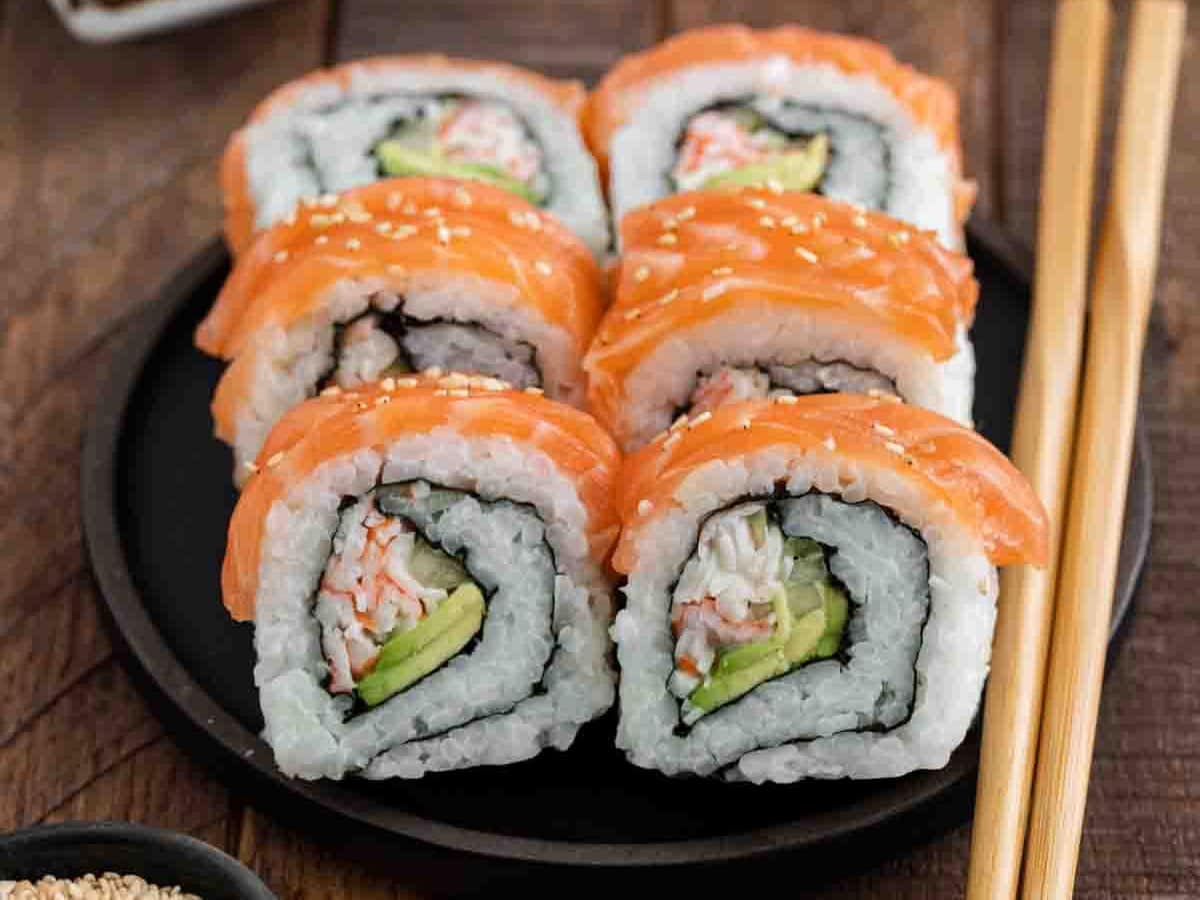
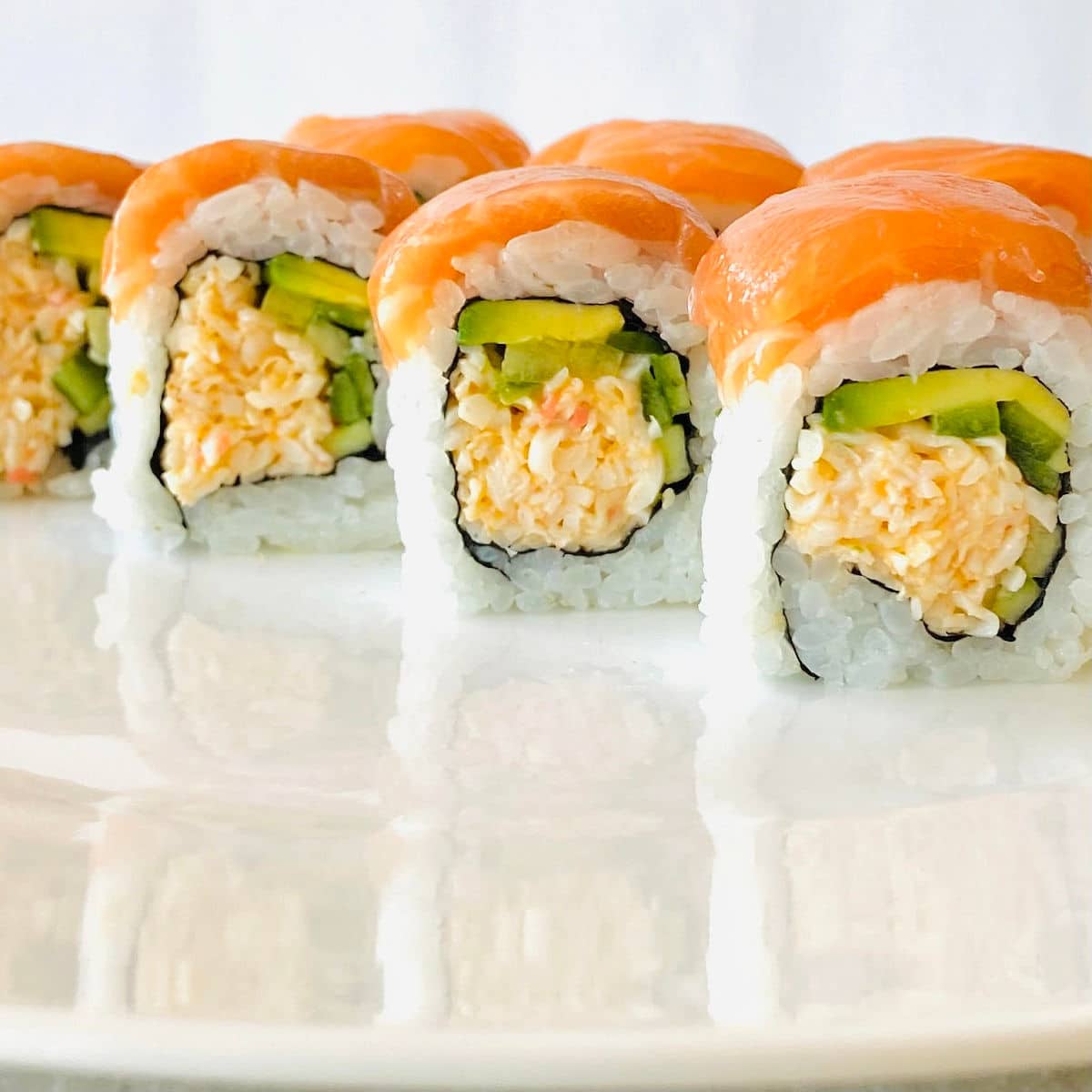
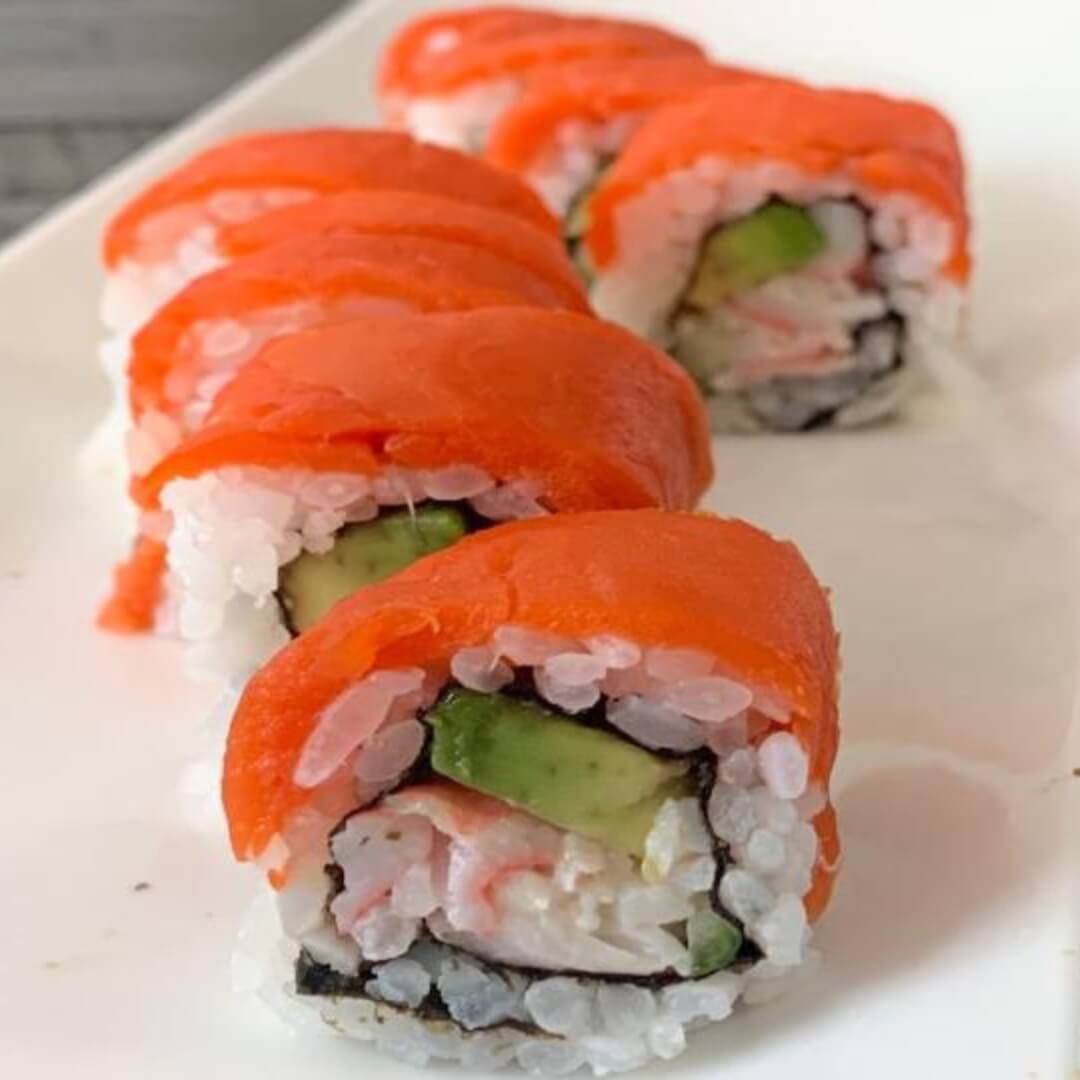
Before delving into its geographical mystique, let’s define what typically constitutes an Alaska Roll. At its heart, this roll is a celebration of fresh, often wild-caught, salmon, a fish synonymous with the pristine waters surrounding Alaska. It typically features a combination of ingredients that offer a delightful interplay of creamy, crisp, and savory notes, designed to appeal to a broad palate.
Key Ingredients and Flavor Profiles
The classic Alaska Roll almost invariably includes:
- Fresh Salmon: Often raw, sashimi-grade salmon, offering a rich, buttery texture and distinct flavor. Sometimes, smoked salmon is used, adding a different dimension of saltiness and depth. Given Alaska’s reputation for world-class salmon, it’s easy to see the inspiration behind this choice.
- Avocado: Creamy and smooth, the avocado provides a luxurious counterpoint to the salmon, adding richness and a subtle sweetness. It’s a staple in many Westernized sushi rolls, providing balance and a satisfying mouthfeel.
- Cucumber: Offering a refreshing crunch and a clean, crisp taste, cucumber cuts through the richness of the salmon and avocado, preventing the roll from feeling too heavy.
- Rice and Nori: As with all traditional sushi, the ingredients are expertly rolled in seasoned sushi rice and wrapped in a sheet of nori (seaweed).
- Optional Additions: Depending on the sushi chef or regional variations, you might find other elements. Some versions include imitation crab meat or real crab meat (another nod to Alaska’s seafood bounty), cream cheese for an even richer, tangier profile (sometimes leading to confusion with a Philadelphia Roll), or even a sprinkle of sesame seeds or masago (capelin roe) for an extra pop of flavor and texture.
The overall flavor profile is typically mild, fresh, and approachable, making it a popular choice for both seasoned sushi connoisseurs and newcomers. Its visual appeal, often showcasing vibrant orange salmon against green avocado, is equally enticing, mirroring the natural beauty of the landscapes it evokes.
Is It Really from Alaska? Tracing Its Origins and Global Journey
Despite its evocative name, the Alaska Roll’s true birthplace is a subject of culinary debate, reflecting the dynamic evolution of Japanese cuisine as it merged with Western palates. Much like the California Roll, it’s widely considered a product of Japanese-American culinary innovation rather than a traditional Japanese dish or one originating directly from Alaska itself.
The Influence of Japanese-American Fusion Cuisine
Sushi, as we know it in the Western world, underwent a significant transformation in the latter half of the 20th century. Japanese chefs, adapting to local ingredients and tastes in North America, began to create rolls that diverged from strict Japanese tradition. The California Roll, famously invented in Los Angeles (or Vancouver, depending on who you ask), replaced raw fish with cooked crab and introduced avocado, paving the way for a new genre of sushi.
The Alaska Roll likely emerged from this same spirit of innovation. While Alaska is renowned for its incredible wild salmon, the idea of combining it with avocado and cucumber in a specific roll format was likely conceived in a sushi kitchen in the continental United States or Canada, drawing inspiration from the fresh, bountiful seafood associated with Alaska. Cities with vibrant Japanese communities and burgeoning sushi scenes, such as Seattle, Vancouver, or even San Francisco, are often cited as potential incubators for such fusion creations. The name itself is a clever marketing tool, capitalizing on the pristine image of Alaskan waters and its world-famous salmon.
This cultural exchange highlights a fascinating aspect of global tourism: how local ingredients and perceived regional identities can inspire dishes far from their namesake origins. For travelers, understanding this journey adds another layer to their culinary explorations, inviting them to appreciate both authentic local fare and the innovative adaptations found worldwide.
A Taste of the Last Frontier: Experiencing Alaska’s Culinary Scene
While the Alaska Roll might not be a historical Alaskan dish, its ingredients perfectly encapsulate the essence of Alaska’s culinary identity: fresh, wild, and incredibly flavorful seafood. A visit to Alaska offers a much broader and deeper dive into a food scene shaped by its unique geography, climate, and indigenous traditions.
Beyond the Roll: Must-Try Alaskan Delicacies
For visitors embarking on an Alaskan adventure, the culinary landscape extends far beyond sushi. Expect to indulge in:
- Wild Alaskan Salmon: Whether grilled, smoked, baked, or pan-seared, fresh sockeye, king, coho, or chum salmon is a true highlight. Many restaurants in cities like Anchorage and Juneau pride themselves on serving salmon caught just hours before it reaches your plate. Places like Orso in Anchorage are renowned for their fresh seafood preparations.
- Alaskan King Crab: Large, succulent, and incredibly rich, king crab legs are a bucket-list item for many travelers. Cracking open a sweet, tender crab leg, perhaps after a day of exploring Glacier Bay National Park or a scenic flight over Mount McKinley (Denali), is an unforgettable experience.
- Halibut: A firm, white, flaky fish, Alaskan halibut is versatile and delicious, often served in fish and chips, grilled, or baked with herbs.
- Reindeer Sausage: A local specialty, often found in breakfast dishes or street food, offering a unique gamey flavor.
- Foraging and Wild Berries: Depending on the season, travelers can explore local markets for foraged goods like fiddlehead ferns or an array of wild berries, including blueberries, salmonberries, and cloudberries, which often feature in desserts and preserves.
Experiencing Alaska’s food scene is an integral part of understanding its local culture and tourism. From bustling fish markets in Seward to fine dining establishments in Fairbanks, the focus remains on fresh, high-quality, and often locally sourced ingredients. Many guided tours incorporate culinary stops, allowing travelers to taste the bounty of the Pacific Ocean and the Arctic Ocean.
Finding Your Alaska Roll: Top Destinations and Dining Experiences
While the actual origin story of the Alaska Roll might be global, finding an excellent one involves knowing where to look – and it’s not exclusively within Alaska’s borders. However, for a truly immersive culinary and travel experience, combining the search for a great Alaska Roll with an actual trip to the state it’s named after makes for an unforgettable adventure.
Coastal Charms: Alaska’s Seafood Sanctuaries
If your travel plans take you to the Last Frontier, you’ll find numerous opportunities to enjoy exceptional sushi and local seafood. While traditional Alaskan fare centers on cooked fish, the growing popularity of sushi has led to an increase in quality sushi restaurants across the state.
- Anchorage: As Alaska’s largest city, Anchorage offers the most diverse dining scene. You’ll find several highly-rated sushi establishments that pride themselves on using locally sourced Alaskan salmon. Consider places like Sushi Yama or other local favorites that often feature “Alaskan” themed rolls with their fresh catch. After a day exploring the Alaska Native Heritage Center or the trails of Chugach State Park, unwinding with a perfectly crafted Alaska Roll and a local brew is an ideal evening.
- Juneau: The state capital, accessible primarily by air or sea via the Inside Passage, also boasts excellent seafood. Many restaurants here offer sushi, often utilizing the incredible bounty from the surrounding waters. Don’t miss the chance to see the majestic Mendenhall Glacier before your dinner reservation.
- Coastal Towns like Seward or Ketchikan: These smaller, picturesque towns are fishing hubs, meaning the seafood is as fresh as it gets. While high-end sushi may be less prevalent, many local eateries offer simple yet delicious preparations of salmon that capture the essence of the “Alaska” experience.
For accommodation, Anchorage offers a range of hotels from luxury resorts like the Hotel Captain Cook to comfortable stays like The Lakefront Anchorage, a Millennium Hotel. Further afield, lodges near natural attractions, such as the Talkeetna Alaskan Lodge close to Denali National Park, offer unique experiences, combining adventure with comfortable amenities. Booking through platforms like Expedia or Booking.com can help travelers compare options and find the perfect base for their culinary and exploration journeys.
Urban Delights: Sushi Hotspots in Major Cities Worldwide
Given its fusion origins, you’re just as likely, if not more likely, to find an exceptional Alaska Roll in major metropolitan areas with thriving sushi scenes. Cities across the United States, Canada, and beyond have embraced this roll, making it a staple.
- Seattle, Washington: With its strong seafood industry and proximity to the Pacific Rim, Seattle is a prime location to find a fantastic Alaska Roll. The city’s diverse culinary landscape ensures many sushi restaurants will feature this popular item, often with the freshest salmon available.
- Vancouver, British Columbia: Another Pacific Rim gem, Vancouver has a vibrant sushi culture. Its innovative chefs are always pushing boundaries, and the Alaska Roll is a beloved choice on many menus.
- California (especially Los Angeles and San Francisco): As the birthplace of many fusion sushi rolls, California’s major cities are guaranteed to have countless establishments offering the Alaska Roll, often with unique twists and premium ingredients.
When seeking an Alaska Roll in these urban settings, consider researching highly-rated sushi bars on platforms like Tripadvisor or local food blogs. Many high-end hotels, such as a Grand Hyatt or Four Seasons, often feature excellent in-house Japanese restaurants where you can savor exquisitely prepared rolls in a luxurious setting. For budget-conscious travelers, countless neighborhood sushi spots offer delicious and affordable options, proving that a great culinary experience doesn’t always require a hefty price tag.
Beyond the Plate: The Alaska Roll as a Travel Lifestyle Statement
The pursuit of an Alaska Roll – whether in its namesake state or a bustling metropolis – epitomizes a certain travel lifestyle. It’s about more than just satisfying hunger; it’s about discovery, cultural immersion, and embracing unique experiences.
For the foodie traveler, the Alaska Roll becomes a passport to exploring regional seafood, understanding culinary fusion, and comparing interpretations across different destinations. This traveler might seek out food tours in Anchorage, participate in cooking classes that highlight local ingredients, or attend a seafood festival like “The Great Alaska Seafood & Sushi Festival” (if one exists or is imagined for context), to delve deeper into the gastronomic traditions that define a place.
For those interested in cultural tourism, the Alaska Roll serves as a gateway to understanding the influence of immigration and innovation on local cuisine. It prompts questions about how global ingredients (like avocado) integrate with local staples (like salmon) to create something new and widely appealing. This exploration can lead to visits to ethnic neighborhoods, museums, or cultural centers that tell the story of a region’s diverse inhabitants and their contributions to its identity.
From a lifestyle perspective, seeking out unique culinary items like the Alaska Roll fits into broader trends of experiential travel. Whether it’s a luxury traveler indulging in a five-star sushi experience at a Ritz-Carlton in San Francisco or a budget traveler discovering a hidden gem in a local Anchorage eatery, the journey to find and savor this roll becomes part of their personal travel narrative. It can be part of a family trip, introducing children to new flavors, or a business stay, offering a relaxing escape after a day of meetings. Many travelers, members of loyalty programs like Marriott Bonvoy or Hilton Honors, often plan their accommodation around access to prime dining districts, further blending the lines between where they stay and what they eat.
Ultimately, the seemingly simple question “What is an Alaska Roll?” unfolds into a rich narrative about travel, food, culture, and the art of modern exploration. It reminds us that every dish, no matter how humble or exotic, carries a story, offering an open invitation to discover the world, one delicious bite at a time. So, whether you’re heading to the rugged beauty of Alaska or simply looking for your next culinary adventure closer to home, the Alaska Roll is a delectable symbol of the endless possibilities awaiting the curious traveler.