
Planning a trip to the Grand Canyon State? From the vibrant urban centers of Phoenix and Tucson to the breathtaking natural wonders of the Grand Canyon National Park and the spiritual vortexes of Sedona, Arizona offers an unparalleled travel experience. However, there’s one distinctive aspect that often puzzles visitors and residents alike: its unique approach to time. Unlike most of the United States, Arizona largely does not observe Daylight Saving Time (DST). This means that for a significant portion of the year, the state operates on a consistent clock, simplifying some aspects of travel while adding a layer of complexity for others. Understanding Arizona’s time zone intricacies is crucial for a smooth and enjoyable visit, ensuring you don’t miss a single sunset tour, spa appointment, or delicious dinner reservation.
Understanding Arizona’s Unique Time Zone Status
Arizona’s decision to opt out of Daylight Saving Time dates back decades, driven primarily by its scorching summer temperatures. The logic was simple: shifting clocks forward an hour would mean an extra hour of daylight in the evening, pushing outdoor activities and energy consumption further into the hottest parts of the day. By remaining on Mountain Standard Time (MST) year-round, Arizona effectively minimizes the impact of the afternoon sun, allowing residents and visitors to enjoy cooler evenings. This consistent approach to time provides a stable rhythm that many find appealing, but it also creates distinct time differences with neighboring states and regions depending on the season.
Mountain Standard Time Year-Round: The Core Rule
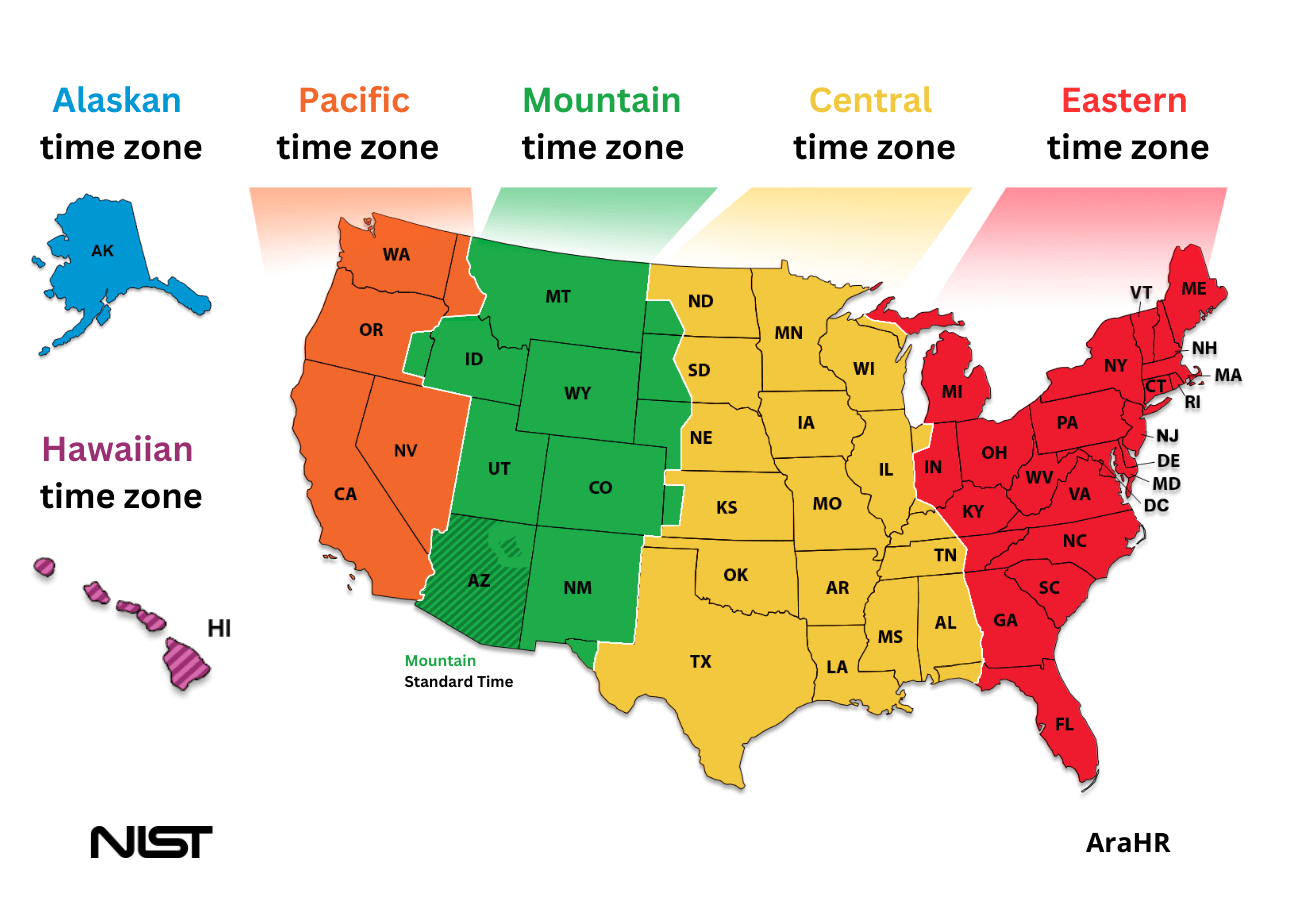
For the majority of Arizona, time is straightforward: it observes Mountain Standard Time (MST) throughout the entire year. This means that from the second Sunday in March to the first Sunday in November, when most of the United States “springs forward” into Daylight Saving Time (MDT for Mountain states, PDT for Pacific states), Arizona remains one hour behind these regions.
To put this into perspective:
- From early November to early March: Arizona is on the same time as Colorado, Utah, New Mexico, and other Mountain states observing MST. It is one hour ahead of California and Nevada, which observe Pacific Standard Time (PST).
- From early March to early November: When Mountain states like Colorado (e.g., Denver) switch to Mountain Daylight Time (MDT), they are one hour ahead of Arizona. At this time, Arizona aligns with Pacific Standard Time (PST), meaning it is on the same time as California and Nevada (e.g., Las Vegas).
This seasonal shift in relative time zones is the primary source of confusion for travelers, but once understood, it becomes a predictable element of planning.
The Navajo Nation Exception: A Key Consideration
While the vast majority of Arizona adheres to Mountain Standard Time year-round, there is one significant exception: the Navajo Nation. This large semi-autonomous indigenous territory, which spans parts of northeastern Arizona, New Mexico, and Utah, does observe Daylight Saving Time. This decision allows the Navajo Nation to maintain a consistent time zone with the rest of its reservation lands in neighboring states.
What this means for travelers is that if your itinerary takes you into areas such as Monument Valley, Page (home to Antelope Canyon and Horseshoe Bend), or Canyon de Chelly National Monument during the Daylight Saving Time period (March to November), you will need to adjust your clock forward one hour upon entering Navajo Nation territory and then back one hour upon exiting.
Interestingly, within the geographical boundaries of the Navajo Nation in Arizona, there’s a smaller, independent sovereign nation known as the Hopi Nation. The Hopi Nation does not observe Daylight Saving Time, remaining on Mountain Standard Time year-round, just like the rest of Arizona. This creates a fascinating “donut hole” effect, where traveling between the Hopi Nation and the surrounding Navajo Nation during summer months involves yet another time change.
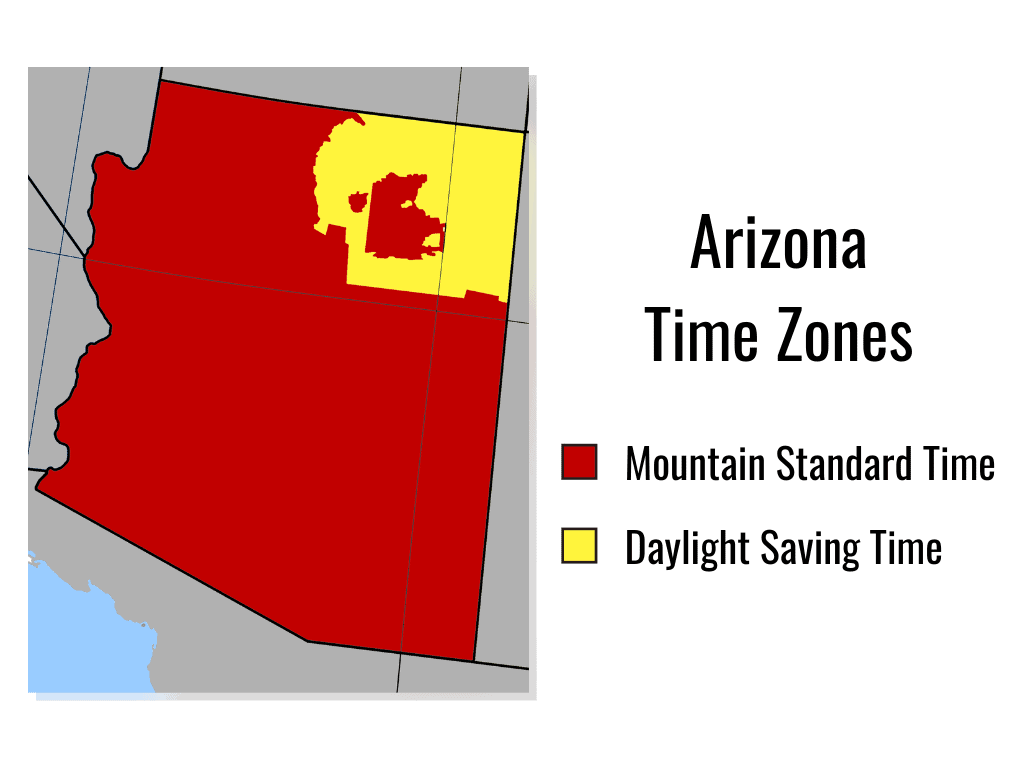
For tourism and lifestyle planning, especially when exploring the rich cultural landscapes of northeastern Arizona, always double-check the local time for specific attractions and tours, as cellular service can sometimes pick up signals from different towers, leading to automatic phone time adjustments that might be incorrect for your actual location.
Navigating Time Differences: Implications for Travelers
For visitors, Arizona’s unique time zone can be a blessing and a minor challenge. The consistency of no Daylight Saving Time means that once you’re inside the state, you don’t have to worry about adjusting your clocks twice a year. However, arriving from or departing to other states, particularly during the Daylight Saving Time period, requires careful planning.
Planning Your Arizona Itinerary: Practical Tips
When planning your Arizona adventure, consider the following:
- Flights: If you’re flying into Phoenix Sky Harbor International Airport or Tucson International Airport between March and November, remember that your flight arrival time will be shown in local Arizona time, which will be the same as Pacific Standard Time. If you’re coming from states observing Mountain Daylight Time (like Denver), you’ll gain an hour. From Eastern states, you’ll gain three hours.
- Hotel Check-ins and Check-outs: Most hotels and resorts in Arizona operate on the standard Mountain Standard Time year-round. This predictability is a boon for accommodation planning, as check-in and check-out times remain consistent regardless of the season. Luxury resorts in Scottsdale or family-friendly hotels in Flagstaff will all adhere to the same local clock, making booking and itinerary management simple.
- Tour Bookings and Activities: Always confirm the start times for tours, especially those involving the Grand Canyon National Park, Antelope Canyon, or other time-sensitive experiences. Given the Navajo Nation exception, a tour operator might be based in one time zone while the activity itself is in another. For instance, a tour departing from Page could require you to be on Navajo Nation time, even if Page itself is not. Double-check with your tour provider for explicit time instructions.
- Business Stays: For those on business trips, the consistent time zone simplifies scheduling virtual meetings with colleagues on the West Coast during Daylight Saving Time. Arizona effectively becomes part of the Pacific time zone for these months, making calls with California or Nevada seamless.
Border Crossings and Regional Confusion
The real challenge for travelers often arises when traversing Arizona’s borders during Daylight Saving Time.
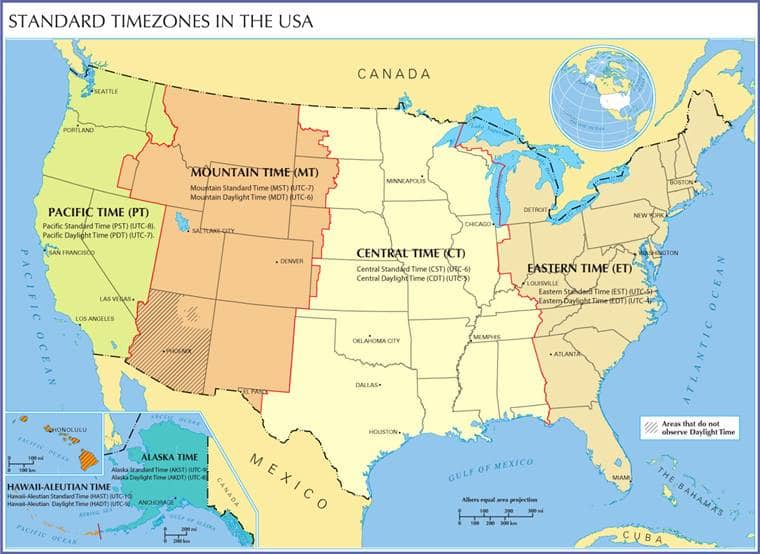
- Driving from California or Nevada: Between March and November, Arizona will be on the same time as these states. No time change is needed. This is great for weekend trips from Las Vegas to Lake Havasu City or Phoenix.
- Driving from Utah, Colorado, or New Mexico: Between March and November, these states will be one hour ahead of Arizona. If you’re driving from Utah to the Grand Canyon, you’ll effectively “gain” an hour as you cross into Arizona (unless you enter the Navajo Nation).
- The “Four Corners” Region: This area, where Arizona, New Mexico, Utah, and Colorado meet, becomes a time zone checkerboard during Daylight Saving Time. The Navajo Nation within Arizona will observe MDT, while the rest of Arizona and the Hopi Nation stay on MST. This can mean quick shifts between two or even three different times within a short drive.
Always set your devices to automatically update time zones, but also carry a physical watch or manually check the local time with a trusted source upon arrival in specific regions, especially when venturing into the Navajo Nation.
Arizona Time and Your Travel Experience: Destinations & Lifestyle
The consistent time zone in Arizona shapes the travel experience in profound ways, from urban exploration to wilderness adventures. It’s a factor that subtly influences everything from dining schedules to the timing of iconic sunset views.
Phoenix and Tucson: Urban Exploration on a Consistent Clock
In Arizona’s major metropolitan areas like Phoenix and Tucson, the absence of Daylight Saving Time contributes to a stable and predictable rhythm of life. For tourists, this means:
- Consistent Operating Hours: Shops, museums, restaurants, and entertainment venues maintain the same operating hours year-round, making it easier to plan your activities. You won’t find attractions suddenly opening or closing an hour later/earlier due to a time change.
- Dining Experiences: Enjoying Arizona’s renowned culinary scene, from upscale Scottsdale eateries to authentic Sonoran cuisine in Tucson, is straightforward. Dinner reservations or happy hour specials will always align with the same local clock, eliminating confusion.
- Outdoor Activities: Whether you’re hiking Camelback Mountain in Phoenix or exploring Saguaro National Park near Tucson, the consistent daylight hours (especially the extended “cooler” mornings and evenings during summer) are factored into local recommendations for timing your excursions, promoting safety and enjoyment.
For luxury travelers, this predictability translates into seamless planning of spa treatments, golf tee times, and exclusive guided tours, all operating on a consistent schedule that doesn’t suddenly shift with the seasons.
Wonders of the North: Grand Canyon to Monument Valley
Exploring northern Arizona’s iconic natural landmarks requires extra attention to time, particularly due to the Navajo Nation exception.
- Grand Canyon National Park: The park generally operates on Mountain Standard Time year-round. This is crucial for planning your sunrise and sunset views, which are highlights for many visitors. If you’re coming from Utah during DST, remember that the Grand Canyon will be an hour behind, potentially giving you an extra hour of sleep or an earlier start to your day than expected.
- Page, Antelope Canyon, and Horseshoe Bend: These popular attractions are located very close to, or sometimes within, the Navajo Nation. While Page itself often aligns with Arizona proper (MST year-round), tours for Antelope Canyon and other Navajo Tribal Parks will run on Navajo Nation time (MDT during summer). This is vital for guided tours, as arriving an hour late means missing your slot. Always confirm the exact time zone for your specific tour departure point.
- Monument Valley and Canyon de Chelly National Monument: These incredible sites are firmly within the Navajo Nation and therefore observe Daylight Saving Time. Factor in this hour difference when traveling from other parts of Arizona to ensure you arrive on time for cultural tours, scenic drives, or lodging check-ins.
Sedona, Flagstaff, and Beyond: Embracing the Local Rhythm
Central and western Arizona destinations, including the spiritual haven of Sedona, the mountain town of Flagstaff, and the historic charm of Prescott, operate seamlessly on Mountain Standard Time year-round. This consistency fosters a relaxed lifestyle that enhances the travel experience:
- Sedona Red Rock Country: Planning hikes, jeep tours, or spiritual retreats in Sedona is straightforward. The consistent timing allows for perfect sunset viewing without scrambling to adjust clocks.
- Flagstaff and the Route 66 corridor: As a gateway to the Grand Canyon and home to many attractions, Flagstaff’s consistent time zone simplifies logistical planning for visitors exploring the iconic Route 66 or nearby Petrified Forest National Park.
- Western Arizona River Cities: Places like Lake Havasu City, Yuma, and Quartzsite are popular destinations for snowbirds and outdoor enthusiasts. Their alignment with California and Nevada during summer (PST) makes cross-border visits easy, enhancing the appeal for those seeking a laid-back desert lifestyle.
Accommodation and Activities: How Time Influences Your Stay
The stability of Arizona’s time zone has a positive ripple effect across various aspects of tourism and accommodation, making for a more relaxed and predictable stay.
Booking Hotels and Tour Schedules
When it comes to booking hotels, suites, resorts, or even long-term apartment stays, the absence of Daylight Saving Time simplifies matters considerably.
- Consistent Booking Times: Hotel websites and booking platforms will always display times in local Arizona time, eliminating any ambiguity about check-in/check-out, amenity hours, or scheduled activities like fitness classes or happy hours. This reduces potential stress for travelers seeking seamless accommodation.
- Resort Amenities and Experiences: Luxury resorts, especially those focusing on wellness, spa treatments, or specific dining experiences, can maintain a fixed schedule that guests quickly adapt to. A 7 AM yoga class or a 6 PM sunset cocktail hour will consistently occur at the same local time throughout the year, regardless of the seasonal time shifts observed elsewhere.
- Family Travel: For families traveling with young children, maintaining a consistent sleep schedule can be challenging. Arizona’s stable time zone means no abrupt one-hour shifts in spring or fall, which can greatly ease the burden of travel with little ones, helping them adjust faster to the local rhythm.
- Long-term Stays: For those considering extended stays or even relocating, the unchanging clock is a subtle but significant benefit, contributing to a sense of routine and ease in daily life.
Adjusting to the Pace of Life in the Grand Canyon State
Beyond the practicalities of scheduling, Arizona’s time zone contributes to a unique pace of life. The choice to remain on Mountain Standard Time year-round is deeply tied to the desert environment, encouraging activities to occur during cooler parts of the day. This has cultivated a lifestyle that many visitors find refreshing:
- Early Mornings: With natural light appearing earlier in the summer months compared to states observing DST, many locals embrace early mornings for hiking, biking, or outdoor workouts before the heat sets in. Travelers can adopt this habit to maximize their exploration.
- Extended Evenings: While the “extra hour of daylight” is shifted to the morning, evenings in [Arizona](https://lifeoutofthebox.com/arizona] still offer ample opportunity for leisurely dinners, stargazing, or enjoying the cooler desert air. The vibrant nightlife in cities like Phoenix and Scottsdale thrives in these pleasant evening hours.
- Reduced Jet Lag Impact: For travelers coming from states that observe DST, adjusting to Arizona’s time can feel like a gentler transition, as the relative time difference is consistent for several months. For example, arriving from Los Angeles in July involves no time change, and arriving from Denver means gaining an hour, which is often easier than losing one.
In essence, Arizona’s time zone, while initially perplexing, quickly becomes a characteristic feature that enhances the travel experience. It’s a testament to the state’s unique approach to life, prioritizing consistency and environmental considerations. By understanding and embracing this distinction, visitors can unlock the full potential of their Arizona adventure, from its majestic landscapes to its vibrant urban centers and rich cultural heritage. Always remember to double-check local times, especially when venturing into the Navajo Nation, and you’ll be well on your way to a memorable Grand Canyon State experience.