
Nestled in the heart of Texas, Austin stands as a vibrant beacon of innovation, culture, and rapid growth. Far from being just another city on the map, Austin has carved out a unique identity, captivating visitors and residents alike with its distinctive blend of live music, delicious cuisine, entrepreneurial spirit, and an unwavering commitment to its quirky motto, “Keep Austin Weird.” But beneath the layers of vibrant street art, bustling tech campuses, and serene lakeside parks lies a demographic story of explosive expansion, a narrative that profoundly shapes the city’s character, infrastructure, and allure. Understanding what Austin, Texas’ population is, isn’t just about reciting numbers; it’s about grasping the dynamic forces that propel this capital city forward and how this growth impacts everything from its burgeoning tourism industry to the daily lives of its inhabitants.

For those planning to travel, invest, or even relocate, the city’s population trends offer invaluable insights. A booming population often signifies a thriving economy, diverse cultural offerings, and a robust hospitality sector, all key considerations for anyone interacting with Austin. From the array of hotels and accommodation options springing up to cater to new arrivals, to the evolution of its landmarks and lifestyle, the pulse of Austin is intrinsically linked to its ever-expanding demographic footprint. This article delves into the nuances of Austin’s population, exploring its current status, the driving forces behind its growth, and the exciting — and sometimes challenging — implications for this beloved Texas metropolis.
The Dynamic Growth of Austin’s Population
Austin’s population story is one of meteoric rise. For decades, it has consistently ranked among the fastest-growing large cities in the United States, transforming from a relatively quiet state capital into a bustling metropolitan hub. This isn’t just a gradual increase; it’s a phenomenon that has reshaped its skyline, diversified its communities, and amplified its global presence.
Unpacking the Numbers: Current Population and Growth Rate
While specific population figures are constantly in flux due to Austin’s relentless expansion, recent estimates place the city’s population well over 1 million within the city limits, with the wider metropolitan area encompassing over 2.4 million people. This phenomenal growth rate often sees thousands of new residents flocking to the city annually, a testament to its powerful appeal. This influx is fueled by a confluence of factors, making Austin a demographic hotbed.
The primary driver is undoubtedly the tech industry, earning the region the moniker “Silicon Hills.” Major technology giants like Apple, Dell, Google, Meta, Oracle, and Tesla have established significant presences here, creating a wealth of high-paying job opportunities that draw talent from across the globe. Beyond tech, the city benefits from a strong job market in healthcare, education, and government, further bolstering its economic resilience and attractiveness.
Moreover, Austin’s reputation for a high quality of life plays a crucial role. Its vibrant culture, abundant outdoor activities, and renowned culinary scene offer a lifestyle that many seek. Combine this with Texas’ favorable business climate and lack of state income tax, and it’s easy to see why individuals and businesses alike are drawn to the “Violet Crown City.”
Demographic Shifts and Cultural Impact
The rapid population growth has, predictably, led to significant demographic shifts. Austin has become a melting pot of cultures, with a noticeably younger, more educated, and increasingly diverse population. This diversity enriches the city’s cultural tapestry, fostering a dynamic environment where new ideas, cuisines, and artistic expressions flourish. For tourists, this means an ever-evolving array of experiences, from authentic global eateries to a broader spectrum of festivals and community events.
However, growth is a double-edged sword. While it brings prosperity and vibrancy, it also presents challenges. The increasing population density has strained Austin’s infrastructure, most notably in terms of traffic congestion and the availability of affordable housing. The cost of living has risen sharply, impacting long-time residents and contributing to gentrification in certain areas. City planners and community leaders are continuously grappling with how to manage this growth sustainably, ensuring that Austin retains its unique charm and accessibility while accommodating its expanding populace. These considerations are vital for understanding the true “lifestyle” of Austin for both its residents and those considering a longer-term stay.
Beyond the Numbers: Austin’s Appeal to Residents and Visitors
The sheer volume of people flocking to Austin isn’t just about economic opportunity; it’s about the intangible allure of a city that genuinely offers something for everyone. From its groundbreaking industries to its laid-back, creative spirit, Austin has cultivated a reputation as a destination that perfectly blends ambition with a relaxed approach to life.
A Magnet for Talent and Innovation
Austin’s emergence as a global tech hub is undeniable. The presence of major corporate campuses and a thriving startup ecosystem makes it a hotbed for innovation. This environment not only provides employment but also fosters a culture of entrepreneurship and collaboration. For business travelers, this means a city brimming with networking opportunities, state-of-the-art convention facilities, and a sophisticated urban landscape. The influx of highly skilled professionals has, in turn, fueled demand for high-quality accommodation, from luxury hotels to serviced apartments catering to extended business stays. This focus on “Lifestyle” extends to professionals seeking a dynamic work-life balance, attracted by Austin’s recreational offerings.
The Allure of Austin’s Unique Lifestyle
Beyond its economic prowess, Austin’s lifestyle is perhaps its most potent draw. The city is world-renowned as the “Live Music Capital of the World,” boasting countless venues where local and international artists perform nightly. Iconic events like South by Southwest (SXSW) and Austin City Limits Music Festival draw hundreds of thousands of visitors each year, celebrating music, film, and interactive media. This vibrant scene is a major component of Austin’s tourism, offering unparalleled experiences.
Complementing the music is a legendary culinary scene. Austin is synonymous with authentic Texas BBQ, but its food landscape extends far beyond, with an explosion of inventive food trucks, farm-to-table restaurants, and diverse international eateries. The city’s commitment to sustainability and local sourcing adds another layer of appeal for foodies.
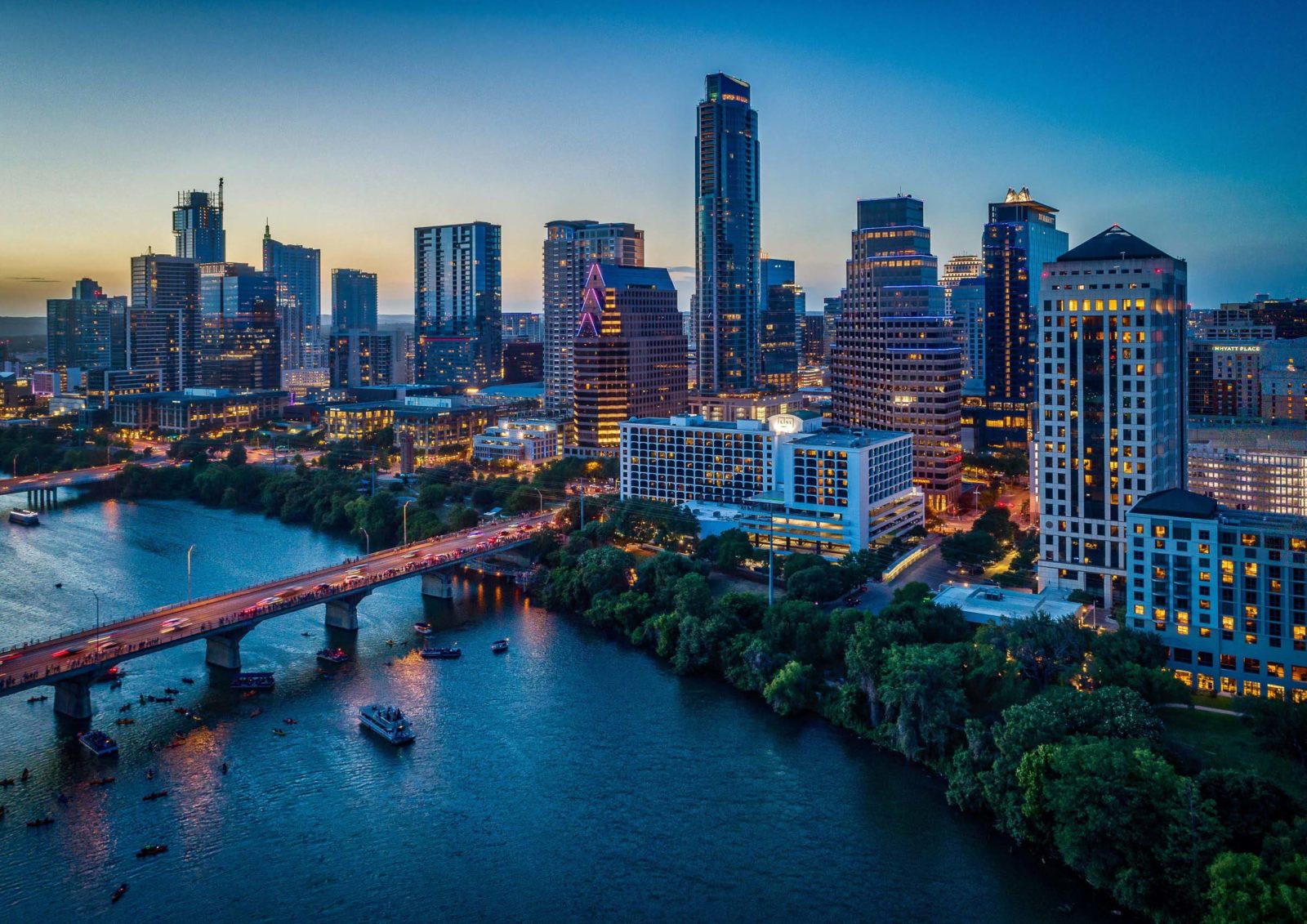
Outdoor enthusiasts find their paradise in Austin too. The shimmering waters of Lady Bird Lake (part of the Colorado River) offer kayaking, paddleboarding, and scenic trails for running and biking. Zilker Park, a sprawling urban oasis, is home to Barton Springs Pool, a natural spring-fed swimming hole beloved by locals and tourists alike. Hiking up Mount Bonnell provides breathtaking panoramic views of the city skyline and the Colorado River – a perfect spot for sunset viewing. These natural attractions contribute significantly to Austin’s appeal for adventure and leisure travel.
Navigating Austin: Accommodation, Attractions, and Local Experiences
For visitors, the thriving population translates into a city well-equipped to handle tourism, offering a vast array of accommodation options and an endless list of attractions to explore. The growth means more choices, more experiences, and a richer immersion into the local culture.
Where to Stay: Hotels and Accommodation for Every Traveler
The hospitality sector in Austin has expanded dramatically to meet the demands of its growing population and burgeoning tourism. Whether you’re seeking luxury, boutique charm, or budget-friendly comfort, Austin has it all.
For a taste of upscale urban living, Downtown Austin boasts impressive hotels like the Four Seasons Hotel Austin, offering unparalleled lakeside views and five-star amenities, or the massive JW Marriott Austin, a hub for conventions and city exploration. The historic Driskill Hotel provides a glimpse into Austin’s past with its opulent décor, while newer additions like Hotel ZaZa Austin and W Austin cater to those seeking modern luxury and vibrant nightlife access.
Beyond Downtown, neighborhoods like South Congress (SoCo) offer trendy boutique hotels such as the South Congress Hotel or Hotel San Jose, perfectly positioned for exploring unique shops and eateries. For extended stays or a more home-like experience, a wide selection of serviced apartments and vacation rentals can be found throughout the city, offering greater flexibility and amenities, particularly attractive for families or business travelers on longer assignments. The suburban area of The Domain to the north provides a luxurious shopping, dining, and hotel experience with options like The Archer Hotel Austin, popular for its upscale feel and proximity to tech campuses.
Iconic Landmarks and Must-See Attractions
Austin’s growth has not overshadowed its historical and natural landmarks; instead, it has brought them into sharper focus, making them more accessible and celebrated.
No visit to Austin is complete without a trip to the magnificent Texas State Capitol, a stunning example of Renaissance Revival architecture and the largest state capitol building in the United States. Its grandeur offers a fascinating insight into Texas’ rich political history. For nature lovers, in addition to Zilker Park and Lady Bird Lake, the Congress Avenue Bridge draws crowds nightly from spring through fall to witness the spectacular flight of North America’s largest urban bat colony. This incredible natural phenomenon is a prime example of Austin’s unique blend of urban life and natural wonders. Other notable sites include the Blanton Museum of Art and the Bob Bullock Texas State History Museum for those interested in arts and history.
Culinary Delights and Vibrant Nightlife
The expanding population has fueled a vibrant and diverse culinary scene, making Austin a bona fide food destination. Beyond the renowned Texas BBQ joints like Franklin Barbecue and La Barbecue, visitors can explore an endless array of food trucks, offering everything from Korean fusion tacos to gourmet grilled cheese. The farm-to-table movement is strong here, with restaurants emphasizing local ingredients and seasonal menus.
As night falls, Austin’s famed nightlife truly comes alive. Sixth Street remains the epicenter for live music and bustling bars, while Rainey Street offers a more relaxed, upscale vibe with its charming bungalow bars and food trucks. East Austin has emerged as a trendy destination for craft cocktails, art galleries, and innovative dining, reflecting the city’s diverse and evolving tastes. This continuous innovation in food and entertainment is a direct result of a growing and diverse population demanding new and exciting experiences, solidifying Austin’s reputation as a top-tier “Tourism” destination.

The Future of Austin: Sustaining Growth and Preserving Character
Austin’s trajectory suggests that its population will continue to grow for the foreseeable future. This persistent expansion brings both immense opportunities and significant challenges. The city is at a critical juncture, balancing the demands of growth with the imperative to maintain its unique identity and quality of life.
One of the foremost challenges is managing urban sprawl and its environmental impact. As the population expands, pressure mounts on natural resources and green spaces. City initiatives focus on sustainable development, promoting public transportation, and preserving natural landmarks like the Barton Creek Greenbelt. The ongoing dialogue about infrastructure improvements, from improved roadways to expanded public transit systems, is crucial for ensuring that Austin can accommodate its residents without succumbing to unmanageable congestion.
Another significant concern is the preservation of Austin’s “Keep Austin Weird” ethos. The influx of new residents, while bringing diversity and economic vitality, also risks diluting the quirky, independent spirit that has long defined the city. Efforts to support local businesses, artists, and cultural institutions are vital in maintaining this unique character. For those drawn to Austin for its distinct lifestyle, this commitment to authenticity is a major draw.
Looking ahead, Austin is investing in smart city technologies, fostering a strong sense of community through neighborhood-specific initiatives, and engaging in proactive planning to ensure that its growth is equitable and sustainable. The city’s ability to successfully navigate these complex issues will determine its long-term success as a desirable place to live, work, and visit. The continued development of diverse accommodation options, from luxury resorts to budget-friendly apartments, alongside the curation of authentic travel experiences, will be paramount in maintaining its appeal.
In conclusion, understanding Austin, Texas’ population goes beyond mere statistics. It’s about appreciating the powerful narrative of a city in dynamic transformation, a place where economic boom meets cultural vibrancy. This growth story shapes every facet of Austin — from its ever-evolving skyline and diverse culinary landscape to the myriad of choices available for hotels, tourism, and travel. As Austin continues its remarkable journey of expansion, it remains a captivating destination, promising an exciting blend of innovation, natural beauty, and that inimitable “Keep Austin Weird” spirit that captures the hearts of all who encounter it. Whether for a short getaway, a business trip, or a new chapter in life, Austin’s vibrant, growing population ensures a city brimming with possibilities and unforgettable experiences.
LifeOutOfTheBox is a participant in the Amazon Services LLC Associates Program, an affiliate advertising program designed to provide a means for sites to earn advertising fees by advertising and linking to Amazon.com. Amazon, the Amazon logo, AmazonSupply, and the AmazonSupply logo are trademarks of Amazon.com, Inc. or its affiliates. As an Amazon Associate we earn affiliate commissions from qualifying purchases.