
For many travelers, exploring a new destination is as much about savoring local flavors as it is about visiting iconic landmarks. Food tourism has become a cornerstone of the modern travel experience, inviting adventurers to delve into the heart of a culture through its cuisine. Among the vast tapestry of American comfort food, few dishes command as much reverence and confusion as the “Boston Butt.” Despite its intriguing name, which often conjures images of an anatomical feature or perhaps a specific regional delicacy from Boston, this cut of meat is a universally beloved staple, particularly in the vibrant world of barbecue.
This comprehensive guide aims to demystify the Boston Butt for the curious traveler, delving into its origins, its pivotal role in BBQ culture, and why it should be on every foodie’s itinerary when exploring the United States. We’ll explore where to find the most authentic preparations, how it shapes local lifestyles, and offer insights for those looking to immerse themselves in a truly delicious culinary journey.
Unraveling the Mystery: What Exactly is a Boston Butt?
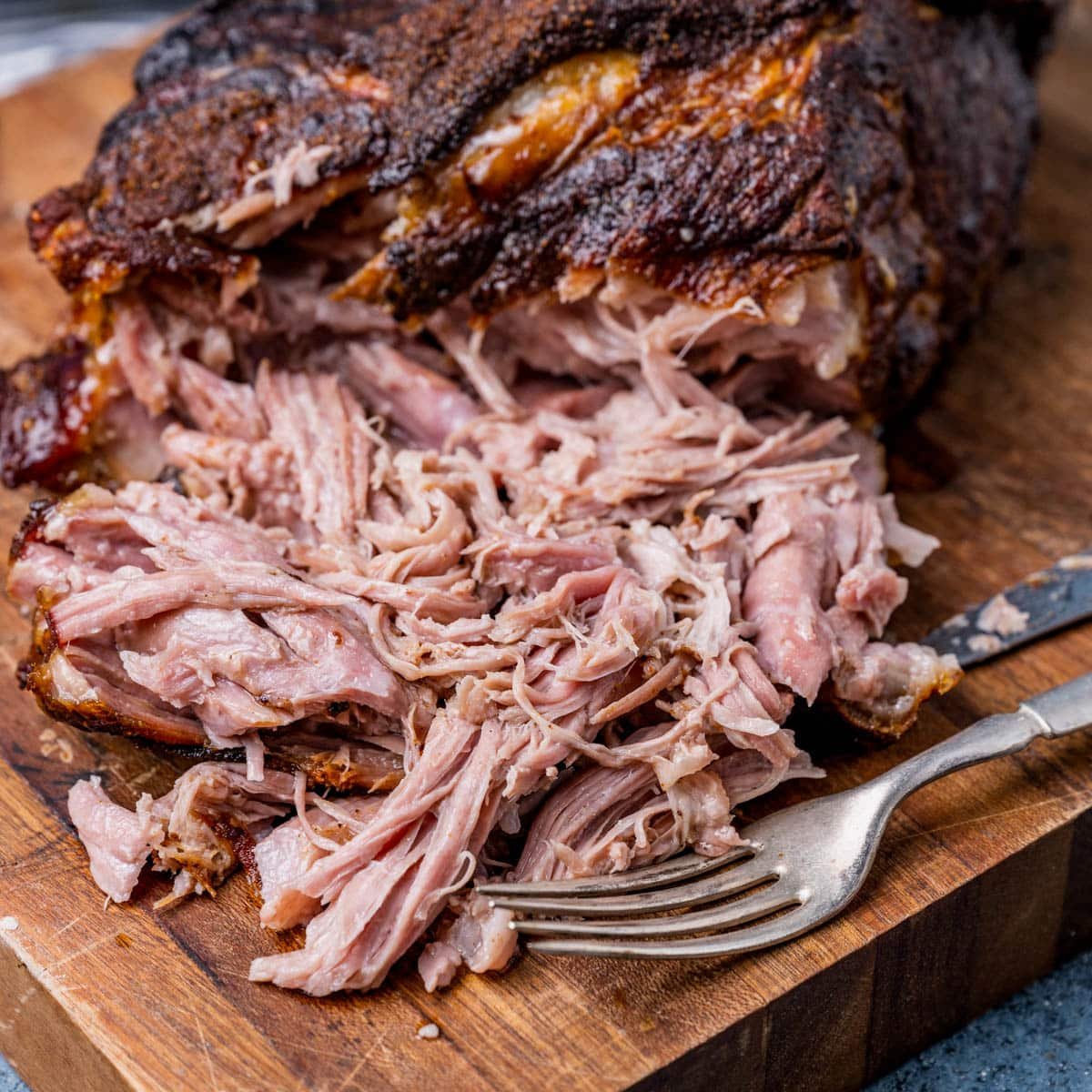
The first hurdle for anyone encountering the term “Boston Butt” is often its misleading nomenclature. Far from being related to the rear end of a pig, or exclusively a product of New England, a Boston Butt is actually a specific cut of pork from the upper part of the pig’s front leg – essentially, the pork shoulder. More precisely, it’s the rectangular cut that includes the blade bone, part of the shoulder blade, and a good amount of marbled fat and connective tissue. This composition is key to its culinary magic.
The peculiar name has historical roots, tracing back to colonial New England, specifically Boston. During the pre-Revolutionary War era, butchers in Boston would take less popular cuts of pork, pack them into wooden barrels for storage and transport, and these barrels were called “butts.” The specific cut of pork shoulder that was commonly packed this way thus became known as the “Boston Butt.” While the practice of barrel packing has largely faded, the name stuck, solidifying its place in culinary lexicon.
What makes this cut so ideal for slow cooking and barbecue is its high fat content and abundance of connective tissue. When cooked low and slow for many hours, these elements break down, rendering the meat incredibly tender, juicy, and flavorful. This transformation is what makes the Boston Butt the quintessential cut for creating succulent pulled pork, a dish that is not just a meal, but a cultural phenomenon across various regions of the United States.
Understanding what a Boston Butt is demystifies its name, but truly appreciating it requires embarking on a culinary journey. For travelers, it represents an entry point into a rich tapestry of regional flavors and cooking traditions, offering an authentic taste of local life that transcends the ordinary tourist experience.
A Culinary Journey: Boston Butt Across America’s Food Landscape
The Boston Butt, or pork shoulder, is far more than just a cut of meat; it is the canvas upon which master pitmasters and home cooks alike paint their culinary masterpieces, shaping regional Southern cuisine and drawing food enthusiasts from around the globe.
The Heart of Southern BBQ: A Staple for Food Tourists
While its name hails from Boston, the true spiritual home of the Boston Butt, in its most celebrated form, lies firmly in the American South. Here, it is the undisputed king of barbecue, especially when it comes to pulled pork. States like North Carolina, South Carolina, Tennessee, Missouri, and parts of Texas have distinct traditions centered around slow-smoked Boston Butt.
For the food tourism enthusiast, exploring these regions means embarking on a delicious quest to sample the variations of pulled pork. In North Carolina, for instance, the pork is typically seasoned with a simple rub, slow-smoked over hickory or oak, and then chopped or pulled, often served with a thin, vinegar-based sauce that cuts through the richness of the pork. Moving to South Carolina, you might encounter a mustard-based sauce, a unique and tangy regional specialty. Memphis, Tennessee, is famous for its dry-rubbed ribs, but their pulled pork is equally celebrated, often served with a sweeter, tomato-based sauce. Kansas City, Missouri, offers a similar style, with thick, sweet, and smoky sauces dominating the scene.
These regional differences are not just culinary nuances; they are reflections of local history, agricultural practices, and cultural identities. For travelers seeking an authentic experience, following these culinary trails offers a profound connection to the heart and soul of America. From bustling urban barbecue joints to secluded roadside shacks, each stop tells a story, making every bite of Boston Butt a memorable part of the travel narrative.

Beyond the Smoker: Versatile Preparations for the Adventurous Eater
While its fame rests largely on barbecue, the Boston Butt’s versatility extends far beyond the smoker, offering adventurous eaters a broader spectrum of culinary encounters. Its inherent qualities—rich marbling and ample connective tissue—make it superb for a variety of slow-cooking methods that yield tender, flavorful results.
One prime example is Carnitas, a beloved Mexican dish where pork shoulder is simmered in lard or oil until incredibly tender, then often crisped up. Traveling through the Southwestern United States or areas with strong Mexican influences, you’ll find carnitas tacos, burritos, and platters as common as pulled pork in the South. This offers a different textural and flavor profile, often with citrus and spices, showcasing the Boston Butt’s adaptability across culinary traditions.

The cut is also excellent for hearty stews and comforting roasts. Many home cooks and restaurant chefs utilize Boston Butt for savory braises, slow-cooked chili, or even flavorful ground pork. Its ability to absorb flavors while maintaining its succulence makes it a preferred choice for dishes requiring long cooking times.
For travelers, this means the Boston Butt isn’t confined to a single type of eatery or regional specialty. You might find it in a gourmet restaurant offering an elevated slow-roasted pork dish, in a humble local diner serving a rustic pork stew, or even in an international food market transformed into a delicious ethnic delicacy. Exploring these diverse applications provides a fuller appreciation of this remarkable cut and enriches the overall food exploration aspect of travel. Whether you’re seeking the smoky depth of barbecue or the rich comfort of a braised dish, the Boston Butt promises a rewarding culinary experience.
Experiencing Boston Butt: Where to Find and Savor This Delicacy
For travelers keen on experiencing the magic of Boston Butt, knowing where to look is half the battle. This culinary quest is an adventure in itself, often leading to hidden gems and iconic establishments that are destinations in their own right.
Top Destinations for Authentic Boston Butt Experiences
To truly appreciate the art of Boston Butt, particularly in its pulled pork form, several cities stand out as essential stops on any food tourism itinerary. Each offers a unique take on the dish, deeply rooted in local traditions.
- Kansas City, Missouri: Renowned globally for its distinctive barbecue style, Kansas City is a mecca for smoked meats. While often celebrated for its burnt ends and ribs, the pulled pork here is exceptional, typically served with a thick, sweet, and tangy tomato-based sauce. The city boasts countless BBQ joints, from historic establishments to modern smokehouses, each vying for the title of best.
- Memphis, Tennessee: The “Barbecue Capital of the World” offers a unique approach to Boston Butt. While its dry-rubbed ribs are legendary, Memphis pulled pork is smoky, tender, and often served “wet” or “dry,” allowing visitors to choose their preference for sauce application. The city’s barbecue scene is vibrant, with many establishments offering a true taste of Southern hospitality.
- Austin, Texas: While Texas barbecue is most famous for its beef brisket, Austin and its surrounding areas also offer fantastic pulled pork, often reflecting a fusion of Texan and more traditional Southern styles. Here, the emphasis is often on the quality of the smoke and the meat itself, with sauces playing a supporting role. Food trucks and pop-up events are also popular avenues for finding gourmet barbecue.
- Charleston, South Carolina: In the Lowcountry, barbecue is a refined art form. Charleston offers pulled pork with a distinctive South Carolina mustard-based sauce, a tangy and slightly sweet concoction that provides a refreshing counterpoint to the rich pork. The city’s culinary scene is vibrant, blending historical traditions with modern flair.
For a deeper dive into these cities and their culinary offerings, consulting travel guides specific to barbecue regions can help plan an unforgettable food adventure. Look for recommendations from locals, seek out places with long lines (often a good sign!), and don’t be afraid to try multiple establishments to compare and contrast styles.
From Festivals to Fine Dining: Culinary Tourism and Accommodation Tips
Integrating a quest for Boston Butt into a broader travel itinerary opens up a world of experiences, from raucous BBQ festivals to upscale eateries that elevate this humble cut.
BBQ festivals are fantastic opportunities for immersive food tourism. Events like the Memphis in May World Championship Barbecue Cooking Contest or the Kansas City American Royal World Series of Barbecue attract pitmasters and enthusiasts from across the globe. These festivals offer a chance to sample a wide array of styles, interact with chefs, and soak in the vibrant, celebratory atmosphere that defines barbecue culture. Planning travel around these events can be a highlight for any food-focused traveler.
Beyond festivals, many cities feature renowned BBQ joints and local diners that specialize in pulled pork. These establishments range from casual, counter-service spots to sit-down restaurants with extensive menus. Some high-end restaurants even incorporate slow-cooked pork shoulder into more refined dishes, showcasing its versatility and appeal across different dining experiences.
When planning your culinary adventure, consider accommodation that complements your exploration. Staying in boutique hotels or vacation rentals in neighborhoods known for their food scenes can enhance the experience, providing easy access to top eateries and local markets. Many travel websites offer reviews and comparisons, making it easier to find accommodation that fits your budget and preferences, ensuring you’re never too far from your next delicious discovery. Integrating culinary exploration with comfortable stays truly defines a lifestyle of rich travel experiences.
The Cultural Impact and Lifestyle of Boston Butt
The Boston Butt, and the pulled pork it yields, is more than just a dish; it’s a cornerstone of American social gatherings, a symbol of hospitality, and an integral part of a laid-back, community-focused lifestyle. Its cultural impact resonates deeply, particularly throughout the Southern United States, but also in backyard cookouts and family traditions nationwide.
At its heart, the Boston Butt represents communal dining. Preparing a pork shoulder, particularly through smoking, is a lengthy process that often begins before dawn and stretches late into the day. This extended cooking time naturally lends itself to social interaction, transforming the meal into an event. Backyard barbecues, church picnics, family reunions, and tailgate parties often feature a large, slow-smoked Boston Butt as the centerpiece, inviting friends and family to gather, share stories, and enjoy good food together. It embodies a slower pace of life, where patience and shared effort lead to delicious rewards.
This cultural significance extends to its role in defining regional identities. The fierce, yet friendly, rivalries between barbecue styles in Kansas City, Memphis, and the Carolinas are testaments to how deeply this dish is intertwined with local pride and heritage. For travelers, engaging with these regional nuances offers a window into the distinct personalities of different American communities, showcasing their culinary traditions as a form of cultural expression.
Beyond its social role, the Boston Butt symbolizes an accessible form of gourmet. While professional pitmasters achieve incredible feats with this cut, its forgiving nature also makes it approachable for home cooks. Many travelers return from their culinary adventures inspired to recreate the magic in their own kitchens. Basic slow-cooking techniques, whether on a smoker, in an oven, or using a slow cooker, can yield fantastic results, allowing enthusiasts to bring a piece of their travel experience home. This DIY aspect fosters a lifestyle of culinary exploration and continuous learning, transforming casual eaters into amateur chefs.
In essence, the Boston Butt bridges history, regional identity, and community, offering a rich and fulfilling experience for anyone who appreciates good food and the stories behind it. It’s a testament to how simple ingredients, when handled with care and tradition, can create dishes that are not only delicious but also deeply meaningful. So, whether you’re planning a grand tour of America’s barbecue belt or simply looking for an authentic taste of local culture, the Boston Butt offers an unforgettable journey for the palate and the soul.
LifeOutOfTheBox is a participant in the Amazon Services LLC Associates Program, an affiliate advertising program designed to provide a means for sites to earn advertising fees by advertising and linking to Amazon.com. Amazon, the Amazon logo, AmazonSupply, and the AmazonSupply logo are trademarks of Amazon.com, Inc. or its affiliates. As an Amazon Associate we earn affiliate commissions from qualifying purchases.