
The Boston Freedom Trail is far more than just a marked path; it’s a vibrant, three-mile, red-brick journey through the heart of Boston, Massachusetts, weaving together the city’s most significant historical landmarks and offering an unparalleled glimpse into the very foundations of the United States. For travelers seeking to immerse themselves in American history, understand the pivotal events that shaped a nation, and experience the unique charm of New England’s oldest metropolis, the Freedom Trail stands as an essential and unforgettable destination.
This iconic urban trail is a self-guided tour that connects 16 historically significant sites, each telling a crucial part of the American Revolution story. From fiery speeches that ignited a rebellion to the final resting places of revolutionary heroes, the Trail offers a tangible connection to the past. It’s a living museum, a captivating guide through cobblestone streets and hallowed grounds, where every step brings you closer to understanding the courage, ideals, and sacrifices of those who fought for America’s independence. Whether you’re a history buff, a curious traveler, or simply looking for an enriching experience, the Boston Freedom Trail promises an educational and inspiring adventure.

Tracing the Steps of Revolution: The Core of the Freedom Trail
The Freedom Trail begins at the Boston Common, America’s oldest public park, and meanders through the bustling city, guiding visitors through a narrative of pivotal moments in American history. Its distinctive red-brick path, easily recognizable, serves as a visual cue, leading you from one significant site to the next. This meticulously curated route ensures that you don’t miss a single crucial piece of Boston‘s revolutionary puzzle, making it an ideal way to explore the city’s historical core.
The Trail is designed to be walked, encouraging a slower pace that allows for reflection and absorption of the rich narratives embedded within each location. It’s an invitation to step back in time, to stand where revolutionaries stood, and to feel the echoes of history beneath your feet. The attractions along the Trail are diverse, ranging from historic burial grounds and meeting houses to iconic ships and legislative buildings, each contributing a unique chapter to the grand story of the United States.
The Trail’s Beginnings: From Common Ground to Revolutionary Calls
The journey commences at Boston Common, a sprawling green space that has witnessed centuries of public gatherings, protests, and celebrations. This is where the Trail officially begins, setting the stage for the historical immersion to come. From here, the red brick path leads you to the Massachusetts State House, with its gleaming gold dome, a symbol of Massachusetts‘ enduring governance. While not directly part of the Revolution, its presence on the Trail highlights the continuity of American democracy.
A short stroll brings you to Park Street Church, a striking example of Federalist architecture, which has played a role in various social reform movements throughout American history. Adjacent to it lies Granary Burying Ground, the final resting place of numerous prominent figures from the Revolutionary War, including Paul Revere, John Hancock, and Samuel Adams. Walking among these historic graves offers a somber yet profound connection to the individuals who shaped the nation. It’s here that the weight of history truly begins to settle in, as you stand amidst the silent testament to revolutionary sacrifice.
The Pulse of Rebellion: Historic Sites and Iconic Figures
As the Freedom Trail continues, it delves deeper into the heart of the revolutionary spirit. You’ll encounter King’s Chapel, the first Anglican church in Boston, and its adjacent burying ground, which holds the remains of early colonial figures. Further along, the Old South Meeting House emerges as a critical site where colonists gathered in large numbers to protest British policies, most famously before the Boston Tea Party. Standing in this historic hall, one can almost hear the impassioned speeches and the roar of the crowd that fueled the movement towards independence.
The Old State House, Boston’s oldest surviving public building, stands as a testament to colonial governance and the burgeoning tensions with Great Britain. It was from its balcony that the Declaration of American Independence was first read to the citizens of Boston. The Boston Massacre site, marked by a circle of cobblestones in the pavement, lies directly in front of the Old State House, a stark reminder of the escalating conflict. These locations collectively paint a vivid picture of the charged atmosphere and the events that ultimately propelled the colonies toward war. The Freedom Trail doesn’t just present facts; it invites you to feel the emotions and understand the context of these world-altering moments.
Beyond the Battlefield: The Broader Scope of the Freedom Trail
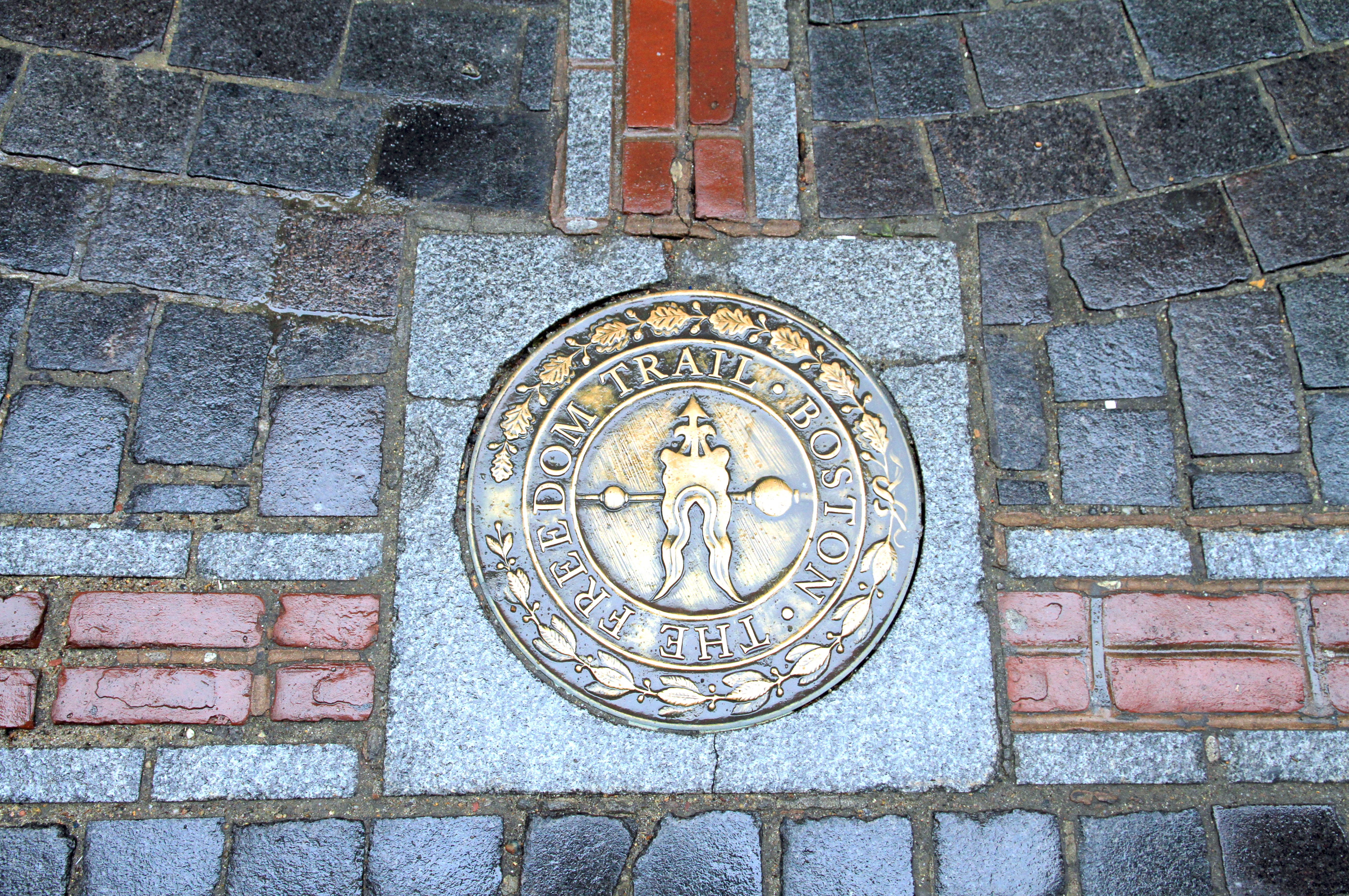
While the American Revolution is the central theme, the Boston Freedom Trail also touches upon other significant aspects of Boston‘s rich heritage, offering a more comprehensive understanding of the city’s historical evolution. The Trail extends to encompass sites that showcase Boston‘s maritime history, its literary legacy, and its enduring role as a center of American innovation and education. This broader scope ensures that the experience is not monolithic, but a layered exploration of American life and progress.
The Trail’s extension beyond the immediate revolutionary sites allows visitors to appreciate the multifaceted nature of Boston‘s historical significance. It demonstrates how the spirit of independence and progress fostered during the Revolutionary War continued to shape the city and the nation in subsequent centuries. This comprehensive approach makes the Freedom Trail a valuable guide for anyone interested in the entirety of the American story, not just its dramatic beginnings.
Maritime Echoes and Cultural Cornerstones
The Trail leads you to Old North Church, famous for the signal lanterns hung on April 18, 1775, “one if by land, and two if by sea,” warning Paul Revere and William Dawes of the approaching British troops. This pivotal moment, immortalized in Henry Wadsworth Longfellow‘s poem, is a cornerstone of American folklore and a highlight of the Trail. The church itself, the oldest standing church building in Boston, offers a serene yet historically charged atmosphere.
Further along, the Paul Revere House provides an intimate glimpse into the life of the silversmith and patriot. This remarkably preserved colonial home allows visitors to step into the living spaces of one of America’s most famous figures, offering a personal perspective on the era. The **North *End*, where the *Paul Revere House* is located, is also one of Boston’s oldest residential neighborhoods, retaining much of its historic charm and offering a delightful contrast to the grander governmental buildings. This area, rich in local culture and culinary delights, adds another dimension to the Trail experience.
The U.S.S. Constitution, the oldest commissioned warship afloat in the world, nicknamed “Old Ironsides,” is another critical stop. Docked in Charlestown, this majestic vessel played a significant role in the War of 1812 and stands as a powerful symbol of American naval strength and resilience. Exploring its decks offers a tangible connection to America’s maritime past and the bravery of its sailors. Nearby, the Bunker Hill Monument, commemorating the first major battle of the Revolutionary War, provides a stunning vista of Boston from its summit, rewarding those who make the climb. These sites collectively illustrate that the Freedom Trail is not merely about the fight for independence, but also about the enduring spirit and achievements of the nation it helped create.
Planning Your Freedom Trail Experience
Embarking on the Boston Freedom Trail is a rewarding experience, and with a little planning, you can maximize your exploration of these significant landmarks. The Trail is accessible to everyone, offering flexibility for various lifestyles, from those on a budget travel adventure to families enjoying family trips. Understanding how to navigate the Trail, where to stay, and what to expect can make your journey even more enjoyable and informative.
The Trail is designed to be walked, but its length and the numerous attractions can be demanding. Comfortable footwear is essential, as you’ll be covering a considerable distance, often on uneven cobblestone streets. The Trail can be explored in sections, allowing you to focus on specific historical periods or areas that particularly interest you. Many visitors opt to spend a full day or even two to fully appreciate each site without feeling rushed.

Accommodation and Logistics for Your Historical Immersion
When it comes to accommodation, Boston offers a wide range of options to suit every traveler’s needs and preferences. From luxurious hotels and boutique inns in the heart of the city to more budget-friendly apartments and guesthouses, there is something for everyone. For those who wish to be in close proximity to the Freedom Trail’s starting point, staying near Boston Common or in the downtown area provides convenient access. Areas like the Back Bay or the **North *End* also offer excellent accommodation choices with their own unique charm.
For luxury travel enthusiasts, Boston boasts world-class resorts and hotels like the Fairmont Copley Plaza Boston or The Langham, Boston, offering opulent amenities and impeccable service. For travelers seeking more affordable options, numerous hotels and hostels are available, and booking in advance, especially during peak tourist seasons, is highly recommended. Consider exploring vacation rentals or apartments for longer stays or if you prefer more space and the option to prepare your own meals, which can be a great way to manage budget travel.
Tourism in Boston is well-developed, with plentiful resources available to assist visitors. Information centers offer maps and guides to the Freedom Trail, and many hotels provide their own curated experiences or can arrange guided tours. The city’s public transportation system, including the MBTA (Massachusetts Bay Transportation Authority), is efficient and can be used to reach the Trail if you are staying further afield or to navigate between sections. Consider purchasing a CharlieCard for easy access to subways and buses. For those interested in a deeper dive, numerous guided tours are available, led by knowledgeable guides who can bring the history to life with captivating stories and insights. These tours can be particularly beneficial for understanding the nuances of the American Revolution and the significance of each landmark. Whether you choose a self-guided exploration or a professionally led tour, the Boston Freedom Trail promises an enriching and memorable journey through the foundational events of the United States.