
Navigating the complexities of travel, especially when venturing to a place as influential and regulated as California, can sometimes introduce unexpected elements. For travelers and businesses alike, encountering a “California 65 Warning” is an increasingly common experience. But what exactly does this warning signify, and why is it relevant to your California adventures, from exploring its iconic landmarks to selecting the perfect accommodation? This comprehensive guide will demystify the California Proposition 65, its implications, and how it might subtly, or not so subtly, impact your travel experiences and lifestyle choices within the Golden State.
Understanding the Origins and Purpose of Proposition 65
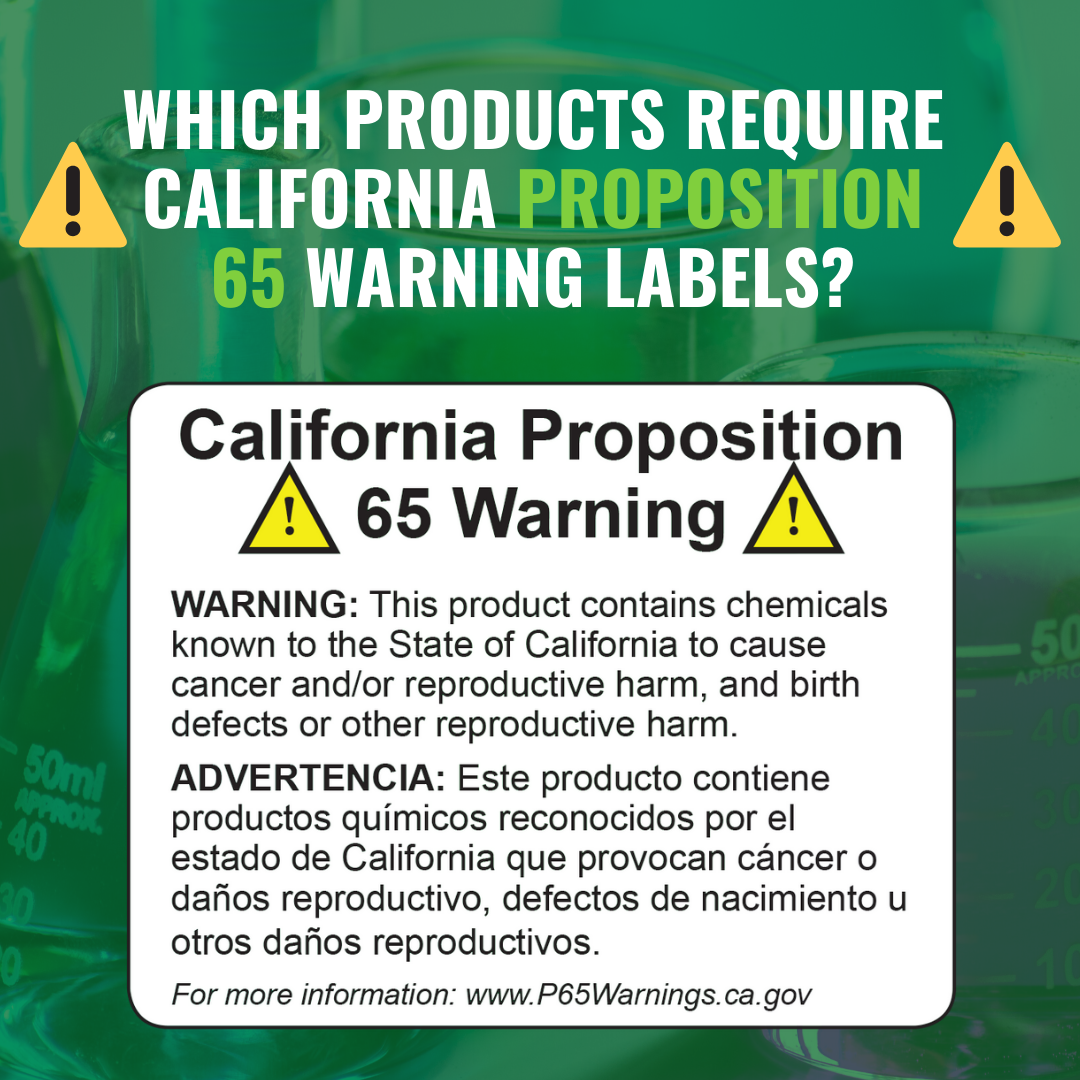
At its core, California Proposition 65, officially known as the Safe Drinking Water and Toxic Enforcement Act of 1986, is a unique piece of legislation designed to protect California citizens and the state’s drinking water sources from chemicals known to cause cancer, birth defects, or other reproductive harm. It’s not a ban on the use of these chemicals, but rather a stringent requirement for businesses to provide “clear and reasonable” warnings before knowingly and intentionally exposing anyone to them.
The Genesis of a Landmark Consumer Protection Law
The initiative was placed on the ballot by a coalition of environmental and public health organizations, driven by concerns over widespread chemical contamination in California. Voters overwhelmingly approved it, establishing a framework that has since become a significant factor in how businesses operate and how consumers make purchasing decisions. Unlike many other regulatory frameworks that focus on setting strict limits for chemical exposure, Proposition 65’s emphasis is on disclosure and consumer awareness. This means even at levels considered safe by federal standards, a warning may still be required if the substance is on the state’s list.
The List of Chemicals: A Dynamic and Evolving Roster
The California Office of Environmental Health Hazard Assessment (OEHHA) maintains and updates the list of chemicals subject to Proposition 65. This list is not static; it evolves as new scientific evidence emerges and as chemicals are added or removed. Currently, it comprises over 900 chemicals, including a wide range of substances that might be encountered in everyday life. These can range from naturally occurring chemicals like arsenic and lead, to synthetic chemicals found in plastics, solvents, dyes, and pesticides.
The inclusion of a chemical on the list doesn’t necessarily mean it’s immediately dangerous in small amounts. Instead, it signifies that the chemical has been identified as having the potential to cause cancer or reproductive toxicity, and therefore, businesses must comply with the warning requirements. This proactive approach by California aims to empower consumers with information, allowing them to make informed choices about the products they buy and the environments they frequent.
Where You Might Encounter a California 65 Warning
The ubiquitous nature of California 65 Warnings means they can appear in a surprising variety of contexts, many of which are directly related to travel and tourism. Understanding these common scenarios can help you be prepared and make informed decisions during your stay.
In and Around Hotels and Accommodation
When you’re looking for hotels in California, whether a luxurious resort in Napa Valley or a budget-friendly apartment in San Francisco, you might encounter these warnings. They are often displayed in lobbies, near restaurant menus, or on product tags.
- Food and Beverages: Many restaurants and hotel dining facilities will post warnings related to chemicals found in certain foods or beverages. For instance, coffee contains acrylamide, a chemical listed under Proposition 65. Similarly, certain alcoholic beverages might carry warnings related to reproductive harm.
- Building Materials and Furnishings: The very construction of hotels, including paint, adhesives, and furniture, can contain chemicals that trigger warnings. You might see these signs in guest rooms, common areas, or even on items like cleaning supplies provided for guest use.
- Amenities: Some hotel amenities, such as air fresheners, candles, or even certain personal care products provided in bathrooms, might also be accompanied by a Proposition 65 warning.
Exploring Attractions and Landmarks
California boasts an incredible array of attractions and landmarks, from the natural wonders of Yosemite National Park to the bustling theme parks of Southern California. Here, too, warnings can be present:
- Gift Shops and Retail Areas: Any shop within a tourist attraction selling goods, whether it’s souvenirs, clothing, or locally made crafts, is subject to Proposition 65. You might find warnings on jewelry (often containing lead or cadmium), toys, or even printed materials.
- Amusement Park Rides and Facilities: The materials used in building and maintaining amusement park rides, as well as food sold within parks like Disneyland or Universal Studios Hollywood, can contain listed chemicals.
- Outdoor and Nature Activities: Even in natural settings, warnings might be relevant. For example, if you’re engaging in activities that might expose you to dust containing lead or other chemicals, such as certain historical sites with lead paint or areas with naturally occurring arsenic in the soil.
Daily Life and Shopping
Beyond the realm of tourism, Proposition 65 warnings are a common sight in everyday California life, impacting lifestyle choices for residents and visitors alike.
- Retail Stores: Virtually any product sold in California that contains a listed chemical above a certain threshold must carry a warning. This includes everything from furniture and electronics to clothing, cosmetics, and food items. You’ll see these on product packaging, shelf tags, or signage within the store.
- Vehicles and Transportation: Car dealerships, repair shops, and even public transportation systems might display warnings related to chemicals found in vehicle exhaust, tires, or upholstery.
- Restaurants and Food Service: As mentioned, food and beverages are a major category for warnings, covering a vast range of items you might consume.
Navigating Proposition 65: What It Means for You
Understanding that a warning exists is the first step. The next is to comprehend what actions you should take, or what implications it has for your travel plans and accommodation choices.
The Role of “Clear and Reasonable” Warnings
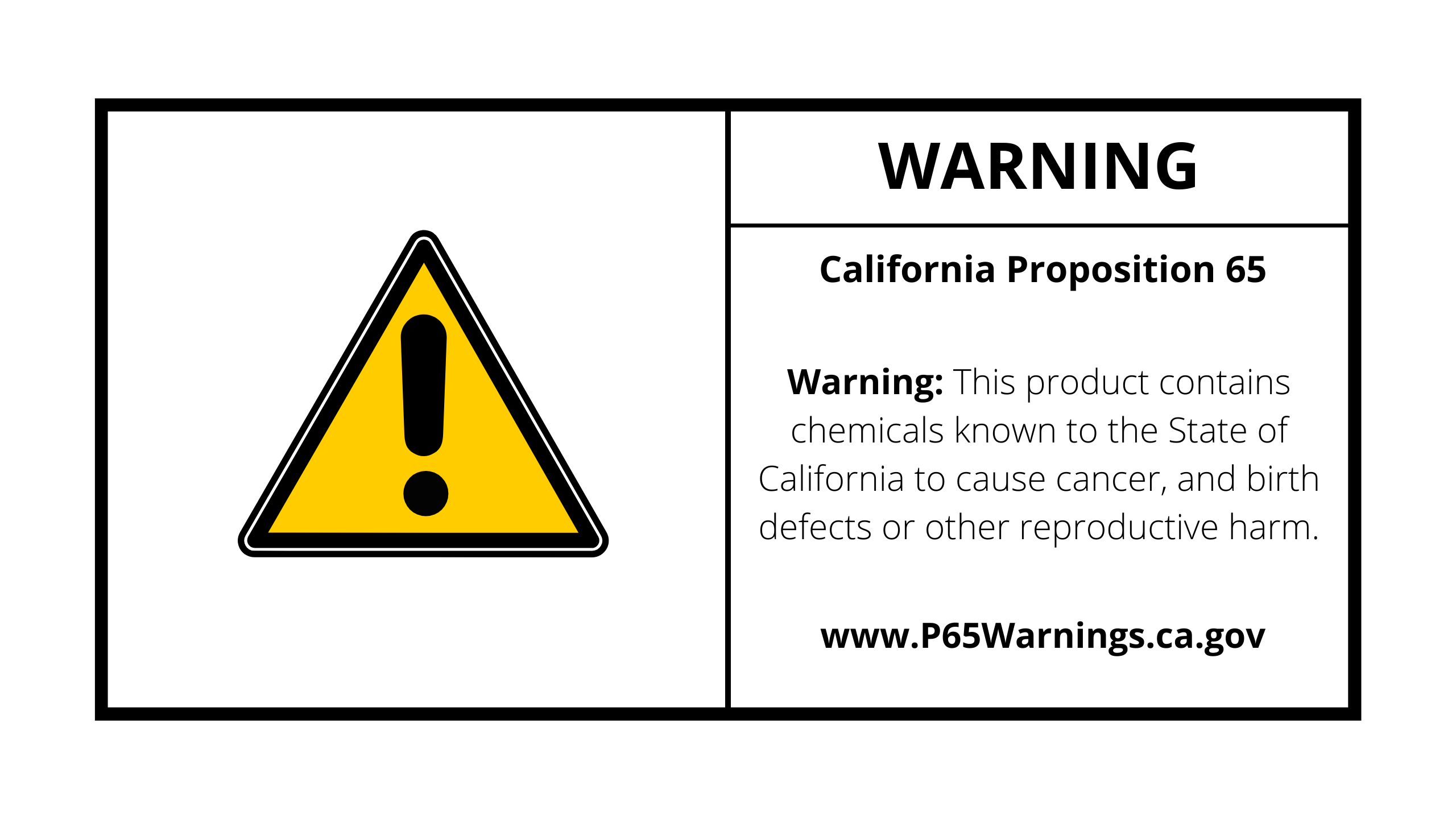
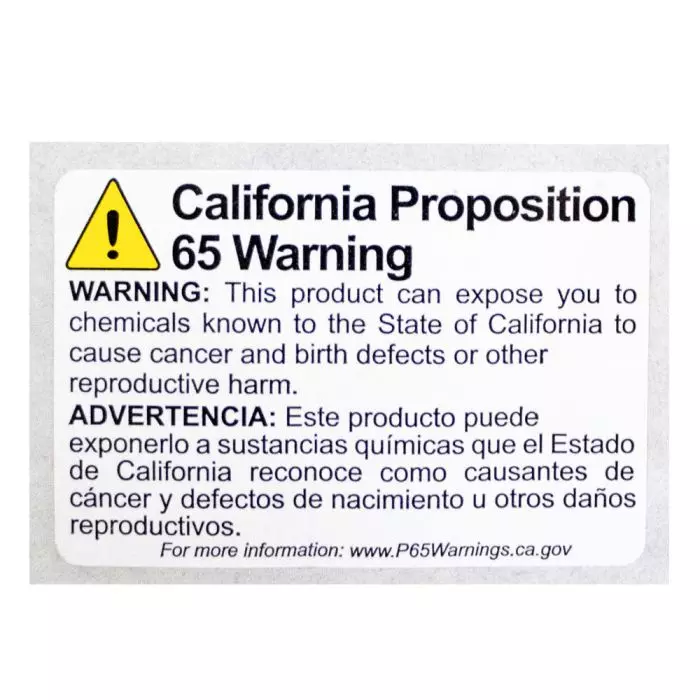
The law requires warnings to be “clear and reasonable.” This generally means they should be easily visible and understandable. You’ll typically see warnings in the form of a specific symbol (a black and white triangle with an exclamation mark) and a statement, often starting with “WARNING: This product can expose you to chemicals including…” followed by the name of the chemical and its associated health risks.
Making Informed Decisions
Proposition 65 is fundamentally about providing information. It empowers you, the consumer, to make choices based on your own risk assessment and personal values.
- Personal Choice and Risk Tolerance: The presence of a warning does not automatically mean a product is unsafe. It means there is a potential for exposure to a listed chemical. Your decision to proceed, avoid a product, or seek alternatives is a personal one. Many listed chemicals are present in very low concentrations, and for many, the risk of adverse health effects is considered low unless exposure levels are significantly high or prolonged.
- Research and Alternatives: If a warning concerns you, especially if you have pre-existing health conditions or specific sensitivities, it’s always a good idea to do further research or look for alternative products or options that do not carry the warning. Many businesses will offer products that are Proposition 65 compliant.
- Impact on Travel Planning: When planning a trip, especially one involving extensive dining out or shopping in California, being aware of Proposition 65 can help manage expectations. You might find yourself reading more labels or noticing more signage than you would in other states. This awareness can also influence choices about accommodation if you have specific concerns related to materials or amenities. For example, if you are looking for family trips with young children, you might pay closer attention to warnings on toys or food items.
The Business Perspective
For businesses operating in or selling to California, compliance with Proposition 65 is a significant undertaking. It involves:
- Chemical Identification: Regularly assessing the chemicals present in their products and operations.
- Exposure Assessment: Determining if consumer exposure to these chemicals exceeds established safe harbor levels.
- Warning Implementation: Developing and displaying appropriate warnings on products, packaging, or at points of sale.
- Record Keeping: Maintaining records to demonstrate compliance.
The cost and complexity of compliance can be substantial, leading some businesses to reformulate products or even choose not to sell certain items in California if compliance is too burdensome. This can, in turn, impact the variety of goods and services available to consumers.
In conclusion, while the term “California 65 Warning” might sound alarming at first, understanding its purpose as a consumer information law is key. It’s a testament to California‘s commitment to transparency and public health, encouraging informed decision-making for everyone, whether they are residents or visitors exploring the diverse destinations and experiences the state has to offer. By being aware of these warnings and their context, you can navigate your California adventures with greater confidence and make choices that align with your personal priorities.