
The world of sushi is vast and wondrous, a culinary landscape brimming with diverse flavors, textures, and ingredients. From the delicate simplicity of Nigiri to the artful complexity of a Dragon Roll, there’s a sushi creation for every palate. Among these beloved offerings, one particular roll has captured the hearts of many, especially those venturing into sushi for the first time: the California Maki. Often seen as an approachable gateway to the broader sushi experience, this vibrant roll offers a delightful combination of familiar ingredients and a unique preparation style. But what exactly is California Maki, and what makes it so special? This article delves into the origins, ingredients, and cultural significance of this popular sushi roll, exploring its place within the broader world of travel, tourism, and lifestyle.

The Genesis of a Sushi Icon: A Tale of Adaptation and Appeal
The story of California Maki is not one rooted in ancient Japanese tradition, but rather in a clever adaptation born out of necessity and a desire to cater to a burgeoning American palate. While the exact inventor and location are subject to some debate, the most widely accepted narrative places its creation in Los Angeles, California, sometime in the 1960s or 1970s. The roll is credited with being developed by sushi chefs aiming to make sushi more palatable to diners unfamiliar with raw fish.
Bridging Cultures: Innovation in Sushi
The introduction of California Maki was a pivotal moment in the globalization of sushi. Japan had a long and proud history of sushi, primarily enjoyed within its own shores. However, as sushi began to gain traction in the United States, chefs recognized the need to bridge cultural differences in taste and perception. Raw fish, while a staple in Japan, was less common and sometimes met with apprehension in the West.
The innovation of the California Maki was in its inclusion of ingredients that were more readily accepted and familiar to American diners, most notably cooked ingredients and the novel concept of an “inside-out” roll, known as Uramaki. This style, where the rice is on the outside and the nori (seaweed) is on the inside, was a game-changer. It allowed the rice to be the dominant visual element, and for toppings like sesame seeds or tobiko (flying fish roe) to be visible, adding an appealing texture and color. This departure from traditional Maki, where the nori is typically on the outside, made the roll less intimidating for newcomers.
The name itself, California Maki, is a direct testament to its origins, celebrating the state where this fusion cuisine was born. It signifies a Californian interpretation of a Japanese dish, a harmonious blend of two distinct culinary worlds. This adaptability is a hallmark of great tourism experiences, where local cultures embrace and re-interpret global trends, creating unique and memorable offerings.
Decoding the Deliciousness: Ingredients and Construction of California Maki
At its core, California Maki is a type of Uramaki sushi roll, meaning the rice is on the outside. This construction method is what sets it apart from traditional Maki rolls and contributes to its approachable nature. The ingredients are carefully selected to create a balanced and satisfying flavor profile, making it a popular choice for both seasoned sushi lovers and those just beginning their culinary journey.
The Essential Components of a Classic California Maki:
- Sushi Rice: The foundation of any good sushi roll, perfectly cooked and seasoned sushi rice is crucial. It’s typically made with short-grain Japanese rice, seasoned with rice vinegar, sugar, and salt. The slightly sweet and tangy flavor of the rice complements the other ingredients.
- Nori (Seaweed): A thin sheet of dried seaweed, Nori is placed on the bamboo mat and then the rice is spread over it. In California Maki, the Nori is on the inside, enveloped by the rice. This softens the sometimes intense flavor and texture of nori for those unaccustomed to it.
- Avocado: This creamy, mild fruit is a star ingredient in California Maki. Its smooth texture and subtle flavor act as a binder and a delightful contrast to the other components. The richness of the avocado is often a primary reason why many find California Maki so palatable.
- Crab Meat: Traditionally, California Maki uses imitation crab meat, also known as surimi. This is a processed fish product that mimics the flavor and texture of real crab. Its mild, slightly sweet taste is universally appealing. High-end versions might use real crab meat, offering a richer flavor.
- Cucumber: Thinly julienned cucumber provides a refreshing crunch and a clean, crisp counterpoint to the creamy avocado and tender crab. This textural contrast is vital to the overall enjoyment of the roll.
The Inside-Out Technique: Uramaki Explained
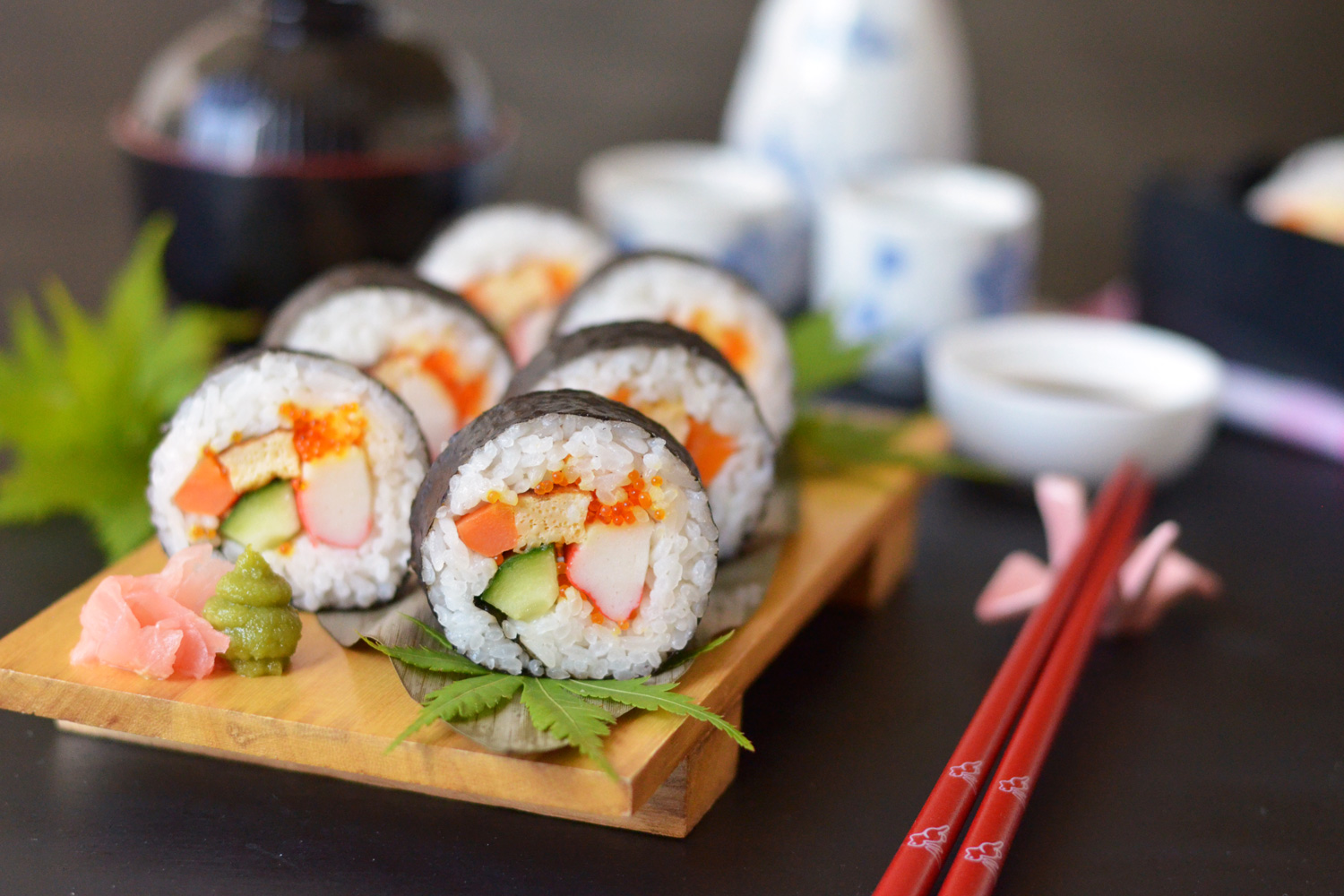
The “inside-out” style of rolling, or Uramaki, is a defining characteristic of California Maki. Here’s how it’s typically prepared:
- Rice Layering: A sheet of Nori is placed on a bamboo rolling mat (makisu). A thin, even layer of sushi rice is spread across the Nori, leaving a small border at the top.
- Flipping and Filling: The Nori and rice are carefully flipped so the rice is now on the bottom and the Nori is on top.
- Ingredient Placement: The filling ingredients – crab, avocado, and cucumber – are arranged in a line across the Nori, closer to the edge nearest the roller.
- Rolling: Using the bamboo mat, the chef expertly rolls the sushi, tucking in the filling and shaping the roll into a firm cylinder.
- Slicing: The completed roll is then sliced into bite-sized pieces, typically 6-8 per roll.
Often, the exterior of the rice is coated with toasted sesame seeds or small, bright orange or red eggs of tobiko. This not only adds a visually appealing texture and color but also introduces a subtle nutty flavor (sesame seeds) or a slight pop and oceanic brine (tobiko). These additions enhance the overall sensory experience, making California Maki a delightful choice for exploring local food scenes when traveling.
Beyond the Basics: Variations and Culinary Connections
While the classic combination of crab, avocado, and cucumber defines the traditional California Maki, the spirit of innovation that birthed it continues to inspire variations. These adaptations reflect the ever-evolving nature of food and its connection to lifestyle, travel, and the desire for new experiences.
Exploring the Diverse World of Maki
The success of California Maki has paved the way for countless other Uramaki rolls. Many variations swap out the imitation crab for other proteins or vegetables. For instance, a Philadelphia Roll, another popular American-inspired sushi creation, features smoked salmon, cream cheese, and often cucumber or avocado. While distinct from California Maki, it shares the same principle of adapting sushi to Western tastes and ingredients, often found in resorts and apartments catering to international guests.
Furthermore, the concept of rolling ingredients that are more familiar to Western palates has led to rolls like the Spicy Tuna Roll, which uses cooked tuna mixed with a spicy mayonnaise. These variations highlight how tourism and culinary exploration go hand-in-hand, with chefs constantly creating new dishes to cater to diverse preferences. Even within hotels, dedicated sushi bars often feature special rolls that are unique to their establishment, blending local ingredients with global sushi techniques.

The Cultural Significance and Travel Implications
California Maki is more than just a sushi roll; it’s a symbol of cultural exchange and culinary evolution. Its widespread availability in restaurants across the globe, from the bustling streets of Tokyo to the quaint cafes of Europe, is a testament to its universal appeal. When traveling, encountering a California Maki on a menu can be a comforting and familiar sight, offering a taste of home or a bridge to understanding a new culture through a shared culinary experience.
For family trips, California Maki often serves as an excellent introduction to sushi for children and less adventurous eaters. Its mild flavors and cooked ingredients make it a safe and enjoyable option, allowing the whole family to partake in the experience of trying new cuisines. This inclusivity is a vital aspect of tourism, making destinations accessible and enjoyable for a wider range of visitors.
In the realm of luxury travel, while high-end sushi establishments may focus on more traditional and exotic offerings, the California Maki still holds a place, often prepared with premium ingredients like real king crab or adorned with edible flowers and truffle oil. This demonstrates how even a simple, approachable dish can be elevated to meet the standards of sophisticated lifestyles.
Ultimately, California Maki represents the dynamic nature of food culture. It’s a reminder that culinary traditions are not static but are constantly evolving, influenced by geography, culture, and the simple desire to create something delicious that brings people together. Whether you’re a seasoned sushi connoisseur or a curious first-timer, the California Maki offers a delightful and accessible entry point into the fascinating world of sushi, embodying the spirit of global culinary exploration that enriches our travels and broadens our horizons. Its journey from a humble Los Angeles eatery to a globally recognized dish is a compelling narrative of innovation, adaptation, and the enduring power of good food.