
In an increasingly digital world, the idea of carrying a physical wallet brimming with cards feels almost archaic. From boarding passes to payment methods, our smartphones have become central to our daily lives, transforming how we navigate the world. Now, imagine extending that convenience to your driver’s license. This is precisely the vision behind the California Mobile Driving License (MDL) pilot program, a groundbreaking initiative set to redefine identification in the Golden State.
For travelers, residents, and businesses alike, the California MDL represents a significant leap forward in security, convenience, and privacy. As one of several states exploring digital identification, California is on the cusp of integrating this modern solution into various facets of life, from expediting travel through major airports to streamlining everyday transactions. This comprehensive guide will delve into the intricacies of the California MDL pilot, exploring its technology, its wide-ranging implications for travel and tourism, and how it’s poised to shape our digital future.
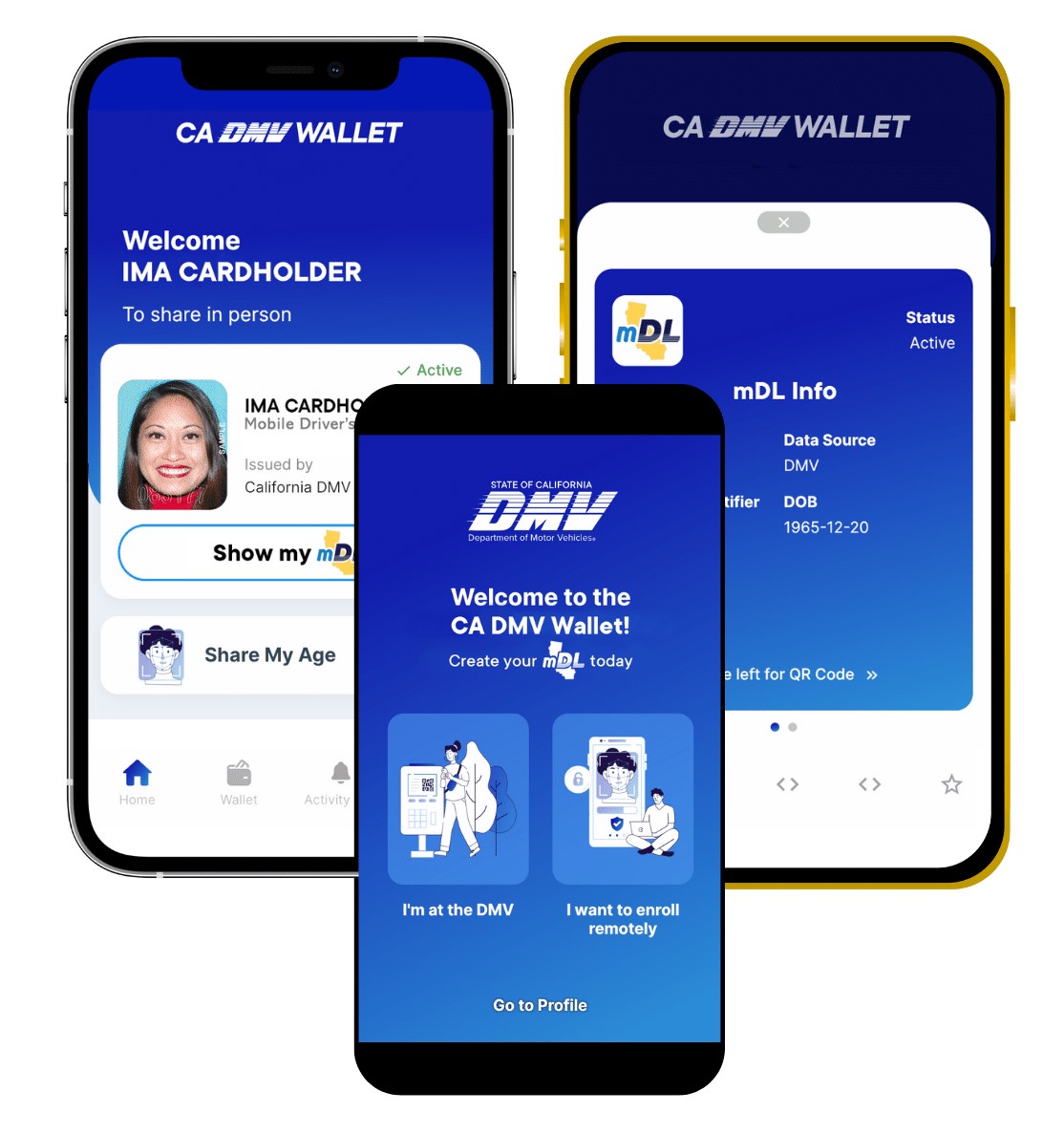
Understanding the California MDL Pilot Program
The concept of a digital driver’s license isn’t entirely new, but its widespread implementation represents a significant paradigm shift. The California MDL pilot program is not merely about digitizing a plastic card; it’s about creating a more secure, dynamic, and privacy-centric form of identification accessible from the device most of us already carry everywhere: our smartphone.
The Dawn of Digital Identification
The push for digital IDs has gained momentum globally, driven by advancements in mobile technology and an increasing demand for seamless, secure interactions. States like Arizona, Colorado, Maryland, and Utah have already launched or piloted their versions of a mobile ID, paving the way for a future where physical documents are no longer the sole arbiters of identity. California’s entry into this space underscores the growing recognition of the need for an integrated, secure digital identity solution that can adapt to modern challenges and opportunities.
The California Department of Motor Vehicles (DMV) is at the helm of this initiative, working in collaboration with technology partners to ensure the MDL meets stringent security standards while offering unparalleled user convenience. The ultimate goal is to provide a reliable digital alternative to the physical driver’s license, enhancing user control over personal data and reducing the risk of fraud.
Key Features and Technology Behind California MDL
At its core, the California MDL is designed to reside securely within a user’s digital wallet application, such as Apple Wallet on iOS devices or Google Wallet on Android phones. This integration leverages the robust security features already built into these platforms, including biometric authentication like Face ID or Touch ID, ensuring that only the device owner can access their digital ID.
Beyond simple digitization, the California MDL incorporates several advanced features:
- Dynamic Security Elements: Unlike static physical cards, MDLs can display real-time security features, making them far more difficult to counterfeit.
- Privacy Control: Users can selectively share information. For instance, when proving age for alcohol purchase, only the “over 21” verification may be shared, without revealing birthdate or address.
- Encrypted Data: All personal data is encrypted, protecting it from unauthorized access.
- Offline Accessibility: The MDL can be presented even without an internet connection, ensuring reliability in various situations.
The technology adheres to national standards set by organizations like the American Association of Motor Vehicle Administrators (AAMVA), ensuring interoperability and paving the way for potential acceptance across state lines in the future.
The Pilot Phase: Who, What, Where?
The MDL program in California is initially rolling out as a pilot, involving a limited number of participants and specific use cases. This phased approach allows the DMV to gather feedback, refine the technology, and iron out any challenges before a broader rollout.
During the pilot, participants can use their digital ID at select locations, primarily focusing on:
- TSA Checkpoints: The Transportation Security Administration (TSA) has been a key partner in this endeavor, accepting digital IDs from participating states at designated airports. This is a critical step towards seamless air travel.
- Law Enforcement Interactions: While still in early stages, the pilot aims to test the secure and privacy-preserving presentation of an MDL during traffic stops or other interactions with law enforcement, such as the California Highway Patrol (CHP).
- Age Verification: Select retailers and licensed establishments are participating to test age verification for age-restricted purchases.
The pilot program is carefully monitored to evaluate the user experience, technical performance, and acceptance rates across various scenarios. This data is crucial for the eventual statewide expansion and the integration of MDL into daily life.
The Transformative Impact on Travel and Tourism in California
For a state as popular for tourism and travel as California, the MDL program holds immense promise. It’s poised to enhance every aspect of the traveler’s journey, from arriving at the airport to checking into a hotel and exploring iconic California landmarks.
Streamlined Airport Security and Domestic Travel
One of the most immediate and impactful benefits of the California MDL is its potential to revolutionize airport security. Passengers participating in the pilot can present their digital ID at select TSA checkpoints. This can mean:
- Faster Verification: With compatible readers, the digital ID can be verified instantly, potentially speeding up lines at major hubs like Los Angeles International Airport (LAX), San Francisco International Airport (SFO), Oakland International Airport (OAK), Sacramento International Airport (SMF), and John Wayne Airport (SNA).
- Enhanced Security: Digital IDs incorporate advanced encryption and anti-counterfeiting measures, making them more secure than physical cards.
- Reduced Touchpoints: Less need to hand over a physical card, promoting hygiene.
This integration with TSA represents a significant step towards a truly digital identity ecosystem, moving beyond the physical REAL ID requirements. For domestic travelers, it promises a smoother, more efficient start to their journeys across the vast and varied landscape of the United States.
Enhancing Hotel and Accommodation Experiences
The MDL also stands to significantly improve the experience of booking and checking into accommodation in California. Imagine walking into a boutique hotel in Napa Valley or a luxury resort in Laguna Beach and completing your check-in with a simple tap of your phone.
- Expedited Check-ins: Participating hotels, from major chains like Marriott International and Hilton Worldwide to independent hotels and apartments, could offer faster ID verification.
- Secure Age Verification: For guests wanting to access amenities like hotel bars, casinos, or adult-only pools, the MDL offers a privacy-enhanced way to prove age without sharing excess personal information.
- Reduced Risk of Lost IDs: Travelers often worry about losing their wallet. With a digital ID, this concern is mitigated, as the ID remains secure on their smartphone.
The convenience extends to other forms of accommodation, including vacation rentals and villas, where identity verification is a standard procedure. This modern approach to ID aligns perfectly with the expectations of today’s tech-savvy travelers seeking seamless experiences.
Facilitating Access to California’s Iconic Landmarks and Attractions
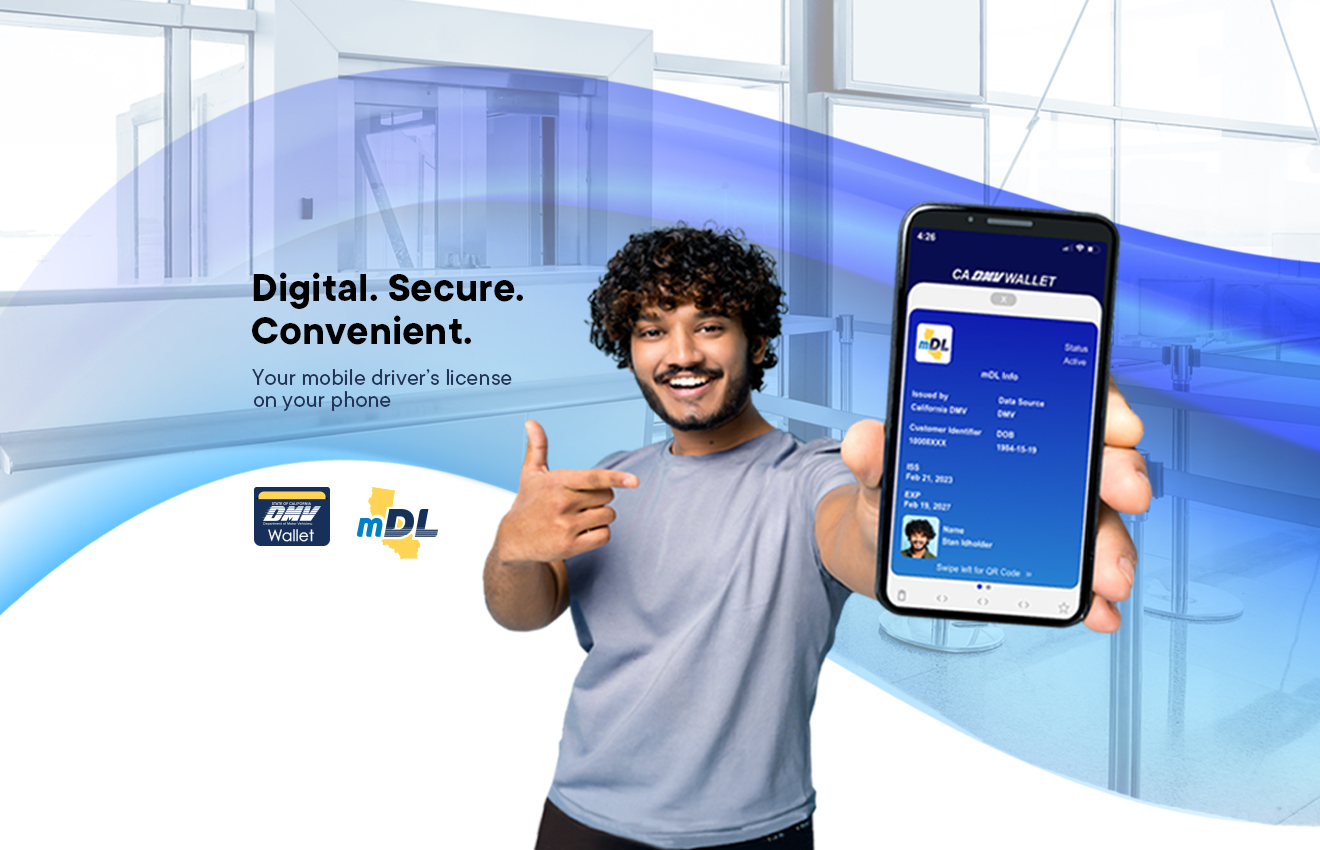
California is home to an unparalleled array of landmarks, attractions, and experiences. From the magical gates of Disneyland Resort to the majestic vistas of Yosemite National Park, and the urban buzz of San Francisco or Los Angeles, visitors often need to present identification.
- Age Verification at Venues: Accessing concerts, clubs, breweries, or even certain areas within theme parks or museums that have age restrictions becomes simpler and more discreet with an MDL.
- Event Entry: For events requiring ID, such as conferences in Silicon Valley or festivals in Palm Springs, the digital ID offers a quick and secure method of entry.
- Government Buildings and Tours: While less common for tourists, some tours or access to government-related landmarks may require ID, where the MDL could be utilized.
This ease of access contributes significantly to a more enjoyable and stress-free tourism experience, allowing visitors to immerse themselves fully in California’s rich culture, vibrant food scene, and diverse activities.
A New Era for Car Rentals and Road Trips
California is synonymous with road trips, from cruising down Pacific Coast Highway to exploring the deserts of Death Valley National Park. Renting a car is often a crucial part of the travel experience.
- Streamlined Rental Process: Car rental agencies like Hertz, Enterprise Rent-A-Car, Avis, and Budget could integrate MDL verification, potentially reducing wait times at the counter.
- Digital Driving Record Access (future potential): While not part of the initial pilot, future iterations could allow for the secure sharing of driving records if required by rental companies for insurance purposes, with user consent.
- Reduced Physical Document Dependency: Less worry about misplacing a physical license during a multi-city California adventure.
The MDL makes the entire process of getting on the road and exploring California’s scenic routes, from Big Sur to the Redwood National Park, more efficient and secure.
MDL and the Future of Lifestyle and Convenience
Beyond the immediate benefits for travel and tourism, the California MDL program signifies a broader shift towards a digital lifestyle. It embodies modern convenience, enhanced security, and a greater degree of personal control over one’s identity.
Everyday Applications Beyond Travel
The utility of a digital ID extends far beyond airports and hotels. As the pilot expands and the technology matures, the MDL is expected to become an integral part of everyday life for California residents:
- Retail Purchases: Age verification for alcohol, tobacco, or cannabis in stores.
- Banking and Financial Services: Potentially streamlining in-person identity verification at banks or credit unions.
- Government Services: Easier access to public services or appointments requiring ID.
- Venue Entry: Access to sports arenas, concert halls, or other entertainment venues.
This widespread applicability underpins the transformative potential of the MDL, reducing the friction associated with proving identity in various scenarios and making daily life more seamless and efficient. Whether one opts for luxury travel or budget travel, the underlying convenience of a digital ID will benefit all.
Security, Privacy, and User Trust
A primary concern with any digital identification system is security and privacy. The California MDL is designed with these considerations at its forefront:
- Data Minimization: Users can choose to share only the necessary information, protecting their broader personal data. For instance, a bouncer only needs to know if you’re “over 21,” not your exact birthdate or home address.
- Dynamic Data: The digital ID can feature dynamic visual elements, making it instantly distinguishable from a screenshot or fake.
- Device Security: Leveraging smartphone biometrics (Face ID, Touch ID) means the ID is protected even if the phone is lost or stolen.
- User Control: The individual retains control over their data and decides when and what to share, fostering trust in the system.
The DMV emphasizes that the MDL is not a tracking device. It does not transmit location data and is designed to empower users with greater control over their identity in a digital age, aligning with global best practices for digital identity solutions.
The Broader Vision: A National Digital ID Landscape
While the California MDL is a state-specific initiative, its success and the experiences of other pioneering states like Florida contribute to a broader national dialogue about digital identity. The goal is ultimately to create a system where a mobile ID issued in one state is seamlessly accepted across the United States.
- Interoperability: Adherence to AAMVA standards is crucial for this future interoperability, allowing for cross-state acceptance.
- Federal Support: The Department of Homeland Security (DHS) and TSA are actively involved in supporting and testing these programs, indicating federal interest in a unified approach.
- International Potential: In the long term, successful national implementation could even pave the way for international recognition, though this is a more distant prospect.
The California MDL is thus not just a local project but a vital piece of a larger puzzle, contributing to the evolution of identity management in an increasingly connected world.
Preparing for a Digital Future: What Travelers and Residents Need to Know
For those eager to embrace the convenience of a digital ID, understanding the current status and future outlook of the California MDL pilot is key.
How to Participate (or Prepare to Participate)
As a pilot program, enrollment in the California MDL is currently by invitation or limited to specific groups.
- Stay Informed: The best way for residents to prepare is to monitor official announcements from the California DMV website. They will provide updates on eligibility, enrollment periods, and how to download the official app once it’s widely available.
- Smartphone Readiness: Ensure your smartphone is up-to-date with the latest operating system and compatible with digital wallet applications like Apple Wallet or Google Wallet.
- Physical ID Still Essential: During the pilot phase and likely for the foreseeable future, a physical driver’s license or state ID will remain a mandatory backup. The MDL is a complementary option, not a complete replacement yet.
For travelers visiting California, if you are from a state that already has an active digital ID program accepted by TSA, you may be able to use it at California airports. Otherwise, continue to rely on your physical ID.

Current Limitations and Future Expansions
While the promise of the MDL is immense, it’s important to acknowledge its current limitations:
- Limited Acceptance: During the pilot, acceptance is restricted to specific venues and situations. It is not universally recognized everywhere a physical ID is required.
- Device Dependence: The MDL relies on a functional smartphone with battery life.
- Interstate Recognition: While a long-term goal, widespread acceptance across all states is still some way off.
Future expansions will likely include broader enrollment, increased acceptance points (from retail to government services), and deeper integration into the digital infrastructure of California. The program is a testament to the state’s commitment to innovation and its dedication to improving the lives of its residents and the experiences of its many visitors.
In conclusion, the California MDL pilot program is more than just a tech novelty; it’s a pivotal step towards a more secure, convenient, and privacy-respecting future for identification. By leveraging the power of smartphones, it promises to streamline everything from air travel to hotel check-ins, making the Golden State an even more accessible and enjoyable destination for all. As this pilot evolves, it will undoubtedly shape the way we think about identity in the 21st century, paving the way for a truly integrated digital lifestyle.
LifeOutOfTheBox is a participant in the Amazon Services LLC Associates Program, an affiliate advertising program designed to provide a means for sites to earn advertising fees by advertising and linking to Amazon.com. Amazon, the Amazon logo, AmazonSupply, and the AmazonSupply logo are trademarks of Amazon.com, Inc. or its affiliates. As an Amazon Associate we earn affiliate commissions from qualifying purchases.