
Planning a trip to the Golden State or considering a move to its sun-drenched shores? Whether you dream of strolling along the iconic beaches of Santa Monica, exploring the vibrant city life of Los Angeles, or savoring world-class wines in Napa Valley, understanding the local economic landscape is crucial for a smooth and enjoyable experience. One of the most significant factors influencing the cost of living and, by extension, the cost of travel in California is its minimum wage. Known for its progressive policies and high cost of living, California stands out with minimum wage rates that often surpass federal standards and even many other states.
For travelers, this isn’t just an abstract economic statistic. It directly impacts everything from the price of your hotel room and that exquisite meal you enjoy to the cost of guided tours and local services. For those contemplating working in California’s bustling tourism and hospitality sectors, knowing the minimum wage is fundamental. This comprehensive guide will delve into the intricacies of California’s minimum wage, explore its implications for your travel budget, and offer insights on navigating the state whether you’re seeking luxury or planning a budget-conscious adventure. We’ll also touch upon how these wages support the vibrant local communities and the dedicated professionals who make your California experience unforgettable.

Understanding California’s Minimum Wage Landscape
California’s approach to minimum wage is dynamic and multifaceted, often setting a precedent for other states. It’s not simply a single statewide figure; rather, it’s a tiered system influenced by state law, local ordinances, and even specific industry regulations. Understanding this complexity is the first step to accurately estimating costs for your visit or stay.
The Statewide Standard and Its Evolution
Historically, California has been at the forefront of increasing minimum wages to keep pace with the rising cost of living, particularly in its more expensive urban centers. The statewide minimum wage is determined by legislation, often including a schedule of incremental increases over several years. This predictable growth allows businesses and workers to plan accordingly. Typically, the wage is adjusted annually, often on January 1st, to account for inflation and other economic factors. These adjustments aim to ensure that workers, including those in the vast tourism and service industries, can maintain a reasonable standard of living. For instance, the consistent upward trajectory of the minimum wage has profoundly impacted the operational costs for establishments ranging from independent cafes in San Francisco to expansive resorts in Orange County. The commitment to a living wage directly contributes to the quality of service you might encounter, as staff are generally better compensated, fostering a more experienced and motivated workforce.
Local Variations and Ordinances
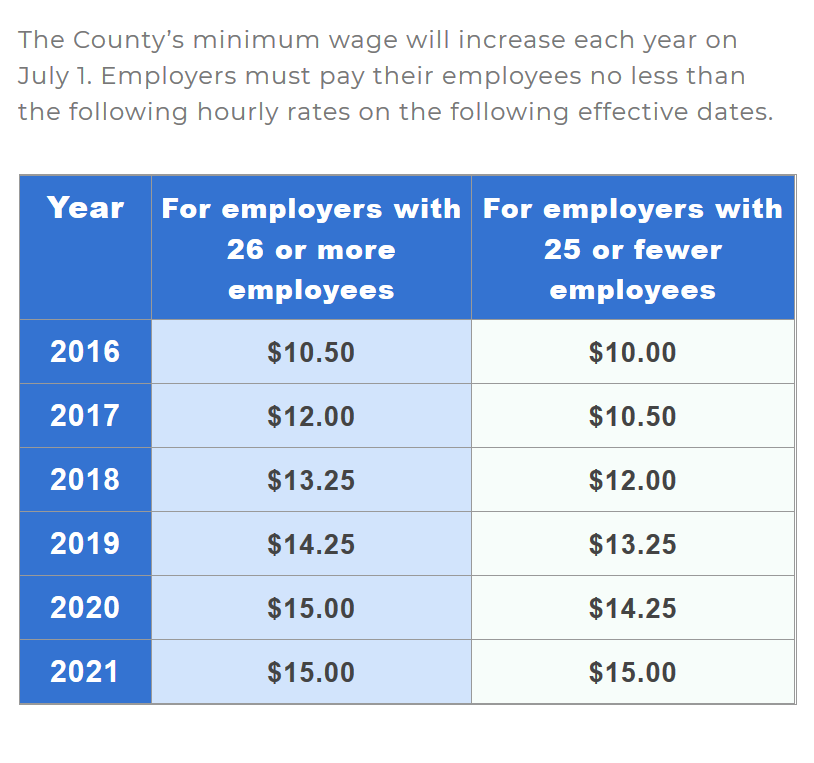
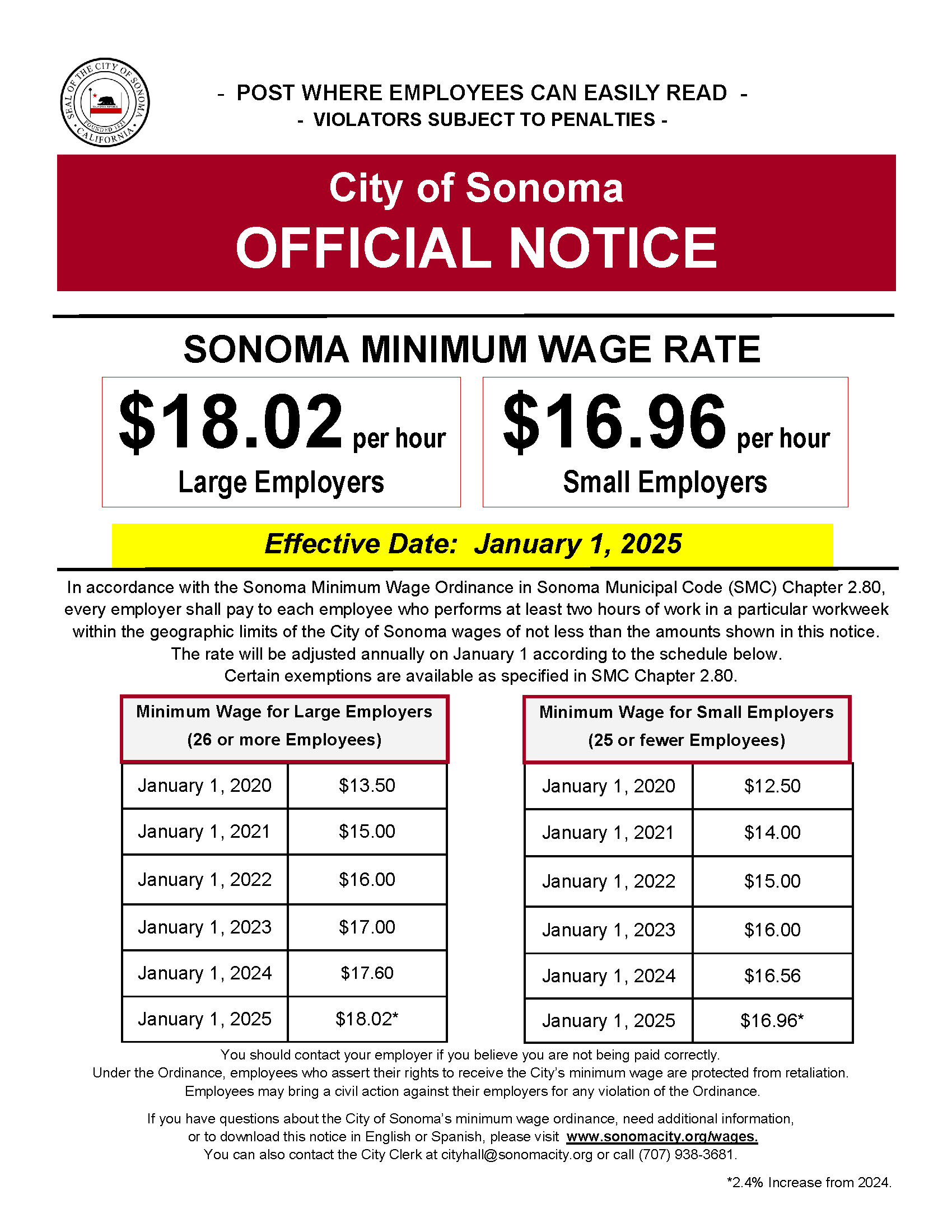
While a statewide minimum wage provides a baseline, many cities and counties across California have enacted their own local ordinances setting even higher minimum wage rates. This is a crucial detail for travelers and potential residents alike, as the cost of services and goods can vary significantly from one locale to another. Major metropolitan areas like San Francisco, Los Angeles, San Diego, and Oakland are prime examples where local minimum wages often considerably exceed the state minimum. Berkeley, Emeryville, and Palo Alto also have notably higher rates.
These local adjustments reflect the higher cost of living in these specific areas, aiming to provide workers with sufficient income to cover expenses like rent and transportation. Consequently, a meal at a restaurant in downtown San Francisco or a night at a boutique hotel in Beverly Hills might reflect these elevated labor costs more prominently than similar services in cities with only the state minimum wage, such as Fresno or Bakersfield. Before finalizing your travel plans, especially if you plan to explore multiple regions, it’s wise to research the specific minimum wage for each city you intend to visit. This knowledge empowers you to budget more effectively and avoid any surprises.
Industry-Specific Wages: A New Frontier
In recent years, California has introduced even more specialized minimum wage laws for particular industries. Most notably, the state has established distinct minimum wages for fast-food workers and, more recently, for healthcare workers. These sector-specific mandates are designed to address unique challenges faced by employees in these high-demand industries and recognize their vital contributions.
For travelers, this means that while the base price of a fast-food meal might see an increase, it also implies a more stable and potentially higher quality of service from a better-compensated workforce. Similarly, the healthcare industry’s wage adjustments, while less directly impacting the average tourist, contribute to the overall economic health and social fabric of the state, indirectly affecting everything from local tax revenues to the availability of essential services. These targeted wage policies demonstrate California’s ongoing commitment to fair labor practices and its dynamic response to evolving economic conditions.
The Minimum Wage and Your California Travel Budget
Understanding California’s minimum wage is not just for economists or policymakers; it’s a practical consideration for anyone planning a trip to the state. The higher labor costs inherent in California’s economic structure directly influence the prices of goods and services that make up the bulk of a typical travel budget.
Accommodation Costs: Where Your Money Goes
One of the most significant line items in any travel budget is accommodation. In California, where minimum wages are higher, the cost of staffing hotels, resorts, and even short-term rental properties is proportionally higher. This translates to increased nightly rates for guests. From luxury suites in Santa Barbara to family-friendly apartments in Anaheim, the wages paid to housekeeping staff, front desk clerks, concierges, and maintenance teams are built into the overall pricing.
For example, a stay at a renowned hotel near Disneyland Resort or overlooking Laguna Beach will reflect these operational realities. Even smaller, independent boutique hotels in charming towns like Carmel-by-the-Sea must account for these expenses. To mitigate these costs, travelers might consider booking well in advance, visiting during off-peak seasons, or exploring different types of accommodation, such as vacation rentals with self-catering options, which can sometimes offer better value, especially for longer stays or family trips. Looking for deals or loyalty programs can also help offset these expenses.
Dining and Entertainment Expenses: Savoring California
California is a culinary paradise, from Michelin-starred restaurants in San Francisco to vibrant food trucks in Los Angeles. However, the higher minimum wage directly impacts the cost of dining out. Restaurants, cafes, and bars factor labor costs—for chefs, servers, bussers, and dishwashers—into their menu prices. This is particularly noticeable in full-service restaurants where the level of human interaction and service is higher.
For entertainment, whether you’re catching a show in Hollywood or visiting a museum, the staff who operate these venues also earn California’s minimum wage. This contributes to ticket prices for various attractions and experiences. To manage dining costs, consider exploring local markets for fresh produce, enjoying casual eateries, or taking advantage of happy hour specials. Many of California’s best experiences are also free, like hiking in Yosemite National Park or visiting the Golden Gate Bridge.
Attraction and Activity Pricing: Experiencing the Golden State
The cost of admission to California’s world-famous landmarks and attractions also reflects the minimum wage. Theme parks like Disneyland Park and Universal Studios Hollywood, iconic museums such as the Getty Center, and guided tours of historical sites like Alcatraz Island all employ a significant number of staff. From ticket takers and ride operators to security personnel and customer service representatives, these individuals contribute to the seamless operation of these popular destinations. Their wages are an integral part of the operational expenses, which are then factored into ticket prices.
For travelers, this means that a trip to California’s premier attractions can be a significant investment. However, many attractions offer multi-day passes, annual memberships, or package deals that can provide savings. Furthermore, California boasts an incredible array of free or low-cost activities and landmarks, such as exploring Golden Gate Park in San Francisco, admiring the views from Griffith Observatory in Los Angeles, or simply enjoying the natural beauty of its extensive coastline from Big Sur to La Jolla.
Navigating California as a Traveler: Tips for Every Lifestyle
California’s diverse landscape caters to every kind of traveler, from those meticulously planning every penny to those seeking the pinnacle of luxury. Understanding the minimum wage’s impact allows you to tailor your travel strategies effectively.
Budget-Conscious Travel Strategies
For travelers looking to explore California without breaking the bank, a higher minimum wage environment necessitates smart planning.
- Off-Peak Travel: Consider visiting during the shoulder seasons (spring or fall) when accommodation and flight prices are generally lower, and popular attractions are less crowded.
- Embrace Free Attractions: California is rich with natural beauty and public spaces that cost nothing to enjoy. Hike in national parks like Joshua Tree National Park or Death Valley National Park, relax on the beaches of Santa Cruz, or drive the scenic coastal highways. Many museums offer free admission days, particularly in cities like Los Angeles and San Francisco.
- Self-Catering Accommodation: Opt for apartments or vacation rentals equipped with kitchens. This allows you to cook some of your meals, significantly reducing dining expenses. Exploring local farmers’ markets provides a taste of local culture and fresh ingredients.
- Public Transportation and Carpooling: In major cities like San Francisco and Los Angeles, public transport can be an efficient and economical way to get around. For longer distances, consider carpooling or utilizing ride-sharing services to save on fuel and parking.
- Seek Out Local Deals and Discounts: Many local tourism boards and websites offer discounts on attractions, tours, and activities. Always check for student, senior, or military discounts if applicable.
Enhancing Luxury Experiences
For those seeking an indulgent lifestyle and premium experiences in California, the higher minimum wage contributes to an elevated standard of service that distinguishes luxury travel.
- Premium Hotels and Resorts: Invest in stays at high-end resorts and five-star hotels that pride themselves on impeccable service, often delivered by a highly skilled and well-compensated staff. These establishments typically offer a wealth of amenities, from world-class spas to gourmet dining, ensuring every need is met. Consider options in Palm Springs for desert luxury or Monterey for coastal elegance.
- Exclusive Experiences: Indulge in private wine tours in Napa Valley, personalized shopping experiences in Beverly Hills, or private yacht charters off the coast of San Diego. While these activities come with a higher price tag, the quality of service and exclusivity are often unparalleled.
- Fine Dining: California’s culinary scene is celebrated globally. Splurge on meals at acclaimed restaurants where the staff, from front-of-house to the kitchen, are professionals dedicated to delivering an extraordinary gastronomic experience.
- Concierge Services: Utilize personalized concierge services offered by luxury hotels or private travel planners. These experts can curate bespoke itineraries, secure coveted reservations, and provide seamless logistics, ensuring a stress-free and opulent journey.
The Broader Economic Picture: Tourism and the Workforce
The minimum wage in California is more than just a number; it reflects a broader commitment to supporting the state’s diverse workforce, particularly within the vital tourism sector. This commitment ultimately contributes to the overall quality and sustainability of travel experiences in the state.
Supporting Local Economies and Service Quality
A higher minimum wage directly impacts the livelihoods of countless individuals working in California’s tourism and hospitality industries. Hotel staff, restaurant servers, retail workers, tour guides, and attraction employees are all beneficiaries of these policies. By ensuring these workers receive a fairer wage, California aims to reduce poverty, enhance economic stability, and improve overall living standards. For visitors, this translates into several positive outcomes. Well-compensated employees are often more motivated, experienced, and committed, leading to better customer service and a more welcoming atmosphere across the board. Whether you’re checking into a resort near Lake Tahoe or being guided through the streets of Sacramento, you’re likely to encounter staff who are invested in their work and proud of the services they provide. This contributes significantly to the positive reputation of California as a premier travel destination, where the quality of human interaction often matches the beauty of its landscapes.
Impact on Business Operations and Adaptations
While higher labor costs can present challenges for businesses, particularly small and medium-sized enterprises, California’s industries have largely adapted. Many businesses innovate by improving efficiency, investing in technology, or finding creative ways to offer value to customers. Large hotel chains and major attractions might leverage economies of scale, while smaller boutique hotels and independent restaurants might focus on niche markets or unique experiences to justify their pricing.
Ultimately, the minimum wage policy in California fosters an environment where businesses strive for excellence, knowing that their workforce is a valuable asset. This proactive approach to labor ensures a sustainable tourism sector, where the people who power the industry are given the means to live and thrive in one of the most dynamic economies in the world, from the tech hubs of Silicon Valley to the agricultural heartland.
Conclusion
The question “What is California minimum wage?” uncovers a complex and crucial aspect of the state’s economic identity. Far from being a mere legislative detail, it’s a foundational element that shapes the costs, quality, and character of every experience you might have in the Golden State. From the statewide floor to the specific ordinances of bustling cities like Los Angeles and San Francisco, and even industry-specific wages, these policies significantly impact everything from the price of a night in a luxury hotel to a casual meal at a local eatery.
For the savvy traveler, understanding these nuances is empowering. It allows you to plan your budget with precision, whether you’re aiming for an economical adventure exploring California’s natural landmarks or indulging in the opulent lifestyle offered by its exclusive resorts. By being aware of how labor costs influence prices, you can make informed decisions about your accommodation, dining, and activities, ensuring that your trip aligns perfectly with your financial goals and desired level of experience.
Moreover, recognizing the role of the minimum wage deepens your appreciation for the dedicated individuals who contribute to California’s world-class tourism industry. Their well-being, supported by these progressive wage policies, directly translates into the vibrant, high-quality service and memorable experiences that make California a premier destination. So, as you pack your bags for your next California adventure, remember that knowing its minimum wage is not just about numbers; it’s about understanding the heart of what makes this state truly golden.