
When planning a trip to the Golden State, understanding the local economic landscape is just as crucial as packing your bags. California is renowned globally for its stunning Pacific Coast Highway, iconic landmarks, diverse culture, and a lifestyle that ranges from laid-back beach towns to bustling metropolitan hubs. However, behind the picturesque scenery and vibrant tourist attractions lies an economic reality characterized by a higher cost of living and, consequently, a robust minimum wage. For travelers, especially those planning long-term stays, family trips, or budget-conscious adventures, knowing the current minimum wage can profoundly impact budgeting for accommodation, dining, activities, and overall travel expenses. It also provides insight into the operational costs faced by the hotels, resorts, and local businesses that form the backbone of California’s thriving tourism industry.

This article delves into the specifics of California’s minimum wage, exploring its current rates, upcoming changes, and the significant role it plays in shaping the travel and tourism experience across the state. From luxury resorts in Beverly Hills to charming cafes in San Francisco, the minimum wage influences everything from the price of a latte to the service quality you encounter, offering a unique lens through which to view your next California adventure.
Understanding California’s Current Minimum Wage Landscape
California has consistently been at the forefront of the national movement for higher minimum wages. This progressive stance reflects the state’s high cost of living, particularly in major urban centers, and an effort to ensure that workers earn a living wage. Unlike many other states, California’s minimum wage policies are multi-layered, involving both statewide mandates and a complex tapestry of local ordinances that can significantly raise the floor in specific cities and counties.
Statewide Rates and Upcoming Changes
As of January 1, 2024, the statewide minimum wage in California is $16.00 per hour for all employers, regardless of size. This represents a significant increase from previous years and solidifies California’s position as one of the states with the highest base wages in the United States.
This $16.00 per hour rate applies broadly across all industries, from retail to manufacturing, and crucially, to the expansive service sector that underpins the state’s tourism economy. Hotels, restaurants, tour operators, and entertainment venues must adhere to this minimum. This uniform rate simplifies compliance for many businesses and provides a predictable baseline for workers.
Looking ahead, California’s minimum wage is subject to annual adjustments based on inflation. The California Department of Finance calculates an adjusted rate each August, which then takes effect the following January 1st. This automatic adjustment mechanism ensures that the minimum wage keeps pace, to some extent, with the rising cost of living, providing ongoing stability for workers and influencing future pricing for services.
Beyond the general statewide rate, California has also implemented specific minimum wage rates for certain industries. A notable example is the fast food industry, where a new law, AB 1228, establishes a minimum wage of $20.00 per hour for workers in fast-food chains with more than 60 locations nationwide, effective April 1, 2024. Similarly, a separate law, SB 525, sets a minimum wage for healthcare workers at a phased rate, eventually reaching up to $25.00 per hour by 2028, depending on the healthcare facility. While these specialized rates primarily affect specific sectors, they underscore the state’s proactive approach to labor compensation and reflect the diverse economic conditions within California.
Local Ordinances: Beyond the State Minimum
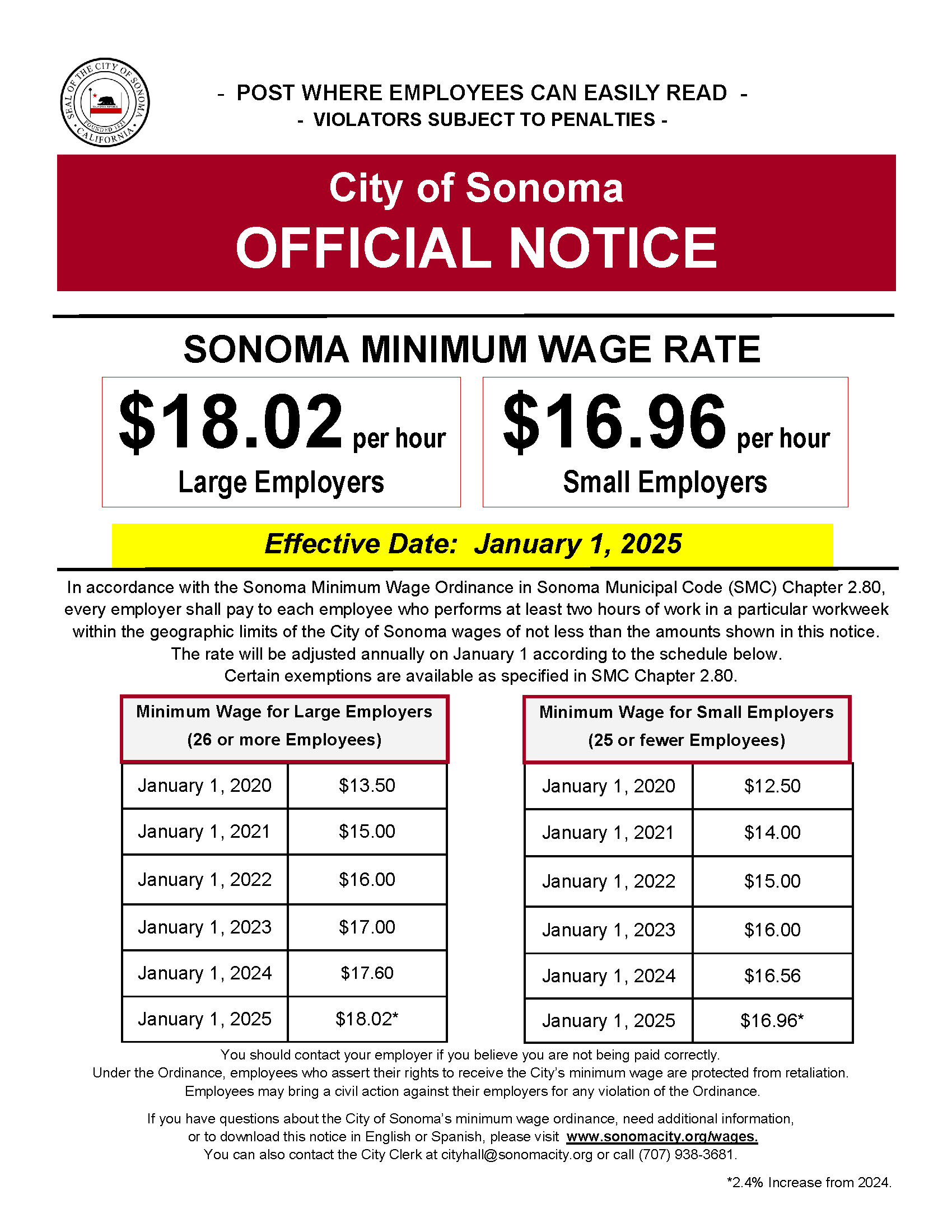
While the statewide minimum wage provides a strong foundation, many California cities and counties have enacted their own local minimum wage ordinances that set even higher rates. This patchwork of regulations means that the actual minimum wage can vary significantly depending on where you are in the state, often reflecting the even higher cost of living in desirable urban centers and tourist destinations.
For instance, major cities like Los Angeles, San Francisco, San Jose, Oakland, and Santa Monica typically have minimum wages that surpass the state’s baseline. These local rates are also often subject to annual increases, usually on July 1st, independent of the statewide January 1st adjustment.
Here are a few examples of cities with higher minimum wages (rates are approximate and subject to change; always check local government websites for the most current figures):
- San Francisco: One of the highest in the nation, often significantly above the state minimum.
- Berkeley: Also known for its higher local minimum wage.
- Emeryville: Frequently cited for having one of the highest city-specific minimum wages in the United States.
- Los Angeles City and County: Typically has a rate above the state minimum.
- San Diego: Also implements a higher local minimum wage.
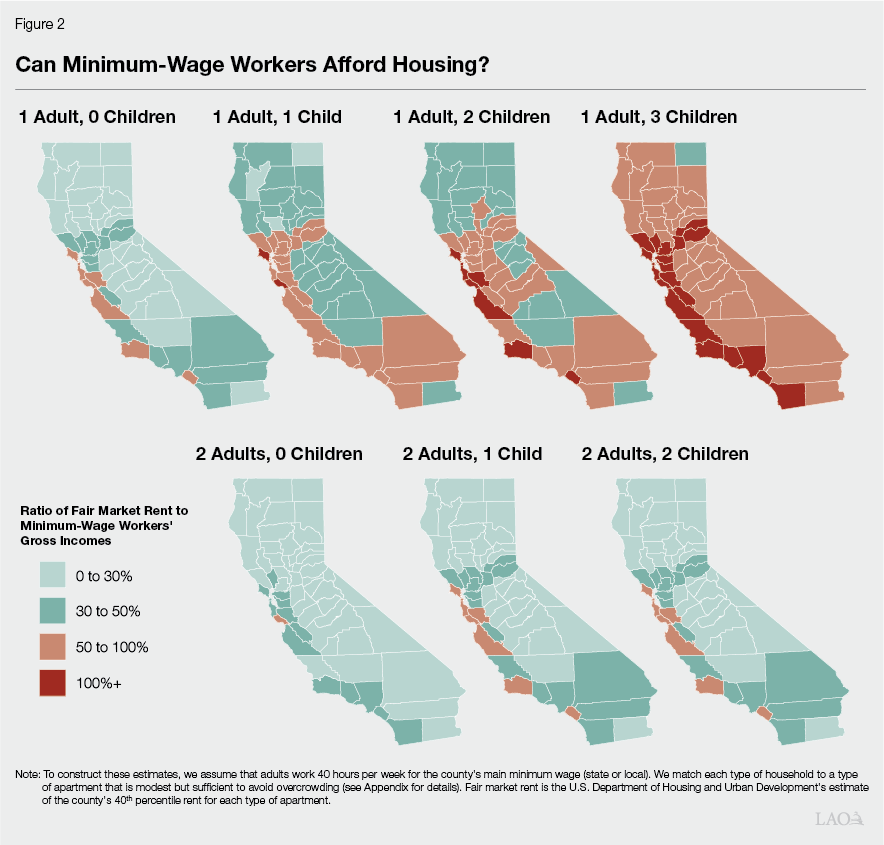
For travelers, this means that the cost of services, dining, and even souvenirs can vary not just by region but by specific city. A coffee in San Francisco or Santa Monica might be priced higher than the same item in a less expensive part of the Central Valley, partly due to differing labor costs. This localized approach is a critical factor for anyone budgeting for a multi-city tour through California, as it directly impacts the operational expenses of hotels, restaurants, and attractions.
Impact on Travel and Tourism in the Golden State
The elevated minimum wage in California, both statewide and through local ordinances, has a direct and multifaceted impact on the state’s robust travel and tourism industry. It influences everything from the price guests pay for a room to the quality of service they receive, making it an essential consideration for anyone planning a visit or involved in the hospitality sector.
Navigating Accommodation Costs
Accommodation is often the most significant expense for travelers, and California’s minimum wage plays a pivotal role in shaping hotel prices. Hotels, resorts, apartments, and villas all rely heavily on staff for operations—from housekeeping and front desk services to concierge and maintenance. Higher labor costs, driven by the minimum wage, translate into higher operational expenses for these businesses.
- Hotel Prices: Expect hotel rates, especially in popular tourist destinations like Los Angeles, San Francisco, Napa Valley, and coastal towns like Santa Monica or Laguna Beach, to reflect these increased labor costs. Luxury properties, which offer extensive amenities and a high staff-to-guest ratio, will naturally have higher prices. However, even budget hotels need to cover their labor expenses, meaning that “budget” in California might still be more expensive than in other states.
- Amenities and Services: The cost of staffing amenities like resort spas, fitness centers, and kids’ clubs is also influenced. While some may view higher wages as leading to higher prices, they can also contribute to a more stable, experienced workforce, potentially improving service quality and the overall guest experience.
- Long-Term Stays and Alternative Accommodation: For those considering long-term stays in vacation rentals or serviced apartments, the underlying labor costs for cleaning, maintenance, and management are still present. This can influence rental prices, although the impact might be less direct than in a full-service hotel. Comparison websites and booking platforms become even more critical for finding value in this market.
Dining Experiences and Tipping Culture
California’s diverse culinary scene, from Michelin-starred restaurants to casual food trucks, is a major draw for tourists. The minimum wage directly impacts restaurant operating costs, which are then reflected in menu prices.
- Menu Prices: Higher wages for kitchen staff, servers, and other restaurant employees mean increased expenses for eateries. Consequently, diners might observe higher prices for meals compared to regions with lower labor costs. This is particularly true in cities with elevated local minimum wages.
- Tipping Culture: Unlike some states where tipped employees have a lower minimum wage, California requires employers to pay all employees, including those who receive tips, the full minimum wage (state or local, whichever is higher). This means that while tipping is still customary and appreciated for excellent service (typically 15-20% for waitstaff), it is less about supplementing a low base wage and more about acknowledging exceptional service and contributing to the server’s overall income. Some establishments may include a service charge, especially for larger groups, which often goes directly to staff. Travelers should always check their bill to avoid double-tipping if a service charge is already included.
- Food Tours and Local Delicacies: When participating in food tours or exploring local markets, the prices of prepared foods and services are also a reflection of labor costs. This understanding helps tourists appreciate the true cost behind their culinary experiences in California.
Attractions, Services, and Employment
Beyond hotels and dining, the minimum wage affects a wide array of tourist attractions and services across the state, from theme parks to museums and guides.
- Attraction Entry Fees: Major attractions like Disneyland Resort, Universal Studios Hollywood, and numerous state and national parks (e.g., Yosemite National Park, Joshua Tree National Park) employ thousands of staff. Increased labor costs contribute to the operating expenses of these venues, which can influence ticket prices and fees for special experiences.
- Tour Guides and Local Activities: Whether you’re booking a wine tour in Sonoma Valley, a surfing lesson in Malibu, or a guided hike in Big Sur, the cost of these services includes compensation for the guides and instructors. A higher minimum wage can mean that these personalized experiences might be priced higher than in areas with lower labor costs.
- Quality of Service and Workforce Stability: A higher minimum wage can contribute to a more stable and experienced workforce in the tourism sector. Employees who feel fairly compensated are often more motivated, leading to better service quality across hotels, restaurants, and attractions. This contributes to California’s reputation for excellent hospitality and customer service, enhancing the overall tourist experience. For businesses, while labor costs are higher, the potential for reduced employee turnover and increased productivity can be a significant benefit.
Budgeting for Your California Adventure
Understanding California’s minimum wage is a cornerstone for effective trip planning. It empowers travelers to make informed decisions, whether they’re dreaming of a luxurious getaway or a budget-friendly road trip across the Golden State.
Smart Choices for Every Lifestyle
California truly offers something for everyone, but the cost can vary dramatically. Your travel budget will largely dictate your choices in accommodation, dining, and activities, all of which are influenced by labor costs.
- Accommodation Strategies:
- Hotels & Resorts: Consider staying slightly outside the absolute busiest city centers to find better value. For example, staying in a neighboring city to Los Angeles or San Francisco can offer significant savings on hotel rooms. Booking in advance, especially during peak seasons, is always recommended. Look for hotels that offer value-added amenities like complimentary breakfast or free parking to offset costs.
- Vacation Rentals: Platforms offering apartments or villas can be cost-effective for families or groups, especially for longer stays, as they often include kitchen facilities, reducing dining-out expenses. However, understand that cleaning fees and service charges also reflect labor costs.
- Budget Accommodation: Hostels, motels, and campsites (especially in California’s stunning national parks like Redwood National and State Parks or Sequoia National Park) offer the most economical lodging options. Be prepared for less luxurious amenities but often a more authentic experience.
- Dining Strategies:
- Balance Fine Dining with Casual Eats: Indulge in California’s world-class restaurants for special occasions, but balance these with more affordable options. Food trucks, local delis, and ethnic eateries offer incredible flavors at a fraction of the cost.
- Cook Your Own Meals: If your accommodation has a kitchen, utilize local grocery stores. This is by far the most effective way to manage food expenses, allowing you to save for a few memorable dining experiences.
- Happy Hour Deals: Many restaurants and bars in cities like San Diego and Santa Barbara offer attractive happy hour specials on food and drinks, a great way to enjoy the local scene without breaking the bank.
Experiencing California on a Budget
Despite the higher cost of living and minimum wage, California can still be explored on a budget with smart planning. The key is to leverage the state’s natural beauty and free attractions.
- Free Attractions: Many of California’s most iconic landmarks and natural wonders are free or low-cost to experience. Walk across the Golden Gate Bridge, explore Griffith Observatory in Los Angeles, stroll along Venice Beach or the Santa Monica Pier, or hike through countless state parks. The entry fees for national parks are usually per vehicle, making them budget-friendly for groups.
- Public Transportation: In major cities like San Francisco and Los Angeles, utilizing public transport can save on parking fees and gas, which are significant expenses.
- Off-Peak Travel: Consider visiting during the shoulder seasons (spring or fall) when crowds are thinner and prices for flights and accommodation are often lower. The weather is still excellent in most parts of the state.
- Student/Senior Discounts: Always inquire about potential discounts for students, seniors, or military personnel at attractions and museums.
Luxury Travel and High-End Services
For those seeking luxury travel experiences, California’s high minimum wage contributes to an environment of unparalleled service and high standards. This is where the investment in labor truly shines.
- Exceptional Service: In high-end resorts and hotels, such as those found in Palm Springs, Napa Valley, or Beverly Hills, the higher minimum wage supports a highly professional, well-trained staff. This translates into attentive service, personalized experiences, and meticulous attention to detail, which are hallmarks of luxury. From expert concierges who can secure exclusive reservations to dedicated spa therapists, the quality of human interaction is a significant part of the value proposition.
- Premium Experiences: High labor costs also enable premium experiences like private tours, bespoke culinary adventures, and exclusive access to events. Staffing these unique services with highly skilled individuals demands appropriate compensation.
- The “California Dream” Lifestyle: For business stays or those seeking the ultimate California lifestyle, the higher cost structure ensures that the workforce supporting these opulent experiences is fairly compensated, reinforcing the state’s progressive image. Travelers can expect world-class hospitality, knowing that the staff providing it are paid a fair wage, contributing to a more ethical consumption of luxury tourism.
Key Takeaways for Visitors and Industry Professionals
For both travelers to California and those within its tourism industry, the current minimum wage is more than just a number; it’s a foundational element of the state’s economic and social fabric.
- For Travelers:
- Budgeting is Paramount: Always factor in the higher cost of living in California, which is directly influenced by the minimum wage. Research specific city minimum wages if your itinerary includes multiple stops.
- Value for Money: While prices might be higher, California’s commitment to fair wages often correlates with excellent service quality. Appreciate the professionalism and dedication of the service staff you encounter.
- Tipping Etiquette: Understand that service staff receive a full minimum wage, so tips are truly an expression of appreciation for exceptional service, rather than a necessary supplement to a sub-minimum wage.
- For Industry Professionals:
- Competitive Compensation: Adherence to state and local minimum wages is crucial for attracting and retaining talent in a competitive market. A well-compensated workforce can lead to higher morale, reduced turnover, and improved guest satisfaction.
- Pricing Strategies: Businesses must factor labor costs into their pricing strategies for accommodations, dining, and attractions to remain profitable. This often necessitates higher prices compared to regions with lower minimum wages.
- Innovation in Service: To justify higher prices, businesses can focus on delivering exceptional value through unique experiences, personalized service, and innovative offerings that stand out. This ensures that guests feel the higher costs are justified by superior quality.
In conclusion, the current minimum wage in California is a dynamic figure, set at $16.00 per hour statewide with many cities exceeding this. It’s a testament to California’s progressive labor policies and directly influences the economics of travel. By understanding these figures, both visitors and industry professionals can navigate the Golden State more effectively, ensuring a rewarding experience that balances cost, quality, and ethical considerations. So, as you plan your journey to California, keep these economic realities in mind, allowing you to fully appreciate the diverse and vibrant experiences this incredible state has to offer.