
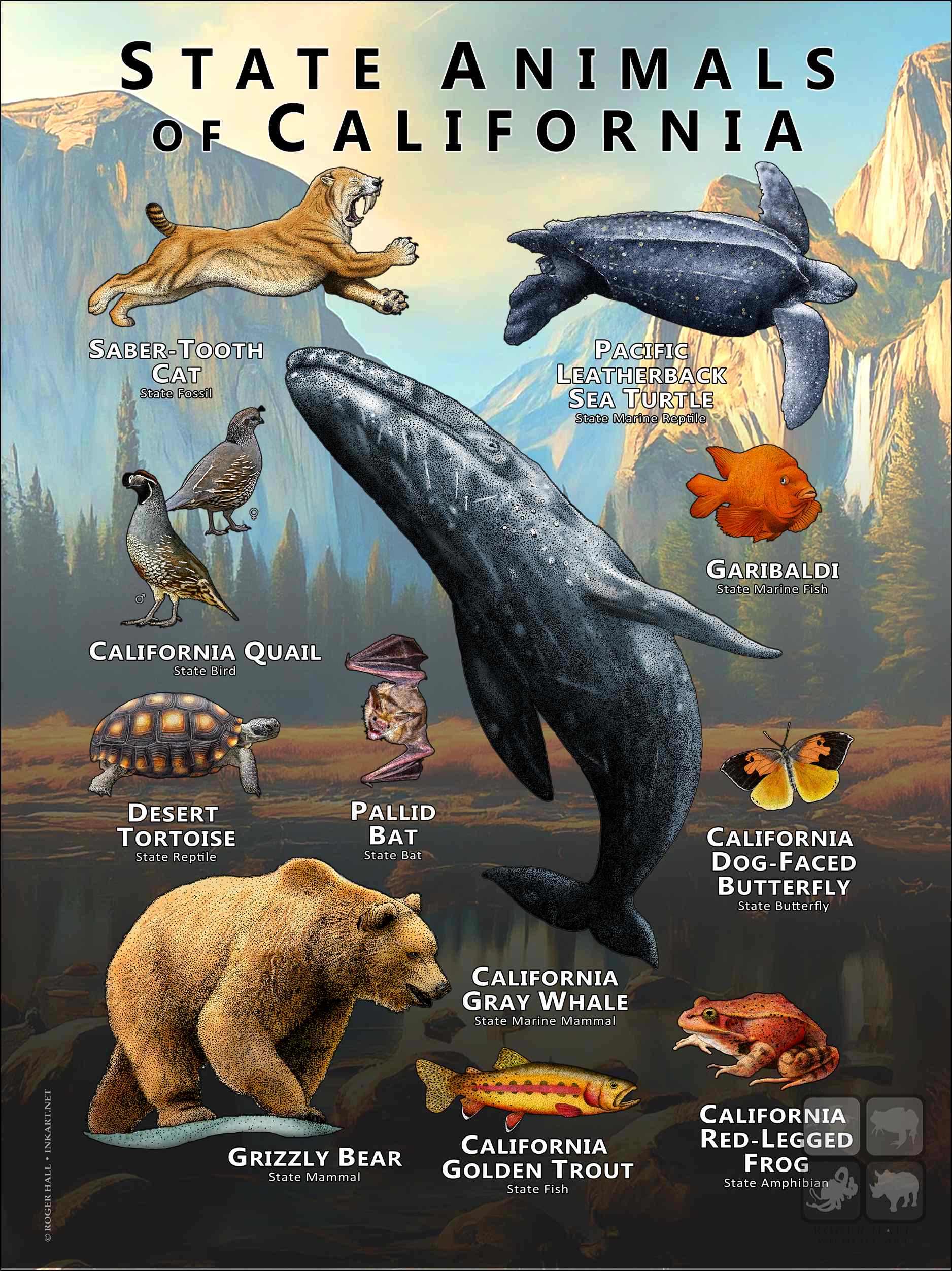
California, a land of diverse landscapes ranging from sun-drenched beaches to towering mountain peaks, holds a rich tapestry of history and natural wonders. When one thinks of the Golden State, images of Hollywood glamour, vast vineyards, and iconic landmarks like the Golden Gate Bridge often come to mind. However, beyond the bustling cities and vibrant cultural scenes lies a deeper connection to its wild heritage, symbolized by its official state animal. The answer to the question “What is California’s state animal?” is the California grizzly bear.
While a majestic and powerful symbol, the story of the California grizzly bear is a poignant one, reflecting both the state’s wild past and the impact of human expansion. This incredible creature, once abundant across the state, has left an indelible mark on California‘s identity, even though it no longer roams its wilderness. For travelers and nature enthusiasts planning a trip to this captivating state, understanding this symbol opens a window into California’s natural history and the importance of conservation, offering a unique perspective on exploring its breathtaking landscapes.

The Legacy of the California Grizzly Bear
The California grizzly bear (Ursus arctos californicus) was once an undisputed monarch of California’s diverse ecosystems. From the coastal redwood forests to the rugged peaks of the Sierra Nevada mountain range, these magnificent animals thrived for thousands of years, shaping the natural environment and becoming an integral part of indigenous cultures. Their sheer size, strength, and commanding presence made them a creature of both awe and fear, earning them a place of reverence and respect.
A Symbol of Wild California
The choice of the California grizzly bear as the official state animal in 1953 was not a mere formality; it was a deeply symbolic act. This bear embodies the strength, independence, and untamed spirit that characterized early California and continues to inspire its residents. Its image is famously emblazoned on the California State Flag, a powerful reminder of the state’s wild frontier days and the natural abundance that once defined it. The flag, known as the “Bear Flag,” was first raised during the Bear Flag Revolt in 1846, long before California became a state. The grizzly depicted on it, standing on a patch of green grass with a red star and stripe, represents courage and strength.
For visitors interested in local culture and history, spotting the grizzly symbol is a frequent occurrence. It appears on official state seals, university mascots, and numerous local businesses, especially in towns bordering national parks. Understanding this symbol enriches the travel experience, allowing tourists to connect with California’s past on a more profound level. It speaks to a time when human presence was less dominant, and the natural world held sway, a sentiment many seek to recapture when exploring California’s remaining wild spaces.
Historical Presence and Decline
At the time of European settlement in the 18th century, an estimated 10,000 grizzly bears roamed California. These omnivores played a vital role in their ecosystems, helping to disperse seeds, control herbivore populations, and scavenge carrion. Their diet was incredibly varied, ranging from berries and nuts to fish and small mammals, showcasing their adaptability to different environments within the state. They were formidable animals, with males weighing up to 1,000 pounds and standing over eight feet tall on their hind legs.
However, the rapid expansion of human settlements, particularly during the California Gold Rush in the mid-19th century, led to an aggressive and systematic eradication of the species. Grizzlies were hunted extensively due to perceived threats to livestock and human safety, and often for sport. Their habitats were fragmented by agriculture and development, leaving them with fewer places to thrive. Within just 75 years of the Gold Rush, the California grizzly bear population plummeted dramatically. The last known wild California grizzly bear was reportedly shot in Orange County in 1922. This tragic extinction serves as a stark reminder of the profound impact human activity can have on native wildlife and ecosystems, a lesson that informs much of modern conservation efforts across the globe.
Experiencing California’s Wilderness Today
While the majestic California grizzly bear can no longer be seen in its natural habitat, its spirit lives on in the vast wilderness areas it once roamed. Today, California offers unparalleled opportunities for travelers to connect with nature, witness incredible wildlife, and immerse themselves in landscapes that remain remarkably wild and pristine. This makes California a premier destination for eco-tourism and adventure travel.

Exploring National Parks and Wildlife Sanctuaries
To truly appreciate the legacy of the grizzly and the beauty of California’s natural environment, a visit to its national parks is essential. These protected areas are where the state’s commitment to preserving its natural heritage shines brightest.
- Yosemite National Park: Famous for its dramatic granite cliffs, giant sequoia groves, and breathtaking waterfalls, Yosemite offers an array of experiences. While grizzlies are gone, black bears are common residents. Tourists can enjoy hiking, rock climbing, photography, and wildlife viewing. Various accommodation options exist within the park, from luxurious Yosemite Valley Lodge and The Ahwahnee (formerly Majestic Yosemite Hotel) to numerous camping sites and cabins. For those seeking a blend of adventure and comfort, glamping experiences are also available just outside the park boundaries.
- Sequoia National Park and Kings Canyon National Park: Home to the largest trees on Earth, these parks offer a profound sense of ancient wilderness. Here, too, black bears roam freely, and visitors often get a chance to see them from a safe distance, foraging in meadows or along trails. The Giant Forest and General Sherman Tree are must-see landmarks. Accommodation ranges from rustic lodges like Wuksachi Lodge to various campgrounds, providing options for different budget and lifestyle preferences.
- Redwood National Park: Along the northern California coast, this park preserves magnificent ancient redwood forests. While a different ecosystem, it offers a glimpse into the pristine environments grizzlies once inhabited. Here, travelers can immerse themselves in incredibly tall groves, hike scenic trails, and enjoy the rugged coastal beauty. Nearby towns offer charming boutique hotels and family-friendly motels, perfect for a restful stay after a day of exploration.
- Big Sur: While not a national park, the stunning coastal region of Big Sur offers a dramatic interface between mountains and the Pacific Ocean. It’s an iconic California destination renowned for scenic drives, hiking, and breathtaking viewpoints. Luxury resorts like Post Ranch Inn and Ventana Big Sur offer unparalleled amenities and experiences for a lavish escape, while state parks along the coast provide opportunities for more budget-friendly camping.
These destinations, among many others across the state, provide opportunities for activities like guided wildlife tours, photography workshops, and educational programs that highlight California’s biodiversity. Exploring these areas offers a chance to experience the very essence of the wild spirit the grizzly symbolizes, making them essential stops on any California travel itinerary focused on nature and adventure.
Planning Your California Nature Getaway
Organizing a trip to California’s natural wonders requires careful planning, especially when considering the breadth of options available. Whether you’re planning a family trip, a romantic escape, or a solo adventure, California’s diverse tourism sector caters to every lifestyle.
- Accommodation Choices: California’s accommodation landscape is as varied as its geography. For those seeking luxury travel, world-class resorts and villas offer opulent amenities and concierge services near scenic vistas, from Napa Valley to Palm Springs. Mid-range hotels and suites provide comfortable stays in cities like San Francisco or Los Angeles, serving as excellent bases for day trips to natural attractions. Budget travelers and outdoor enthusiasts can opt for well-maintained campgrounds, charming bed & breakfasts, or vacation apartments booked through popular platforms. Many lodges within or near national parks also offer excellent experiences, ranging from rustic to comfortably upscale.
- Travel Guides and Experiences: Utilize comprehensive travel guides and local tour operators to enhance your experience. Many offer specialized tours focusing on wildlife photography, geology, or indigenous history. Guided hikes can provide insights into local flora and fauna, making your journey more educational and engaging. Consider activities like kayaking on Lake Tahoe, exploring the underwater kelp forests off Monterey Bay, or even taking a scenic train ride through the wilderness.
- Responsible Tourism: When visiting California’s natural areas, practicing responsible tourism is paramount. This means staying on marked trails, not disturbing wildlife, carrying out all trash, and respecting local regulations. Education centers in national parks, such as the Yosemite Valley Visitor Center or the Sequoia National Park Lodgepole Visitor Center, offer valuable insights and tips for minimizing your environmental footprint and ensuring a safe, enjoyable visit for everyone.
Beyond the Grizzly Bear: Conservation and Future
The story of the California grizzly bear serves as a powerful testament to the delicate balance between human progress and environmental preservation. Its extinction is a somber reminder, yet it has also spurred significant conservation efforts across California and beyond. Today, the focus is on protecting existing species and restoring habitats, ensuring that no other animal shares the grizzly’s fate.
The Importance of Protecting California’s Ecosystems
California is a global biodiversity hotspot, home to an incredible array of plant and animal life, many of which are endemic to the state. The lessons learned from the grizzly bear’s disappearance have catalyzed extensive efforts to protect and restore these unique ecosystems. Organizations like the California Department of Fish and Wildlife and various non-profit groups work tirelessly on habitat restoration, wildlife corridors, and reintroduction programs for endangered species.
For travelers, engaging with these conservation efforts can add another layer of meaning to their trip. Visiting wildlife rehabilitation centers, participating in volunteer programs, or simply choosing eco-friendly accommodations and tour operators contributes to sustainable tourism. Supporting local businesses that champion environmental causes also helps funnel resources into preserving California’s natural beauty for future generations. Landmarks like the California Academy of Sciences in San Francisco or the Natural History Museum of Los Angeles County offer educational exhibits that delve into the state’s natural history and ongoing conservation challenges, providing valuable context for understanding the wilderness areas.
The legacy of the California grizzly bear, though marked by absence, profoundly influences California’s approach to nature and tourism. It stands as a timeless symbol of the state’s wild heart and a call to action for every visitor and resident to cherish and protect its remaining natural treasures. From the majestic Redwood National Park to the serene shores of Lake Tahoe, California continues to offer unparalleled natural beauty and adventure, inviting everyone to explore its rich landscapes while honoring the spirit of its iconic state animal. A journey through California’s wilderness is not just a vacation; it’s an opportunity to connect with a powerful history and contribute to a vibrant future for its extraordinary natural world.