
California, a land of sun-kissed beaches, towering redwoods, and vibrant cities, beckons millions of travelers each year with its unparalleled beauty and diverse experiences. From the iconic Golden Gate Bridge in San Francisco to the glamorous boulevards of Los Angeles, and the enchanting vineyards of Napa Valley to the pristine wilderness of Yosemite National Park, the Golden State truly offers something for every type of explorer. However, as you meticulously plan your dream vacation, securing the perfect accommodation, mapping out exciting attractions, and budgeting for unforgettable experiences, there’s a crucial, often overlooked, element that can significantly impact your travel finances: California State Tax.
Understanding the various taxes you’ll encounter as a visitor to California is not just a matter of financial prudence; it’s an essential part of savvy travel planning. These taxes, encompassing everything from sales tax on souvenirs and meals to specific lodging and car rental fees, can add up quickly, potentially altering your perception of a budget or even a luxury trip. Rather than being caught off guard, a little foresight can help you navigate these costs seamlessly, ensuring your travel funds are spent on making memories, not on unexpected surcharges. This comprehensive guide aims to demystify California’s tax landscape for tourists, empowering you to budget wisely and enjoy every moment of your Golden State adventure without any financial surprises. We’ll delve into the most common taxes affecting travelers, explaining how they work, where you’ll encounter them, and how to factor them into your overall travel lifestyle.
Navigating Sales Tax: Your Guide to Shopping and Dining in California
One of the most pervasive taxes you’ll encounter during your California travels is the sales tax. This tax is applied to the sale of most goods and some services, making it a constant companion whether you’re grabbing a casual meal, indulging in a shopping spree, or picking up unique souvenirs. Understanding how it works is fundamental to managing your daily expenditures.
The Basics of California Sales Tax
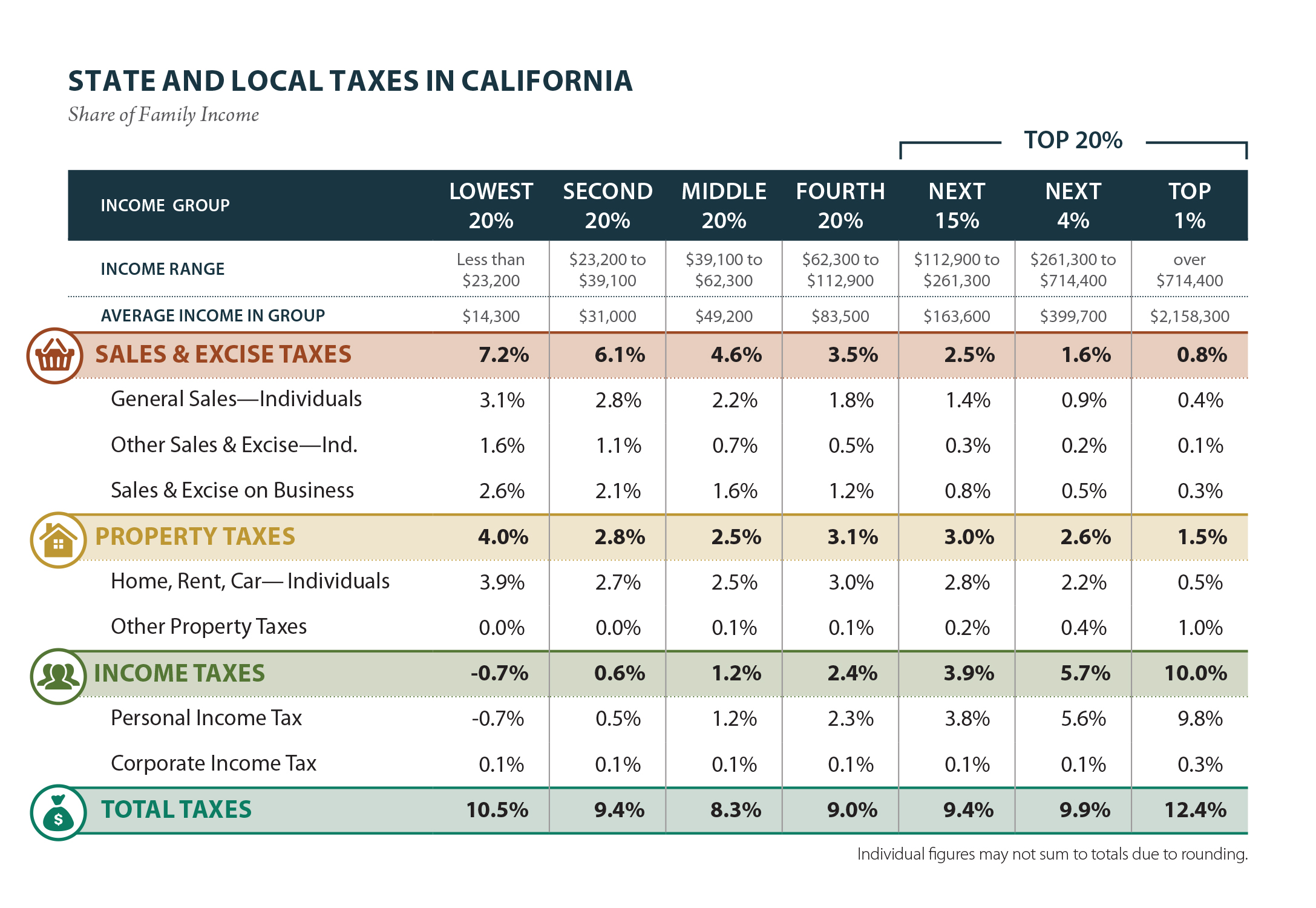
At its core, California has a statewide base sales tax rate. However, what makes it slightly complex for travelers is the addition of local district taxes. This means that the actual sales tax rate you pay will vary depending on the specific city and county where your transaction occurs. For instance, the sales tax rate in downtown San Diego might differ slightly from that in Beverly Hills or even Sacramento, the state capital. These local additions fund various public services, so while they may seem like a small percentage, they contribute to the infrastructure and amenities that enhance your visit.
When planning your shopping budget, it’s crucial to remember that the displayed price tag for most retail items does not include sales tax. This will be added at the register. The same applies to most restaurant meals, whether you’re dining in a Michelin-starred establishment or grabbing a quick bite from a food truck. Be prepared for that extra percentage to be tacked onto your bill, and factor it in when deciding on purchases or meals.
Sales Tax on Shopping Sprees and Souvenirs
For many visitors, part of the California experience involves a bit of retail therapy. From high-end boutiques on Rodeo Drive to quirky shops in Venice Beach or artisan markets in Carmel-by-the-Sea, opportunities abound to bring home a piece of the Golden State. Every tangible item you purchase – clothing, electronics, books, artwork, and, of course, souvenirs – will be subject to sales tax.
Let’s say you’re visiting Universal Studios Hollywood and decide to buy a themed t-shirt or a collectible wand. The price displayed for that item will have sales tax added at checkout. Similarly, if you’re exploring the historic Ferry Building Marketplace in San Francisco and purchase gourmet local foods (that are not considered “staple foods” for immediate consumption, which can sometimes be exempt), expect sales tax. For those engaging in luxury travel with significant shopping plans, these percentages can accumulate, so it’s wise to allocate a portion of your budget specifically for these taxes. Even for budget travel where every dollar counts, understanding that a $10 souvenir will actually cost $10.XX helps prevent minor, yet irritating, surprises.
Dining Out: What to Expect with Sales Tax
California’s culinary scene is world-renowned, offering everything from farm-to-table excellence to diverse ethnic eateries. Whether you’re enjoying fresh seafood in Santa Monica, exploring the vibrant food scene in Oakland, or tasting wines in Sonoma Valley, sales tax will be applied to your restaurant bill. This includes not just the food items, but also beverages, including alcoholic drinks.
Consider a family trip to Disneyland Resort in Anaheim, where quick-service meals and sit-down dinners are part of the theme park experience. Each time you purchase food, the sales tax will be an additional charge. While some states exempt “unprepared” or grocery-store food items from sales tax, most prepared meals bought for immediate consumption, especially in restaurants, are taxable in California. This is an important distinction for travelers who might be accustomed to different tax rules in their home regions. Always factor this into your dining budget, alongside tips, to get a clear picture of your total meal cost.
Accommodation Taxes: Lodging Your Stay in the Golden State
Beyond sales tax, one of the most significant tax implications for any traveler to California comes in the form of accommodation taxes, commonly known as Transient Occupancy Tax (TOT), or sometimes referred to as hotel tax or bed tax. This is a crucial element to understand when booking your hotels, resorts, apartments, or villas.
City-Specific Lodging Taxes: A Variable Cost
Unlike sales tax, which has a statewide base, the Transient Occupancy Tax is primarily a local tax. This means that the rates vary considerably from one city or county to another across California. For example, you might find a TOT rate of around 14-16% in major tourist hubs like San Francisco or Los Angeles, while smaller towns or less visited regions might have lower rates. Some cities might even have additional tourism assessments or fees layered on top of the standard TOT.
This variability means that the choice of your destination within California can significantly impact the total cost of your stay. A traveler planning a stay at a boutique hotel in Napa Valley might encounter a different TOT rate than someone booking a beachfront resort in Santa Barbara. These taxes are typically calculated as a percentage of your room rate, so the more luxurious or expensive your hotel suite or apartment stay, the higher the absolute tax amount will be.
It’s paramount to look for the “total price” when browsing accommodation options on booking platforms. Many websites will initially display a nightly rate, and only reveal the full price including taxes and fees later in the booking process. Always ensure you’re comparing apples to apples when considering different properties or locations, factoring in the local TOT.
Beyond Hotels: Vacation Rentals and TOT
The Transient Occupancy Tax is not exclusive to traditional hotels and motels. It also extends to other forms of temporary accommodation that are increasingly popular among travelers, such as vacation rentals booked through platforms like Airbnb or Vrbo, bed and breakfasts, and even certain hostels. If you’re planning a long-term stay that still falls within the “transient” period defined by local ordinances (often 30 days or less, though this can vary), you will likely be subject to TOT.
For family trips or groups seeking more space and amenities like a full kitchen, vacation rentals are an attractive option. However, it’s essential to confirm if the listed price on these platforms already includes the TOT or if it will be added at checkout. Reputable platforms and hosts typically display these charges transparently, but a quick check can save you from a nasty surprise. For business stays where expense reports are critical, accurately accounting for TOT is also important for financial reconciliation.
Understanding TOT is key to accurate budgeting for your lodging, which is often the largest single expense for most travelers. By being aware of these variable rates and ensuring you’re seeing the all-inclusive price, you can make informed decisions that align with your financial plans, whether you’re seeking a luxury resort or a more budget-friendly stay.
Transportation and Activity Taxes: Moving Around and Making Memories
Once your accommodation is sorted, and you’ve accounted for shopping and dining, the next significant areas where taxes might pop up for travelers are transportation and activities. Getting around California and enjoying its myriad attractions often involves specific fees and taxes that contribute to the overall cost of your trip.
Renting a Car in California: Hidden Tax Costs
For many exploring the vast landscapes of California, from the scenic routes of Big Sur to the desert expanses near Palm Springs, a rental car is indispensable. While the base rental rate might seem straightforward, a closer look at your bill will reveal several additional taxes and fees. These often include:
- State and Local Sales Tax: Similar to other goods, the rental fee for a vehicle itself is subject to state and local sales tax. This percentage will be added to your daily or weekly rental rate.
- Tourism Surcharges/Concession Fees: Many rental car companies operating out of airports or major transportation hubs are required to pay a concession recovery fee or a similar surcharge. These fees are passed directly on to the customer. These can be a significant percentage, sometimes ranging from 10% to over 20% of the rental cost, especially at large airports like Los Angeles International Airport (LAX) or San Francisco International Airport (SFO).
- Vehicle License Fees (VLF) or Registration Fees: This is a daily fee that helps cover the cost of registering the vehicle.
- Energy Surcharges/Tire & Battery Fees: Smaller, seemingly innocuous fees might be added to cover environmental costs or specific state mandates.
It’s easy to overlook these additional costs when simply comparing advertised daily rates. Always request a full, itemized quote that includes all taxes and fees before finalizing your car rental booking. This is particularly important for budget travelers who might find a seemingly cheap rental car turn into a significant expense once all the add-ons are included. For those on family trips needing larger vehicles, these percentage-based taxes will naturally accumulate to a higher absolute amount.
Experiences and Attractions: Tax Implications
California boasts an incredible array of attractions and experiences, from world-class theme parks like Disneyland Resort and Universal Studios Hollywood, to museums, concerts, and guided tours. While the admission price for these activities is generally an all-inclusive figure, some aspects might still be subject to sales tax.
For instance, if you purchase merchandise or food within a theme park, sales tax will apply to those individual transactions, as discussed earlier. Similarly, tickets to certain events, like concerts or sporting events, might have a small sales tax component, or a separate “facility fee” that is akin to a local tax. Most tour operators selling guided city tours or wine country tours will typically incorporate any applicable taxes into their advertised price, but it never hurts to clarify if the price is “all-inclusive” or if additional charges will be added.
Furthermore, for those driving, California’s gas tax is one of the highest in the nation. While not a direct tourist tax, it certainly impacts the budget of anyone planning an extensive road trip across the state. The price you see at the pump already includes these taxes, so there’s no separate calculation needed, but it’s a factor to consider when estimating your total transportation costs. Being mindful of these potential extra costs allows you to fully enjoy California’s diverse offerings without any financial headaches.
Budgeting for Taxes: Smart Travel Strategies in California
Understanding the various taxes in California is only the first step; the real skill lies in effectively incorporating them into your travel budget. A well-planned financial strategy can significantly enhance your travel experience, preventing unexpected costs from dampening your spirits, whether you’re embarking on a luxury travel escapade or a mindful budget travel adventure.
Planning Your California Travel Budget
The golden rule for budgeting in California is to always factor in taxes from the outset. Don’t just look at base prices for hotels, rental cars, or major purchases. Instead, always seek out the “all-in” price.
- For Accommodation: When comparing hotel suites, resorts, or vacation rentals, use the final price displayed before confirming your booking. Many booking platforms allow you to view the total cost, including all taxes and fees, before committing. Remember that Transient Occupancy Tax (TOT) rates vary by city, so research the specific rates for your chosen destination. For example, a night at a prestigious Four Seasons Hotel in San Francisco will incur a higher TOT in absolute terms than a similar percentage on a budget motel in a smaller town, simply due to the higher base price.
- For Car Rentals: Get an itemized quote that includes all state and local sales taxes, airport concession fees, vehicle license fees, and any other surcharges. These can sometimes add 20-30% to the base daily rate, a substantial amount for any traveler.
- For Dining and Shopping: Allocate an additional 8-10% (or more, depending on the specific location’s sales tax rate) on top of your estimated spending for meals and souvenirs. This small buffer can prevent your shopping spree from unexpectedly exceeding your budget.
Maximizing Your Dollars: Tax-Savvy Tips
While taxes are unavoidable, smart planning can help you maximize your travel funds:
- Research Local Tax Rates: Before you finalize your itinerary, spend a few minutes researching the specific sales tax and Transient Occupancy Tax (TOT) rates for the cities you plan to visit. Websites for local tourism boards or city governments often provide this information. This is particularly useful for those planning a multi-city tour, as rates can differ from San Diego to Los Angeles to Lake Tahoe.
- Consider Accommodation Choices: If you’re on a tight budget, explore options that might have lower TOT rates, or consider booking slightly outside the absolute busiest tourist centers where rates might be slightly lower. Sometimes staying in a neighboring town can offer substantial savings on accommodation taxes. For example, staying just outside Anaheim for your Disneyland Resort trip might reduce your hotel tax.
- Bundle Purchases: If you’re buying multiple items in one go, the sales tax calculation is straightforward. Just be aware of the total. For larger purchases, knowing the exact local sales tax rate can influence your decision on where to buy it.
- Grocery Shopping for Meals: To save on dining sales tax and overall food costs, consider utilizing accommodation with kitchen amenities, such as apartments or villas. Buying groceries from supermarkets (which generally have lower or no sales tax on most staple food items) and preparing some of your own meals can significantly reduce your daily food budget and the associated sales tax. This is an excellent tip for family trips or long-term stays.
- Review Your Bills: Always take a moment to review your hotel bills, car rental agreements, and even larger restaurant checks. Ensure that the taxes and fees applied are consistent with what you were quoted or what you expected. Mistakes can happen, and it’s always better to catch them on the spot.
By adopting these smart travel strategies, you can transform the seemingly daunting task of navigating California State Taxes into a simple, manageable aspect of your trip planning. This proactive approach ensures that your hard-earned travel budget goes towards creating unforgettable memories, allowing you to fully immerse yourself in the rich culture, breathtaking landscapes, and exciting activities that define the California experience.
Conclusion: Mastering California Taxes for an Unforgettable Trip
As you embark on your journey through the diverse and captivating landscapes of California, from the bustling cityscapes of Los Angeles and San Francisco to the serene beauty of its national parks and picturesque coastal towns, understanding the state’s tax structure is an undeniable asset. While the concept of “California State Tax” might initially conjure images of complex financial jargon, for the discerning traveler, it primarily boils down to a few key areas: sales tax on goods and dining, transient occupancy taxes on accommodation, and various fees associated with transportation, particularly car rentals.
This guide has aimed to demystify these components, offering a clear roadmap for how these taxes impact your travel budget and overall lifestyle during your stay. We’ve explored how the fluctuating local sales tax rates affect your shopping and dining experiences, highlighting the importance of anticipating these additions to your bill. We delved into the intricacies of Transient Occupancy Tax, emphasizing its city-specific variability and its significant role in determining the true cost of your hotels, resorts, or vacation rentals. Furthermore, we examined the often-overlooked surcharges and taxes that can inflate the price of your rental car, a crucial element for those planning extensive exploration of the Golden State.
Ultimately, being informed about California’s tax landscape isn’t about avoiding these charges, which are a part of contributing to the local infrastructure and services that enhance your visit. Instead, it’s about empowering you to budget accurately, make informed decisions, and prevent any unwelcome financial surprises. By factoring in these costs from the very beginning, comparing “all-in” prices for services, and doing a little preliminary research on local rates, you can ensure that your travel funds are allocated effectively.
Whether you’re planning a luxury escape with stays in opulent suites and gourmet dining, a family adventure exploring Disneyland Resort and Universal Studios Hollywood, or a budget-conscious backpacking trip along the stunning coastline, a proactive approach to understanding these taxes will pave the way for a smoother, more enjoyable journey. So, go forth and explore California’s iconic landmarks, immerse yourself in its vibrant culture, and savor its exquisite food scene, all while confidently navigating the financial aspects of your adventure. Your unforgettable California experience awaits!