
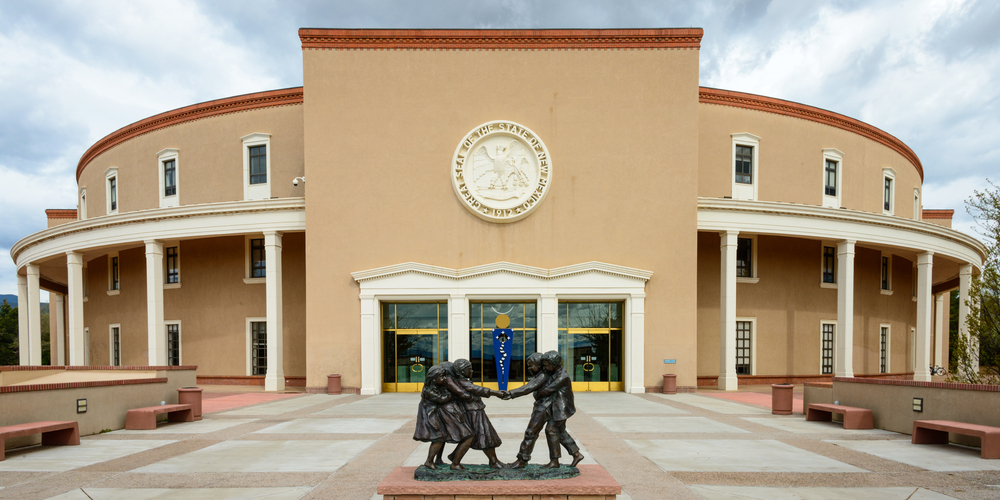
Nestled in the foothills of the Sangre de Cristo Mountains, a mere stone’s throw from the majestic Rio Grande, lies a city unlike any other in the United States. It’s a place where ancient history whispers through adobe walls, vibrant cultures converge, and artistic expression thrives under an endless blue sky. If you’ve ever wondered, “What is the capital of New Mexico?” the answer is Santa Fe, a city that is not just a governmental hub but a soul-stirring destination, rich in heritage, art, and unforgettable experiences.
Santa Fe holds the distinction of being the oldest capital city in the United States and the oldest European settlement west of the Mississippi. Its elevation, at over 7,000 feet, provides a distinct climate and stunning panoramic views, contributing to its unique charm and allure. For travelers seeking a destination steeped in history, brimming with cultural vibrancy, and offering a diverse range of accommodations and activities, Santa Fe is an unparalleled choice. From its distinctive New Mexican cuisine to its world-renowned art markets, every aspect of Santa Fe invites exploration and promises an enriching journey.

A Glimpse into History: America’s Oldest Capital City
The story of Santa Fe is a tapestry woven with threads of indigenous heritage, Spanish conquest, Mexican independence, and American expansion. Its deep historical roots are not just preserved in museums; they are palpable in the city’s architecture, traditions, and the very air you breathe. Understanding this history is key to appreciating the profound character of New Mexico’s capital.
Ancient Roots and Spanish Influence
Long before the arrival of Europeans, the area now known as Santa Fe was inhabited by various indigenous peoples, notably the Tewa-speaking Pueblo communities, who established thriving settlements. Their legacy continues to be a vital part of the region’s cultural identity. The Spanish arrived in the late 16th century, and in 1610, Don Pedro de Peralta founded La Villa Real de la Santa Fe de San Francisco de Asís – “The Royal Town of the Holy Faith of St. Francis of Assisi” – making it the capital of the Province of New Mexico, a Spanish colony. This establishment predates the founding of Jamestown, Virginia, by three years, solidifying its status as the oldest capital in the nation.
The city’s strategic location along the Santa Fe Trail, a historic trade route connecting Missouri to Santa Fe, further cemented its importance as a commercial and cultural crossroads. During this era, the iconic Palace of the Governors was built, serving as the seat of government for centuries under Spanish, Mexican, and American rule. Today, it stands as the oldest continuously occupied public building in the United States, a testament to the city’s enduring historical significance. Visitors can explore its rich past, browse Native American artisan markets under its portal, and truly step back in time.
A Cultural Melting Pot
Santa Fe’s history is defined by the incredible fusion of three distinct cultures: Native American, Hispanic, and Anglo. This unique blend is evident in every facet of city life, from its distinctive Pueblo Revival architecture to its vibrant arts scene and delicious cuisine. The indigenous influence is profound, seen in the traditional arts, spiritual practices, and the deep respect for the land. The Spanish colonial period left an indelible mark through language, religion, and the enduring architectural style that characterizes the city, particularly around the historic Plaza. The arrival of Anglo settlers brought new perspectives and economic ties, further enriching the cultural landscape.
This confluence has created a city celebrated for its artistic expression. Artists and writers have long been drawn to Santa Fe’s unique light, landscapes, and cultural depth. The city boasts an impressive array of galleries, museums, and performance venues, making it one of the leading art markets in the United States. This cultural vibrancy is perhaps best exemplified during events like the annual Santa Fe Indian Market, where thousands gather to celebrate Native American art and heritage, showcasing the continuing influence of the region’s first inhabitants.
Unearthing Santa Fe’s Treasures: Must-See Attractions and Experiences
For travelers, Santa Fe offers an intoxicating array of attractions, each telling a piece of its grand story. Whether you’re an art enthusiast, a history buff, a foodie, or an outdoor adventurer, the city and its surroundings provide countless opportunities for discovery and enjoyment.
Iconic Landmarks and Architectural Marvels
A walk through Santa Fe’s historic district is like stepping into a living museum. The city’s commitment to preserving its Pueblo Revival architecture means that buildings consistently feature flat roofs, rounded corners, and natural adobe or stucco finishes, creating a harmonious and aesthetically pleasing urban environment.
The heart of the city is undoubtedly the Plaza, a National Historic Landmark, where events, markets, and celebrations have taken place for centuries. Flanked by the Palace of the Governors and surrounded by shops and restaurants, it’s a perfect starting point for exploration. Just a short walk away, the magnificent Cathedral Basilica of Saint Francis of Assisi stands as a stunning example of Romanesque Revival architecture, its grand presence a stark yet beautiful contrast to the surrounding adobe. Inside, the intricate stained glass and peaceful atmosphere are truly captivating.
Another architectural marvel, and a popular pilgrimage site, is the Loretto Chapel, famed for its “Miraculous Staircase.” This helix-shaped wooden staircase, built without visible means of support, has baffled architects and engineers for generations and continues to inspire awe. Art lovers will find their haven at the Georgia O’Keeffe Museum, dedicated to the iconic American modernist painter who found endless inspiration in the landscapes of New Mexico. The museum offers deep insight into her life and work, showcasing her profound connection to the desert and its forms. For a more immersive artistic experience, a stroll down Canyon Road is essential. This historic lane is home to over a hundred art galleries, studios, and shops, offering everything from traditional New Mexican art to contemporary masterpieces. Each gallery is often housed in a charming adobe building, adding to the unique allure of the district. Beyond traditional art, Meow Wolf Santa Fe offers an unparalleled immersive art experience, a psychedelic journey through a Victorian house with portals to other dimensions, challenging perceptions and igniting imagination.
Embracing Local Culture and Cuisine
The cultural heartbeat of Santa Fe resonates deeply through its culinary scene and vibrant traditions. New Mexican cuisine is a destination in itself, distinct from Tex-Mex or other regional fare. Characterized by its use of red and green chili, often posed with the question “Red or Green?”, this cuisine offers a flavorful journey for the palate. Must-try dishes include savory enchiladas, burritos, posole, and the quintessential sopaipillas (fluffy fried bread, often served with honey). Many restaurants, from upscale dining establishments like The Pink Adobe to more casual, beloved local spots, celebrate these flavors, providing an authentic taste of the region. Dining al fresco in a historic courtyard, especially during the pleasant evenings, is an experience to savor.

Beyond food, Santa Fe’s cultural calendar is packed with events year-round. The Santa Fe Indian Market, mentioned earlier, is a cornerstone, but there are also numerous music festivals, traditional dances, and community celebrations. The Santa Fe Opera, renowned for its open-air amphitheater and world-class performances against the backdrop of a sunset over the desert, offers a truly magical experience during the summer months. Exploring the Railyard Arts District provides a glimpse into contemporary art, farmers’ markets, and lively community spaces. The array of museums, including the Museum of International Folk Art, the Museum of Indian Arts and Culture, and the New Mexico Museum of Art, ensures there’s always something new to learn and appreciate about global and local artistic traditions.
Beyond the City Limits: Day Trips and Nature’s Grandeur
While Santa Fe itself is a treasure trove, its surrounding landscape offers breathtaking natural beauty and historical sites perfect for day trips. The nearby Sangre de Cristo Mountains provide opportunities for hiking, mountain biking, and during winter, skiing at Ski Santa Fe. The views from these elevations are simply spectacular, offering a fresh perspective on the high desert terrain.
A short drive northwest brings you to Bandelier National Monument, where ancient cliff dwellings and cavates carved by the Ancestral Pueblo people offer a fascinating look into prehistoric life. Visitors can hike trails, climb ladders into dwellings, and imagine life centuries ago. Another poignant historical site is Taos Pueblo, a UNESCO World Heritage Site and a living Native American community whose multi-story adobe buildings have been continuously inhabited for over a thousand years. It’s a profound experience to witness this enduring culture and learn directly from its residents. Further afield, the columnar rock formations of Kasha-Katuwe Tent Rocks National Monument provide a unique geological spectacle and an excellent hiking opportunity, while Pecos National Historical Park combines Native American and Spanish colonial history amidst stunning ruins.
Planning Your Santa Fe Getaway: Accommodation and Travel Tips
A visit to Santa Fe promises not just sightseeing, but a holistic travel experience. To make the most of your journey, careful planning regarding accommodation, travel logistics, and understanding the local lifestyle is essential.
Where to Stay: Hotels, Resorts, and Unique Stays
Santa Fe offers an impressive range of accommodation options to suit every budget and preference, from luxurious resorts to charming boutique hotels and cozy vacation rentals. For those seeking opulence and unparalleled service, properties like the Four Seasons Resort Rancho Encantado Santa Fe offer an exclusive retreat with stunning views, spa services, and gourmet dining, embodying the epitome of luxury travel. Another exquisite choice is the Inn of the Five Graces, known for its intricate design, handcrafted furnishings, and a unique blend of global and local aesthetics, providing a truly boutique experience that feels both indulgent and deeply rooted in Santa Fe’s artistic spirit.
Mid-range options are plentiful and often showcase the city’s distinctive adobe style, offering comfort and convenience within walking distance of major attractions. Many hotels in the historic district, such as Hotel Chimayó de Santa Fe or La Fonda on the Plaza, blend historic charm with modern amenities. For travelers on a budget or those preferring a more independent stay, vacation rentals, including charming adobe casitas or apartments, are widely available through platforms like Airbnb or VRBO, offering a glimpse into local living. Long-term stays are also popular, especially for artists and remote workers drawn to Santa Fe’s tranquil yet inspiring environment. When booking, consider amenities like pools, pet-friendliness, and proximity to your desired activities, keeping in mind that some boutique properties may not offer extensive facilities but compensate with unique character and personalized service.
Navigating Santa Fe: A Visitor’s Guide
Getting to Santa Fe is relatively straightforward. The Santa Fe Regional Airport offers limited commercial flights, primarily connecting through Dallas/Fort Worth or Denver. Most visitors fly into Albuquerque International Sunport, which is about an hour’s drive south, and then take a shuttle service, rent a car, or use rideshare options to reach Santa Fe. Once in the city, the historic core is highly walkable, making it easy to explore the Plaza, Canyon Road, and many museums on foot. Public transportation, including the Santa Fe Trails bus system, provides access to areas further afield, and ride-sharing services are also readily available. Renting a car is advisable if you plan extensive day trips to destinations like Taos Pueblo or Bandelier National Monument.
The best time to visit Santa Fe depends on your interests. Spring and fall offer pleasant temperatures, vibrant foliage, and fewer crowds, ideal for outdoor activities and cultural festivals. Summers are warm and sunny, perfect for enjoying outdoor dining and the Santa Fe Opera, though afternoon thunderstorms are common. Winters bring a quiet beauty, with potential for snow and excellent skiing opportunities nearby. Due to its high elevation, it’s crucial to stay hydrated and be mindful of the sun; wear sunscreen and a hat, even on cloudy days. Take it easy on your first day to acclimatize to the altitude, especially if coming from sea level. Embracing the relaxed pace of life is part of the Santa Fe experience; local etiquette values friendliness and respect for traditional cultures.
Crafting Your Ideal Santa Fe Lifestyle Experience
Santa Fe is a destination that truly caters to a diverse range of travel lifestyles. For those pursuing luxury travel, the city’s high-end resorts, gourmet dining, exclusive art galleries, and bespoke spa experiences offer an indulgent escape. Imagine evenings spent at a world-class restaurant, followed by a performance at the Santa Fe Opera, and retiring to a luxurious suite.
Budget travelers can find plenty of charm without breaking the bank, from affordable motels and vacation rentals to delicious and reasonably priced New Mexican cuisine at local eateries. Exploring the Plaza, hiking in the surrounding mountains, and visiting many of the free art markets and public spaces offer rich experiences at little to no cost.
Family trips to Santa Fe are memorable, with attractions like Meow Wolf Santa Fe captivating children and adults alike. Educational opportunities abound at the Museum of Indian Arts and Culture or during day trips to Bandelier National Monument. Many accommodations are family-friendly, offering suites or connecting rooms, and activities cater to various age groups.
Business stays are also well-supported, with a selection of hotels offering conference facilities and reliable Wi-Fi. The city’s unique ambiance can provide a refreshing change of pace for business travelers, allowing for cultural immersion after work hours. Even a short visit can offer a taste of Santa Fe’s distinct character.
Ultimately, Santa Fe encourages a lifestyle of appreciation for art, history, and nature. Whether you’re seeking a serene retreat, an adventure-filled escape, or a deep dive into cultural heritage, the city provides the perfect backdrop. Its blend of ancient traditions and contemporary flair ensures that every visitor can curate an experience that aligns perfectly with their travel aspirations.
In conclusion, the capital of New Mexico is Santa Fe, a city that transcends its administrative function to become a world-class destination. Its unparalleled history as the oldest capital in the United States, its vibrant multicultural tapestry, and its breathtaking natural surroundings make it a compelling place to visit. From exploring historic landmarks and art galleries to savoring unique flavors and embarking on scenic day trips, Santa Fe offers a rich and rewarding journey for every traveler. It’s a place where every corner tells a story, every meal is an adventure, and every sunset paints a masterpiece, inviting you to discover the magic of the “City Different.”